Ever wonder if your feline friend might be missing out on a crucial nutrient? Vitamin B12 plays a vital role in a cat’s overall health, impacting everything from energy levels to neurological function. While cats typically get B12 from their diet, certain conditions or dietary restrictions can lead to deficiencies. This guide dives deep into B12 shots for cats, exploring everything from recognizing the signs of deficiency to understanding the procedure, potential benefits, and alternatives.
We’ll unpack the science behind B12, discuss how to identify if your cat needs supplementation, and walk you through the process of administering injections (or exploring oral options). Plus, we’ll cover costs, potential risks, and how to monitor your cat’s progress, ensuring they thrive with the right B12 support.
Understanding B12 and Your Feline Friend
B12, or cobalamin, is a vital nutrient for all animals, including our beloved cats. It plays a crucial role in a surprising number of bodily functions, from nerve health and red blood cell production to DNA synthesis and energy metabolism. While cats don’t naturally produce B12 themselves, they typically obtain it through their diet. However, various factors can disrupt this process, leading to deficiencies that can significantly impact their well-being.
This article will guide you through everything you need to know about B12 injections for cats, from recognizing the signs of deficiency to understanding the procedure and potential risks.
The Role of B12 in Feline Health and Metabolism
Vitamin B12 is a powerhouse when it comes to supporting a cat’s overall health. It’s essential for the formation of healthy red blood cells, which carry oxygen throughout the body. Beyond that, B12 is critical for maintaining the myelin sheath, a protective layer around nerve fibers. Damage to this sheath can lead to neurological problems. It also participates in DNA synthesis, crucial for cell growth and repair, and helps convert food into energy, keeping your cat active and vibrant.Cats typically obtain B12 through their diet, primarily from animal sources.
However, the absorption process is complex and relies on a healthy digestive system and adequate intrinsic factor, a protein produced in the stomach.While rare, B12 deficiency can occur in cats, often linked to underlying health issues. Conditions like chronic pancreatitis, inflammatory bowel disease (IBD), and small intestinal bacterial overgrowth (SIBO) can interfere with B12 absorption.
Recognizing B12 Deficiency in Cats
Identifying B12 deficiency in cats can be tricky, as symptoms often overlap with other conditions. The severity of symptoms can vary greatly depending on the degree of deficiency. Early signs might be subtle, while advanced deficiencies can manifest in more serious health problems.Mild symptoms can include lethargy, a decreased appetite, and mild weight loss. Moderate deficiencies may present with neurological signs like weakness, incoordination (ataxia), and a head tilt.
Severe cases can lead to anemia (pale gums), vomiting, diarrhea, and even seizures. It’s important to note that these symptoms are not exclusive to B12 deficiency and require veterinary investigation.A veterinarian will typically perform a blood test to measure B12 levels. These tests are relatively straightforward and provide a clear indication of whether a deficiency exists. Other tests, such as a complete blood count (CBC) and a biochemical profile, may be run to assess overall health and rule out other potential causes of the symptoms.The root cause of B12 malabsorption is often related to digestive issues.
Conditions like chronic pancreatitis impair the pancreas’s ability to produce enzymes needed for B12 absorption. IBD and SIBO can damage the intestinal lining, hindering absorption. In some cases, a lack of intrinsic factor production in the stomach can also be a factor.
B12 Injections: The Procedure
Administering a B12 injection to a cat requires a steady hand and a calm demeanor. While some owners are trained to do this at home, it’s generally best left to a veterinarian or a qualified veterinary technician, especially initially. The procedure itself is relatively quick and typically well-tolerated by cats.The most common injection sites are the subcutaneous (under the skin) areas, typically on the back of the neck or along the flanks.
Intramuscular injections (into the muscle) are less common but may be used in certain situations.Proper technique is crucial to minimize discomfort and potential complications. Using a sterile needle and syringe, and ensuring the area is clean, helps prevent infection. A gentle, confident approach can help keep your cat calm and relaxed during the procedure.
| Step | Description |
|---|---|
| 1 | Gather supplies: sterile needle and syringe, B12 solution, alcohol swabs. |
| 2 | Clean the injection site with an alcohol swab and allow it to dry. |
| 3 | Gently lift the skin at the injection site to create a fold. |
| 4 | Insert the needle at a 45-degree angle (for subcutaneous injections) or 90-degree angle (for intramuscular injections). |
| 5 | Slowly inject the B12 solution. |
| 6 | Withdraw the needle and apply gentle pressure to the injection site. |
Dosage and Frequency of B12 Shots
Source: jacksongalaxy.com
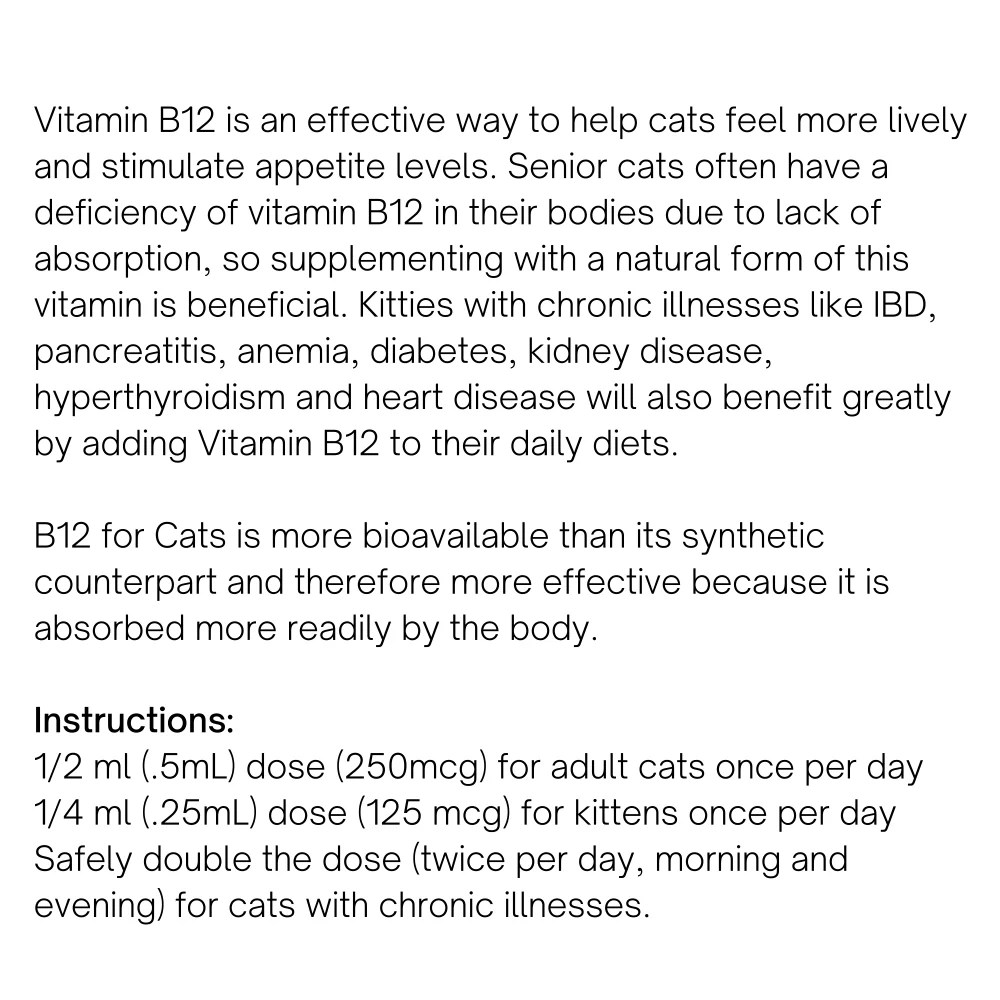
Determining the appropriate B12 dosage for your cat depends on several factors, including their weight, the severity of the deficiency, and any underlying health conditions. A veterinarian will carefully assess these factors to create a personalized treatment plan.The typical frequency of B12 injections varies. Initially, weekly injections are common to rapidly replenish B12 stores. As the cat’s levels improve, the frequency may be reduced to bi-weekly or monthly.
Ongoing monitoring is essential to adjust the dosage and frequency as needed.The cat’s response to treatment is a key factor in adjusting the plan. If B12 levels remain low despite regular injections, the veterinarian may investigate other potential causes of malabsorption or adjust the dosage accordingly.
| Cat Weight (lbs) | Typical Dosage (mcg) | Frequency |
|---|---|---|
| 5-10 | 50-100 | Weekly |
| 11-15 | 100-150 | Weekly |
| 16-20 | 150-200 | Bi-weekly |
| 21+ | 200-300 | Monthly |
Benefits of B12 Shots for Cats
B12 injections can offer significant benefits for cats struggling with deficiency, particularly those with specific conditions. For cats with neurological disorders, B12 can help improve nerve function, reducing symptoms like ataxia and head tilting. In cases of anemia, B12 supports red blood cell production, increasing oxygen delivery to tissues.Beyond addressing specific conditions, B12 injections can contribute to overall feline health and vitality.
They can boost energy levels, improve appetite, and support a healthy immune system. Cats who were previously lethargic and uninterested in food often show a renewed zest for life after receiving B12 supplementation.
Potential Risks and Side Effects
While B12 injections are generally safe, potential side effects can occur. Mild reactions are relatively common and may include temporary soreness or swelling at the injection site. More severe reactions, though rare, can include allergic reactions (hives, facial swelling, difficulty breathing) and anaphylactic shock.It’s crucial to monitor your cat closely after each injection for any signs of adverse reactions. Contact your veterinarian immediately if you notice anything unusual.Contraindications for B12 injections include known allergies to B12 or any of its components, and certain pre-existing conditions, such as severe kidney disease.
Always inform your veterinarian of any existing health concerns before starting B12 supplementation.
Alternatives to B12 Injections
While injections are often the preferred method for delivering B12 to cats, oral supplements are also available. However, oral B12 supplements have a lower bioavailability compared to injections, meaning a smaller percentage of the supplement is actually absorbed into the bloodstream.Different B12 formulations exist, including liquid drops, chewable tablets, and compounded gels. The choice of formulation depends on your cat’s preferences and tolerance.Administering oral B12 supplements is generally straightforward.
Liquid drops can be added to food, while chewable tablets can be offered as a treat. Consistency is key, as oral supplements need to be given regularly to maintain adequate B12 levels.
| Method | Pros | Cons | Bioavailability |
|---|---|---|---|
| Injections | Rapid absorption, predictable results, effective for malabsorption | Requires veterinary administration, can be stressful for some cats | High (90-100%) |
| Oral Supplements | Convenient, can be administered at home, less stressful | Lower absorption rate, may require higher doses, less predictable results | Low (10-50%) |
Cost Considerations
The cost of B12 injections for cats can vary depending on several factors, including your location, the veterinarian’s fees, and the cost of the medication. Expect to pay anywhere from $30 to $80 per injection, including the veterinary exam fee.The frequency of injections significantly impacts the overall cost. Weekly injections will be more expensive than monthly injections. Oral supplements are generally less expensive upfront, but the need for higher doses and potential for lower absorption can make them more costly over time.
B12 and Specific Feline Conditions
B12 plays a particularly important role in managing feline exocrine pancreatic insufficiency (EPI). EPI is a condition where the pancreas doesn’t produce enough digestive enzymes, leading to malabsorption of nutrients, including B12. B12 supplementation is often a crucial part of managing EPI.For cats with neurological disorders, B12 can help improve nerve function and alleviate symptoms. While B12 deficiency isn’t always the underlying cause of neurological problems, it can exacerbate existing conditions.Cats recovering from surgery or illness can also benefit from B12 supplementation.
B12 supports tissue repair and boosts energy levels, aiding in the recovery process.
Long-Term Management and Monitoring
Regular monitoring of B12 levels is essential for cats receiving injections. This helps ensure that the dosage and frequency are appropriate and that the treatment is effective.Treatment plans should be adjusted based on ongoing monitoring results. If B12 levels remain low despite treatment, the veterinarian may investigate other potential causes of malabsorption or adjust the dosage accordingly.Signs that indicate a need to re-evaluate B12 supplementation include a return of symptoms (lethargy, loss of appetite), persistently low B12 levels, or any adverse reactions to the injections.
- Initial Phase (Weeks 1-4): Weekly B12 level checks.
- Maintenance Phase (Months 2-6): Bi-weekly B12 level checks.
- Long-Term Monitoring (After 6 Months): Quarterly B12 level checks, or as directed by your veterinarian.
Illustrative Descriptions for Visuals
Imagine a photograph of a veterinarian gently administering a B12 injection to a calm, relaxed cat. The vet’s hands are steady and precise, and the cat is lying comfortably on an examination table, seemingly unfazed by the procedure. The focus is on the technique and the cat’s peaceful posture, conveying a sense of trust and care.Picture a visual representation of a cat exhibiting symptoms of B12 deficiency.
The cat appears lethargic, with droopy eyes and a lack of energy. Its coat may be dull, and it might be showing a decreased interest in food. The image subtly emphasizes the often-overlooked signs of deficiency.Envision a blood test result sheet clearly displaying low B12 levels in a cat. The relevant data points, such as the B12 value and the reference range, are highlighted, making it easy to understand the diagnosis.Finally, visualize a display of different B12 supplement formulations for cats.
There are injectable vials, liquid drops in a dropper bottle, and chewable tablets in a colorful package. The image showcases the variety of options available and their distinct appearances.
Ending Remarks
Ultimately, understanding B12 shots for cats empowers you to make informed decisions about your pet’s well-being. Whether it’s addressing a specific condition like EPI or simply supporting overall vitality, B12 supplementation can be a valuable tool. By recognizing the signs of deficiency, understanding the different administration methods, and working closely with your veterinarian, you can help your cat live a longer, healthier, and happier life.
Remember, consistent monitoring and open communication with your vet are key to tailoring a B12 plan that perfectly suits your cat’s individual needs. Don’t hesitate to ask questions and advocate for your furry companion’s best health!
Questions and Answers
Can I give my cat B12 supplements without a vet’s recommendation?
While over-the-counter B12 supplements are available, it’s crucial to consult your veterinarian first. A deficiency needs to be confirmed through testing, and your vet can determine the appropriate dosage and form of supplementation.
How long does it take to see results from B12 injections?
The timeframe varies depending on the severity of the deficiency and the cat’s overall health. Some owners notice improvements in energy levels and appetite within a week or two, while others may see more gradual changes over several weeks.
Are B12 injections painful for cats?
When administered correctly by a trained professional, B12 injections are generally not painful. Cats may experience a brief pinch, but proper technique and a calm environment can minimize discomfort.
What if my cat has an allergic reaction to a B12 injection?
Signs of an allergic reaction can include hives, swelling, difficulty breathing, or facial redness. Contact your veterinarian immediately if you observe any of these symptoms.
Can kittens receive B12 injections?
Kittens rarely require B12 injections unless they have a specific underlying condition. Always consult with your veterinarian before administering any supplements to a kitten.
How does B12 help cats with EPI?
EPI prevents cats from properly digesting and absorbing nutrients, including B12. Injections bypass the digestive system, ensuring the cat receives the necessary B12 directly.

