Unraveling the Tuxedo Cats Personality A Detailed Guide

Tuxedo cats, with their striking black and white coats resembling formal wear, are instantly recognizable and often shrouded in a bit of mystery. Beyond their dapper appearance, these felines possess unique personalities that have captivated cat lovers for generations. From their possible origins to their intelligence and social behaviors, let’s dive into the fascinating world of tuxedo cats and explore what makes them so special.
The term “tuxedo cat” isn’t a breed itself, but rather a coat pattern found across various breeds like American Shorthairs, Maine Coons, and even Persians. This pattern, typically a black body with white markings on the chest, paws, and face, contributes to their charming nicknames like “formal cats” or “penguin cats.” Understanding their personality requires looking beyond the coat and considering a blend of genetics, environment, and early experiences.
Introduction to Tuxedo Cats
Tuxedo cats, with their striking black and white markings, are instantly recognizable and often associated with a certain air of sophistication. But beyond their dapper appearance lies a fascinating history and a unique set of personality traits. This article delves into the world of tuxedo cats, exploring their origins, physical characteristics, and the intriguing behaviors that make them so beloved by cat lovers worldwide.
A Brief History and Prevalence
The exact origins of the tuxedo cat are shrouded in a bit of mystery. They aren’t a specific breed themselves, but rather a color pattern that can appear across various breeds. The pattern is a result of a genetic quirk called piebaldism, which affects pigment distribution. While pinpointing the very first tuxedo cat is impossible, anecdotal evidence suggests they’ve been around for centuries.
Some believe they originated in Europe, possibly among domestic shorthairs, and their prevalence has steadily increased as cat breeding and ownership have become more widespread. You’ll find tuxedo markings in breeds like American Shorthairs, Persians, Maine Coons, and even British Shorthairs, demonstrating the pattern’s versatility.
Defining Physical Characteristics
The hallmark of a tuxedo cat is, of course, their distinctive coat pattern. It resembles a formal tuxedo, hence the name. The base color is almost always white, with black (or sometimes grey, brown, or even orange) patches covering the head, chest, legs, and tail. The pattern typically includes a black “bib” on the chest, black “socks” on the paws, and a black mask around the face.
Variations exist, with some cats having more black than white, while others have a more balanced distribution. The texture of the coat can vary depending on the breed – from the short, sleek fur of an American Shorthair to the long, luxurious coat of a Persian.
Interesting Facts and Nicknames
Tuxedo cats have earned a number of endearing nicknames reflecting their elegant appearance. “Formal cats” is perhaps the most obvious, while “penguin cats” refers to the resemblance of their black and white markings to a penguin’s plumage. They’ve also been called “dinner jackets” and “bowler cats.” Interestingly, many believe tuxedo cats were favored by sailors in the 19th century, who brought them aboard ships as companions and mousers.
This association may have contributed to their reputation for intelligence and adaptability.
| Coat Color | Pattern Variation | Associated Breed (if applicable) |
|---|---|---|
| Black and White | Classic Tuxedo – even distribution of black and white | American Shorthair |
| Grey and White | “Smoky Tuxedo” – grey patches instead of black | British Shorthair |
| Brown and White | “Chocolate Tuxedo” – brown patches instead of black | Maine Coon |
| Black and White with Tabby Markings | “Tabby Tuxedo” – subtle tabby stripes within the black patches | Domestic Shorthair |
General Personality Traits of Tuxedo Cats
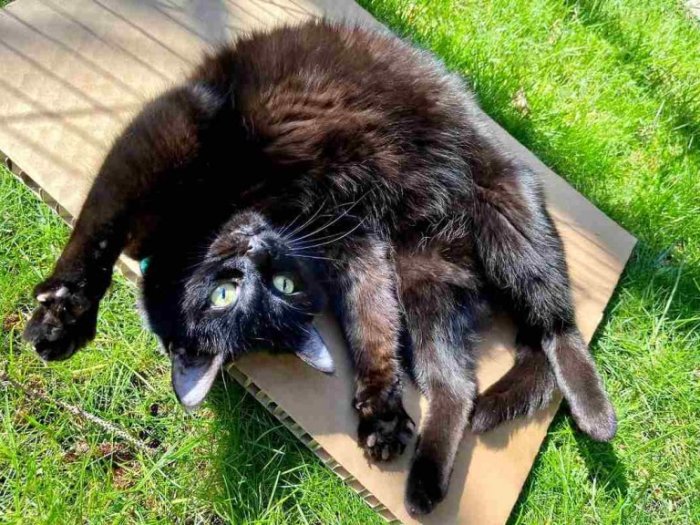
Source: cats.com
While every cat is an individual, tuxedo cats often exhibit a cluster of personality traits that set them apart. It’s important to remember that these are tendencies, not guarantees, and a tuxedo cat’s personality will be shaped by a complex interplay of factors. However, many owners report their tuxedo cats being intelligent, playful, and affectionate, with a touch of mischievousness thrown in for good measure.
The “Split Personality” Perception
One of the most intriguing aspects of tuxedo cats is the perception that they possess a “split personality.” Some owners describe them as being incredibly affectionate and cuddly one moment, and aloof and independent the next. While this isn’t necessarily a literal split personality (cats don’t have personality disorders!), it’s a common observation. This perceived duality might stem from their intelligence and adaptability, allowing them to quickly assess situations and adjust their behavior accordingly.
They might be playful and energetic when engaged in a game, but reserved and watchful when observing unfamiliar surroundings.
Potential Reasons for Personality Traits
Several factors likely contribute to the observed personality traits of tuxedo cats. Genetics play a role, as certain breeds known for intelligence and sociability (like American Shorthairs) are often associated with the tuxedo pattern. However, environment and early socialization are equally crucial. Kittens who are handled gently and exposed to a variety of people and experiences are more likely to develop into well-adjusted, confident adults.
A stimulating environment with plenty of toys and opportunities for play can also contribute to a cat’s overall well-being and personality.
Flowchart of Personality Development
Understanding the complex influences on a tuxedo cat’s personality can be visualized through a flowchart:
- Genetics: The foundation – inherited predispositions towards certain behaviors and traits.
- Early Socialization (0-16 weeks): Exposure to humans, other animals, and various environments shapes confidence and sociability. Positive experiences lead to well-adjusted cats.
- Environment (Ongoing): The cat’s living situation – stimulating or boring, safe or stressful – significantly impacts behavior.
- Observed Behavior: The culmination of these factors – affectionate, playful, independent, anxious, etc.
Tuxedo Cats and Intelligence
Intelligence in cats isn’t measured by human standards, but rather by their ability to solve problems, learn new things, and respond to training. It manifests in their curiosity, their ability to figure out how to open doors or cabinets, and their responsiveness to commands. A truly intelligent cat can adapt to new situations, anticipate their owner’s needs, and even manipulate their environment to get what they want.
Demonstrations of Intelligence
Tuxedo cats are frequently cited as being particularly intelligent. Many owners report their tuxedo cats learning tricks quickly, such as fetching toys or coming when called. They often demonstrate problem-solving skills, like figuring out how to access a high shelf or open a treat container. Some have even been observed using tools, such as pushing objects off tables to get their owner’s attention.
These behaviors suggest a level of cognitive ability beyond the average cat.
Comparing Intelligence Levels
While it’s difficult to definitively rank cat breeds by intelligence, tuxedo cats often compare favorably to breeds known for their smarts. Here’s a comparison:
- Siamese: Highly vocal and communicative, known for their ability to learn tricks and engage in interactive play. Often more demanding of attention.
- Abyssinian: Extremely active and curious, constantly exploring their surroundings and seeking out new challenges. Can be prone to mischief if not properly stimulated.
- Tuxedo Cats: Exhibit a blend of intelligence, playfulness, and affection. Often adaptable and quick learners, but may also have a more independent streak.
- Domestic Shorthair (Tuxedo Pattern): Intelligence varies greatly, but many demonstrate problem-solving skills and a willingness to learn.
A Simple Training Exercise
Training a tuxedo cat can be a rewarding experience. A simple exercise to start with is “target training.” This involves teaching your cat to touch a target (like a chopstick or a pen) with their nose. Here’s how:
- Introduce the Target: Let your cat sniff and investigate the target.
- Reward Initial Interest: When your cat shows any interest in the target (even just looking at it), immediately reward them with a small treat.
- Shape the Behavior: Gradually require your cat to touch the target with their nose before giving a treat.
- Add a Cue: Once your cat consistently touches the target, introduce a verbal cue like “Touch!”
- Practice Regularly: Keep training sessions short and fun, and always end on a positive note.
Potential challenges include a cat’s lack of motivation (use high-value treats!), distractions in the environment, and a cat’s independent nature. Patience and consistency are key.
Affection and Social Behavior
Tuxedo cats, like all cats, have varying degrees of affection. While some are incredibly cuddly and enjoy being petted and held, others are more independent and prefer to observe from a distance. However, many tuxedo cats are known for their loyalty and their ability to form strong bonds with their human companions.
Interactions with Other Pets
Their interactions with other pets can vary. Some tuxedo cats are incredibly friendly and get along well with dogs and other cats, while others are more aloof or even territorial. Early socialization plays a crucial role in shaping their social behavior. Kittens who are raised with other animals are more likely to accept them as part of their social group.
Anecdotes of Strong Bonds
Numerous anecdotes illustrate the strong bonds tuxedo cats can form. There’s the story of a tuxedo cat named Oreo who became inseparable from his owner’s elderly dog, sleeping curled up beside him and following him everywhere. Another tale recounts a tuxedo cat named Jasper who would greet his owner at the door every evening, rubbing against their legs and purring loudly.
These stories highlight the capacity of tuxedo cats for deep affection and companionship.
| Social Situation | Typical Tuxedo Cat Response | Possible Explanation | Variations Observed |
|---|---|---|---|
| Meeting a New Person | Cautious observation, followed by a slow approach and gentle sniffing | Natural feline caution, assessing potential threat | Some may be immediately friendly, others remain aloof |
| Interacting with a Dog | Playful chasing or ignoring the dog completely | Dependent on early socialization and individual personalities | Some may become close companions, others maintain distance |
| Another Cat Entering the Home | Initial territorial displays (hissing, swatting), followed by gradual acceptance | Establishing dominance and boundaries | Some cats may never fully accept a new cat |
| Owner Returning Home | Enthusiastic greeting with rubbing, purring, and vocalizations | Expression of affection and excitement | Some may offer a more subtle greeting |
Playfulness and Activity Levels
Play is essential for feline physical and mental well-being. It allows cats to exercise their hunting instincts, burn energy, and relieve stress. Tuxedo cats, generally, are known to be playful and active, though their preferred play styles can vary.
Typical Play Styles
Some tuxedo cats are energetic hunters, enthusiastically chasing after toys and pouncing on anything that moves. Others prefer quieter games, such as batting at dangling objects or exploring hidden spaces. Many enjoy a combination of both, engaging in bursts of energetic play followed by periods of relaxed observation.
Providing Enrichment and Toys
Providing appropriate enrichment and toys is crucial for keeping a tuxedo cat entertained and preventing boredom. This can include interactive toys, puzzle feeders, scratching posts, and cat trees. Rotating toys regularly can also help maintain their interest.
Toy Recommendations
- Feather Wand: Mimics the movement of prey, encouraging chasing and pouncing.
- Laser Pointer: Provides a stimulating chase, but use sparingly and always end with a tangible reward.
- Puzzle Feeder: Challenges the cat’s problem-solving skills while dispensing treats.
- Catnip Mouse: Appeals to their natural hunting instincts and provides a burst of playful energy.
- Crinkle Ball: The crinkling sound stimulates their auditory senses and encourages batting and chasing.
Vocalization and Communication
Tuxedo cats, like all cats, communicate through a variety of vocalizations, including meows, purrs, hisses, and growls. They also use body language to convey their emotions and intentions.
Potential Meanings of Vocalizations
A meow can signify a variety of things, from a request for food or attention to a greeting or a complaint. Purring is generally associated with contentment, but can also indicate self-soothing when a cat is stressed or in pain. Hissing and growling are defensive responses, signaling fear or aggression.
Unique Vocal Tendencies
While there’s no definitive evidence that tuxedo cats have unique vocal tendencies compared to other breeds, some owners report that their tuxedo cats are particularly vocal, often engaging in lengthy conversations with them. This could be due to their intelligence and their desire to communicate their needs and desires.
Interpreting a tuxedo cat’s body language is key to understanding their mood. A tail held high indicates confidence and happiness, while a tucked tail suggests fear or anxiety. Ears forward signal alertness, while flattened ears indicate aggression or defensiveness. Direct eye contact can be a sign of dominance, while slow blinking is a sign of trust and affection.
Potential Health Considerations and Personality
A cat’s health can significantly influence their behavior and personality. Discomfort or illness can lead to changes in appetite, sleep patterns, and social interactions. Recognizing these changes is crucial for ensuring your cat receives prompt veterinary care.
Health Concerns in Tuxedo Cats
While tuxedo cats aren’t predisposed to any specific health conditions, they are susceptible to the same illnesses as other domestic cats. It’s important to be aware of potential issues like kidney disease, hyperthyroidism, and diabetes, as these can all impact their personality.
Recognizing Discomfort or Illness
Signs of discomfort or illness in a tuxedo cat can include decreased appetite, lethargy, hiding, changes in litter box habits, and increased vocalization. Any sudden or significant changes in behavior should be investigated by a veterinarian.
| Illness | Behavioral Changes | Management Strategies |
|---|---|---|
| Kidney Disease | Increased thirst and urination, decreased appetite, lethargy, irritability | Special diet, fluid therapy, medication |
| Hyperthyroidism | Increased appetite, weight loss, hyperactivity, restlessness | Medication, radioactive iodine therapy, surgery |
| Diabetes | Increased thirst and urination, increased appetite, weight loss, lethargy | Insulin injections, special diet, regular monitoring |
Tuxedo Cats in Popular Culture
Tuxedo cats have captured the public’s imagination and frequently appear in movies, literature, and online media. Their distinctive appearance and perceived intelligence have made them popular characters in various forms of entertainment.
Representation in Media
The portrayal of tuxedo cats in popular culture often reinforces the perception of them as being intelligent, sophisticated, and sometimes mischievous. They are often depicted as loyal companions and clever problem-solvers.
Famous Tuxedo Cats
Notable examples include Felix the Cat, a classic cartoon character known for his ingenuity and resourcefulness, and Luna, Hermione Granger’s cat in the Harry Potter series, who is often portrayed as intelligent and observant. Even real-life tuxedo cats have gained fame, with some becoming social media sensations due to their unique personalities and charming appearances.
Visual Description for a Children’s Book
Imagine a tuxedo cat character named Pip for a children’s book. Pip has a sleek black coat with a crisp white bib and paws. His eyes are bright green and full of curiosity. He’s a playful and adventurous cat who loves to solve puzzles and explore new places. In the story, Pip is a clever detective who helps his friends solve mysteries in their neighborhood, using his intelligence and quick thinking to uncover clues and catch the culprit.
He’s a loyal and brave companion, always ready to lend a paw to those in need.
Caring for a Tuxedo Cat: Tailoring to Their Personality
Understanding a tuxedo cat’s individual personality is paramount to providing optimal care. What works for one tuxedo cat may not work for another. Tailoring your approach to their specific needs and preferences will foster a strong bond and ensure their well-being.
Adjusting Care Routines
For a playful and energetic tuxedo cat, provide plenty of opportunities for exercise and interactive play. For a more independent and reserved cat, offer a quiet and safe space where they can retreat when they need some alone time. Adjust feeding routines to accommodate their preferences – some cats prefer multiple small meals throughout the day, while others prefer one or two larger meals.
The Role of Positive Reinforcement
Positive reinforcement training is an effective way to shape a tuxedo cat’s behavior. Reward desired behaviors with treats, praise, or petting. Avoid punishment, as this can create fear and anxiety. Consistency and patience are key to success.
| Personality Trait | Recommended Care Adjustment |
|---|---|
| Highly Playful | Provide multiple interactive toys, schedule regular play sessions, consider a cat tree for climbing and exploring. |
| Independent | Offer a quiet retreat, respect their need for space, avoid forcing interaction. |
| Affectionate | Schedule regular cuddle sessions, provide gentle petting, engage in interactive play. |
| Intelligent | Provide puzzle feeders, engage in training exercises, offer opportunities for mental stimulation. |
Final Summary
From their potential “split personalities” to their surprising intelligence and affectionate nature, tuxedo cats offer a complex and rewarding companionship. Whether they’re energetic hunters, quiet cuddlers, or vocal communicators, tailoring their care to their individual personalities is key to a happy and fulfilling relationship. So, embrace the quirks, celebrate the charm, and enjoy the unique bond you share with your tuxedo cat – a truly special feline friend.
Ultimately, each tuxedo cat is an individual, and their personality is a beautiful mosaic of influences. By understanding these factors and providing a loving and enriching environment, you can help your tuxedo cat thrive and showcase their very best selves.
Common Queries
Why are tuxedo cats sometimes called “split personality” cats?
This nickname stems from anecdotal observations of tuxedo cats exhibiting seemingly contrasting behaviors – being playful and energetic one moment, then calm and affectionate the next. While not a scientifically proven phenomenon, it’s thought to be a result of their complex personalities and individual quirks.
Are tuxedo cats generally good with children?
Like all cats, tuxedo cats’ interactions with children depend on their individual temperament and socialization. Early and positive exposure to children is crucial. Some tuxedo cats are incredibly patient and tolerant, while others may prefer a quieter environment.
Do tuxedo cats require more mental stimulation than other cats?
Many owners report that tuxedo cats are particularly intelligent and benefit from increased mental stimulation. Puzzle toys, interactive games, and training sessions can help keep them engaged and prevent boredom.
What are some signs my tuxedo cat is feeling unwell?
Changes in appetite, litter box habits, activity level, or vocalization are all potential signs of illness. A tuxedo cat who is usually affectionate might become withdrawn, or a typically quiet cat might become unusually vocal. Consult a veterinarian if you notice any concerning changes.
How can I best train a tuxedo cat?
Positive reinforcement is key! Use treats, praise, and toys to reward desired behaviors. Keep training sessions short and fun, and be patient – tuxedo cats can be independent thinkers.
Are tuxedo cats prone to any specific health problems?
While not inherently predisposed to specific issues, tuxedo cats (particularly those with Siamese ancestry) can be susceptible to hypertrophic cardiomyopathy (HCM), a heart condition. Regular veterinary checkups are essential for early detection and management.
