Potassium is a vital mineral for our feline friends, playing a crucial role in everything from muscle function and nerve impulses to a healthy heart. But sometimes, cats can struggle to maintain adequate potassium levels, leading to a range of health issues. This guide dives deep into potassium supplements for cats, exploring why they might be needed, different types available, how to administer them safely, and what potential risks to be aware of.
We’ll also look at dietary sources and when a vet’s expertise is absolutely essential.
Understanding the nuances of potassium balance in cats can feel overwhelming, but it doesn’t have to be. We’ll break down the science, address common concerns, and provide practical advice to help you support your cat’s well-being. From recognizing the signs of deficiency to choosing the right supplement, this is your one-stop resource for all things potassium-related.
Potassium Supplements for Cats: A Comprehensive Guide
Potassium is an essential mineral for all animals, including our feline companions. It plays a vital role in numerous bodily functions, and deficiencies can lead to serious health problems. This guide aims to provide cat owners with a thorough understanding of potassium, its importance, potential deficiencies, supplementation options, and crucial considerations for ensuring your cat’s well-being. We’ll cover everything from recognizing the signs of a problem to choosing the right supplement and working with your veterinarian.Potassium, alongside sodium and chloride, is a key electrolyte.
Electrolytes are minerals that carry an electric charge when dissolved in body fluids like blood. This electrical charge is crucial for a wide range of processes. Think of it as the spark plugs for your cat’s body! It’s involved in muscle contractions (including the heart!), nerve impulse transmission, maintaining proper fluid balance, and regulating blood pressure. Without sufficient potassium, these functions can be impaired, leading to a cascade of health issues.
Understanding Potassium and Feline Health
Potassium’s role in a cat’s body is multifaceted. It’s a cornerstone of proper muscle function, enabling everything from voluntary movements to the involuntary beating of the heart. Nerve cells rely on potassium to transmit signals throughout the body, allowing for sensory perception, reflexes, and coordination. Furthermore, potassium helps regulate the body’s fluid balance, ensuring cells receive the nutrients they need and waste products are effectively removed.
A healthy heart depends on a consistent supply of potassium to maintain a regular rhythm.The daily potassium requirements for cats vary depending on their age and overall health. Adult cats generally need around 1-2 grams of potassium per day. Kittens, due to their rapid growth, may require slightly more, while senior cats with kidney disease often need supplemental potassium. It’s important to note that these are general guidelines, and individual needs can vary.Recognizing the signs of potassium deficiency (hypokalemia) is crucial for early intervention.
Common clinical symptoms include muscle weakness, lethargy, decreased appetite, vomiting, diarrhea, and in severe cases, abnormal heart rhythms (arrhythmias). Underlying causes can include kidney disease, hyperaldosteronism (a hormonal disorder), intestinal parasites, or certain medications. Conversely, potassium excess (hyperkalemia) is less common but far more dangerous. Signs include muscle weakness, paralysis, and potentially fatal cardiac arrest. Hyperkalemia often stems from kidney failure or certain medications.
Causes of Potassium Deficiency in Cats
Several medical conditions can contribute to potassium loss in cats. Kidney disease is a primary culprit, as damaged kidneys struggle to retain potassium. Hyperaldosteronism, where the adrenal glands produce too much aldosterone, leads to increased potassium excretion in the urine. Certain intestinal disorders, such as inflammatory bowel disease (IBD), can also impair potassium absorption.Diuretic medications, commonly used to treat high blood pressure or fluid retention, can significantly deplete potassium levels.
These medications work by increasing urine production, and potassium is often lost in the process. Chronic vomiting and diarrhea are also major contributors to potassium deficiency. The frequent loss of fluids through these routes can quickly deplete potassium stores.Dietary deficiencies can also play a role, although this is less common than other causes. A diet lacking in potassium-rich ingredients may not provide sufficient amounts of the mineral.
However, it’s important to note that cats are obligate carnivores and naturally obtain most of their potassium from animal sources.
Types of Potassium Supplements for Cats
Choosing the right potassium supplement for your cat can be confusing. Here’s a comparison table outlining common options:
| Supplement Type | Form | Pros | Cons |
|---|---|---|---|
| Potassium Gluconate | Liquid, Tablet | Generally well-tolerated, readily absorbed | Can be more expensive than other options |
| Potassium Chloride | Tablet, Capsule | Cost-effective, widely available | Can be irritating to the gastrointestinal tract in some cats |
| Potassium Citrate | Liquid, Tablet | May help prevent kidney stone formation, good for urinary health | Can cause diarrhea in some cats |
Liquid formulations are often preferred for cats who have difficulty swallowing pills, but they can be challenging to administer due to their taste. Tablet and capsule forms are easier to administer if your cat will readily eat them mixed with food. Compounded potassium supplements, prepared by a compounding pharmacy, offer the advantage of customized dosages and flavors, making them more palatable for picky eaters.
Potassium concentrations vary significantly between brands, so it’s crucial to carefully read the label and consult with your veterinarian.
Dosage and Administration of Potassium Supplements
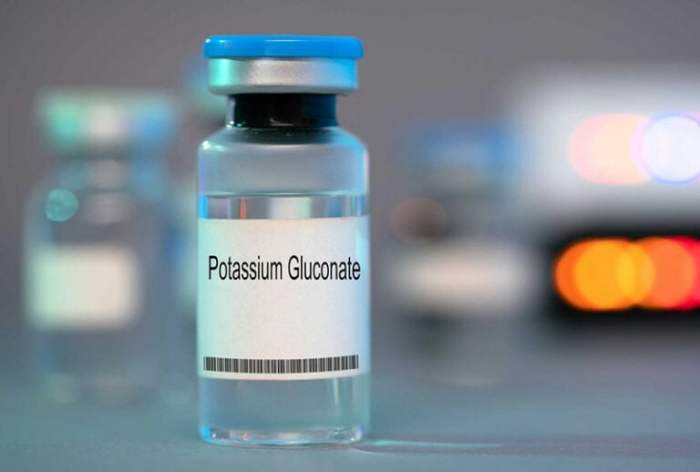
Source: hepper.com
Determining the appropriate potassium supplementation dosage is a complex process that shouldalways* be guided by a veterinarian. Dosage is typically based on the cat’s weight and the severity of the deficiency, as determined by blood tests. A general guideline might be 1-5 mg of potassium per pound of body weight daily, but this is just a starting point.Administering liquid potassium supplements can be tricky.
Try mixing it with a small amount of wet food or tuna juice to mask the taste. A syringe can be used to administer the liquid directly into the mouth, but be careful to avoid aspiration. For tablets or capsules, crush them into a fine powder and mix them thoroughly with your cat’s favorite wet food. Ensure your cat consumes the entire portion of food to receive the full dose.
Gradual dosage increases are essential to minimize potential side effects like gastrointestinal upset.
Potential Risks and Side Effects
While potassium supplementation is generally safe, potential side effects can occur. Gastrointestinal upset, such as vomiting or diarrhea, is the most common. In rare cases, excessive potassium supplementation can lead to hyperkalemia, a dangerous condition characterized by elevated potassium levels in the blood.Regular monitoring of potassium levels through blood tests is crucial during supplementation. Administering excessive potassium can be life-threatening, causing muscle weakness, paralysis, and cardiac arrest.
Recognizing signs of potassium toxicity, such as lethargy, muscle tremors, and difficulty breathing, is essential for prompt veterinary intervention.
Veterinary Consultation and Diagnosis
It’s absolutely crucial to consult a veterinarianbefore* administering any potassium supplements to your cat. Self-treating can be dangerous and may mask underlying health problems. A veterinarian will perform diagnostic tests, such as serum potassium levels and urinalysis, to determine if a deficiency exists and to identify the underlying cause.The veterinarian will then tailor the supplementation plan to your cat’s specific needs, taking into account their overall health, medical history, and any other medications they are taking.
Identifying the root cause of the potassium imbalance is paramount to ensuring long-term health and preventing recurrence.
Dietary Sources of Potassium for Cats
While supplementation is often necessary, incorporating potassium-rich foods into your cat’s diet can contribute to overall health. Here’s a list of cat-friendly options:* Lean meats (chicken, turkey, fish)
- Cooked sweet potatoes (in moderation)
- Spinach (cooked and pureed, in very small amounts)
- Bananas (a tiny piece, as a treat)
Relying solely on dietary sources to correct a potassium deficiency is often insufficient, especially in cats with underlying medical conditions. Incorporating these foods into your cat’s diet should be done safely and effectively, ensuring they are properly cooked and offered in moderation to avoid digestive upset. A balanced diet, even when supplementing with potassium, is essential for overall feline health.
Monitoring and Follow-Up
Regular veterinary check-ups and blood tests are vital to monitor potassium levels during supplementation. Dosage adjustments should be made based on blood test results, as determined by your veterinarian. At home, watch for changes in your cat’s appetite, energy levels, or behavior, which could indicate a problem. Weaning a cat off potassium supplements once the deficiency is corrected should be done gradually and under veterinary supervision.
Potassium and Specific Feline Conditions
Potassium supplementation plays a significant role in managing cats with kidney disease. As kidney function declines, cats often lose potassium, leading to electrolyte imbalances. Supplementation can help mitigate these imbalances and improve overall health. In cats with hyperaldosteronism, potassium supplements can help counteract the effects of excessive aldosterone, which promotes potassium excretion. Potassium supplementation may also be beneficial for cats recovering from certain gastrointestinal illnesses, helping to replenish depleted potassium stores.
It’s important to be aware of potential interactions between potassium supplements and other medications commonly prescribed for cats, and to discuss these with your veterinarian.
Illustrative Examples of Potassium Deficiency Cases
A 5-year-old domestic shorthair named Whiskers was diagnosed with potassium deficiency due to chronic vomiting caused by IBD. Diagnostic tests revealed a serum potassium level of 2.8 mEq/L (normal range: 3.5-5.5 mEq/L). The treatment plan involved administering potassium gluconate liquid twice daily, along with anti-inflammatory medication to manage the IBD. After several weeks of treatment and dietary adjustments, Whiskers’ potassium levels normalized, and his vomiting subsided.
A cat named Mittens was experiencing low potassium levels due to the diuretic medication prescribed for high blood pressure. The veterinarian adjusted the diuretic dosage and prescribed potassium citrate to compensate for the potassium loss. Regular monitoring of potassium levels ensured that Mittens’ blood pressure remained stable while maintaining healthy electrolyte balance.A senior cat named Jasper, suffering from kidney disease, required ongoing potassium supplementation to prevent electrolyte imbalances.
Careful monitoring of his blood work and gradual dosage adjustments were essential to maintain optimal potassium levels and manage his kidney disease effectively.A cat named Luna was initially placed on a restricted diet to address a suspected food allergy. However, the diet proved insufficient in providing adequate potassium, leading to a deficiency. Supplementation was added to the diet, and Luna’s potassium levels gradually returned to normal.
Outcome Summary
Navigating the world of potassium supplements for cats requires careful consideration and, most importantly, guidance from your veterinarian. While dietary adjustments and supplements can be beneficial, they should always be part of a comprehensive plan tailored to your cat’s individual needs. By understanding the role of potassium, recognizing potential imbalances, and working closely with your vet, you can help ensure your feline companion enjoys a long, healthy, and vibrant life.
Remember, proactive monitoring and open communication with your vet are key to success. Don’t hesitate to ask questions and address any concerns you may have. Your cat’s health is worth it!
FAQ Explained
Can I give my cat potassium supplements without a vet’s approval?
Absolutely not! Potassium supplementation can be tricky, and too much can be dangerous. Always consult your vet before starting any supplements to ensure it’s appropriate for your cat’s condition and to rule out underlying issues.
What are the most common signs of potassium deficiency in cats?
Look out for muscle weakness, lethargy, decreased appetite, vomiting, diarrhea, and abnormal heart rhythms. These can be subtle, so it’s important to be observant.
Are there any foods I can give my cat to boost their potassium levels?
Yes! Some cat-friendly options include cooked sweet potatoes, spinach (in moderation), broccoli, and lean meats like chicken and turkey. However, these may not be enough to correct a significant deficiency.
What’s the difference between potassium gluconate and potassium chloride?
Both are forms of potassium, but gluconate is generally considered gentler on the stomach and may be better tolerated by some cats. Chloride can sometimes be more readily absorbed.
How will my vet determine if my cat needs potassium supplements?
Your vet will likely perform a blood test to measure your cat’s serum potassium levels and may also recommend a urinalysis to assess kidney function and potassium excretion.
What should I do if I suspect my cat has potassium toxicity?
Contact your veterinarian or an emergency animal hospital immediately. Signs of toxicity can include severe muscle weakness, tremors, seizures, and heart problems.
Can potassium supplements interact with other medications my cat is taking?
Yes, it’s crucial to inform your vet of all medications and supplements your cat is receiving to avoid potential interactions. Some medications, like diuretics, can affect potassium levels.

