The allure of owning an exotic animal is undeniable, and for some, that fascination extends to the wild beauty of the bobcat. But bringing a creature so intrinsically linked to the wilderness into our homes is a complex undertaking, demanding serious consideration and a deep understanding of their needs. This guide dives into the realities of pet bobcat ownership, exploring everything from legalities and housing to diet, health, and the ethical implications of keeping a wild animal as a companion.
Historically, bobcats have held cultural significance for various indigenous groups, often representing cunning, adaptability, and a connection to the natural world. Today, the legal landscape surrounding their ownership is a patchwork of state and local laws, making it crucial to thoroughly research regulations before even considering bringing a bobcat into your life. We’ll break down these legal complexities and explore the challenges and rewards of providing a suitable life for these fascinating felines.
Introduction to Pet Bobcats
Keeping a bobcat as a companion animal is a significant undertaking, far removed from the responsibilities of owning a domestic cat or dog. It requires a deep understanding of their complex needs, a substantial commitment of time and resources, and a careful consideration of legal and ethical implications. This isn’t a decision to be taken lightly. Bobcats are wild animals, retaining their instincts and behaviors even when captive-bred.
This article aims to provide a comprehensive overview of what’s involved in considering, and potentially caring for, a bobcat.Historically, bobcats have held varied cultural significance across different regions. Native American tribes often revered them as symbols of cunning, stealth, and strength, incorporating them into stories, ceremonies, and artwork. European settlers, however, often viewed them as pests due to their predation on livestock.
This duality reflects the bobcat’s complex role in both human culture and the ecosystem. Today, their image is often romanticized, but the reality of their care is far more demanding.The legal landscape surrounding bobcat ownership is incredibly complex and varies dramatically. Many states outright prohibit private ownership, while others require permits or licenses. Local ordinances can further restrict or ban bobcat keeping.
It’s crucial to thoroughly research and comply with all applicable lawsbefore* even considering acquiring a bobcat. Failure to do so can result in hefty fines, confiscation of the animal, and even legal prosecution.
| Region | Legality | Restrictions |
|---|---|---|
| California | Prohibited | Strict ban on private ownership of native wildlife, including bobcats. |
| Texas | Legal with Permit | Requires a permit from the Texas Parks and Wildlife Department. Restrictions on breeding and sale. |
| Florida | Legal with Permit | Requires a permit and specific enclosure requirements. Restrictions on releasing bobcats into the wild. |
| New York | Prohibited | Generally prohibited, with limited exceptions for licensed wildlife rehabilitators. |
| Montana | Legal | No permit required, but owners are responsible for ensuring the animal’s safety and preventing escapes. |
Bobcat Behavior and Temperament
Wild bobcats are solitary and crepuscular animals, meaning they are most active during dawn and dusk. Their hunting strategies are primarily ambush-based, relying on stealth and patience to stalk prey like rodents, rabbits, and birds. Social interactions are limited to mating season and mother-offspring relationships. Territorial marking, using scent glands and scratching, is crucial for communication and establishing boundaries.Captive-bred bobcats can exhibit modified behaviors compared to their wild counterparts.
While they retain many natural instincts, early socialization can influence their temperament and reduce aggression. However, it’s important to remember that they arenot* domesticated animals. Even well-socialized bobcats can display unpredictable behavior, especially when stressed or feeling threatened. The inherent wildness remains.A bobcat’s temperament is influenced by a combination of factors. Early socialization during the critical period of kittenhood (roughly 2-8 weeks) is paramount.
Individual personality also plays a significant role; some bobcats are naturally more docile and tolerant than others. Genetics, health, and the overall environment also contribute to their behavior. A stressed or unwell bobcat is more likely to exhibit negative behaviors.Here’s a breakdown of potential behavioral challenges that may arise in a pet bobcat setting:
- Scratching: Bobcats have a natural urge to scratch, which can damage furniture and other belongings. Providing appropriate scratching posts and surfaces is essential.
- Spraying: Similar to cats, bobcats may spray urine to mark their territory. This behavior can be reduced through proper enrichment and stress management.
- Aggression: Bobcats can exhibit aggression towards humans or other animals, particularly if they feel threatened or are protecting their territory.
- Destructive Behavior: Boredom and lack of stimulation can lead to destructive behaviors like chewing and digging.
- Excessive Vocalization: Bobcats can be quite vocal, producing a variety of sounds, some of which can be disruptive.
Housing and Enclosure Requirements
Designing a suitable enclosure for a pet bobcat requires careful planning and a significant investment. The enclosure should be large enough to allow for natural behaviors like running, climbing, and exploring. A minimum size of 200 square feet is recommended, with ideally much more space available. The enclosure should be constructed of sturdy materials like heavy-gauge chain-link fencing, reinforced concrete, or wood with a protective coating to prevent chewing.
The height should be at least 10 feet to prevent escapes.A secure and stimulating environment is crucial for preventing boredom and stress. The enclosure should include a variety of enrichment features, such as climbing structures (large logs, platforms), digging areas (sand or soil), and hiding places (dens, tunnels). Regularly rotating enrichment items can help keep the bobcat engaged and prevent habituation.Climate control is essential, particularly in regions with extreme temperatures.
Bobcats are adapted to a range of climates, but prolonged exposure to extreme heat or cold can be detrimental to their health. Shade structures, heating lamps, and insulated shelters can help regulate the temperature within the enclosure. Humidity control may also be necessary in some climates.
| Item | Purpose | Material | Estimated Cost |
|---|---|---|---|
| Chain-Link Fencing | Secure perimeter | Heavy-gauge galvanized steel | $500 – $2000+ (depending on size) |
| Climbing Structure | Exercise, enrichment | Treated lumber, natural logs | $100 – $500 |
| Den/Shelter | Protection from weather, resting | Wood, concrete, or insulated structure | $200 – $1000 |
| Substrate (Digging Area) | Natural behavior, enrichment | Sand, soil, gravel | $50 – $200 |
Sketch Description: Imagine a large, rectangular enclosure surrounded by 10-foot-high chain-link fencing. Within the enclosure, a large, sturdy climbing structure made of treated lumber and natural logs dominates one corner. A partially buried den constructed of concrete provides a sheltered resting area. A designated digging area filled with sand is located near the center. Various platforms and branches are strategically placed to encourage climbing and exploration.
The entire enclosure is shaded by a large canopy to protect from direct sunlight.
Diet and Nutrition
The ideal diet for a pet bobcat closely mimics what they would consume in the wild: a high-protein diet consisting primarily of meat, bones, and organs. Muscle meat should make up the bulk of the diet (around 70%), followed by bones (15-20%) for calcium and dental health, and organs (10-15%) for essential vitamins and minerals. Commercial raw food diets formulated for carnivores can be a convenient option, but it’s crucial to ensure they meet the bobcat’s specific nutritional needs.Replicating a wild bobcat’s diet in a domestic setting presents several challenges.
Wild bobcats consume a variety of prey animals, each with a unique nutritional profile. Supplementing the diet with appropriate vitamins and minerals is essential to prevent deficiencies. It’s also important to avoid feeding processed foods or table scraps, which can be harmful to their health.Here’s a sample weekly meal plan for a pet bobcat (adjust portion sizes based on the individual animal’s needs and activity level):
- Monday: 2 lbs raw rabbit (muscle meat, bones, organs)
- Tuesday: 1.5 lbs raw chicken (muscle meat, bones) + 1/4 lb beef liver
- Wednesday: 2 lbs raw quail (muscle meat, bones, organs)
- Thursday: 1.5 lbs raw turkey (muscle meat, bones) + 1/4 lb beef heart
- Friday: 2 lbs raw duck (muscle meat, bones, organs)
- Saturday: 1.5 lbs raw venison (muscle meat, bones) + 1/4 lb kidney
- Sunday: 2 lbs raw rat (muscle meat, bones, organs) –
-ensure sourced from a reputable supplier to avoid parasites*
Fresh, clean water should always be available. A daily multivitamin and mineral supplement specifically formulated for carnivores is highly recommended to ensure they receive all the necessary nutrients.
Health and Veterinary Care
Bobcats, both wild and captive, are susceptible to a range of health concerns, including parasitic infections (worms, fleas, ticks), respiratory illnesses, and dental problems. Feline leukemia virus (FeLV) and feline immunodeficiency virus (FIV) are also potential concerns, although less common in bobcats than in domestic cats. Regular health checks and preventative care are crucial for maintaining their well-being.Preventative veterinary care should include annual vaccinations (as recommended by a veterinarian experienced with exotic animals), regular deworming, and parasite control.
Dental care is also important, as bobcats are prone to dental disease. A fecal examination should be performed regularly to check for intestinal parasites.Finding a veterinarian experienced with exotic animals like bobcats can be challenging. It’s essential to locate a veterinarian who is knowledgeable about bobcat anatomy, physiology, and disease processesbefore* acquiring a bobcat. Referrals from other exotic animal owners or wildlife rehabilitators can be helpful.
Bobcat Medical Emergency Flowchart:
1. Assess the Situation
Is the bobcat injured, showing signs of illness (lethargy, loss of appetite, vomiting, diarrhea), or exhibiting unusual behavior?
2. Containment
Secure the bobcat in a safe and secure enclosure to prevent further injury to itself or others.
3. Contact Veterinarian
Immediately contact your veterinarian or an emergency veterinary clinic experienced with exotic animals.
4. Transport
Carefully transport the bobcat to the veterinary clinic, minimizing stress and potential for injury. Use a secure carrier or crate.
5. Provide Information
Provide the veterinarian with a detailed history of the bobcat’s condition, including any recent changes in behavior or diet.
Enrichment and Training
Providing mental and physical stimulation is essential for preventing boredom and behavioral problems in pet bobcats. Enrichment activities should mimic their natural behaviors, such as hunting, exploring, and climbing. Puzzle feeders that require the bobcat to work for their food can provide mental stimulation. Scent trails, created by scattering food or treats throughout the enclosure, can encourage exploration and foraging.Training a bobcat using positive reinforcement techniques is feasible, but it requires patience, consistency, and a deep understanding of their behavior.
Rewards, such as food treats or verbal praise, can be used to reinforce desired behaviors. However, it’s important to avoid punishment, which can damage the relationship and lead to aggression. Ethical considerations are paramount; training should enhance the bobcat’s well-being, not exploit it.Specific enrichment activities include:
- Puzzle Feeders: Dispense food in a challenging way, requiring the bobcat to solve a puzzle.
- Scent Trails: Scatter food or treats throughout the enclosure to encourage exploration.
- Climbing Structures: Provide opportunities for climbing and perching.
- Digging Areas: Offer a designated area for digging and burying.
- Novel Objects: Introduce new objects into the enclosure regularly to stimulate curiosity.
Suitable toys for a bobcat include:
- Chew Toys: Durable rubber toys, antlers, or bones.
- Interactive Toys: Toys that require the bobcat to manipulate them to release treats.
- Climbing Toys: Ropes, platforms, and branches.
- Catnip Toys: Some bobcats respond to catnip, although not all.
- Large Balls: For chasing and batting.
Safety Considerations for Owners and the Public
Keeping a bobcat as a pet poses inherent risks, including bites, scratches, and potential disease transmission (though the risk of zoonotic diseases is generally low). Bobcats are powerful animals with sharp claws and teeth, and even a well-socialized bobcat can inflict injury if provoked or startled.Safety protocols for interacting with a bobcat should emphasize respecting its boundaries. Avoid direct eye contact, which can be perceived as a challenge.
Never approach a bobcat when it is eating, sleeping, or caring for young. Always supervise interactions between the bobcat and children or other pets.Owners have a responsibility to ensure the safety of their neighbors and the community. The enclosure must be secure and escape-proof. Neighbors should be informed about the presence of a bobcat and provided with safety guidelines.
In case of a bobcat escape: Immediately secure all pets and children indoors. Do not approach the bobcat. Contact your local animal control or wildlife authorities. Monitor the bobcat’s movements from a safe distance and provide authorities with accurate location information. Do not attempt to capture the bobcat yourself.
Ethical Considerations and Conservation
Keeping a wild animal like a bobcat as a pet raises significant ethical concerns. Bobcats are not domesticated animals and have complex needs that are difficult to meet in a domestic setting. Removing them from their natural habitat can disrupt ecosystems and contribute to population declines.The pet bobcat trade can have a negative impact on wild bobcat populations and their habitats.
Demand for pet bobcats can fuel illegal trapping and poaching. Furthermore, captive breeding programs can sometimes prioritize profit over animal welfare.Individuals can support bobcat conservation efforts by donating to reputable wildlife organizations, advocating for stronger wildlife protection laws, and educating others about the importance of preserving bobcat habitats.
| Aspect | Pros (Pet Ownership) | Cons (Pet Ownership) |
|---|---|---|
| Animal Welfare | Potential for individualized care and enrichment (if done properly) | Difficulty meeting complex needs, potential for stress and behavioral problems, inherent wildness |
| Conservation | Captive breeding programs
|
Fueling illegal trade, disrupting ecosystems, potential for escaped animals to impact wild populations |
Sourcing and Acquisition
Source: animalgator.com
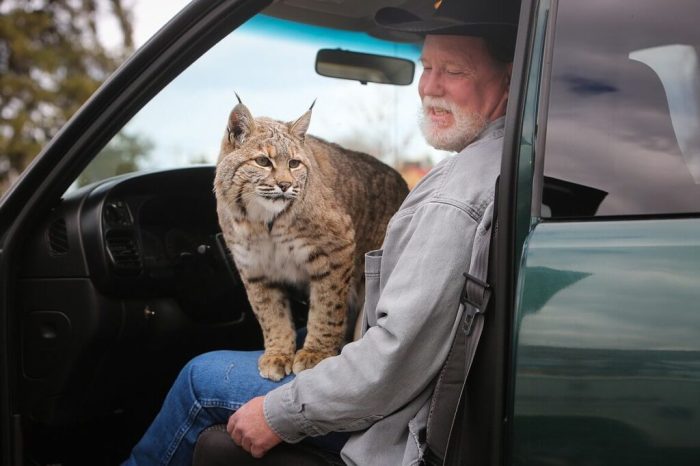
Individuals might acquire a bobcat from captive breeders, rescue organizations, or, less ethically, through illegal channels. Captive breeders vary greatly in their practices; some prioritize animal welfare and genetic diversity, while others focus solely on profit. Rescue organizations often provide a more ethical option, as they rehabilitate and rehome bobcats that have been orphaned or injured.Verifying the legality and ethical sourcing of a bobcat is crucial.
Obtain documentation proving the animal’s legal origin and ensure the breeder or rescue organization adheres to ethical breeding practices. Visit the facility to observe the conditions in which the bobcats are kept and interact with the animals.Acquiring a bobcat from an unreliable source can pose significant risks. The animal may be unhealthy, poorly socialized, or illegally obtained.
It may also be more prone to behavioral problems. Checklist for Evaluating a Potential Bobcat Breeder or Rescue Organization:
- Legality: Verify that the breeder or organization has all the necessary permits and licenses.
- Animal Welfare: Observe the conditions in which the bobcats are kept. Are they clean, spacious, and enriched?
- Socialization: Ask about the breeder’s or organization’s socialization practices.
- Health Records: Request to see the bobcat’s health records, including vaccination and parasite control history.
- Transparency: Is the breeder or organization willing to answer your questions and provide information about their practices?
Daily Care Routine
A comprehensive daily care routine for a pet bobcat includes feeding, cleaning, enrichment, and observation. Feeding should consist of a carefully measured portion of a balanced diet, supplemented with vitamins and minerals. The enclosure should be cleaned daily to remove waste and maintain hygiene. Enrichment activities should be provided throughout the day to prevent boredom and stimulate natural behaviors.Properly caring for a bobcat requires a significant time commitment and resources.
Daily care can easily take several hours, and the cost of food, veterinary care, and enclosure maintenance can be substantial. It’s essential to be realistic about the demands of bobcat ownership before acquiring one.Tips for maintaining a healthy and positive relationship with a pet bobcat include:
- Consistency: Establish a consistent routine for feeding, cleaning, and enrichment.
- Respect Boundaries: Recognize and respect the bobcat’s need for space and solitude.
- Positive Reinforcement: Use positive reinforcement techniques to encourage desired behaviors.
- Observation: Pay close attention to the bobcat’s behavior and health, and seek veterinary care promptly if any concerns arise.
Typical Day in the Life of a Pet Bobcat and Owner:
- 6:00 AM: Feeding and enclosure cleaning.
- 7:00 AM – 12:00 PM: Enrichment activities (puzzle feeders, scent trails, climbing).
- 12:00 PM: Observation and health check.
- 1:00 PM – 5:00 PM: Rest and quiet time.
- 5:00 PM: Feeding and interaction.
- 6:00 PM – 9:00 PM: Enrichment activities (interactive toys, climbing).
- 9:00 PM: Final observation and secure enclosure for the night.
Final Wrap-Up
Ultimately, deciding to keep a pet bobcat is a monumental responsibility, one that shouldn’t be taken lightly. It requires a significant investment of time, resources, and a genuine commitment to providing a stimulating and secure environment that mimics, as closely as possible, their natural habitat. While the idea of sharing your life with a bobcat might seem romantic, understanding the ethical considerations, conservation impact, and the sheer dedication required is paramount to ensuring the well-being of both the animal and the community.
This guide has aimed to provide a comprehensive overview, but ongoing research and consultation with experts are essential for anyone considering this unique and challenging path. The future of bobcat conservation depends on responsible pet ownership and a commitment to protecting these magnificent creatures in the wild.
Top FAQs
What are the biggest legal hurdles to owning a bobcat?
Laws vary drastically. Some states outright prohibit bobcat ownership, while others require permits, specific enclosures, and proof of experience. Local ordinances can add further restrictions, so thorough research is essential.
Can a captive-bred bobcat be truly domesticated?
While captive-bred bobcats may be less fearful of humans, they retain their wild instincts and are not truly domesticated. They require specialized care and understanding, and their behavior can be unpredictable.
What kind of enclosure is absolutely necessary for a pet bobcat?
A large, secure enclosure is vital – think at least 500 square feet, with height for climbing. It needs a robust fence (buried deep to prevent digging), a climate-controlled shelter, and plenty of enrichment like climbing structures, scratching posts, and hiding places.
What if my bobcat starts exhibiting aggressive behavior?
Aggression can stem from stress, boredom, or improper handling. Consulting with an experienced exotic animal behaviorist is crucial. Never attempt to handle an aggressive bobcat without professional guidance.
How do I find a veterinarian who can treat a bobcat?
Finding a vet experienced with exotic animals can be challenging. Start by contacting local zoos, wildlife sanctuaries, or exotic animal rescue organizations for referrals. Be prepared to travel for specialized care.
What are the ethical concerns surrounding pet bobcat ownership?
Removing bobcats from their natural habitat, even if captive-bred, can contribute to the demand for wild-caught animals. It also raises concerns about animal welfare and the ability to truly meet their complex needs in a domestic setting.
What should I do if my pet bobcat escapes?
Immediately contact local animal control and law enforcement. Secure the area, warn neighbors, and avoid approaching the bobcat. Do not attempt to recapture it yourself – leave that to trained professionals.

