Let’s face it, keeping a litter box clean and odor-free can feel like a never-ending battle. But what if there was a better way? Enter cat crystal litter, a relatively modern innovation in the world of feline waste management. From its humble beginnings as an industrial absorbent, silica gel has transformed into a popular choice for cat owners seeking a low-dust, odor-controlling alternative to traditional clay litter.
This guide will explore everything you need to know about crystal litter, from its science and benefits to potential drawbacks and how to make the switch for your furry friend.
We’ll journey through the history of cat litter, understanding how crystal varieties emerged. We’ll break down the fascinating science behind how these tiny crystals work, absorbing moisture and neutralizing odors. Plus, we’ll compare crystal litter to other options, weigh the environmental impact, and offer practical tips for a happy cat and a cleaner home. Whether you’re a seasoned cat parent or just starting out, this is your comprehensive resource for understanding the world of cat crystal litter.
Introduction to Cat Crystal Litter
Let’s be honest, dealing with cat waste isn’t exactly a glamorous task. For years, we’ve been stuck with dusty clay litter that clumps, tracks everywhere, and doesn’t always do a great job of controlling odors. But thankfully, things have evolved! Crystal litter, also known as silica gel litter, has emerged as a popular alternative, promising a cleaner, more efficient, and potentially more eco-friendly way to manage your feline friend’s bathroom habits.
This guide will dive deep into everything you need to know about crystal litter, from its history to its future.
The story of cat litter is a surprisingly interesting one. Back in the early 1940s, Edward Lowe, a Michigan businessman, noticed that his neighbor was using sand to contain her cat’s waste. Recognizing a need for a better solution, Lowe packaged and sold clay granules as “Kitty Litter,” revolutionizing cat care. For decades, clay litter reigned supreme, with variations like clumping clay emerging to improve convenience.
Wood-based litters also gained traction, offering a more natural option. However, these traditional litters often came with drawbacks – dust, tracking, odor issues, and environmental concerns. Crystal litter entered the scene in the late 1990s, offering a fundamentally different approach based on the absorbent properties of silica gel.
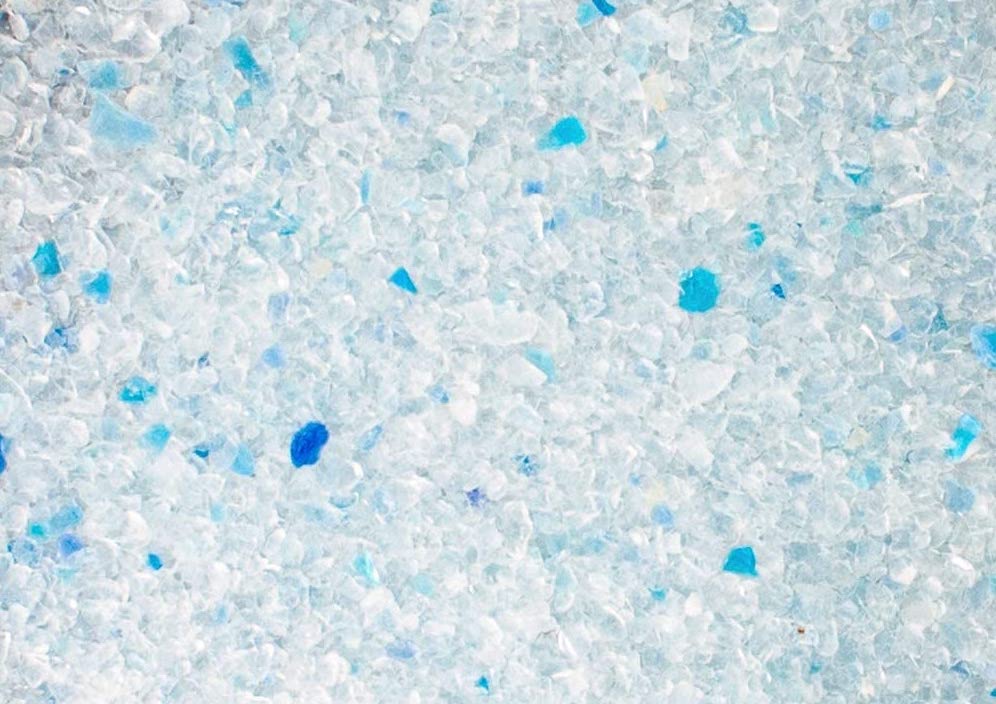
At its core, crystal litter is made from amorphous silica gel, a form of silicon dioxide. It’s manufactured through a process where sodium silicate is reacted with silicon dioxide, resulting in tiny, porous beads. These beads are then dried and processed to create the familiar crystal-like appearance. The manufacturing process is relatively energy-intensive, but the resulting product boasts impressive absorption capabilities.
Compared to traditional clay litter, crystal litter stands out immediately. Clay is heavy, dusty, and doesn’t absorb moisture as effectively. Clumping clay forms solid clumps, which can be messy to scoop. Wood-based litters are more natural but can be less effective at odor control. Crystal litter, on the other hand, is lightweight, low-dust, and highly absorbent.
It doesn’t clump in the same way as clay, but instead absorbs liquid and dries out, concentrating waste into hard clumps that can be easily removed.
| Category | Crystal Litter | Clay Litter |
|---|---|---|
| Resource Depletion | Silicon mining (moderate impact) | Clay mining (moderate impact) |
| Waste Generation | Non-biodegradable, landfill waste | Non-biodegradable, landfill waste |
| Biodegradability | Not biodegradable | Not biodegradable |
How Crystal Litter Works: Absorption & Deodorization
The magic of crystal litter lies in its incredible ability to absorb moisture. Silica gel crystals are incredibly porous – think of them as tiny sponges with a massive surface area. When liquid waste comes into contact with the crystals, the silica gel draws the moisture in through capillary action. This process doesn’t just soak up the liquid; it actually binds it within the crystal structure, preventing it from spreading and creating a damp environment.
Odor control is another key benefit of crystal litter. The science behind it is twofold. First, the rapid absorption of urine prevents the development of ammonia, a primary culprit in cat litter odors. Second, many crystal litters contain activated carbon, which acts as an odor neutralizer. Activated carbon has a vast surface area with countless tiny pores that trap and absorb odor molecules, effectively eliminating smells rather than just masking them.
Let’s walk through the process step-by-step. First, your cat urinates in the litter box. The urine immediately comes into contact with the silica gel crystals. The crystals begin to draw the moisture in, visibly darkening in color as they absorb the liquid. As the moisture is absorbed, the crystals dry out, creating a relatively dry environment.
Solid waste sits on top of the crystals, and as the crystals continue to absorb any moisture from the solid waste, it dries out as well. Regular scooping removes the concentrated waste and any darkened crystals, maintaining a clean and odor-free litter box.
Imagine a single silica gel crystal. It’s not just a solid bead; it’s a complex network of interconnected pores. These pores are incredibly small, but collectively, they create a massive surface area. When urine comes into contact with the crystal, the liquid is drawn into these pores through capillary action. The pores trap the liquid, preventing it from escaping and contributing to odors.
The crystal itself remains relatively dry to the touch, thanks to the efficient absorption process. The structure resembles a miniature honeycomb, with countless tiny chambers holding the absorbed moisture.
Types of Crystal Litter Available
The crystal litter market has exploded in recent years, with a wide variety of brands and formulations vying for your attention. Some popular brands include PrettyLitter, Fresh Step Crystals, Arm & Hammer Clump & Seal Crystals, and Purina Yesterday’s News Crystals. Each brand often offers different variations within its product line, catering to specific needs and preferences.
You’ll notice that crystal litter comes in various sizes and colors. Smaller crystals tend to be preferred by cats with sensitive paws, while larger crystals may be better at trapping larger clumps of waste. Color variations are primarily aesthetic, but some brands use color-changing crystals to indicate potential health issues in your cat’s urine (e.g., changes in pH or the presence of blood).
These color-changing features can be a helpful tool for monitoring your cat’s health, but it’s important to remember that they are not a substitute for regular veterinary checkups.
When comparing premium and budget crystal litter options, the main differences lie in the quality of the silica gel and the inclusion of additional ingredients. Premium litters often boast higher absorption rates, superior odor control (thanks to a higher concentration of activated carbon), and may contain added fragrances or dust-suppressing agents. Budget options typically use lower-grade silica gel and may have a shorter lifespan or less effective odor control.
However, it’s not always the case that more expensive equals better – some budget options can perform surprisingly well.
| Brand | Price per Pound (approx.) | Absorption Rate (Estimated) | Odor Control Rating (1-5) | Customer Reviews (Average) |
|---|---|---|---|---|
| PrettyLitter | $0.80 – $1.20 | 90% | 4.5 | 4.6/5 |
| Fresh Step Crystals | $0.50 – $0.70 | 80% | 4.0 | 4.2/5 |
| Arm & Hammer Clump & Seal Crystals | $0.40 – $0.60 | 75% | 3.5 | 3.9/5 |
| Purina Yesterday’s News Crystals | $0.30 – $0.50 | 70% | 3.0 | 3.7/5 |
| IM360 Crystal Litter | $0.70 – $1.00 | 85% | 4.2 | 4.4/5 |
Litter Box Considerations for Crystal Litter
Choosing the right litter box is crucial for maximizing the benefits of crystal litter. A larger litter box is generally recommended, as it provides more surface area for the crystals to absorb moisture and control odors. Boxes at least 20 inches by 30 inches are a good starting point. Open-top litter boxes are typically preferred, as they allow for better ventilation and prevent the buildup of odors.
Ventilation is key when using crystal litter. Proper airflow helps to dry out the crystals, maintaining their absorption capacity and minimizing odors. Place the litter box in a well-ventilated area, away from drafts but with adequate air circulation. Avoid enclosed litter boxes, as they can trap odors and moisture.
Layering crystal litter correctly can optimize its performance. A general guideline is to start with a 2-3 inch layer of crystals. This depth provides sufficient surface area for absorption and allows for the formation of concentrated waste clumps. Adding a thin layer of crystals on top of the existing layer can help to further control odors and maintain a clean appearance.
Cleaning a crystal litter box is relatively straightforward. Daily scooping is essential to remove solid waste and any darkened crystals. Instead of completely replacing the litter, you can use a sifting litter box to remove the waste and redistribute the clean crystals. Every few weeks, or when the litter box appears significantly depleted, you may need to add fresh crystals to maintain optimal performance.
For a deeper clean, empty the entire litter box, wash it with mild soap and water, and refill with fresh crystals.
Outcome Summary
Source: shopify.com
Ultimately, choosing the right cat litter is a personal decision, influenced by your cat’s preferences, your budget, and your environmental concerns. Crystal litter offers a compelling combination of odor control, low dust, and long-lasting performance, but it’s not without its considerations. By understanding the pros and cons, and by following our tips for transitioning and troubleshooting, you can create a comfortable and hygienic litter box environment for your feline companion.
The future of cat litter technology is exciting, and crystal litter is definitely a key player in that evolution, promising even more innovative solutions for cat owners in the years to come.
Question & Answer Hub
Can I flush crystal litter down the toilet?
No, absolutely not. While crystal litter is absorbent, it doesn’t break down easily and can cause serious plumbing problems and damage to septic systems. Always dispose of used litter in the trash.
How often do I need to scoop crystal litter?
Unlike clumping litter, you don’t scoop crystal litter daily. Instead, you stir it regularly (every 1-2 days) to redistribute the crystals and expose fresh surfaces. You’ll typically need to completely replace the litter every 2-4 weeks, depending on the number of cats and their usage.
Why is my cat kicking crystal litter out of the box?
This can be due to several factors, including the crystal size (some cats dislike larger crystals), the litter box type (a high-sided box can help), or simply a preference for a different texture. Try a different brand with smaller crystals or a different litter box style.
Does crystal litter track as much as clay litter?
Generally, crystal litter tracks less than clay litter because the crystals are larger and heavier. However, some tracking can still occur, especially with smaller crystal sizes. Using a litter mat can help minimize this.
Is crystal litter safe if my kitten ingests a little?
While silica gel is non-toxic, ingestion can still cause digestive upset. It’s best to discourage kittens from playing with or eating the litter. Monitor your kitten closely and consult a vet if you suspect they’ve ingested a significant amount.
Can I use crystal litter in a self-cleaning litter box?
It depends on the specific self-cleaning litter box model. Some are designed to work with crystal litter, while others are not. Check the manufacturer’s instructions before using crystal litter in an automatic litter box.

