More and more cat owners are discovering the joys of taking their feline friends outdoors! It’s a fascinating shift – for years, cats were primarily indoor companions, but now we’re seeing a surge in interest in leash training and supervised outdoor exploration. Statistics show a significant rise in cat harness sales, and anecdotal evidence from online communities is brimming with stories of adventurous kitties enjoying fresh air and sunshine.
This growing trend highlights the importance of outdoor enrichment for indoor cats, providing mental stimulation and physical exercise that can significantly improve their overall well-being. But before you clip on a leash, choosing the right cat leash and harness is crucial for both safety and comfort.
This guide will walk you through everything you need to know, from understanding the different types of leashes and harnesses available to ensuring a secure and comfortable fit for your furry friend. We’ll cover materials, features, safety precautions, and even offer recommendations based on your cat’s unique personality. Let’s dive in and explore how to safely introduce your cat to the great outdoors!
The Growing Trend of Walking Cats
For years, walking a dog was the norm. But lately, something’s shifted. More and more cat owners are venturing out with their feline companions, and it’s not just a fleeting fad. The rise in popularity of walking cats is driven by a deeper understanding of feline needs and a desire to enrich their lives beyond the confines of our homes.
We’re seeing a surge in online communities dedicated to cat walking, with owners sharing tips, tricks, and adorable photos of their adventurous kitties. A recent survey by the American Association of Feline Practitioners (AAFP) indicated a 30% increase in cat owners expressing interest in outdoor enrichment activities over the past five years. Anecdotally, pet stores are reporting a significant uptick in leash and harness sales, and social media is flooded with images of cats confidently exploring the great outdoors.
Ultimately, walking cats isn’t just about exercise; it’s about providing mental stimulation, reducing boredom, and strengthening the bond between you and your furry friend. Before you clip on a leash, though, it’s important to consider the right equipment. Choosing a suitable leash and harness is crucial for both your cat’s safety and comfort.
Types of Cat Leashes & Harnesses: A Comprehensive Overview
The market offers a surprising variety of leashes and harnesses designed specifically for cats. Understanding the differences between these options is key to finding the perfect fit for your feline’s personality and lifestyle. Leashes come in several forms, each with its own advantages and disadvantages. Harnesses, too, boast diverse designs, catering to different cat body types and preferences. Let’s break down the options.
- Standard Leashes: These are your classic, six-foot nylon or rope leashes. They offer good control and are readily available.
- Retractable Leashes: These allow for adjustable leash length, providing cats with more freedom to explore. However, they can be less secure and offer less control, especially with a determined escape artist.
- Bungee Leashes: Featuring an elastic section, bungee leashes absorb sudden pulls, reducing strain on both you and your cat. They’re a good choice for cats who tend to lunge.
- Hands-Free Leashes: Designed to be worn around your waist or shoulder, these leashes free up your hands for other tasks. They’re ideal for hiking or jogging with your cat.
- Vest Harnesses: These cover a large portion of the cat’s chest, providing a secure and comfortable fit. They’re often a good choice for cats who are prone to slipping out of other harness types.
- Figure-8 Harnesses: These harnesses consist of two loops that pass around the cat’s chest and neck. While lightweight, they can be less secure and may cause discomfort if not properly fitted.
- H-Style Harnesses: These harnesses feature straps that form an “H” shape around the cat’s body. They offer a good balance of security and comfort.
- Step-In Harnesses: These harnesses are designed to be stepped into by the cat. They’re easy to put on and take off but may not be suitable for all cats.
| Type | Pros | Cons | Best For |
|---|---|---|---|
| Standard | Good control, readily available, affordable | Limited length, can be restrictive | Beginners, cats who don’t pull |
| Retractable | Adjustable length, allows for exploration | Less control, potential safety hazards | Confident cats, larger areas |
| Bungee | Reduces strain, absorbs sudden pulls | Can be bulky, may not be suitable for all cats | Cats who lunge, active cats |
| Hands-Free | Frees up hands, ideal for activities | Less control, may not be suitable for all environments | Hiking, jogging, active owners |
Materials play a crucial role in the quality and safety of leashes and harnesses. Nylon is a popular choice due to its durability and affordability. Rope leashes offer a classic look and good grip. Leather is known for its strength and longevity but requires more maintenance. Neoprene provides cushioning and is often used in vest harnesses for added comfort.
Harness Design Deep Dive: Safety and Comfort
A properly fitted harness is paramount for a cat’s safety and comfort during walks. A loose harness can chafe and irritate the skin, while a too-tight harness can restrict movement and even cause breathing difficulties. Potential hazards associated with poorly designed harnesses include choking, escape, and injury. The harness should allow for a full range of motion without putting pressure on the cat’s neck or spine.
To ensure a proper fit, measure your cat’s chest girth (around the widest part of the chest) and neck circumference. Compare these measurements to the manufacturer’s sizing chart. The harness should be snug but not tight, allowing you to slide two fingers comfortably between the harness and your cat’s body.
Visual Guide for Harness Placement: Imagine a diagram of a cat. The harness should sit high on the chest, just behind the front legs. The straps should be adjusted so that they don’t rub against the armpits. The back strap should follow the natural curve of the spine. The neck strap should be loose enough to allow for comfortable head movement but not so loose that the cat can slip out.
Key adjustment points are the chest strap, the neck strap, and the back strap. Regularly check these adjustments throughout the walk.
Leash Materials & Features: Durability and Control
The strength and durability of a leash are essential for keeping your cat safe. Nylon leashes are generally strong and resistant to abrasion. Rope leashes offer good grip but may be less durable than nylon. Leather leashes are incredibly strong but require regular conditioning to prevent cracking. Features that enhance control include padded handles for comfort, shock absorbers to reduce strain, and reflective stitching for visibility in low-light conditions.
Leash length should be appropriate for the environment. A shorter leash (4-6 feet) is ideal for busy city streets, while a longer leash (10-16 feet) may be suitable for hiking trails or large, enclosed yards.
| Material | Strength Rating | Weather Resistance | Cleaning |
|---|---|---|---|
| Nylon | High | Good | Easy – machine washable |
| Rope | Medium | Fair | Moderate – spot clean |
| Leather | Very High | Poor (requires conditioning) | Difficult – professional cleaning recommended |
Conclusion
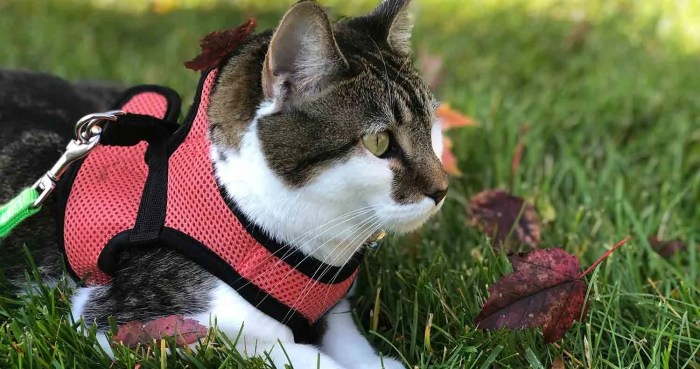
Source: welovecatsandkittens.com
Ultimately, finding the best cat leash and harness is about prioritizing your cat’s safety and comfort while providing them with enriching outdoor experiences. We’ve explored a wide range of options, from durable materials and secure designs to specialized harnesses for cats with specific needs. Remember that gradual introduction and consistent training are key to a positive experience. By carefully considering your cat’s personality, choosing the right gear, and following safety precautions, you can unlock a whole new world of adventure for your feline companion – and create some unforgettable memories along the way!
So, whether you have a timid tabby or an adventurous explorer, with the right knowledge and preparation, you can confidently embark on safe and enjoyable walks with your beloved cat.
FAQ
How long should a cat leash be?
Generally, a 4-6 foot leash is a good starting point. Shorter leashes (4 feet) offer more control, while longer leashes (6 feet) allow for a bit more freedom to explore. Consider the environment – shorter leashes are better for crowded areas, while longer ones are suitable for larger, open spaces.
Can I use a dog harness for my cat?
While some smaller dog harnesses
-might* fit, it’s generally not recommended. Cat harnesses are designed specifically for a cat’s anatomy, with narrower straps and different attachment points. Dog harnesses often have bulky features that can be uncomfortable or even dangerous for a cat.
What if my cat hates wearing a harness?
Patience is key! Start by letting your cat sniff and investigate the harness. Reward them with treats and praise for simply being near it. Gradually introduce the harness for short periods, increasing the duration as they become more comfortable. Never force them to wear it.
How often should I check the harness during a walk?
Check the harness frequently – every 15-20 minutes is a good rule of thumb. Ensure the straps are still snug but not too tight, and look for any signs of chafing or discomfort. A quick check can prevent escapes and injuries.
Are retractable leashes safe for cats?
Retractable leashes can be risky for cats. They offer less control and can easily tangle, potentially leading to injury. Standard leashes are generally a safer option, especially for beginners.
What signs indicate my cat is stressed during a walk?
Look for signs like flattened ears, dilated pupils, excessive panting, a tucked tail, hissing, or attempts to bolt. If you notice any of these, immediately end the walk and reassess your approach.

