Finding the Best Smelling Cat Litter for a Happy Home

Let’s be honest, nobody enjoys the lingering aroma of a cat litter box. It’s a common frustration for cat owners, and a source of stress for both humans and our feline friends. But what if you could actuallyenjoy* the scent around your cat’s bathroom? A pleasant-smelling litter isn’t just about masking odors; it can contribute to a happier cat (less stress!) and a more comfortable home for everyone.
Studies show that a significant percentage of cat owners (around 70%) are actively concerned about litter box odor, and are constantly searching for solutions. Cats can even be affected by strong smells, sometimes leading to avoidance of the litter box or, worse, inappropriate spraying. Here’s a breakdown of how to tackle this issue head-on. | Odor Intensity | Cat Behavior | Potential Solutions | |—|—|—| | Mild | Slight hesitation, increased grooming | Frequent scooping, improved ventilation | | Moderate | Avoidance, litter box relocation | Switching litter type, adding odor absorbers | | Strong | Spraying, refusal to use litter box | Immediate litter change, vet consultation |
The Quest for a Fresh-Smelling Litter Box: A Cat Owner’s Guide
Let’s be honest, the litter box. It’s a necessary evil of cat ownership. While we adore our feline companions, the lingering odor from their waste can be a real source of frustration. It’s not just unpleasant; it can impact our homes and even our cats’ well-being. This guide is all about tackling that problem head-on, exploring everything from litter types and scents to hygiene practices and how to create a truly fresh-smelling environment for both you and your kitty.
Many cat owners struggle with persistent litter box smells, often resorting to air fresheners or simply tolerating the odor. A pleasant-smelling litter isn’t just about masking the problem; it contributes to a healthier and happier home. For cats, a clean and odor-free environment reduces stress and encourages them to use the litter box consistently. For humans, it’s simply a more enjoyable living space.
Studies show that over 70% of cat owners cite litter box odor as a significant concern, and nearly 50% have considered rehoming a cat due to this issue. Addressing this concern is vital for responsible cat ownership.
The Impact of Litter Odors on Cat Behavior
Strong litter box odors can significantly impact a cat’s behavior. Cats are incredibly sensitive to smells, and a consistently unpleasant litter box can lead to avoidance, stress, and even inappropriate elimination. Understanding these behavioral changes and their potential solutions is key to maintaining a harmonious household.
| Odor Intensity | Cat Behavior | Potential Solutions |
|---|---|---|
| Mild | Slight hesitation before using the litter box, increased grooming around the area. | Increase scooping frequency, consider a different litter type with better odor control. |
| Moderate | Consistent avoidance of the litter box, spraying urine on furniture or walls. | Thorough litter box cleaning, switch to a highly absorbent litter, ensure adequate ventilation. |
| Strong | Complete refusal to use the litter box, marked increase in stress behaviors (hiding, aggression). | Veterinary checkup to rule out medical issues, consult a feline behaviorist, consider a complete litter box redesign. |
Types of Cat Litter and Their Natural Scents
The world of cat litter is surprisingly diverse, with a wide range of materials each possessing unique characteristics and inherent scents. Choosing the right litter isn’t just about absorption; it’s also about finding a scent profile that’s acceptable to both you and your cat. Understanding these differences is the first step towards odor control.
Exploring Different Litter Types
- Clay Litter: The traditional choice, clay litter is readily available and affordable. It tends to have a dusty texture and a faint, earthy smell. The scent is largely dependent on the clay source and any added processing.
- Clumping Clay Litter: A refined version of clay litter, clumping varieties form solid clumps when wet, making scooping easier. The scent is often minimal, but manufacturers frequently add fragrances.
- Crystal Litter (Silica Gel): Known for its excellent odor control, crystal litter absorbs urine and dehydrates solid waste. It has a slightly mineral-like scent when new, which can be masked by added fragrances.
- Wood Litter: Made from pine, cedar, or other wood types, wood litter offers a natural, earthy scent. The intensity of the scent varies depending on the wood used and the processing method.
- Paper Litter: Typically made from recycled paper, paper litter is lightweight and dust-free. It has a very mild, almost neutral scent.
- Corn Litter: A biodegradable option, corn litter has a naturally sweet, mild scent. It clumps well but can be attractive to pests if not stored properly.
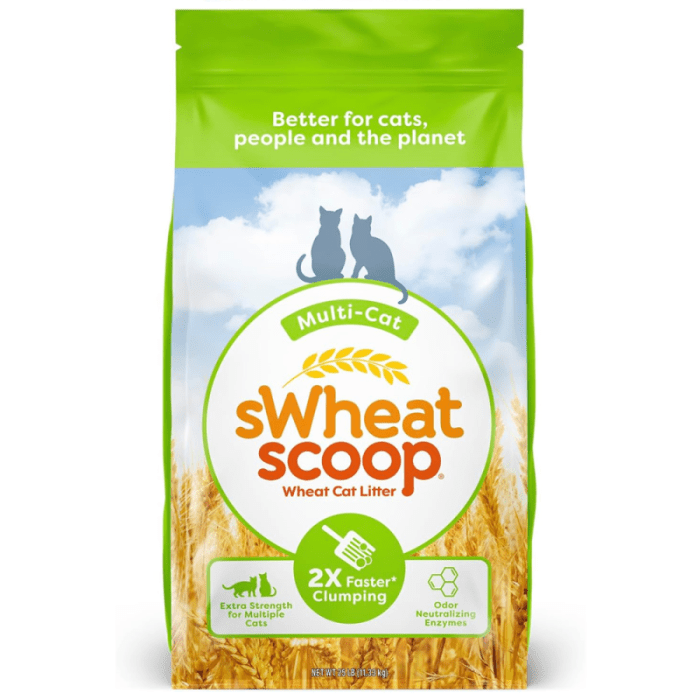
- Wheat Litter: Similar to corn litter, wheat litter is biodegradable and has a slightly nutty scent. It clumps well and is generally considered a good option for sensitive cats.
- Grass Litter: A newer option, grass litter is highly absorbent and has a fresh, grassy scent. It’s often marketed as a sustainable and eco-friendly choice.
The manufacturing process significantly impacts the initial scent of each litter type. For example, wood litter might be kiln-dried to reduce moisture and enhance its natural aroma. Clay litter may undergo processing that removes some of its natural scent, creating a blank canvas for added fragrances.
Wood Litter Production Flowchart
Here’s a simplified flowchart illustrating the production process of wood-based litter and how scent retention is managed:
- Harvesting: Sustainable sourcing of wood (pine, cedar, etc.).
- Debarking: Removal of bark to prevent unwanted odors and improve processing.
- Shredding/Sawdusting: Wood is shredded or converted into sawdust.
- Kiln Drying: Controlled drying process to reduce moisture content and enhance the natural wood scent. Temperature and duration are carefully monitored to preserve the aroma.
- Sifting/Screening: Sorting the wood particles by size to ensure consistent clumping and absorption.
- Packaging: Sealing the litter in airtight packaging to retain the natural scent.
Scented Cat Litters: Ingredients and Effectiveness
Many cat litters are scented to mask odors, but the effectiveness and safety of these scents vary greatly. Understanding the common scenting agents and their mechanisms of action is crucial for making an informed choice.
Common Scenting Agents
- Baking Soda: A natural deodorizer that helps neutralize ammonia odors.
- Activated Charcoal: Highly porous material that absorbs odors rather than masking them.
- Essential Oils: Lavender, chamomile, and other essential oils are sometimes used for their fragrance and purported calming properties. (Caution: See section on sensitive cats)
- Artificial Fragrances: Synthetic compounds designed to mimic natural scents. These can be very effective at masking odors but may contain potentially irritating chemicals.
These ingredients work through different mechanisms. Baking soda and activated charcoal primarily absorb odor molecules, while essential oils and artificial fragrances mask odors by introducing a stronger scent. The effectiveness of each agent depends on the concentration, the type of odor being targeted, and the litter’s overall composition.
While scented litters can be effective, it’s important to be aware of potential drawbacks. Some cats are allergic or sensitive to certain fragrances, leading to skin irritation, respiratory problems, or behavioral changes. Always observe your cat for any adverse reactions after introducing a scented litter.
Unscented Litters: Odor Control Through Absorption and Clumping
Source: catster.com
Unscented litters rely on their inherent absorbent properties and clumping ability to manage odors. While they lack added fragrances, they can still be highly effective when used correctly.
The Science of Clumping
Clumping litter, typically made from clay or alternative materials like corn or wheat, contains absorbent polymers that bind to urine, forming solid clumps. These clumps trap the odor-causing compounds within the clump, preventing them from spreading into the surrounding air. Regular scooping removes these clumps, effectively eliminating the source of the odor.
Maximizing Odor Control with Unscented Litters
- Frequent Scooping: Scoop the litter box at least once daily, preferably twice.
- Proper Ventilation: Ensure the litter box area is well-ventilated.
- Adequate Litter Depth: Maintain a litter depth of 3-4 inches to allow for sufficient absorption.
Ammonia, a primary contributor to litter box odor, is produced when bacteria break down urea in cat urine. Different litter types address this process differently. Clumping litters trap the urine, limiting bacterial activity. Absorbent litters draw moisture away, inhibiting bacterial growth. Natural litters, like wood or corn, may contain compounds that inhibit bacterial proliferation, further reducing ammonia production.
Top Contenders: Examining Popular Options
Several cat litters consistently receive positive reviews for their odor control capabilities. Here’s a look at five leading options, focusing on their characteristics rather than specific brand names.
| Litter Type | Scent Profile | Clumping Ability | Dust Level |
|---|---|---|---|
| Premium Clumping Clay | Virtually odorless, some varieties have a very faint earthy scent. | Excellent – forms hard, easily scoopable clumps. | Low to moderate – some dust may be present when poured. |
| Wood-Based Pellet | Natural wood scent, often pine or cedar. | Good – clumps moderately well when wet. | Very low – minimal dust production. |
| Crystal Silica Gel | Slightly mineral-like when new, often masked by added fragrance. | Does not clump – absorbs urine and dehydrates solid waste. | Low – generally produces very little dust. |
| Corn-Based Clumping | Mild, slightly sweet scent. | Very good – forms strong, scoopable clumps. | Moderate – can produce some dust. |
| Wheat-Based Clumping | Slightly nutty scent. | Excellent – forms tight, durable clumps. | Low – generally produces minimal dust. |
User reviews consistently praise the clumping ability and odor control of the premium clumping clay litter. The wood-based pellet litter is often lauded for its low dust levels and natural scent. Crystal litter receives high marks for its odor absorption, while corn and wheat-based litters are appreciated for their eco-friendliness and clumping performance. However, some users report that the natural scents of wood and corn can be too strong for their preferences.
Conclusive Thoughts
From the earthy scent of wood to the innovative use of activated charcoal, the world of cat litter has come a long way. We’ve explored the science behind odor control, the pros and cons of natural versus artificial scents, and even delved into DIY options. Ultimately, finding the best smelling cat litter is a personalized journey – what works wonders for one cat (and owner!) might not be ideal for another.
By understanding your cat’s preferences, prioritizing hygiene, and choosing the right litter, you can create a fresh-smelling, stress-free environment for both you and your furry companion. A happy cat, a happy home – it’s all about finding that perfect litter match!
Frequently Asked Questions
Why does my cat suddenly dislike a litter I’ve used for years?
Cats are creatures of habit, but their senses are incredibly sensitive. A change in scent, even a subtle one, can be off-putting. It could be a new fragrance in the litter, a change in your laundry detergent, or even a different brand of litter you accidentally purchased.
Can essential oils
-really* be safe for cats?
Some essential oils are toxic to cats. If you’re considering DIY scented litter, research thoroughly and only use cat-safe oils in
-extremely* diluted concentrations. When in doubt, err on the side of caution and stick to unscented options.
How often should I be scooping the litter box?
Ideally, scoop the litter box at least once a day, and preferably twice. This is the single most effective way to control odor.
What’s the best way to clean the litter box itself?
Use warm water and a mild, unscented soap. Avoid harsh chemicals like bleach, which can be harmful to cats. Enzymatic cleaners are excellent for breaking down odor-causing bacteria.
My cat is spraying despite using a scented litter. What should I do?
Spraying is often a sign of stress or a medical issue. Consult with your veterinarian to rule out any underlying health problems. Also, consider switching to an unscented litter and addressing potential stressors in your cat’s environment.
Does litter box placement affect odor?
Absolutely! Place the litter box in a well-ventilated area, away from food and water. Avoid enclosed spaces that can trap odors.
