The world of feline companionship extends far beyond the humble housecat. For some, the allure of a rare, pedigreed cat with a striking appearance and unique personality justifies a significant investment. We’re diving into the fascinating, and sometimes surprising, world of expensive cats – exploring the breeds that command top dollar, the ongoing costs of ownership, and the ethical considerations that come with acquiring such a prized pet.
It’s more than just a purchase; it’s a commitment to a lifestyle.
From the fluffy grandeur of Persians to the exotic energy of Savannahs, these breeds represent a blend of history, genetics, and meticulous breeding. Understanding the factors that drive their price, from breeder reputation to health testing, is crucial for anyone considering welcoming one of these luxurious felines into their home. We’ll also look at alternatives for those seeking a similar aesthetic without the hefty price tag.
The Allure and Expense of Owning a Luxury Cat
Source: a-z-animals.com
Let’s be honest, cats are amazing. They’re independent, affectionate (when they feel like it!), and endlessly entertaining. But some cats come with a price tag that rivals a down payment on a house. This isn’t just about the initial purchase; it’s a commitment to a lifestyle that includes specialized care, unique needs, and potentially hefty vet bills. This article dives deep into the world of expensive cats, exploring the breeds that command top dollar, the ongoing costs involved, and the ethical considerations that come with owning a truly luxurious feline companion.
We’ll unpack everything from the historical roots of breeds like the Persian to the surprising impact of genetics and breeder reputation. Whether you’re a seasoned cat lover considering a splurge or simply curious about the world of high-end felines, this guide will provide a comprehensive overview of what it really means to own an expensive cat.
Breeds with High Initial Costs
The price of a cat can vary wildly depending on breed, pedigree, and location. Some breeds are simply rarer than others, driving up demand and, consequently, the price. Let’s look at five of the most expensive cat breeds to purchase initially, along with some background information.
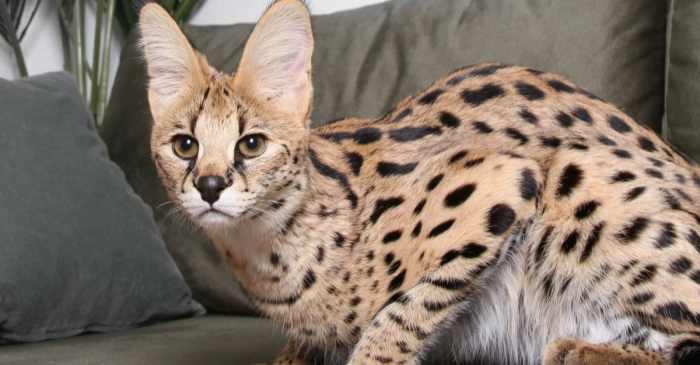
- Savannah: Often topping the list, Savannah cats are a hybrid of a domestic cat and a Serval, a medium-sized African wild cat. Their exotic appearance and energetic personalities contribute to their high price. Expect to pay anywhere from $10,000 to $20,000, and sometimes even higher for early generations (F1, F2). Geographic variations are significant; they’re generally more expensive in areas with stricter regulations on exotic animal ownership.
- Bengal: Known for their striking spotted coats resembling leopards, Bengals are a cross between domestic cats and Asian Leopard Cats. Their wild appearance and playful nature make them highly sought after. Prices typically range from $1,500 to $5,000, with rarer colors and patterns commanding higher prices.
- Persian: A classic breed with a long, luxurious coat and a sweet, gentle temperament. The Persian’s history is fascinating, evolving from longhaired cats brought to Europe from Persia (modern-day Iran) centuries ago. Selective breeding for extreme features, like flattened faces, has contributed to their current high price, often between $1,800 and $6,000.
- Russian Blue: Elegant and intelligent, Russian Blues are known for their striking silver-blue coat and emerald green eyes. Their origins are shrouded in mystery, with legends linking them to Russian royalty. Prices generally fall between $800 and $3,000.
- British Shorthair: A sturdy and affectionate breed with a plush, dense coat. The British Shorthair’s popularity has surged in recent years, particularly thanks to its resemblance to the internet-famous cat, “Grumpy Cat.” Prices typically range from $1,200 to $4,000.
The Persian cat’s journey to its current status is a testament to human intervention. Initially, Persians were simply longhaired cats, but breeders began selectively breeding for increasingly exaggerated features. The pursuit of a flatter face (brachycephalic) and longer coat led to the development of the modern Persian, but also to a host of health problems. This intensive breeding process, combined with the breed’s popularity and the demand for specific colors and patterns, has driven up its price.
| Breed | Initial Purchase Price (USD) | Average Lifespan |
|---|---|---|
| Bengal | $1,500 – $5,000 | 12-16 years |
| Savannah | $10,000 – $20,000+ | 12-20 years |
| Russian Blue | $800 – $3,000 | 15-20 years |
| British Shorthair | $1,200 – $4,000 | 12-17 years |
| Maine Coon | $1,000 – $3,500 | 10-13 years |
The reputation of the breeder and the pedigree certification play a crucial role in determining the price of a kitten. Reputable breeders invest heavily in health testing, socialization, and quality care. A kitten with a documented pedigree from a recognized cat association (like the Cat Fanciers’ Association – CFA) is generally more expensive than one from a backyard breeder or pet store.
This is because pedigree certification provides assurance of the kitten’s lineage and potential health.
Ongoing Expenses Beyond Purchase Price
Owning an expensive cat isn’t just about the initial cost. Ongoing expenses can be substantial, and it’s crucial to factor these into your budget. These costs extend far beyond the purchase price and require careful planning.
- Food: High-quality cat food is essential, especially for breeds with specific dietary needs.
- Litter: Premium litter, often clumping and low-dust, is preferred for comfort and hygiene.
- Grooming: Regular grooming is vital, particularly for longhaired breeds.
- Veterinary Care: Annual checkups, vaccinations, and preventative medications are necessary.
Potential health issues common in expensive cat breeds include hypertrophic cardiomyopathy (HCM) in Bengals and Maine Coons, polycystic kidney disease (PKD) in Persians and British Shorthairs, and hip dysplasia in Savannahs. The average cost of treatment for these conditions can vary widely, ranging from $500 for a routine dental cleaning to $5,000 or more for surgery to address a congenital heart defect.
Regular veterinary checkups and preventative care are crucial for early detection and management of these conditions.
Breeds like Persians and Himalayans require specialized grooming. Daily brushing is essential to prevent mats and tangles. Regular bathing (every 2-4 weeks) is also necessary. Professional grooming services can cost $50-$150 per session. Nail trimming, ear cleaning, and dental care are also important aspects of their grooming routine.
Savannah cats, due to their wild ancestry, often require a diet higher in protein than standard domestic cats. This can translate to higher food expenses, as specialized raw or high-protein dry food options are often recommended. A Savannah might consume significantly more food than a typical house cat, potentially adding $50-$100 or more to your monthly grocery bill.
Factors Influencing Price Fluctuations
The price of any commodity, including luxury cats, is subject to the forces of supply and demand. Recent increases in the popularity of certain breeds, like the British Shorthair, have driven up prices. Conversely, a decrease in demand for a particular color variation can lead to a price reduction.
Genetics and rarity play a significant role in determining a cat’s value. Uncommon color variations, such as snow Bengals or chocolate Persians, are highly sought after and command premium prices. The rarer the genetic combination, the higher the price tag.
Geographic location also impacts pricing. Certain breeds may be more expensive in areas where they are less common or where regulations on exotic animal ownership are stricter. For example, Savannah cats are generally more expensive on the East Coast of the United States compared to the Midwest.
Ethical breeding practices and health testing contribute to higher prices, but they are a worthwhile investment. Responsible breeders conduct genetic testing to screen for hereditary diseases and prioritize temperament and socialization. These practices ensure the health and well-being of the kittens, justifying the higher cost.
The Appeal of Expensive Cats: Why People Pay
The decision to purchase an expensive cat is often driven by psychological factors. Status, companionship, and aesthetics all play a role. Owning a rare or prestigious breed can be a symbol of success and a source of pride.
Beyond the animal itself, owning a rare or prestigious cat breed offers perceived benefits. These include the opportunity to own a unique and beautiful companion, the satisfaction of supporting ethical breeding practices, and the potential for social recognition within the cat fancy community.
There are countless stories of deep bonds between owners and their expensive cats. One owner described their Savannah as a “shadow” who followed them everywhere, offering constant companionship and entertainment. Another spoke of the calming presence of their Persian, who provided comfort and solace during difficult times. These anecdotes highlight the emotional value that owners place on their feline companions.
Social media and online communities have undoubtedly contributed to the popularity of certain breeds. Instagram accounts dedicated to specific breeds often showcase their beauty and charm, influencing purchasing decisions and driving up demand.
Ethical Considerations in Breeding and Purchasing
The pursuit of profit can sometimes lead to unethical breeding practices, where breeders prioritize quantity over quality and animal welfare. This can result in kittens with health problems and behavioral issues, sold at significantly lower prices.
Supporting responsible breeders who prioritize health and temperament is crucial. These breeders conduct genetic testing, provide proper socialization, and are transparent about the health history of their cats.
Before purchasing an expensive cat, ask the breeder these questions: What health testing have you performed on the parents? Can I see the kitten’s pedigree? What is your socialization process? What health guarantees do you offer? A reputable breeder will be happy to answer these questions and provide documentation.
Purchasing cats from unregulated sources, such as pet stores or online marketplaces, carries significant risks. These cats may not have been properly health tested or socialized, and their origins may be unknown. This can lead to unexpected health problems and behavioral issues down the road.
Alternative Options: Similar Looks, Lower Costs
If the price tag of an expensive cat is prohibitive, there are alternative breeds that offer similar aesthetics at a more affordable cost. For example, a domestic longhair can closely resemble a Persian, while a mixed-breed cat with tabby markings can evoke the look of a Bengal.
| Breed | Appearance | Temperament | Average Cost |
|---|---|---|---|
| Bengal | Spotted coat, muscular build | Energetic, playful, intelligent | $1,500 – $5,000 |
| Savannah | Wildcat appearance, tall and slender | Active, curious, social | $10,000 – $20,000+ |
| Maine Coon | Large size, long fur, bushy tail | Gentle giant, affectionate, playful | $1,000 – $3,500 |
| Persian | Long, luxurious coat, flat face | Sweet, gentle, docile | $1,800 – $6,000 |
| Domestic Longhair | Long fur, various colors and patterns | Affectionate, adaptable, playful | $50 – $200 |
Adopting a mixed-breed cat with desirable traits is a rewarding alternative. Shelters and rescue organizations are filled with loving cats who are waiting for their forever homes. Adoption fees are typically much lower than the purchase price of a purebred cat.
Careful grooming and styling can mimic the look of an expensive breed without the high price tag. Regular brushing, trimming, and even creative styling can transform a domestic cat into a feline look-alike.
Insurance and Financial Planning
Several types of insurance coverage are available for cats, including accident-only, illness, and wellness plans. The average annual cost for cat insurance varies depending on the breed, age, and coverage level, but can range from $200 to $800.
Unexpected veterinary expenses are a reality for all cat owners, but they can be particularly burdensome for owners of expensive breeds with predispositions to certain health conditions. Setting aside a dedicated emergency fund is essential to cover unexpected costs.
Financial Planning Template (10-Year Estimate)
Initial Purchase: $2,000
Annual Expenses:
Food: $800
Litter: $300
Grooming: $400
Veterinary Care: $500
Potential Emergency Fund: $5,000 (for unexpected illnesses or injuries)Total Estimated Cost (10 Years): $17,700
Budgeting for ongoing care and preventative measures is crucial to minimize future costs. Regular veterinary checkups, vaccinations, and preventative medications can help detect and manage health problems early on, potentially saving you money in the long run.
Unique Characteristics and Behaviors
Bengals and Savannahs are known for their high energy levels and playful personalities. They require plenty of exercise and mental stimulation, such as interactive toys and climbing structures. Their wild ancestry also means they may exhibit hunting behaviors, such as stalking and pouncing.
Russian Blues and British Shorthairs are generally more laid-back and require less intense grooming. They enjoy a good brushing once or twice a week and appreciate a comfortable place to nap.
Different expensive cat breeds have distinct vocalizations and communication styles. Some breeds, like Bengals, are known for their chirps and trills, while others, like Persians, are relatively quiet.
High-energy breeds, such as Bengals and Savannahs, require environmental enrichment to prevent boredom and destructive behaviors. Climbing structures, scratching posts, and interactive toys are essential for keeping them entertained and stimulated.
Closing Notes
Ultimately, owning an expensive cat is a significant financial and emotional undertaking. It requires careful planning, a dedication to responsible breeding practices, and a genuine love for the unique characteristics of these remarkable animals. While the initial cost can be substantial, the bond formed with a well-cared-for, rare breed can be incredibly rewarding. Whether you’re a seasoned cat enthusiast or simply curious about the world of luxury felines, we hope this exploration has provided valuable insights into the joys and responsibilities of owning an expensive cat.
Remember, responsible pet ownership is paramount. Supporting ethical breeders and considering adoption are vital steps in ensuring the well-being of all cats, regardless of their price tag.
FAQ Compilation
Why are some cat breeds so expensive?
Several factors contribute, including rarity, specific genetic traits (like unusual colors or patterns), breeder reputation, pedigree certification, and the cost of specialized breeding practices and health testing.
What are the biggest health concerns in expensive cat breeds?
It varies by breed, but common issues include Polycystic Kidney Disease (PKD) in Persians, hypertrophic cardiomyopathy (HCM) in Maine Coons, and hip dysplasia in Savannahs. Regular veterinary checkups are essential.
How much does it cost to feed a Savannah cat?
Savannahs, due to their wildcat ancestry, often require a higher protein diet than standard domestic cats, which can significantly increase food costs. Expect to spend $50-$100+ per month, depending on the cat’s size and activity level.
What questions should I ask a breeder before buying an expensive cat?
Ask about health guarantees, genetic testing results for the parents, socialization practices, and the breeder’s experience and commitment to ethical breeding. Don’t be afraid to ask for references.
Are there any cheaper alternatives to expensive breeds?
Absolutely! Domestic longhairs can resemble Persians, and various mixed breeds can exhibit traits similar to Bengals or Maine Coons. Adoption is always a wonderful option.
How much does cat insurance typically cost for an expensive breed?
Expect to pay anywhere from $30-$75+ per month for comprehensive cat insurance, depending on the breed, age, and coverage level. Savannahs and Bengals often have higher premiums due to potential health concerns.
What’s the difference between a pedigree and a registered cat?
A pedigree refers to the cat’s ancestry, while registration means the cat is officially recognized by a breed association. Registration often comes with certain guarantees and provides proof of lineage.

