Costco’s Kirkland Signature brand has become a household name for bulk savings, and their cat food is no exception. But is it just a budget-friendly option, or does it actually offer good nutrition for your feline friend? This review dives deep into Kirkland cat food, exploring everything from ingredient lists and nutritional value to user experiences and comparisons with other brands.
We’ll help you decide if Kirkland is a smart choice for your cat’s health and your wallet.

We’ll be looking at the different formulas available, breaking down the ingredients to see what’s actually in the bag, and weighing the pros and cons against both similarly priced and premium cat food options. Understanding the nutritional content, potential allergens, and overall value is key to making an informed decision, so let’s get started!
Kirkland Cat Food: A Costco Cat Parent’s Deep Dive
Choosing the right food for your feline friend can feel overwhelming. There’s a
- lot* of marketing out there, and it’s hard to know what’s genuinely good for your cat. Kirkland Signature cat food, available exclusively at Costco, has gained a lot of popularity, and for good reason – it’s often significantly cheaper than many premium brands. But is it
- good*? That’s what we’re going to explore in this review. We’ll break down the ingredients, nutritional value, different formulas, and user experiences to help you decide if Kirkland cat food is the right choice for your kitty.
Introduction to Kirkland Cat Food
Costco’s Kirkland Signature brand has built a reputation for offering high-quality products at competitive prices. Initially known for pantry staples and household goods, Costco gradually expanded its offerings to include pet food, recognizing the growing demand for affordable, reliable options for pet owners. The Kirkland Signature pet food line, including cat food, aims to deliver a balance between quality and value, appealing to budget-conscious consumers who don’t want to compromise on their pet’s nutrition.
Kirkland cat food is available in a range of dry and wet formulas, catering to different life stages and specific dietary needs. The perceived value proposition is simple: you get a large quantity of food at a lower price point than many comparable brands, making it an attractive option for multi-cat households or those looking to save money.
Ingredient Breakdown & Nutritional Value
Let’s get down to the nitty-gritty: what’s actually
- in* this food? Kirkland cat food formulas generally list chicken or fish as the primary ingredient, which is a good starting point. You’ll often find chicken meal and/or fish meal listed as well – these are concentrated sources of protein, but some pet owners prefer to see whole meat listed higher on the ingredient list. Common ingredients also include corn, wheat, and soybean meal.
These are often used as carbohydrate sources and can provide fiber, but they are also considered by some to be fillers. You might also see by-products (chicken or meat by-products) listed. While these aren’t inherently
- bad* (they can be a source of protein and nutrients), their quality can vary, and some owners prefer to avoid them. Taurine, an essential amino acid for cats, is always included, which is crucial for heart and eye health.
Here’s a comparison of nutritional content per serving (approximate values, may vary slightly by formula):
| Brand | Protein | Fat | Fiber |
|---|---|---|---|
| Kirkland Signature Adult Chicken | 38% | 16% | 2% |
| Blue Buffalo Wilderness Chicken | 40% | 20% | 3% |
| Purina Pro Plan Chicken & Rice | 35% | 15% | 4% |
| Wellness Complete Health Chicken | 37% | 17% | 5% |
Formula Variations & Specific Needs
Kirkland offers a variety of formulas to address different feline needs. You’ll find options for:
- Kitten: Higher in protein and calories to support growth and development. Often includes DHA for brain development.
- Adult: Balanced nutrition for maintaining overall health and energy levels.
- Senior: Formulated with lower calorie content and added nutrients to support joint health and cognitive function.
- Indoor: Lower in calories and fat to help prevent weight gain in indoor cats. Often includes added fiber for hairball control.
- Weight Management: Specifically designed to help cats lose weight, with a lower calorie density and higher fiber content.
The specific ingredients and nutritional adjustments vary between formulas. For example, the kitten formula will have a higher percentage of protein and fat compared to the senior formula. Indoor formulas often include beet pulp or cellulose as a fiber source to aid digestion and reduce hairball formation.Here’s a flowchart to help you choose the right formula:[Imagine a flowchart here. It would start with “What are your cat’s needs?” and branch out to options like “Kitten,” “Adult,” “Senior,” “Indoor,” “Weight Management,” “Sensitive Stomach,” “Urinary Health.” Each branch would then lead to a recommendation for a specific Kirkland formula, with brief explanations.
For example, “Sensitive Stomach: Consider the Indoor formula with limited ingredients.” “Urinary Health: Consult with your veterinarian, but the Adult formula may be a starting point.”]
User Experiences & Reviews
The online reviews for Kirkland cat food are mixed, as with any pet food. Many owners report positive experiences, noting that their cats enjoy the food and thrive on it. Common observations include:* Improved coat condition – shinier and healthier fur.
- Increased energy levels.
- Good digestion – fewer issues with vomiting or diarrhea.
- Appetite – cats seem to genuinely enjoy the taste.
However, some cats haven’t tolerated the food well. Reported issues include:* Digestive upset – diarrhea or vomiting.
- Skin allergies – itching or redness.
- Pickiness – some cats simply refused to eat it.
Here’s a summary of common feedback:* Positive: Affordable, cats like the taste, good value for the quantity, noticeable improvements in coat and energy.
Negative
Potential for digestive issues, some cats are allergic, ingredient list contains fillers.
Comparing Kirkland to Competitors
Kirkland cat food generally competes with brands like Purina, Iams, and Blue Buffalo in terms of price. While it’s often cheaper than premium brands like Wellness or Orijen, it’s important to compare ingredients and nutritional profiles. Kirkland tends to rely more on grains and by-products compared to some of its competitors.Here’s a side-by-side comparison:
| Feature | Kirkland Signature Adult Chicken | Purina Pro Plan Chicken & Rice | Blue Buffalo Wilderness Chicken |
|---|---|---|---|
| Primary Protein Source | Chicken, Chicken Meal | Chicken | Chicken |
| Grain Content | High (Corn, Wheat) | Moderate (Rice) | Low (Grain-Free) |
| By-Products | Present | Absent | Absent |
| Price per Pound (Approx.) | $1.50 – $2.00 | $2.50 – $3.50 | $3.50 – $4.50 |
Potential Health Considerations
Common cat allergens include beef, fish, dairy, and wheat. Kirkland formulas containing fish (like the Salmon & Tuna recipe) could be problematic for cats with fish allergies. Taurine is essential, and Kirkland formulas do include it, but it’s always wise to ensure adequate levels. Some veterinarians have expressed concerns about the reliance on grains and by-products in Kirkland formulas, suggesting they may not be ideal for cats with sensitive stomachs or specific health conditions.
“While Kirkland Signature cat food can be a budget-friendly option, it’s crucial to monitor your cat for any adverse reactions. Cats with known allergies or sensitivities may benefit from a limited-ingredient diet with higher-quality protein sources.”Dr. Emily Carter, DVM
Wet Food Options
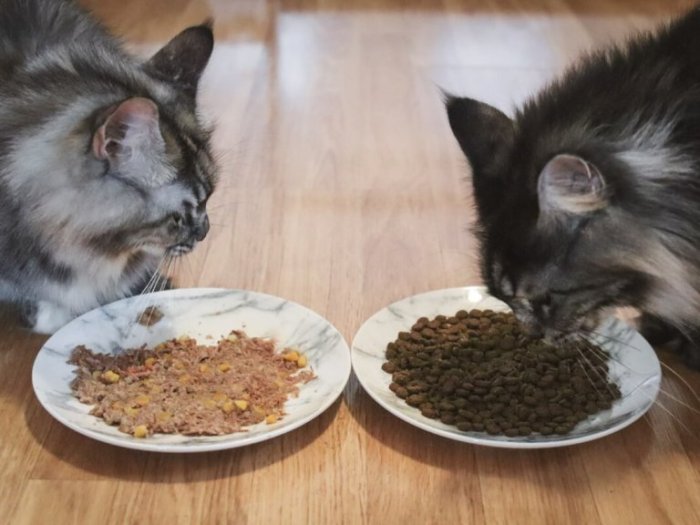
Kirkland Signature offers a selection of wet cat food options, including pate and minced textures. The ingredients are similar to the dry food, with chicken or fish as the primary protein source. The wet food is generally more expensive per serving than the dry food, but it provides added moisture, which is beneficial for urinary health. Compared to other brands, Kirkland wet food is often significantly more cost-effective, especially considering the large cans available.
The texture is generally smooth and the aroma is mild – not overly fishy or strong.
Packaging and Storage
Kirkland dry cat food comes in large, resealable bags, while the wet food is sold in large cans. Proper storage is essential to maintain freshness and prevent spoilage. The dry food bag should be tightly sealed after each use and stored in a cool, dry place. Opened wet food cans should be refrigerated and used within 24-48 hours. The packaging is fairly standard, and while Costco is making efforts to improve sustainability, the large bags and cans do contribute to waste.
Feeding guidelines are printed on the packaging, but it’s always best to consult with your veterinarian to determine the appropriate portion size for your cat.
Sourcing and Manufacturing
Costco doesn’t publicly disclose the exact sourcing locations for Kirkland Signature cat food ingredients. However, they state that they work with reputable suppliers and adhere to strict quality control standards. The food is manufactured in the United States by a third-party pet food manufacturer. The journey of a bag of Kirkland cat food begins with sourcing ingredients from various suppliers, followed by blending, extrusion (for dry food), canning (for wet food), and packaging.
Costco conducts regular audits of the manufacturing facility to ensure compliance with quality and safety regulations.
Cost Breakdown & Value Assessment
Source: cats.com
The cost per pound of Kirkland cat food typically ranges from $1.50 to $2.00, depending on the formula. This is significantly lower than many premium brands. Considering the large bag sizes (typically 25-40 pounds), it offers excellent value for multi-cat households. While the ingredients may not be as high-quality as some premium options, the affordability makes it a compelling choice for budget-conscious cat owners.[Imagine a visual representation here.
It would be a bar graph comparing the cost per serving of Kirkland Signature Adult Chicken, Blue Buffalo Wilderness Chicken, and Purina Pro Plan Chicken & Rice. The Kirkland bar would be the shortest, followed by Purina, and then Blue Buffalo, visually demonstrating the cost savings.]
Last Point
Ultimately, Kirkland cat food presents a compelling value proposition for many cat owners. It’s affordable, readily available, and generally well-received by cats. However, it’s not a perfect substitute for premium brands, particularly when it comes to ingredient quality and specialized formulas. Careful consideration of your cat’s individual needs, potential sensitivities, and your budget is essential. By weighing the pros and cons Artikeld in this review, you can determine if Kirkland cat food is the right choice to keep your kitty happy and healthy.
Remember to always consult with your veterinarian to ensure you’re providing your cat with the best possible nutrition for their specific life stage and health condition. Happy feeding!
Essential Questionnaire
What are the main protein sources in Kirkland cat food?
Kirkland cat food primarily uses chicken and fish as protein sources, though the specific type of fish can vary. The quality of these sources is generally considered decent, but not as high as some premium brands that use named protein sources like salmon or duck.
Does Kirkland cat food contain fillers or by-products?
Yes, some Kirkland formulas do contain fillers like corn and by-products. While not inherently harmful, some owners prefer to avoid these ingredients due to potential sensitivities or concerns about digestibility.
Is Kirkland cat food suitable for kittens?
Kirkland offers a kitten-specific formula that is designed to meet the higher nutritional needs of growing kittens. However, it’s always a good idea to discuss your kitten’s diet with your vet.
Can I use Kirkland cat food for cats with sensitive stomachs?
While Kirkland offers some limited-ingredient formulas, it’s not always the best choice for cats with severe sensitivities. A vet-recommended hypoallergenic diet is often a better option in those cases.
How should I store Kirkland cat food to keep it fresh?
Once opened, store dry food in an airtight container in a cool, dry place. Wet food should be refrigerated promptly after opening and used within a few days.
Does Kirkland cat food contain taurine?
Yes, Kirkland cat food is formulated to contain adequate levels of taurine, an essential amino acid for feline health. However, always double-check the ingredient list to be sure.