Finding the Best Cat Urine Cleaner A Complete Guide

Let’s face it, cat ownership is full of joy, cuddles, and… the occasional accident. Cat urine is notoriously difficult to deal with, leaving behind a lingering odor that can permeate your home. But don’t despair! Understanding the science behind the smell and knowing the right cleaning methods can make all the difference. This guide dives deep into everything you need to know about finding and using the best cat urine cleaner, from understanding the chemical composition of urine to preventing future mishaps.
We’ll explore different types of cleaners – enzymatic, chemical, and natural – weighing their pros and cons. You’ll learn how to tackle stubborn, old stains, and discover practical tips for preventing future accidents. Plus, we’ll cover specific surface considerations, like delicate fabrics and hardwood floors, ensuring you can confidently address any feline-related cleaning challenge.
The Ultimate Guide to Banishing Cat Urine Odors
Source: kittenmeow.com
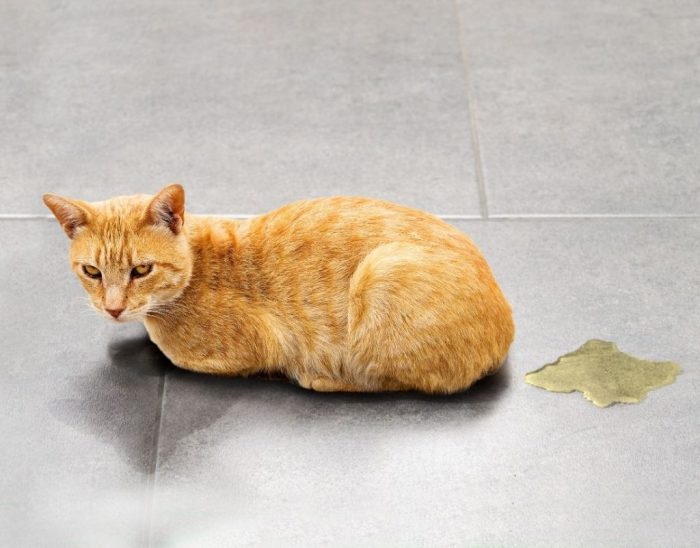
Dealing with cat urine in your home can be incredibly frustrating. It’s not just the unpleasant smell; it’s the lingering stain and the worry about your cat’s health. This guide is designed to equip you with the knowledge and tools you need to tackle even the toughest cat urine messes, understand why they’re so persistent, and prevent future accidents. We’ll cover everything from the science behind the odor to DIY cleaning solutions and behavioral strategies.
1. Understanding Cat Urine & Its Challenges
Cat urine is notoriously difficult to eliminate completely. It’s not just about masking the smell; it’s about removing the compounds thatcause* the odor. The chemical composition is complex, starting with urea, which breaks down into ammonia – that pungent smell you immediately recognize. Uric acid crystals are also present, and these are incredibly stubborn. They don’t dissolve easily in water, which is why simply wiping up the urine often just spreads the problem.
The pH is also a factor; cat urine is alkaline, which means it reacts differently with various surfaces than acidic substances.The odor intensity varies depending on several factors. A younger cat’s urine tends to be less concentrated than an older cat’s. Diet plays a significant role too – a diet high in protein can lead to more concentrated urine and a stronger smell.
Underlying health conditions, such as urinary tract infections or kidney disease, can also alter the urine’s composition and odor. For example, a cat with a UTI might produce urine with a stronger ammonia smell.Different surfaces react differently to cat urine. Carpet fibers trap urine deeply, making it difficult to extract. Hardwood floors can absorb urine, leading to warping and discoloration if not addressed promptly.
Upholstery, especially porous fabrics like microfiber, can be particularly challenging due to the urine’s ability to penetrate the material. The type of padding under carpet also significantly impacts how deeply the urine soaks in.
2. Types of Cat Urine Cleaners
A Comparison
Choosing the right cleaner is crucial for effective odor removal. There are three main categories: enzymatic cleaners, chemical cleaners, and natural cleaners. Each has its own advantages and disadvantages.
| Cleaner Type | Pros | Cons |
|---|---|---|
| Enzymatic Cleaners | Breaks down urine components at a molecular level, eliminates odor at the source, generally safe for pets. | Can be more expensive, requires dwell time, may not be effective on very old or deeply embedded stains. |
| Chemical Cleaners (Bleach-based, Ammonia-based) | Often readily available and inexpensive, can be effective on surface stains. | Dangerous for cats (toxic fumes, skin irritation), can damage surfaces, ammonia-based cleaners can actually
|
| Natural Cleaners (Vinegar, Baking Soda) | Relatively safe for pets, inexpensive, readily available. | May not be as effective on stubborn stains, can leave a lingering vinegar smell (though this usually dissipates), baking soda can leave a residue. |
Enzymatic cleaners work by containing enzymes that specifically target the components of cat urine – urea, uric acid crystals, and ammonia. These enzymes break down these compounds into odorless substances like carbon dioxide and water. It’s a biological process, not just a masking agent.The dangers of bleach and ammonia-based cleaners around cats are significant.
The fumes can cause respiratory irritation, and ingestion can be fatal. Furthermore, as mentioned, ammonia can react with urine, creating a stronger, more unpleasant odor.Common natural ingredients used in homemade cleaners include: white vinegar (acetic acid helps neutralize the alkaline urine), baking soda (absorbs odors and helps lift stains), lemon juice (has antibacterial properties and a fresh scent), and hydrogen peroxide (a mild bleaching agent –use with caution on colored fabrics*).
Their effectiveness varies depending on the severity of the stain and the surface.
3. Top Contenders
Product Reviews & Features
Here’s a look at some popular cat urine cleaners currently on the market.
| Product Name | Key Ingredients | Surface Suitability | User Rating (out of 5) |
|---|---|---|---|
| Nature’s Miracle Advanced Stain & Odor Remover | Enzymes, Probiotics | Carpet, upholstery, hardwood, tile | 4.5 |
| Rocco & Roxie Stain & Odor Eliminator | Enzymes, Botanical Extracts | Carpet, upholstery, hardwood, tile, pet bedding | 4.7 |
| Angry Orange Pet Odor Eliminator | D-Limonene (from orange peels), Enzymes | Carpet, upholstery, hardwood, tile | 4.3 |
| Puracy Natural Pet Stain & Odor Remover | Plant-Based Enzymes, Coconut-Based Cleansers | Carpet, upholstery, hardwood, tile | 4.2 |
| Bissell Pet Stain & Odor Remover Formula | Enzymes, Surfactants | Carpet, upholstery | 4.0 |
| Simple Solution Extreme Pet Stain & Odor Remover | Enzymes, Water-Based Formula | Carpet, upholstery, hardwood | 3.9 |
Nature’s Miracle is a widely recognized brand known for its powerful enzymatic formula. It comes in a spray bottle with a decent nozzle for targeted application. Rocco & Roxie is another enzyme-based option, often praised for its effectiveness on older stains. Angry Orange utilizes D-Limonene, a natural solvent derived from orange peels, which provides a strong citrus scent. Puracy offers a plant-based, hypoallergenic option.
Bissell and Simple Solution are more readily available in stores and are generally more affordable.User reviews often highlight the importance of following the product instructions carefully, particularly regarding dwell time. Some users find the scents of certain products overpowering, while others appreciate the fresh fragrance. For heavily soiled areas, multiple applications are often necessary.Choosing the right product depends on the type of stain and surface.
For delicate fabrics, a gentler enzymatic cleaner like Puracy is a good choice. For tough, old stains on carpet, Nature’s Miracle or Rocco & Roxie are often recommended.
4. Cleaning Methods
Step-by-Step Guides
Cleaning cat urine effectively requires a systematic approach. Cleaning Cat Urine from Carpet:
1. Pre-Treatment
Blot up as much fresh urine as possible with paper towels. Apply pressure to absorb the liquid.
2. Application
Saturate the stained area with your chosen cleaner, ensuring it penetrates deep into the carpet fibers and padding.
3. Dwell Time
Allow the cleaner to sit for the recommended dwell time (usually 10-15 minutes, or longer for older stains). This allows the enzymes to work.
4. Rinsing
Rinse the area thoroughly with clean water. Blot up excess moisture with clean towels.
5. Drying
Allow the carpet to air dry completely. You can use a fan to speed up the process.
Essential Tools & Materials: Paper towels, enzymatic cleaner, spray bottle, clean towels, rubber gloves, fan (optional), wet/dry vacuum (optional).
Cleaning Cat Urine from Hardwood Floors:The key here is to prevent water damage. Blot up urine immediately. Apply a small amount of enzymatic cleaner to a cloth and gently blot the stain. Avoid pouring the cleaner directly onto the floor. Wipe away excess moisture immediately.
Dry the area thoroughly. Cleaning Upholstery:Test the cleaner on an inconspicuous area first to ensure it doesn’t damage the fabric. Blot the stain with a cloth dampened with the cleaner. Avoid saturating the upholstery. Allow it to air dry completely.
For delicate fabrics like silk, consult a professional upholstery cleaner.
5. Dealing with Stubborn or Old Stains
Old cat urine stains are more difficult to remove because the uric acid crystals have become deeply embedded in the surface. The longer the stain sits, the more the crystals bind to the material. Factors like humidity and temperature can also contribute to the persistence of the odor.Tackling deeply embedded stains requires patience and multiple applications of an enzymatic cleaner.
Saturate the area thoroughly and allow for a longer dwell time (up to 24 hours). Consider using a wet/dry vacuum to extract the cleaner and urine residue.UV light can be a valuable tool for locating hidden urine stains. Cat urine fluoresces under UV light, making it easy to identify areas that need cleaning.Porous surfaces like concrete or brick are particularly challenging to clean due to their ability to absorb urine.
Multiple applications of an enzymatic cleaner, followed by thorough rinsing, are often necessary. Consider sealing the surface after cleaning to prevent future stains.
6. Preventing Future Accidents
Prevention is always better than cure. Proper litter box management is essential. The general rule is one litter box per cat, plus one extra. Place litter boxes in accessible, quiet locations away from food and water. Experiment with different types of litter to find one your cat prefers.Inappropriate urination can sometimes be a sign of underlying medical issues, such as urinary tract infections, bladder stones, or kidney disease.
A veterinary consultation is crucial to rule out any medical causes.Reducing stress and anxiety in cats can also help prevent marking behavior. Provide plenty of playtime, scratching posts, and safe hiding places. Consider using feline pheromone diffusers to create a calming environment.Cat-proofing your home involves minimizing access to vulnerable areas. Cover furniture with washable throws, block access to areas where your cat has previously urinated, and consider using deterrent sprays.
7. Natural Remedies & DIY Solutions
A simple homemade cat urine cleaner can be made with equal parts white vinegar and water. Spray the solution onto the stain, let it sit for 10-15 minutes, and then blot it up with a clean towel. Follow with baking soda to absorb any lingering odor.Lemon juice can also be used as a natural deodorizer, but use it sparingly as it can be acidic.
Essential oils, such as lavender or chamomile,may* help mask odors, but use them with extreme caution as many are toxic to cats. Always dilute essential oils heavily and ensure your cat cannot ingest them.Always test any DIY cleaner on an inconspicuous area before applying it to a larger stain to ensure it doesn’t damage the surface.A natural odor absorber can be created by placing a bowl of baking soda in areas prone to cat urine smells.
8. Specific Surface Considerations
Delicate surfaces like silk or antique furniture require professional cleaning. Attempting to clean them yourself could cause irreversible damage.Cleaning cat urine from leather is tricky. Use a leather cleaner specifically designed for pet stains. Avoid harsh chemicals and excessive moisture.Tile and grout are relatively easy to clean, but thorough rinsing is essential to remove all traces of the cleaner.Cleaning cat urine from car upholstery and carpets requires specialized products designed for automotive interiors.
9. Addressing Cat Behavior & Marking
Territorial marking is different from inappropriate urination due to medical issues. Marking is often characterized by spraying small amounts of urine on vertical surfaces, while inappropriate urination involves larger volumes of urine in unexpected locations.Signs of stress or anxiety in cats include hiding, changes in appetite, excessive grooming, and aggression.Behavioral modification techniques to discourage marking include increased playtime, environmental enrichment (e.g., cat trees, window perches), and the use of feline pheromone diffusers.Consult a veterinarian or a certified cat behaviorist if you’re struggling to address your cat’s marking behavior.
10. Safety Precautions & Best Practices
Always ventilate the area well when using any cat urine cleaner. Wear rubber gloves to protect your skin.Keep cleaning products out of reach of children and pets.Properly dispose of used cleaning materials according to the product instructions.Recognize signs of irritation or allergic reactions in cats, such as excessive scratching, vomiting, or difficulty breathing. If you notice any of these signs, discontinue use of the cleaner and consult a veterinarian.
Ending Remarks
Navigating the world of cat urine cleaning can feel overwhelming, but armed with the right knowledge and tools, you can reclaim your home from lingering odors and stains. Whether you’re a seasoned cat owner or a new adopter, this guide provides a comprehensive roadmap to effective cleaning and prevention. Remember, addressing the underlying causes of inappropriate urination, like stress or medical issues, is just as important as choosing the best cat urine cleaner.
With a little effort and understanding, you can create a happy, healthy, and odor-free environment for both you and your feline friend.
Top FAQs
Why is cat urine so hard to get rid of?
Cat urine contains uric acid crystals that don’t dissolve in water, leading to a persistent odor even after cleaning. It also contains ammonia, which contributes to the strong smell.
Are bleach and ammonia-based cleaners safe to use around cats?
No! Mixing bleach and ammonia creates toxic fumes. Both can irritate a cat’s respiratory system and skin. It’s best to avoid them entirely.
How do enzymatic cleaners work?
Enzymatic cleaners contain enzymes that break down the uric acid crystals and other components of cat urine at a molecular level, eliminating the odor rather than just masking it.
Can I really make my own cat urine cleaner?
Yes! Vinegar and baking soda are effective natural ingredients, but always test on an inconspicuous area first to ensure it doesn’t damage the surface.
How can I tell if my cat is urinating outside the litter box due to a medical problem?
Changes in urination frequency, straining, blood in the urine, or a sudden aversion to the litter box are all signs that warrant a vet visit.
What’s the best way to prevent future cat urine accidents?
Ensure you have enough litter boxes (generally one per cat plus one extra), keep them clean, and consider your cat’s preferences for litter type and location.
How can I use UV light to find hidden urine stains?
Cat urine fluoresces under UV light. Turn off the lights, use a UV flashlight, and look for glowing spots – these indicate areas where urine has been deposited.
