The fluffy, blue-eyed Himalayan cat is a beloved breed, known for its gentle nature and stunning appearance. But owning one comes with a significant investment, far beyond just the initial purchase price. Understanding the various factors that influence Himalayan cat price – from breeder reputation to ongoing care – is crucial for any prospective owner. This guide breaks down everything you need to know, helping you budget responsibly and ensure a happy, healthy life for your new feline companion.
We’ll explore the wide range of costs involved, from the initial kitten price and setup expenses to ongoing grooming, healthcare, and even potential financing options. We’ll also delve into the nuances of breeder certifications, pedigree importance, and how geographic location impacts availability and pricing. Ultimately, this is about more than just dollars and cents; it’s about making an informed decision to welcome a Himalayan into your home.
Himalayan Cat Costs – Initial Overview
Bringing a Himalayan cat into your life is a wonderful decision, but it’s crucial to understand the financial commitment involved. These gorgeous, long-haired felines aren’t just about their stunning looks; they come with specific needs and potential health concerns that impact their overall cost. This guide will break down everything you need to know about Himalayan cat prices, from the initial purchase to ongoing care, helping you budget responsibly and ensure a happy, healthy life for your new companion.
The price range can vary significantly, typically falling between $1,500 and $3,500 for a kitten from a reputable breeder, but can exceed $5,000 for show-quality animals. Understanding the factors influencing this range is key.The Himalayan breed originated in the 1950s, a deliberate cross between Persian and Siamese cats, aiming to combine the Persian’s luxurious coat with the Siamese’s striking color points.
This intentional breeding process, coupled with the breed’s popularity and specific care requirements, contributes to its perceived value and, consequently, its price. A well-bred Himalayan with a documented pedigree and health testing is a significant investment, reflecting the breeder’s dedication to maintaining the breed’s standards and health.
Breeder Costs & Reputation
The reputation and experience of the breeder are arguably the most significant factors influencing the price of a Himalayan kitten. Breeders who prioritize health, temperament, and adherence to breed standards will naturally charge more. Show breeders, who dedicate themselves to producing cats that meet rigorous breed standards for competition, command the highest prices. Pet-quality Himalayans, suitable as loving companions but not meeting show standards, are generally more affordable.The distinction between show-quality and pet-quality is important.
Show-quality Himalayans possess exceptional conformation (physical structure), coat quality, and color points, adhering precisely to breed standards. Pet-quality cats may have minor imperfections that prevent them from competing, such as a slightly off-type head shape or a less-than-perfect coat. Reputable breeders will be transparent about the quality of their kittens and their suitability for showing.Certifications from organizations like the Cat Fanciers’ Association (CFA) and The International Cat Association (TICA) are indicators of a breeder’s commitment to ethical breeding practices and adherence to breed standards.
Breeders registered with these organizations are often subject to inspections and must follow specific guidelines regarding health testing and kitten care. These certifications often translate to a higher price, but they also offer greater assurance of the kitten’s quality and health.
| Breeder Type | Typical Price Range | Key Characteristics |
|---|---|---|
| Show Breeder | $3,000 – $5,000+ | CFA/TICA registered, extensive health testing, exceptional conformation, documented pedigree, often offer guarantees. |
| Hobby Breeder | $2,000 – $3,500 | Registered with a cat association, health testing performed, good temperament, well-socialized kittens. |
| Backyard Breeder | $1,500 – $2,500 | May not be registered, limited or no health testing, variable temperament and health, often prioritize quantity over quality.
|
Geographic Location & Availability
The price of a Himalayan kitten is significantly influenced by geographic location and the local demand. Areas with a higher demand and fewer breeders tend to have higher prices. Major metropolitan areas, particularly on the West Coast (California, Oregon), often command premium prices due to higher living costs and a greater concentration of Himalayan enthusiasts.
Rural areas, where breeders are less common, may also see higher prices due to limited availability.Comparing prices across different regions reveals notable variations. For example, a Himalayan kitten in New York City might cost $2,500 – $3,800, while a similar kitten in a smaller town in the Midwest could be priced between $1,800 – $2,800. These differences reflect not only the cost of living but also the local market dynamics.
Imagine a map of the United States. The West Coast (California, Oregon, Washington) would be shaded in a darker color, indicating average Himalayan kitten prices between $2,800 and $3,800. The Northeast (New York, Massachusetts, Connecticut) would be a medium shade, representing prices between $2,500 and $3,500. The Midwest (Illinois, Ohio, Michigan) would be a lighter shade, with prices ranging from $1,800 to $2,800.
The Southern states (Texas, Florida, Georgia) would have a varied shading, reflecting regional differences, generally falling between $2,000 and $3,000. The Mountain states (Colorado, Utah, Wyoming) would be a lighter shade, similar to the Midwest, due to lower demand and fewer breeders.
Kitten Age & Pedigree
The age of a Himalayan kitten also plays a role in its price. Younger kittens (8-12 weeks) are generally more expensive than older kittens (4-6 months), as they are considered more desirable and easier to socialize. Older kittens may be available at a slightly reduced price, particularly if they are being rehomed due to unforeseen circumstances.A detailed and documented pedigree significantly impacts the cost of a Himalayan kitten.
A pedigree is a record of the kitten’s ancestors, tracing its lineage back several generations. It provides valuable information about the kitten’s bloodlines, potential health risks, and conformation traits. A well-documented pedigree, especially one tracing back to champion bloodlines, adds considerable value to the kitten.Champion bloodlines are highly sought after by breeders and enthusiasts alike. A kitten with multiple champion ancestors is likely to inherit desirable traits, such as exceptional conformation, a luxurious coat, and a pleasing temperament.
These kittens often command premium prices, reflecting their potential for success in the show ring.
- Health History: A pedigree provides insights into the health history of the kitten’s ancestors, helping breeders identify potential genetic health risks.
- Conformation Traits: It reveals the conformation traits of the kitten’s ancestors, allowing breeders to predict the kitten’s potential for meeting breed standards.
- Bloodline Quality: A pedigree demonstrates the quality of the kitten’s bloodlines, indicating its potential for producing healthy and well-conformed offspring.
- Show Potential: It provides valuable information for breeders and enthusiasts interested in showing Himalayans.
- Breeding Value: A documented pedigree increases the kitten’s value as a breeding animal.
Health Testing & Guarantees
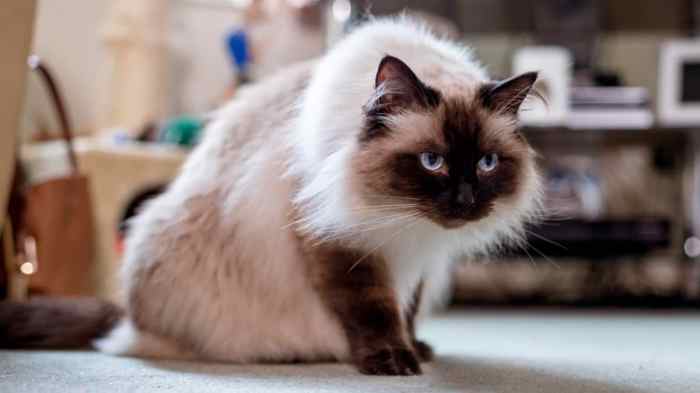
Source: rover.com
Health testing is paramount in Himalayan cats due to their predisposition to certain genetic conditions, most notably Polycystic Kidney Disease (PKD) and Hypertrophic Cardiomyopathy (HCM). Responsible breeders conduct thorough health testing on their breeding cats to minimize the risk of passing these conditions on to their kittens. These tests typically include ultrasound examinations for PKD and echocardiograms for HCM.Breeders who provide health guarantees demonstrate their commitment to the health and well-being of their kittens.
A health guarantee is a written agreement that assures the buyer that the kitten is free from certain genetic defects for a specified period. These guarantees often cover the cost of veterinary care for specific conditions.Commonly offered health guarantees typically cover genetic defects diagnosed within a certain timeframe (e.g., one year). Some guarantees may also cover congenital defects present at birth.
The terms and conditions of the guarantee vary from breeder to breeder, so it’s essential to carefully review the agreement before purchasing a kitten.
Sample Health Guarantee Clause: “Seller guarantees this kitten to be free from genetic defects, including Polycystic Kidney Disease (PKD) and Hypertrophic Cardiomyopathy (HCM), for a period of one year from the date of purchase. Should a genetic defect be diagnosed by a licensed veterinarian within this period, Seller will reimburse the Buyer for reasonable veterinary expenses, up to a maximum of $2,000, upon presentation of valid receipts.”
Conclusive Thoughts
Navigating the world of Himalayan cat price can feel overwhelming, but hopefully, this guide has provided clarity and a realistic understanding of the financial commitment involved. Remember, owning a Himalayan is a long-term responsibility, encompassing not just the initial purchase but also consistent care and attention. By carefully considering all the factors we’ve discussed – breeder reputation, health testing, grooming needs, and potential veterinary expenses – you can ensure you’re prepared to provide the best possible life for your beautiful Himalayan companion.
Whether you choose to adopt or purchase from a breeder, the rewards of sharing your life with a Himalayan are immeasurable. With proper planning and budgeting, you can enjoy years of companionship with this truly special breed.
Top FAQs
What’s the average lifespan of a Himalayan cat?
Generally, Himalayans live between 9 and 15 years with proper care and a healthy diet.
Do Himalayans require a special diet?
Yes, a high-quality diet formulated for long-haired cats is recommended to support their coat health and overall well-being. Talk to your vet about specific dietary needs.
Why are some Himalayan coat colors more expensive?
Rarity plays a big role. Colors like lynx point or certain shade variations are less common and therefore command higher prices.
What is PKD and why is it important for Himalayan cats?
PKD (Polycystic Kidney Disease) is a genetic condition common in Himalayans. Reputable breeders screen their cats for this disease, and kittens from screened parents are generally more expensive.
Can I groom a Himalayan cat myself, or do I need a professional?
Daily brushing is essential to prevent mats. While you can do this yourself, professional grooming every few months is often recommended to maintain their coat’s health and appearance.
What’s the difference between CFA and TICA breeders?
Both are cat registries. CFA (Cat Fanciers’ Association) is older and more established, while TICA (The International Cat Association) is more modern and allows for a wider range of breeds. Certification from either indicates adherence to certain breeding standards.
What are the benefits of adopting a Himalayan cat?
Adoption saves a life, is often less expensive than buying from a breeder, and you’ll be giving a deserving cat a loving home.

