Himalayan cats, with their striking blue eyes and luxurious coats, are undeniably captivating. But before you fall head over heels for one of these fluffy companions, understanding the potential costs involved is crucial. This guide dives deep into the world of Himalayan cats price, exploring everything from breeder reputation and health testing to coat color variations and ongoing expenses. We’ll break down the factors that influence the price tag and help you budget responsibly for your new furry friend.
From their fascinating history, tracing back to crosses between Persian and Siamese cats, to their unique physical traits – the long, flowing fur, the flattened face, and those mesmerizing blue eyes – Himalayan cats are a breed with a lot to offer. Their sweet and gentle personalities make them wonderful family pets, but their specific needs and potential health concerns also contribute to their overall cost.
Let’s explore what you can expect to pay and how to make an informed decision.
Introduction to Himalayan Cats
The Himalayan cat, a delightful blend of Persian and Siamese heritage, has captivated cat lovers for decades. Their striking appearance and sweet personalities make them highly sought-after companions. Understanding the factors that influence their price requires a look at their history, characteristics, and the complexities of responsible breeding. This guide will break down everything you need to know about Himalayan cat prices, from initial purchase to ongoing care.Himalayan cats originated in the 1950s when breeders attempted to combine the Persian’s luxurious coat with the Siamese’s striking color points.
Early attempts were challenging, requiring multiple generations to achieve the desired traits. The breed was officially recognized by the Cat Fanciers’ Association (CFA) in 1977. Their lineage is a testament to careful breeding practices and a dedication to preserving specific physical and temperamental qualities.Physically, Himalayan cats are medium to large-sized cats, typically weighing between 7 and 12 pounds. They inherit the Persian’s long, flowing coat, which requires regular grooming to prevent mats and tangles.
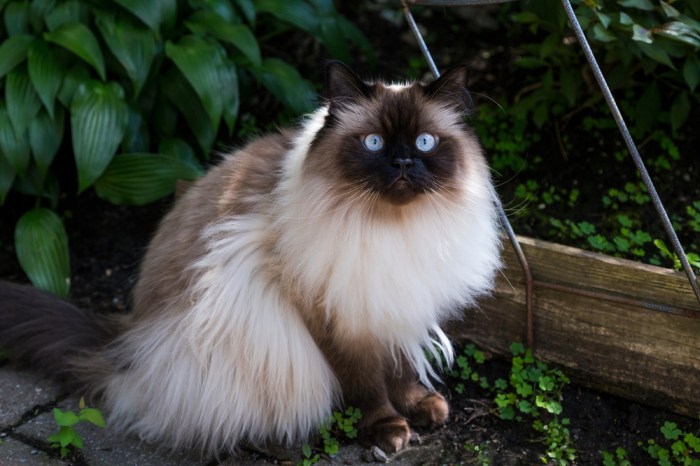
Their eyes are a defining feature – a brilliant, deep blue. The color points (ears, face, paws, and tail) can vary in shades of seal, blue, lilac, chocolate, and more. Their build is sturdy and cobby, reflecting their Persian ancestry.Himalayans are known for their gentle and affectionate nature. They are often described as docile and quiet, enjoying a calm and predictable environment.
While they can be playful, they are not typically as energetic as some other breeds. They thrive on human interaction and often form strong bonds with their families.
| Feature | Description | Importance to Price |
|---|---|---|
| Coat Length & Texture | Long, flowing, dense coat requiring significant grooming. | High – Increased grooming needs translate to higher care costs and potentially higher breeder investment in quality breeding stock. |
| Eye Color | Intense, deep blue. | Medium – Consistent, vibrant blue eyes are a breed standard and desirable trait. |
| Color Points | Variety of colors (seal, blue, lilac, chocolate, etc.). | Medium – Rarer color points can command a higher price. |
| Size & Build | Medium to large, cobby build. | Low – While size is a factor, it’s less impactful on price than coat and color. |
| Temperament | Gentle, affectionate, docile. | Medium – Desirable temperament contributes to overall value. |
Factors Influencing Price – Breeder Reputation & Location
Source: catster.com
The price of a Himalayan kitten isn’t solely determined by breed. A breeder’s reputation plays a crucial role, significantly impacting the cost. Reputable breeders invest heavily in health testing, lineage verification, and socialization, all of which contribute to a healthier and better-adjusted kitten. Show quality lineage also adds to the price.Breeders who consistently produce show-quality cats, participate in cat shows, and have a proven track record of healthy kittens typically charge higher prices.
They often conduct extensive genetic testing to minimize the risk of inherited diseases. Lineage tracing, demonstrating a history of champion bloodlines, is another factor that increases value.While specific breeder names are best avoided, it’s helpful to understand pricing tiers. Tier 1 breeders (show breeders with extensive health testing and champion lineage) often charge $2500 or more. Tier 2 breeders (pet quality breeders with some health testing and good lineage) typically range from $1500 to $2500.
Tier 3 breeders (backyard breeders with limited or no health testing and unknown lineage) may offer kittens for $500 to $1500, but caution is strongly advised.Geographically, Himalayan cats are commonly bred in regions with established cat fancy communities, such as California, New York, and Florida. Urban areas generally have higher prices due to higher cost of living and increased demand.
Rural areas may offer slightly lower prices, but it’s essential to thoroughly vet the breeder.
- Show Breeder: $2500+
-Extensive health testing (genetic screening for PKD, PRA, etc.), champion lineage, socialization, CFA registration. - Pet Quality Breeder: $1500 – $2500 – Some health testing (often PKD screening), good lineage, socialization, CFA registration.
- Backyard Breeder: $500 – $1500 – Limited or no health testing, unknown lineage, potentially inadequate socialization.
-Significant risk of health and temperament issues.*
Price Breakdown: Kitten vs. Adult
The price difference between Himalayan kittens and adult cats is significant, with kittens generally commanding a higher price. This is primarily due to several factors, including demand, perceived value, and the breeder’s investment in raising the kitten.Kittens are highly desirable due to their playful nature and the opportunity to bond with them from a young age. The “novelty factor” also contributes to higher demand.
Adult cats, while equally loving, often don’t command the same premium.Raising a kitten to selling age involves considerable expense for the breeder. This includes vaccinations (typically a series of shots), deworming, high-quality kitten food, regular vet checkups, and extensive socialization to ensure the kitten is well-adjusted and comfortable in various environments. These costs are factored into the kitten’s price.Age influences the perceived value and desirability of a Himalayan cat.
Kittens represent a fresh start and the potential for a long-lasting bond. Adult cats, while often already trained and socialized, may have an unknown history, which can be a deterrent for some buyers.
Health & Genetics – Impact on Cost
Himalayan cats are predisposed to certain health concerns, including polycystic kidney disease (PKD), progressive retinal atrophy (PRA), and hypertrophic cardiomyopathy (HCM). Responsible breeders prioritize health testing to minimize the risk of these conditions.Health testing and genetic screening significantly influence the price of a Himalayan kitten. Breeders who invest in these tests are able to provide potential buyers with assurance regarding the kitten’s health.
Genetic testing for PKD and PRA are particularly important for Himalayan cats.
| Health Test | Description | Cost to Breeder | Impact on Kitten Price |
|---|---|---|---|
| Polycystic Kidney Disease (PKD) DNA Test | Screens for the PKD1 gene mutation. | $75 – $150 per cat | $200 – $500 (reflects breeder’s investment and assurance) |
| Progressive Retinal Atrophy (PRA) DNA Test | Screens for various PRA mutations. | $100 – $200 per cat | $300 – $600 (reflects breeder’s investment and assurance) |
| HCM Screening (Echocardiogram) | Ultrasound of the heart to detect HCM. | $200 – $400 per cat | $400 – $800 (reflects breeder’s investment and assurance) |
| Veterinary Health Certificate | Confirmation of overall health by a licensed veterinarian. | $50 – $100 | $50 – $100 (demonstrates breeder’s commitment to health) |
Breeders often provide guarantees and health warranties, offering protection against certain genetic conditions within a specified timeframe. These guarantees are a sign of a reputable breeder’s confidence in their breeding program.
Coat & Color Variations – Price Differences
Himalayan cats exhibit a wide range of coat colors and patterns, including seal point, blue point, lilac point, chocolate point, and more. The rarity and desirability of these colors significantly impact the price.Seal point is the most common and generally the least expensive color variation. Blue point is also relatively common. Lilac point and chocolate point are considered less common and typically command a higher price.
Rare color combinations or patterns, such as tabby points or tortie points, can be significantly more expensive.
| Coat Color | Price Range (USD) |
|---|---|
| Seal Point | $1200 – $2000 |
| Blue Point | $1500 – $2500 |
| Lilac Point | $2000 – $3500 |
| Chocolate Point | $2000 – $3500 |
| Rare Color Variation (e.g., Tortie Point) | $3500+ |
Imagine a Himalayan cat with a striking lilac point coloration. Its long, flowing coat is a creamy white, contrasting beautifully with the soft, lavender-grey shading on its ears, face, paws, and tail. The eyes are a mesmerizing, deep sapphire blue, further enhancing its elegance. The overall impression is one of refined beauty and rarity, reflecting the careful breeding and genetic selection required to produce such a unique and desirable cat.
Pedigree & Show Quality – Premium Pricing
A Himalayan cat’s pedigree is a record of its ancestry, tracing back several generations. This documentation is crucial for breeders and potential buyers, providing insights into the cat’s lineage and potential health risks. A well-documented pedigree adds significant value to a Himalayan cat.Show-quality Himalayan cats possess specific physical characteristics that adhere to breed standards set by organizations like the CFA.
These include a perfectly rounded face, a short, cobby body, a luxurious coat, and vibrant blue eyes. They are judged on their conformation and overall appearance.Breeding and showing Himalayan cats is a costly endeavor. It involves significant investment in breeding stock, health testing, registration fees, travel expenses to shows, and entry fees. These costs are reflected in the price of show-quality kittens.
“The difference between a ‘pet quality’ Himalayan and a ‘show quality’ Himalayan lies in adherence to the breed standard. Pet quality cats are lovely companions but may have minor deviations from the ideal conformation. Show quality cats exemplify the breed standard and are capable of winning awards in cat shows.”
Acquisition Methods: Breeder vs. Rescue/Shelter
Purchasing a Himalayan cat from a reputable breeder versus adopting from a rescue or shelter presents different costs and considerations. Breeders typically charge significantly more than adoption fees.Adopting a Himalayan (or a Himalayan mix) from a rescue or shelter is considerably less expensive, with adoption fees typically ranging from $50 to $200. However, the cat’s history may be unknown, and there’s a higher risk of underlying health issues.
Breeders offer the assurance of health testing and a known lineage.
- Breeder: Higher initial cost, known lineage, health testing, socialization, potential health guarantees.
- Rescue/Shelter: Lower initial cost, unknown history, potential health issues, opportunity to provide a home for a cat in need.
Owning a Himalayan cat involves ongoing expenses beyond the initial purchase price. These include high-quality food, litter, regular vet care, and grooming. Specialized diets may be necessary to address specific health concerns.
| Acquisition Method | Estimated Cost Breakdown |
|---|---|
| Breeder | Initial Cost: $1500 – $3500+; Ongoing Expenses: $50 – $150/month |
| Rescue/Shelter | Initial Cost: $50 – $200; Ongoing Expenses: $50 – $100/month |
Geographic Price Variations – Regional Differences
Average prices for Himalayan cats vary significantly by region. Regions with high demand and limited availability, such as California and the Northeast, tend to have higher prices. Rural areas may offer slightly lower prices, but transportation costs can offset this difference.Demand, availability, and the cost of living all contribute to regional price differences. Areas with a strong cat fancy community and a higher concentration of affluent cat lovers typically command higher prices.Shipping costs can significantly impact the overall price when purchasing a Himalayan cat from a distant breeder.
These costs can range from $100 to $500 or more, depending on the distance and the shipping method.
- High: California, New York, Florida ($2000 – $4000+)
- Medium: Midwest, Texas ($1500 – $2500)
- Low: Rural areas in the South ($1000 – $2000)
Ongoing Expenses – Budgeting for a Himalayan
Owning a Himalayan cat requires a commitment to ongoing expenses, including food, litter, vet care, and grooming. High-quality food is essential to maintain their health and coat condition.Preventative healthcare is crucial for Himalayan cats, given their predisposition to certain health conditions. Regular vet checkups, vaccinations, and parasite prevention are essential.Here’s a sample monthly budget for owning a Himalayan cat:
- Food: $50 – $100
- Litter: $30 – $50
- Vet Care (preventative): $25 – $50
- Grooming (professional): $50 – $100 (or $20-$40 for at-home supplies)
- Toys & Enrichment: $10 – $20
- Miscellaneous: $10 – $20
Total: $175 – $340+
Grooming frequency and type significantly affect costs. Professional grooming can be expensive, but it’s often necessary to maintain a Himalayan’s long coat. Regular brushing at home can help reduce the need for professional grooming.
Negotiating Price & Avoiding Scams
Negotiating the price of a Himalayan cat with a breeder is possible, but it’s important to be respectful and understand the breeder’s costs. Focus on the kitten’s health and lineage rather than solely on the price.Red flags to watch out for when purchasing a Himalayan cat online include excessively low prices, breeders who are unwilling to provide health records, and breeders who pressure you to make a quick decision.Verifying a breeder’s credentials and reputation is crucial.
Check for CFA registration, ask for references from previous buyers, and visit the breeder’s cattery if possible.Here’s a checklist of questions to ask a breeder before purchasing a Himalayan cat:
- Are the parents health tested for PKD and PRA?
- Can I see health records for the kitten and its parents?
- What is the kitten’s vaccination and deworming history?
- What is your policy on health guarantees?
- Can I visit your cattery?
- Can I speak with references from previous buyers?
Ending Remarks
Ultimately, the price of a Himalayan cat is a complex equation, influenced by a multitude of factors. Whether you choose to purchase from a reputable breeder, adopt from a rescue, or consider regional price variations, careful research and budgeting are key. By understanding the costs associated with acquiring and caring for a Himalayan, you can ensure a happy and healthy life for your new companion, and a financially sound experience for yourself.
Remember, investing in a healthy, well-bred Himalayan is an investment in years of love and companionship.
FAQs
What’s the average price range for a Himalayan kitten?
Generally, you can expect to pay between $1,500 and $5,000 for a Himalayan kitten, though prices can exceed this range for show-quality or rare color variations.
Why are Himalayan cats often more expensive than other breeds?
Their complex breeding history, the need for specialized care to address potential health issues, and the demand for specific coat colors all contribute to their higher price point.
Do adult Himalayan cats cost less than kittens?
Yes, adult Himalayans typically cost less than kittens, often ranging from $800 to $2,500. However, adult cats may come with unknown health histories.
What health tests should a reputable breeder provide proof of?
Look for proof of testing for Polycystic Kidney Disease (PKD), Progressive Retinal Atrophy (PRA), and potentially hypertrophic cardiomyopathy (HCM).
What does “pet quality” vs. “show quality” mean for a Himalayan?
“Pet quality” Himalayans are healthy and have good temperaments but may not meet the strict breed standards required for showing. “Show quality” cats have exceptional conformation, coat, and eye color, and are bred specifically to compete in cat shows.
Are there any hidden costs to owning a Himalayan cat?
Yes! Factor in grooming (professional grooming can be expensive), specialized food for sensitive digestive systems, and potential vet bills related to breed-specific health concerns.
How can I avoid scams when buying a Himalayan cat online?
Always visit the breeder in person, ask for health records, and be wary of prices that seem too good to be true. Check online reviews and ask for references.

