The Korat cat, often called the “Good Fortune Cat” in its native Thailand, is a truly captivating breed. With its shimmering silver-blue coat and emerald green eyes, it’s easy to see why these cats are so highly sought after. But beyond their undeniable beauty, the price of a Korat can vary significantly. This guide dives deep into the factors influencing Korat price, from lineage and breeder reputation to geographic location and even coat quality, helping you understand what you’re investing in when bringing one of these special felines into your home.
We’ll explore everything from the historical significance of the breed and its unique characteristics to the ongoing costs of ownership and potential resale value. Whether you’re a seasoned cat enthusiast or a first-time Korat owner, this resource will provide valuable insights into the world of Korat pricing and responsible pet ownership.
Introduction to Korat Cats & Their Value
The Korat cat, often dubbed the “Silver Vase” in its native Thailand, is more than just a pretty face. It’s a breed steeped in history, revered for its unique appearance, and cherished for its gentle personality. Understanding the factors that contribute to a Korat’s value – both monetary and emotional – requires a look at its origins, characteristics, and the nuances of the cat world.
This article will delve into those aspects, providing a comprehensive guide to understanding the price of this remarkable breed.The Korat’s story begins in the Korat province of Thailand, where it’s been a symbol of good luck and prosperity for centuries. Legends abound, with some tales claiming the number of kittens in a litter predicts the owner’s fortune. Historically, Korats were not bred as show cats; they were simply a beloved part of Thai village life.
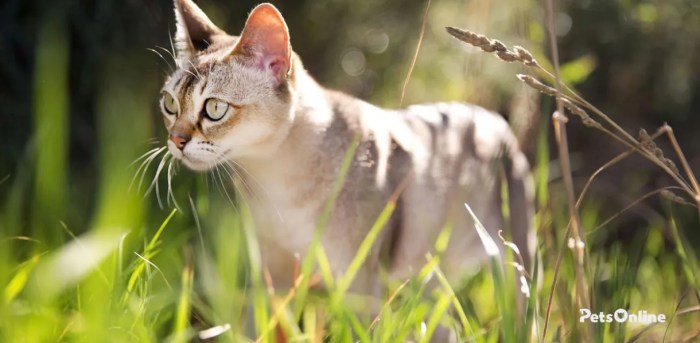
It wasn’t until the 1950s that the breed began to gain recognition internationally, brought to the United States by Gertrude Prescott Little. The breed’s acceptance into major cat registries, like the Cat Fanciers’ Association (CFA), solidified its place in the world of pedigree cats.The breed’s appeal is undeniable, largely due to its striking physical characteristics. The most defining feature is its short, dense, and incredibly soft blue-gray coat, often described as having a “silver” sheen.
This silvering effect is due to the way the silver hairs are distributed throughout the coat. They have large, round, green eyes that are often described as “almond-shaped,” and a wedge-shaped head with prominent, high cheekbones. Their body is muscular and compact, giving them a sturdy and graceful appearance. The tail is medium in length, tapering to a rounded tip.
These combined features create a cat that is both elegant and endearing.Korats are known for their affectionate and gentle personalities. They are often described as being loyal and devoted to their families, forming strong bonds with their human companions. While they enjoy playtime and interaction, they are also content to simply curl up on a lap and enjoy a quiet moment.
They are intelligent cats and can be trained to do tricks or play interactive games. They are generally quiet cats, but they do communicate with soft chirps and trills. Their playful yet calm demeanor makes them excellent companions for individuals and families alike.
Comparing Korat Characteristics
To better understand what sets a Korat apart, let’s compare its characteristics to those of two other popular breeds: the Siamese and the Russian Blue.
| Feature | Korat | Comparison Breed |
|---|---|---|
| Coat Color | Blue-gray with silver tipping | Siamese: Pointed (seal, chocolate, blue, lilac) / Russian Blue: Solid gray |
| Eye Color | Green | Siamese: Blue / Russian Blue: Green |
| Body Type | Muscular, compact | Siamese: Slender, elegant / Russian Blue: Muscular, medium-sized |
| Temperament | Affectionate, gentle, loyal | Siamese: Vocal, demanding, intelligent / Russian Blue: Quiet, reserved, gentle |
| Origin | Thailand | Siamese: Thailand / Russian Blue: Russia |
Factors Influencing Korat Price
The price of a Korat cat isn’t a fixed number; it’s influenced by a variety of factors, ranging from the cat’s lineage to the breeder’s reputation. Understanding these factors is crucial for anyone considering purchasing a Korat.Lineage and pedigree play a significant role in determining a Korat’s cost. Cats with a documented pedigree, tracing back to champion bloodlines, are generally more expensive.
This is because breeders who focus on pedigree cats invest heavily in health testing and careful breeding practices to maintain the breed’s standards and minimize the risk of genetic health issues. A cat with a strong pedigree is seen as a more valuable investment, particularly for those interested in showing or breeding.The reputation of the breeder is another key factor.
Established breeders with a history of producing healthy, well-socialized Korats often command higher prices. Reputable breeders are transparent about their breeding practices, provide health guarantees, and are willing to answer questions about the cat’s lineage and care. They often participate in cat shows and are recognized within the Korat breed community. Conversely, cats from less reputable breeders may be cheaper, but there’s a higher risk of health or temperament issues.Coat quality, specifically the degree of silvering and the texture of the fur, significantly impacts a Korat’s value.
The ideal Korat coat has a distinct silver sheen, achieved through the distribution of silver hairs throughout the blue-gray base coat. A coat with a more pronounced silvering is considered more desirable and commands a higher price. The texture should be short, dense, and incredibly soft – a hallmark of the breed. Cats with coarser or less dense coats are generally less valuable.Show-quality Korats consistently fetch higher prices than pet-quality cats.
Show-quality cats meet the breed standard meticulously, exhibiting exceptional coat color, eye color, body conformation, and temperament. Breeders invest significant time and resources in developing show-quality cats, and their prices reflect this investment. These cats are often sought after by breeders looking to improve their own lines or by enthusiasts who want a cat that embodies the breed’s ideal characteristics.
Korat Coat Quality Grades & Price Ranges
Here’s a breakdown of different coat quality grades and their associated price ranges (these are estimates and can vary based on location and breeder):
- Excellent: Exceptional silvering, dense and incredibly soft coat, flawless appearance. ($2500 – $5000+)
- Good: Noticeable silvering, dense and soft coat, minor imperfections. ($1800 – $2500)
- Fair: Moderate silvering, coat may be slightly less dense or soft, some noticeable imperfections. ($1200 – $1800)
- Pet Quality: Minimal silvering, coat may be coarse or thin, several imperfections. (Under $1200)
Geographic Price Variations
Source: com.au
The price of a Korat cat can vary significantly depending on geographic location. This is due to factors such as breeder availability, demand, and shipping costs.In the United States, the average price of a Korat kitten ranges from $1500 to $3500, with variations across different regions. The East Coast and West Coast tend to have higher prices due to higher demand and a greater concentration of reputable breeders.
The Midwest generally has slightly lower prices, while the South can be variable depending on breeder availability. Shipping costs also contribute to price differences, as breeders often charge for transporting kittens to distant locations.Comparing prices across the Atlantic, Korats in Europe (UK, Germany, France) typically range from €1500 to €4000 (approximately $1600 – $4300 USD). The availability of Korats in Europe is generally lower than in the United States, which contributes to the higher prices.
Importing a Korat from the United States to Europe can incur significant shipping costs and import duties.Asia, particularly Thailand, is the origin of the Korat breed, but surprisingly, they aren’t always readily available or inexpensive. While you might find local breeders, the focus is often on traditional breeding practices rather than adhering strictly to show standards. Prices in Thailand can range from ฿5,000 to ฿20,000 (approximately $140 – $560 USD), but finding a Korat with a documented pedigree can be challenging.
Japan also has a small but dedicated community of Korat breeders, with prices ranging from ¥200,000 to ¥500,000 (approximately $1400 – $3500 USD).
Average Korat Prices by Country
| Country | Price Range (USD) | Currency | Notes |
|---|---|---|---|
| United States | $1500 – $3500 | USD | Wide variation based on breeder and region. |
| United Kingdom | £1200 – £3200 | GBP | Limited availability, import costs can be high. |
| Germany | €1400 – €3800 | EUR | Similar to the UK, availability is limited. |
| France | €1500 – €4000 | EUR | Growing interest in the breed. |
| Thailand | $140 – $560 | THB | Local breeders, pedigree documentation may be limited. |
| Japan | $1400 – $3500 | JPY | Dedicated breeders, high-quality cats. |
Summary
Ultimately, the korat price isn’t just about the initial purchase; it’s a reflection of the breed’s rarity, the breeder’s dedication, and the long-term commitment to providing a healthy and happy life for your new companion. By understanding the various factors at play, you can make an informed decision and ensure you’re getting a well-bred, healthy Korat that will bring joy and good fortune to your family for years to come.
Remember, a well-cared-for Korat is an investment in a lifetime of companionship and unconditional love.
FAQ Corner
What’s the difference between a pet-quality and a show-quality Korat?
Show-quality Korats meet strict breed standards regarding coat color, body structure, and eye color, making them more expensive. Pet-quality Korats are still wonderful companions but may have minor deviations from the ideal standard.
Do Korats have any specific health concerns that impact their price?
Hypertrophic cardiomyopathy (HCM) is a concern in Korats. Breeders who perform genetic testing to screen for HCM often charge more, but it’s a worthwhile investment for peace of mind.
Can I find Korat kittens at animal shelters?
It’s rare, but not impossible! Korats are not common in shelters, so adoption requires patience and diligent searching. Adoption fees are typically much lower than purchasing from a breeder.
What’s the average lifespan of a Korat cat?
With proper care, Korats typically live between 10 and 15 years, sometimes even longer.
What kind of food is best for a Korat?
High-quality, protein-rich cat food is essential for a Korat’s health and coat. Look for foods with real meat as the primary ingredient and avoid those with excessive fillers.
How much litter should I expect to use each month?
Litter usage varies depending on the cat’s size and habits, but a single Korat typically uses around 2-4 pounds of litter per week.
What are the signs of a reputable Korat breeder?
A reputable breeder will be knowledgeable about the breed, health test their cats, provide a health guarantee, and be happy to answer your questions.

