Let’s be honest, cat ownership is wonderful – the cuddles, the playful antics, the comforting purrs. But the lingering scent of a litter box? Not so wonderful. Dealing with cat litter odor is a common frustration for even the most dedicated cat lovers. This guide dives deep into the world of cat litter deodorizers, exploring different types, ingredients, and best practices to keep your home smelling fresh and your feline friend happy.
We’ll cover everything from natural solutions to innovative technologies, helping you find the perfect solution for your cat and your home.
The good news is, you don’t have to resign yourself to a perpetually smelly house. Understanding the sources of the odor – from bacteria to ammonia – is the first step. Then, choosing the right deodorizer, whether it’s a simple baking soda sprinkle or a high-tech air purifier, can make a huge difference. We’ll also look at how proper litter box maintenance plays a crucial role in odor control, ensuring a clean and healthy environment for both you and your cat.
The Ultimate Guide to Cat Litter Deodorizers: Keeping Your Home Fresh
Let’s be honest, cat ownership is wonderful. The cuddles, the playful antics, the comforting purrs… but the litter box? Not so much. That lingering odor can quickly turn a cozy home into a source of frustration. This guide is your comprehensive resource for tackling cat litter smells, exploring different deodorizer types, and creating a fresh, clean environment for both you and your feline friend.
We’ll dive deep into the science, the safety, and the best practices to keep your home smelling its best.
Why is odor control so important? For your cat, a consistently clean and odor-free litter box encourages them to use it regularly, preventing behavioral issues. For you, it’s about maintaining a pleasant living space and avoiding those embarrassing moments when guests come over. Cat litter itself varies greatly – from traditional clay to clumping, crystal, and natural options like wood and paper – and each type presents unique odor challenges.
Imagine Sarah, a busy professional, constantly battling a pungent smell emanating from her cat’s litter box. She’s tried everything – different litters, more frequent scooping – but nothing seems to completely eliminate the odor. She’s stressed, her cat is sometimes avoiding the box, and her apartment just doesn’t feel as welcoming as it used to. This guide is for Sarah, and for anyone else struggling with the same problem.
Types of Cat Litter Deodorizers: A Comprehensive Look
There’s a dizzying array of cat litter deodorizers on the market, each promising a solution to that persistent odor. Understanding the different types and how they work is the first step to finding the right one for your needs. We’ve categorized them below, outlining their pros, cons, and approximate costs. Choosing the right deodorizer isn’t just about masking the smell; it’s about understanding the science behind odor elimination.
Deodorizer Comparison Table
| Type | Pros | Cons | Typical Cost |
|---|---|---|---|
| Sprays | Easy to use, readily available, variety of scents. | Scent can be overpowering, may contain chemicals, effectiveness varies. | $5 – $15 |
| Powders | Absorbent, can be sprinkled directly into litter. | Can create dust, may clump with litter, potential for cat ingestion. | $8 – $20 |
| Gels | Long-lasting, often contain odor-absorbing ingredients. | Can be messy, some cats may be attracted to eat them, limited scent options. | $10 – $25 |
| Charcoal Filters | Passive odor absorption, discreet. | Limited effectiveness in heavily soiled boxes, needs regular replacement. | $15 – $30 |
| Baking Soda | Natural, inexpensive, readily available. | Can clump with litter, effectiveness can diminish quickly. | $2 – $10 |
| Enzymatic Cleaners | Breaks down odor-causing molecules, effective on urine stains. | Requires application to soiled areas, may have a strong initial scent. | $12 – $25 |
| Essential Oil Blends | Natural scent, can be customized. | Potential toxicity to cats (requires careful dilution and selection), scent can be overwhelming. | $15 – $40 |
The science behind odor control varies. Sprays and gels often
-mask* odors with stronger scents. Baking soda and charcoal
-absorb* odors, trapping them within their porous structure. Enzymatic cleaners go a step further,
-neutralizing* odor-causing molecules by breaking them down into harmless substances. It’s crucial to be aware of potential risks.
Some deodorizers contain phenols or phthalates, which can be harmful to cats if ingested or inhaled. Opting for baking soda, activated charcoal, or carefully diluted essential oil blends are generally safer alternatives.
Natural vs. Chemical Deodorizers: Which is Better?
The debate between natural and chemical deodorizers is a common one among cat owners. Both approaches have their merits and drawbacks. Understanding the ingredients and their impact on your cat’s health and the environment is key to making an informed decision. While chemical deodorizers often promise immediate results, the long-term consequences can be a concern.
Popular Natural Deodorizing Ingredients
- Baking Soda: A readily available and inexpensive absorbent.
- Activated Charcoal: Highly porous, effectively traps odors.
- Zeolites: Mineral-based absorbents with a high surface area.
- Essential Oils: (Used with extreme caution and proper dilution – see section 7) Offer natural scents.
Natural deodorizers offer several benefits. They are generally considered safer for cats, reducing the risk of allergic reactions or toxicity. They also have a lower environmental impact, as they are often biodegradable and derived from renewable resources. However, their effectiveness can sometimes be less immediate than chemical alternatives.
Chemical deodorizers typically rely on synthetic fragrances and chemicals to mask or neutralize odors. Common ingredients include formaldehyde, ammonia, and various synthetic perfumes. While effective in the short term, these chemicals can irritate a cat’s respiratory system and skin. Furthermore, their production and disposal can contribute to environmental pollution.
Natural vs. Chemical Deodorizer Comparison
| Effectiveness | Safety | Environmental Impact | Cost | Longevity | |
|---|---|---|---|---|---|
| Natural | Moderate (can require more frequent application) | High (generally safer for cats) | Low (biodegradable, renewable resources) | Moderate | Variable (depends on ingredient) |
| Chemical | High (often provides immediate results) | Low (potential for irritation and toxicity) | High (synthetic chemicals, potential pollution) | Low to Moderate | Moderate |
Best Practices for Litter Box Maintenance & Odor Control
Even the best deodorizer won’t be effective if the litter box isn’t properly maintained. Consistent cleaning and good hygiene are the foundation of odor control. Think of it as preventative medicine for your cat’s litter box – a little effort goes a long way.
Step-by-Step Litter Box Cleaning Guide
- Scooping Frequency: Scoop solid waste at least once daily, ideally twice.
- Full Litter Changes: Completely empty and clean the litter box every 2-4 weeks, depending on the type of litter and the number of cats.
- Box Disinfection: Wash the litter box with mild soap and warm water. Avoid harsh chemicals like bleach, which can be harmful to cats.
Proper ventilation plays a crucial role in reducing odors. Ensure the litter box is located in a well-ventilated area. Opening a window or using an air purifier can significantly improve air quality. Litter box placement is also important. Avoid placing the box in high-traffic areas or near food and water bowls.
A quiet, accessible location is ideal. For a simple DIY deodorizer, sprinkle a thin layer of baking soda at the bottom of the clean litter box before adding fresh litter. This helps absorb odors and keep the box smelling fresh.
Specific Deodorizer Recommendations for Different Litter Types
Not all deodorizers are created equal. The best choice depends on the type of litter you use. Certain deodorizers work synergistically with specific litter types, maximizing their effectiveness. Understanding these nuances can save you time and money.
Litter Type & Deodorizer Compatibility
- Clay Litter: Baking soda is a good option for absorbing odors. Enzymatic cleaners can help with urine stains.
- Clumping Litter: Charcoal filters are effective at trapping odors. Avoid powders that can clump excessively.
- Crystal Litter: Crystal litter is naturally absorbent, so additional deodorizers may not be necessary. If needed, a light mist of a cat-safe essential oil blend (diluted properly) can be used.
- Wood/Paper Litter: Baking soda or activated charcoal can help control odors.
While specific product recommendations are best researched based on current reviews, here are some general categories to explore for each litter type: Clay – Baking Soda Sprays, Clumping – Charcoal Filters, Crystal – Minimal Deodorization, Wood/Paper – Activated Charcoal Powders. User reviews consistently praise the effectiveness of charcoal filters with clumping litter and baking soda with clay litter. The following flowchart can help guide your selection:
Deodorizer Selection Flowchart
Start: What type of litter do you use?
If Clay: Consider Baking Soda Sprays or Enzymatic Cleaners.
If Clumping: Consider Charcoal Filters or Baking Soda.
If Crystal: Minimal Deodorization is often sufficient. Consider diluted Essential Oil Blends (with caution).
If Wood/Paper: Consider Activated Charcoal Powders or Baking Soda.
Next: How sensitive is your cat? If highly sensitive, prioritize natural options.
Finally: What’s your budget? Baking soda is the most affordable, while advanced systems like self-cleaning litter boxes are the most expensive.
Dealing with Stubborn Odors: Troubleshooting
Sometimes, despite your best efforts, litter box odors persist. This can be due to a variety of factors, from bacterial growth to underlying health issues in your cat. Identifying the root cause is essential for effective odor control.
Common Causes of Persistent Litter Box Odors
- Bacterial Growth: Bacteria thrive in moist litter, producing foul odors.
- Urine Crystals: Certain minerals in urine can form crystals that retain odors.
- Underlying Health Issues: Kidney disease or urinary tract infections can cause unusual urine odors.
Enzymatic cleaners are particularly effective in breaking down odor-causing molecules. They contain enzymes that digest organic matter, eliminating the source of the smell rather than just masking it. For deep cleaning, thoroughly scrub the litter box with a solution of mild soap and water, followed by a rinse with white vinegar. This helps remove embedded odors and disinfect the box.
Troubleshooting Checklist
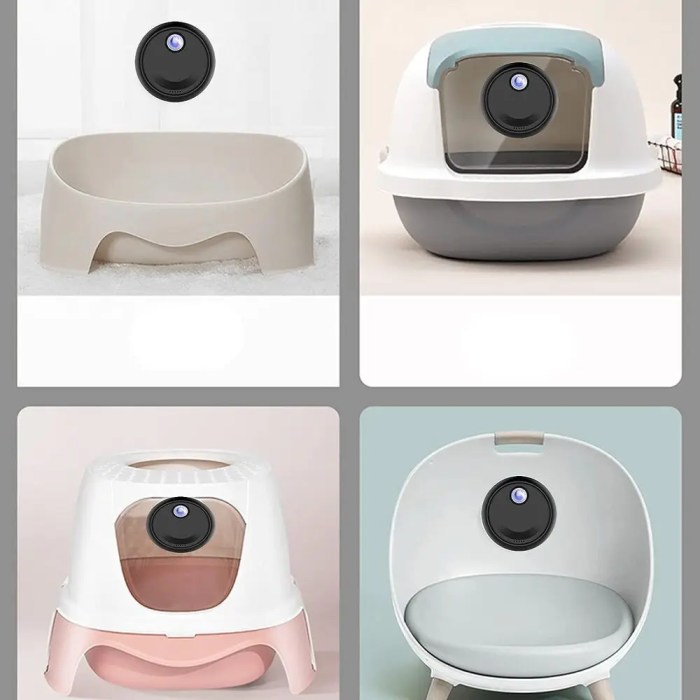
Source: catglamour.com
- Is the litter box cleaned frequently enough?
- Is the litter type appropriate for your cat’s preferences?
- Is there adequate ventilation in the litter box area?
- Has your cat been checked by a veterinarian for any underlying health issues?
- Are you using a deodorizer that is safe and effective for your cat and litter type?
Essential Oils and Cat Litter Deodorization: Safety and Usage
Essential oils can offer a natural scent, but their use around cats requires extreme caution. Many essential oils are toxic to cats, and even diluted oils can cause adverse reactions. Prioritizing your cat’s safety is paramount.
Essential Oils to Avoid
- Tea Tree Oil
- Citrus Oils (Lemon, Orange, Grapefruit)
- Peppermint Oil
- Eucalyptus Oil
- Pine Oil
If you choose to use essential oils, only a few are considered potentially safe in
-very* diluted form. Lavender and chamomile are sometimes used, but always consult with a veterinarian before introducing any essential oils to your cat’s environment. Proper dilution is crucial – typically, no more than 0.5% essential oil in a carrier oil (like coconut or almond oil).
Signs of essential oil toxicity in cats include drooling, vomiting, tremors, and difficulty breathing. Seek immediate veterinary attention if you suspect your cat has been exposed to a toxic essential oil.
Safety First: When using essential oils around cats, always dilute them properly, ensure adequate ventilation, and monitor your cat for any signs of adverse reactions. If in doubt, err on the side of caution and avoid essential oils altogether.
Innovative Solutions & Emerging Technologies
The world of cat litter deodorization is constantly evolving. New technologies and innovative solutions are emerging to address the challenges of odor control. These advancements offer potential benefits for both cat owners and their feline companions.
Emerging Technologies
- Self-Cleaning Litter Boxes: Automatically scoop and dispose of waste, minimizing odor.
- Air Purifiers with HEPA Filters and Activated Carbon: Remove airborne odors and allergens.
- Odor-Absorbing Litter Additives: New materials are being developed to enhance odor absorption.
Imagine a “smart” litter box that automatically deodorizes and monitors litter quality. This concept would incorporate sensors to detect litter moisture levels and odor intensity. When levels exceed a certain threshold, the box would automatically dispense a measured amount of deodorizer and alert the owner via a smartphone app. This system would ensure optimal litter box hygiene and minimize unpleasant odors, providing a more comfortable and convenient experience for both cat and owner.
User Reviews & Testimonials (Without Direct Links)
Hearing from other cat owners can provide valuable insights into the effectiveness of different deodorizers. We’ve compiled common feedback regarding various products, organized by type.
Recurring Themes in User Reviews
- Sprays: Many users find sprays convenient but report that the scent fades quickly. Some have concerns about the strong chemical smell.
- Powders: Users appreciate the absorbency of powders but dislike the dust they create.
- Gels: Gels are generally well-received for their long-lasting odor control, but some cats are attracted to eating them.
- Charcoal Filters: Charcoal filters are praised for their discreetness and effectiveness, particularly with clumping litter.
- Baking Soda: Baking soda is a budget-friendly favorite, but some users find it needs to be replenished frequently.
User Sentiment Summary
| Deodorizer | Average Rating |
|---|---|
| Baking Soda | 4.5 stars |
| Charcoal Filters | 4 stars |
| Enzymatic Cleaners | 3.8 stars |
| Essential Oil Blends | 3.5 stars (with significant safety concerns noted) |
Concluding Remarks
Navigating the world of cat litter deodorizers can feel overwhelming, but hopefully, this guide has provided you with the knowledge and tools to tackle those unwanted smells. From understanding the science behind different deodorizing methods to choosing the safest and most effective options for your cat, we’ve covered a lot of ground. Remember, a clean litter box is a happy cat (and a happy owner!).
By implementing the tips and recommendations Artikeld here, you can create a fresher, more pleasant home environment for everyone.
Don’t be afraid to experiment to find what works best for your cat’s litter type and your personal preferences. Regular maintenance and a proactive approach are key to keeping those odors at bay and enjoying all the joys of cat ownership without the unpleasant smells.
Quick FAQs
How often should I change my cat’s litter?
Ideally, scoop the litter box daily and do a full litter change every 2-4 weeks, depending on the type of litter and the number of cats using it.
Are essential oils safe to use around cats?
Many essential oils are toxic to cats. It’s crucial to research thoroughly and only use cat-safe oils in very diluted forms, and even then, monitor your cat for any adverse reactions.
What’s the difference between masking and neutralizing odors?
Masking scents simply cover up the odor, while neutralizing deodorizers chemically break down the odor-causing molecules.
Can litter box odor indicate a health problem?
Yes, a sudden change in litter box odor or increased frequency of urination/defecation could indicate a urinary tract infection or other health issue. Consult a vet if you notice any concerns.
Do self-cleaning litter boxes really eliminate odors?
Self-cleaning boxes can significantly reduce odors, but they aren’t a complete solution. Regular litter changes and occasional deep cleaning are still necessary.
What is an enzymatic cleaner and how does it work?
Enzymatic cleaners contain enzymes that break down the organic compounds (like urine and feces) that cause odors. They’re very effective for removing embedded smells.