Those adorable feline eyes – often a vibrant green, blue, or gold – can sometimes develop intriguing brown spots. It’s a change that can understandably cause concern for cat owners. This guide dives into the world of brown spots on cats’ eyes, exploring what they are, what might cause them, and how to best care for your furry friend. We’ll cover everything from normal pigmentation variations to potential medical conditions, helping you understand what’s happening and when to seek veterinary advice.
Genetics play a huge role in a cat’s eye color, with melanin being the key pigment. While some spots are simply a harmless variation, others could indicate underlying issues like pigmentary iris atrophy (PIA). Understanding the difference is crucial for ensuring your cat’s eye health and overall well-being. We’ll break down the different types of spots, potential causes, and the diagnostic procedures your vet might use.
Brown Spots on Your Cat’s Eyes: What You Need to Know
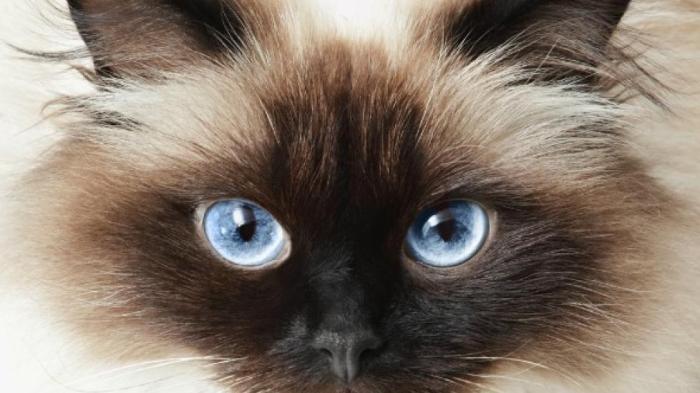
Source: petmd.com
Seeing a brown spot or discoloration in your cat’s eye can be concerning. It’s natural to wonder what’s causing it and whether it requires veterinary attention. This guide will explore the various reasons behind these spots, from normal pigmentation variations to potential medical conditions, and what you can do to ensure your feline friend’s eye health. We’ll break down the science, the potential causes, and the steps you can take to monitor and manage your cat’s eye health effectively.
Understanding Feline Eye Markings
Cat eyes are captivating, coming in a stunning array of colors – blue, green, yellow, and copper are the most common. These colors aren’t random; they’re largely determined by genetics. Melanin, the same pigment responsible for skin and hair color, plays a crucial role in eye coloration. The amount and distribution of melanin dictate the final hue we see. While variations in pigmentation are often normal, it’s important to distinguish between typical markings and signs of a potential problem.
A few small spots might be nothing to worry about, but widespread discoloration or changes in behavior warrant a closer look.
| Eye Color | Typical Pigmentation | Genetic Influence |
|---|---|---|
| Blue | Low melanin concentration; often associated with white or light-colored coats. | Recessive genes; the absence of melanin production. |
| Green | Moderate melanin concentration; a balance between yellow and blue pigments. | Complex genetic interactions; influenced by multiple genes. |
| Yellow | Higher melanin concentration; often seen in cats with orange or red coats. | Dominant genes; increased melanin production. |
| Copper | Very high melanin concentration; a rich, reddish-brown hue. | Strongly influenced by the orange gene (O) and its alleles. |
Types of Brown Spots: Appearance and Variations
Brown spots on a cat’s iris can manifest in various ways. You might notice small, freckle-like spots scattered across the iris, or larger, more defined patches of discoloration. Sometimes, the spots form ring-like patterns around the pupil. The extent of the discoloration is also important; a few isolated spots are generally less concerning than widespread, uniform discoloration. A particularly interesting pattern is the “bullseye” appearance, where a ring of brown pigment surrounds a central area of the iris, creating a target-like effect.
Imagine a cat with a striking emerald green iris. Scattered across it are tiny, evenly distributed brown freckles, like a constellation of miniature stars. The freckles are so small and dispersed that they don’t obscure the underlying green color, but rather add a subtle, speckled texture. The overall appearance is one of unique beauty and character, a testament to the fascinating variations in feline eye pigmentation.
Potential Causes: Medical and Environmental Factors
Several factors can contribute to the appearance of brown spots on a cat’s eyes. Medical conditions, such as Pigmentary Iris Atrophy (PIA), are a primary concern. Inflammation or injury to the eye can also trigger pigment changes as the eye attempts to heal. Age plays a role too; as cats age, the pigmentation of their eyes can naturally shift. Genetics are also a significant factor, predisposing certain cats to eye pigment changes.
Understanding these potential causes is crucial for proper diagnosis and management.
Here’s a flowchart to help visualize the potential causes:
- Brown Spots Observed
-
- Genetic: Inherited predisposition to pigment changes.
- Environmental: Exposure to toxins, trauma, or UV radiation.
- Medical: Underlying eye conditions like PIA, uveitis, or inflammation.
Pigmentary Iris Atrophy (PIA): A Detailed Explanation
Pigmentary Iris Atrophy (PIA) is a condition where the pigment cells in the iris gradually degenerate, leading to a loss of pigmentation and the appearance of brown spots or patches. It often begins with small, isolated spots that gradually increase in size and number over time. In some cases, PIA can be linked to other eye conditions, such as glaucoma or cataracts, although the exact relationship is not always clear.
A veterinarian will typically diagnose PIA through a thorough eye examination, including assessing the iris’s appearance and ruling out other potential causes.
Other Possible Conditions: Differential Diagnosis
While PIA is a common cause of brown spots, it’s essential to rule out other eye conditions that can present with similar symptoms. Uveitis (inflammation of the middle layer of the eye), iris melanoma (a type of eye cancer), and glaucoma (increased intraocular pressure) can all cause discoloration or changes in the iris. Differentiating between these conditions requires a careful veterinary examination and, in some cases, specialized diagnostic tests.
| Condition | Appearance | Symptoms | Diagnostic Tests |
|---|---|---|---|
| PIA | Brown spots or patches on the iris; gradual loss of pigmentation. | Often asymptomatic; may cause mild vision changes in advanced cases. | Ophthalmoscopy, Schirmer tear test, tonometry. |
| Uveitis | Redness, cloudiness, and inflammation of the eye; may have pigment changes. | Pain, squinting, excessive tearing, sensitivity to light. | Slit-lamp examination, Schirmer tear test, tonometry, blood work. |
| Iris Melanoma | Dark, irregular mass on the iris; may change color over time. | Vision loss, pain, squinting. | Slit-lamp examination, ultrasound, biopsy. |
| Glaucoma | Cloudy cornea, enlarged eye, potential pigment changes. | Pain, squinting, vision loss. | Tonometry, ophthalmoscopy, Schirmer tear test. |
Veterinary Examination and Diagnostic Procedures
A feline eye examination is a crucial step in determining the cause of brown spots. The veterinarian will begin by assessing the cat’s overall health and taking a detailed history. The eye examination itself typically involves checking the pupil’s response to light, examining the cornea and conjunctiva, and assessing the iris’s appearance. A Schirmer tear test measures tear production, while tonometry measures intraocular pressure.
An ophthalmoscope allows the veterinarian to examine the eye’s interior, including the retina and optic nerve.
Diagnostic tools used in feline eye exams include:
- Slit Lamp: Provides a magnified view of the eye’s structures.
- Ophthalmoscope: Allows visualization of the retina and optic nerve.
- Schirmer Tear Test: Measures tear production.
- Tonometry: Measures intraocular pressure.
- Ultrasound: Creates images of the eye’s internal structures.
Home Monitoring and Observation
Regularly observing your cat’s eyes can help detect changes early. Look for any signs of discoloration, squinting, excessive tearing, redness, or changes in pupil size. If you notice any of these signs, it’s important to consult a veterinarian promptly. Use the checklist below to guide your observations.
Checklist for Monitoring Your Cat’s Eyes:
- Note any changes in eye color or pigmentation.
- Observe pupil size and responsiveness to light.
- Check for redness, swelling, or discharge.
- Look for signs of squinting or discomfort.
Gently examine your cat’s eyes by using a bright light and carefully observing the iris and surrounding tissues. Avoid touching the eye directly. If your cat shows any signs of discomfort, stop the examination and consult a veterinarian.
Treatment Options and Management Strategies
Treatment for PIA is often limited, as there is no cure for the condition. However, managing underlying conditions, such as inflammation, can help slow the progression of pigment loss. Regular veterinary checkups are essential for monitoring the condition and detecting any complications. Supportive care measures, such as lubricating eye drops, can help keep the eyes moist and comfortable.
| Treatment/Management Strategy | Expected Outcome |
|---|---|
| Lubricating Eye Drops | Relief from dryness and irritation; may slow progression of pigment loss. |
| Anti-inflammatory Medication | Reduce inflammation and discomfort; may slow progression of PIA. |
| Regular Veterinary Checkups | Early detection of complications and adjustments to treatment plan. |
Breed Predispositions: Which Cats Are More Susceptible?
Certain cat breeds are known to be more prone to pigmentary changes in the eyes. These include Oriental Shorthair, Siamese, and Burmese cats. These breeds often carry specific genetic mutations that affect melanin production, making them more susceptible to PIA and other pigment-related eye conditions. Genetic screening for breeders can help identify and reduce the prevalence of these genes.
Breeds with a Higher Incidence of Eye Pigment Issues:
- Oriental Shorthair: Linked to mutations affecting melanin production.
- Siamese: Known for their distinctive blue eyes and increased risk of PIA.
- Burmese: May exhibit pigment changes due to genetic predispositions.
Preventing Further Complications
Protecting your cat’s eyes from injury is paramount. Keep them away from potential hazards, such as sharp objects and aggressive playmates. A healthy diet and lifestyle contribute to overall eye health. Regular veterinary care is crucial for early detection and management of any potential problems. Environmental factors, such as excessive exposure to sunlight and smoke, can also negatively impact feline eye health.
Ultimate Conclusion
Navigating the world of feline eye health can feel overwhelming, but knowledge is power. We’ve explored the various causes of brown spots, from genetic predispositions to environmental factors and potential medical conditions like PIA. Regular veterinary checkups, careful home observation, and a proactive approach to your cat’s health are the best ways to ensure their eyes remain bright and healthy.
Remember, early detection and appropriate management can significantly impact your cat’s quality of life.
Ultimately, if you notice any changes in your cat’s eyes, especially new spots or concerning symptoms, don’t hesitate to consult with your veterinarian. They are the best resource for accurate diagnosis and personalized care.
Commonly Asked Questions
Are brown spots on a cat’s eyes always a cause for concern?
Not necessarily. Sometimes, they’re a harmless variation in pigmentation, especially if they’ve been present since kittenhood. However, new or changing spots warrant a vet visit.
Can diet affect the pigmentation of a cat’s eyes?
While diet doesn’t directly change eye color, a healthy diet rich in antioxidants can support overall eye health and potentially reduce inflammation that might contribute to pigment changes.
What is Schirmer tear test and why is it performed?
It measures tear production to assess for dry eye, which can sometimes be associated with eye pigment changes or inflammation.
How can I tell the difference between a brown spot and uveitis?
Uveitis often presents with redness, pain, squinting, and cloudiness in the eye, in addition to potential pigment changes. Brown spots are typically more localized and don’t usually cause these additional symptoms.
Is there a cure for Pigmentary Iris Atrophy (PIA)?
Currently, there’s no cure for PIA. Management focuses on addressing any underlying inflammation and providing supportive care like lubricating eye drops.
What breeds are most likely to have brown spots on their eyes?
Certain breeds like Persians, Himalayans, and Turkish Angoras are known to have a higher predisposition to pigmentary changes in the eyes, although it can occur in any breed.
How often should I take my cat to the vet for eye checkups?
Healthy cats should have annual checkups. Cats with a history of eye problems or those belonging to predisposed breeds may benefit from more frequent examinations.

