Ever noticed little flecks or patches of brown in your cat’s eyes? It’s a surprisingly common observation, and while it can sometimes be perfectly normal, it’s also important to understand what might be causing it. From genetics to age and even environmental factors, there’s a lot that can influence the color and appearance of a cat’s eyes. Let’s dive into the world of feline eye pigmentation and figure out what those brown spots might mean for your furry friend.
This isn’t just about aesthetics; changes in a cat’s eyes can sometimes signal underlying health concerns. We’ll explore the different types of brown spots, potential medical conditions, and what steps you can take to ensure your cat’s eye health and well-being. Knowing what to look for and when to seek veterinary advice can make all the difference.
Brown Spots in Cat Eyes: A Comprehensive Guide for Owners
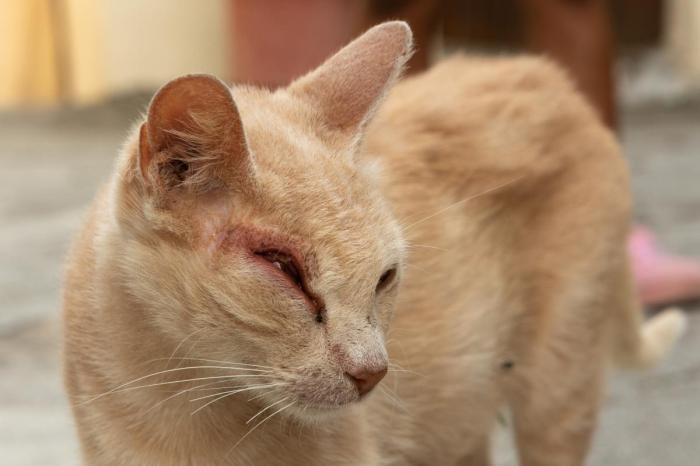
Source: animalwised.com
Those captivating feline eyes – windows to their souls, right? But sometimes, you might notice something a little different: brown spots. It can be unsettling to see a change in your cat’s eyes, and you’re right to be concerned. This guide will walk you through everything you need to know about brown spots in cat eyes, from the common causes to when a vet visit is essential.
We’ll break down the different types of spots, explore potential underlying conditions, and provide practical advice on how to monitor your cat’s eye health. Let’s dive in and unravel this mystery together.
Observing any change in your cat’s eyes is a good reason to pay closer attention. Cats are masters of disguise when it comes to illness, often hiding discomfort until it’s quite advanced. Changes in eye color or the appearance of spots can be an early indicator of a problem, ranging from a harmless genetic trait to a more serious medical condition.
Understanding the potential causes – genetics, age, environment, or disease – is the first step in ensuring your cat receives the appropriate care.
Types of Brown Spots: Appearance and Variations
Brown spots in a cat’s eyes can manifest in various forms, making it tricky to determine their significance. They aren’t all created equal! Some are tiny flecks, barely noticeable, while others are larger patches that are quite prominent. The location of the spot also matters – is it on the iris (the colored part), the sclera (the white part), or around the pupil?
And, of course, the color intensity plays a role, ranging from light tan to deep, reddish-brown.
| Spot Appearance | Location | Possible Initial Impression |
|---|---|---|
| Small, scattered flecks | Iris | Might seem like a minor cosmetic difference, perhaps a unique marking. |
| Large, uniform patch | Iris | Could be more concerning, potentially indicating pigmentary changes. |
| Diffuse, light brown discoloration | Sclera | May be related to age or mild inflammation. |
| Dark brown ring around the pupil | Iris, around pupil | Requires investigation to rule out underlying medical conditions. |
| Reddish-brown speckles | Iris | Could be associated with inflammation or pigmentary issues. |
Genetic Predisposition & Breed-Related Factors
Certain cat breeds are simply more prone to having brown spots in their eyes. This isn’t a disease; it’s a genetic trait that has been passed down through generations. Breeds like Siamese, Burmese, and Oriental Shorthairs are particularly known for exhibiting these pigment variations. The genetics behind eye color in cats are complex, involving multiple genes that control the distribution of melanin, the pigment responsible for color.
Breeders, whether intentionally or unintentionally, can influence these traits by selecting for specific appearances. For example, a breeder might choose to breed cats with particularly striking eye markings, inadvertently increasing the prevalence of brown spots in their lines.
Eye color inheritance in cats follows a fascinating pattern. While the specifics are still being researched, it’s generally understood that multiple genes interact to determine the final eye color. Some genes control the amount of melanin produced, while others control its distribution within the iris. This means that a cat can inherit genes for brown spots from both parents, resulting in a variety of different appearances.
Age-Related Changes and Pigmentation
Just like humans, a cat’s eyes can change with age. One of the most common changes is an increase in pigmentation, often manifesting as brown spots or a general darkening of the iris. This is largely due to the accumulation of melanin over time. Melanin is a natural pigment that protects the eye from damage, and as cats age, more of it tends to deposit in the iris.
While this is a normal process, it’s important to distinguish age-related spots from those caused by other factors, such as disease or injury.
To visualize this, imagine a cat’s eye at different stages of life. A kitten might have a uniformly colored iris, perhaps a bright blue or green. As they reach adulthood, subtle brown flecks might begin to appear. By middle age, these flecks may become more pronounced, forming larger patches or a more generalized brown discoloration. In older cats, the iris may appear significantly darker, with a network of brown spots and lines.
Medical Conditions Associated with Brown Spots
While brown spots can be a benign genetic trait or a normal sign of aging, they can also be a symptom of underlying medical conditions. Several eye diseases can cause changes in pigmentation, including pigmentary keratitis (inflammation of the cornea with pigment deposits), iris atrophy (thinning and degeneration of the iris), and uveitis (inflammation of the middle layer of the eye).
These conditions can be painful and can lead to vision loss if left untreated.
| Condition | Mechanism | Associated Symptoms | Severity Level (Mild, Moderate, Severe) |
|---|---|---|---|
| Pigmentary Keratitis | Inflammation and pigment deposition on the cornea | Redness, squinting, excessive tearing, pain | Moderate to Severe |
| Iris Atrophy | Degeneration and thinning of the iris | Cloudiness of the eye, decreased pupil size, sensitivity to light | Moderate |
| Uveitis | Inflammation of the uvea (middle layer of the eye) | Redness, pain, squinting, cloudiness, vision loss | Moderate to Severe |
| Lenticular Pigmentation | Pigment deposits on the lens | Cloudy lens, blurred vision, potential for cataract formation | Mild to Moderate |
Environmental Factors and Their Impact
The environment can also play a role in eye discoloration. Exposure to sunlight, particularly prolonged exposure without protection, can contribute to pigment changes. Certain medications and toxins can also affect eye pigmentation, although this is less common. Oxidative stress, caused by free radicals, can damage cells in the eye and lead to pigment alterations. Diet also plays a role in overall eye health; a diet deficient in essential nutrients can compromise the eye’s ability to protect itself from damage.
- Low Risk: Normal indoor environment, balanced diet.
- Medium Risk: Occasional outdoor exposure, certain over-the-counter medications.
- High Risk: Prolonged sun exposure, exposure to toxins (e.g., household cleaners, pesticides), certain prescription medications.
Diagnostic Procedures: What to Expect at the Vet
If you notice brown spots in your cat’s eyes, a visit to the veterinarian is recommended. The vet will start with a thorough ophthalmic exam, which includes assessing the pupil’s size and shape, checking for any signs of inflammation, and examining the cornea and iris. Pupil dilation is often necessary to get a better view of the internal structures of the eye.
A slit-lamp examination, which uses a bright light and a microscope, allows the vet to examine the eye in detail.
Additional diagnostic tests may be needed, such as fluorescein staining (to detect corneal ulcers), tonometry (to measure eye pressure), and cytology (to examine cells from the eye under a microscope). These tests can help determine the underlying cause of the brown spots and guide treatment decisions.
Step 1: Visual Inspection: The vet will carefully observe the cat’s eyes for any obvious abnormalities.
Step 2: Pupil Examination: The vet will assess the pupil’s size, shape, and response to light.
Step 3: Slit-Lamp Examination: Using a slit lamp, the vet will examine the cornea, iris, and lens in detail.
Step 4: Fluorescein Stain: If a corneal ulcer is suspected, the vet may apply fluorescein stain to the eye.
Step 5: Tonometry: To measure eye pressure, the vet will use a tonometer.
Treatment Options and Management Strategies
Treatment for brown spots in a cat’s eyes depends entirely on the underlying cause. If the spots are a benign genetic trait or a normal sign of aging, no treatment is necessary. However, if they are caused by a medical condition, treatment will focus on addressing the underlying disease. This may involve anti-inflammatory medications, antibiotics, antiviral drugs, or other therapies.
Supportive care measures, such as lubricating eye drops and protecting the eyes from sunlight, can also help alleviate symptoms and promote healing.
Distinguishing Benign from Concerning Spots
It can be challenging to differentiate between harmless pigment variations and potentially serious conditions. However, there are some “red flags” that warrant immediate veterinary attention. These include sudden onset of spots, pain, squinting, excessive tearing, redness, and vision loss. Regular eye exams, especially for breeds predisposed to eye problems, are crucial for early detection and treatment.
Consider this flowchart:
- Are the spots new or have they changed recently? If yes, see a vet. If no, monitor closely.
- Is your cat showing any signs of pain or discomfort? If yes, see a vet immediately. If no, proceed to the next question.
- Is your cat experiencing any vision problems? If yes, see a vet immediately. If no, monitor closely and consider a routine eye exam.
Long-Term Monitoring and Prognosis
Even if the initial diagnosis is benign, ongoing monitoring for cats with brown spots is essential. Some conditions can progress over time, requiring adjustments in treatment. The long-term prognosis for cats with eye discoloration varies depending on the underlying cause. In many cases, with proper management, cats can live long and healthy lives. Regular home observations of your cat’s eyes, including checking for any changes in appearance or behavior, can help detect problems early on.
Pay close attention to any changes in your cat’s eyes, such as increased redness, cloudiness, squinting, or discharge. Report any concerns to your veterinarian promptly. Early detection and treatment can significantly improve the outcome for many eye conditions.
End of Discussion
So, whether your cat has inherited a unique eye pattern or you’ve noticed a recent change, understanding the potential causes of brown spots is key. We’ve covered a lot of ground, from genetic predispositions and age-related changes to potential medical issues and diagnostic procedures. Remember, regular vet checkups and careful observation of your cat’s eyes are your best tools for maintaining their vision and overall health.
Don’t hesitate to reach out to your veterinarian if you have any concerns – a little knowledge can go a long way in keeping your feline companion happy and healthy.
Ultimately, those brown spots might just be a charming quirk, but being informed empowers you to be the best possible advocate for your cat’s well-being.
Quick FAQs
Are brown spots in a cat’s eyes always a cause for concern?
Not necessarily! Many cats have brown spots due to genetics or age-related changes, which are perfectly harmless. However, it’s important to monitor them and consult a vet if you notice any sudden changes or accompanying symptoms.
Can diet affect my cat’s eye pigmentation?
While diet isn’t a primary factor, a balanced and nutritious diet contributes to overall eye health. Antioxidants, in particular, can help protect against oxidative stress, which can influence pigment changes.
What’s the difference between age-related spots and those caused by a medical condition?
Age-related spots typically develop gradually over time and are often subtle. Medical condition-related spots might appear suddenly, be accompanied by other symptoms like redness or discharge, and could be more pronounced.
How can I tell if my cat is in pain related to their eyes?
Signs of eye pain include squinting, excessive tearing, rubbing at the eyes, head shaking, and a reluctance to open the eyes. If you notice any of these, seek veterinary attention immediately.
What is fluorescein staining and why might my vet use it?
Fluorescein staining is a diagnostic test where a dye is applied to the eye. If there’s any damage to the cornea (the clear front part of the eye), the dye will be absorbed, highlighting the problem area.
Should I limit my cat’s sun exposure if they have brown spots in their eyes?
Yes, protecting your cat’s eyes from excessive sunlight is generally a good idea, especially if they have a history of eye problems or are prone to pigment changes. Consider using cat-safe sunglasses or limiting outdoor time during peak sun hours.

