Exotic Shorthairs, often called “lazy man’s Persians,” are undeniably charming cats with their plush coats and sweet personalities. But that adorable face comes with a price tag – and it’s more complex than you might think. From breeder costs to health testing and even location, numerous factors influence how much you’ll spend to bring one of these beauties home.
This guide breaks down everything you need to know about the price of Exotic Shorthair cats, helping you make an informed decision and avoid any surprises along the way.
We’ll explore the initial costs of acquiring an Exotic Shorthair, whether you’re opting for a kitten from a breeder or an adult from a rescue. We’ll also dive into the ongoing expenses of ownership, including food, vet care, and potential health issues. Plus, we’ll discuss ethical considerations and red flags to watch out for when choosing a breeder, ensuring you’re supporting responsible practices and bringing home a healthy, happy companion.
The Price of an Exotic Shorthair Cat: A Comprehensive Guide
Bringing an Exotic Shorthair into your life is a big decision, and understanding the financial commitment is a crucial part of that. These adorable, teddy-bear-like cats aren’t just about cuddles and charm; they come with a price tag that can vary significantly. This guide breaks down everything you need to know about the cost of owning an Exotic Shorthair, from the initial purchase to ongoing expenses, helping you budget responsibly and ensure you can provide the best possible care for your feline friend.
We’ll cover breeder costs, pedigree influences, health considerations, and much more, all presented in a straightforward and easy-to-understand way.
1. Initial Cost Breakdown – Kitten vs. Adult
The initial investment in an Exotic Shorthair is a significant one, and it largely depends on whether you’re acquiring a kitten or an adult. Kittens are generally more expensive due to the demand and the breeder’s investment in their early care.
A reputable breeder typically charges between $1,500 and $3,500 for an Exotic Shorthair kitten. This price range can fluctuate based on several factors, including the kitten’s pedigree, markings, and the breeder’s reputation. Kittens with champion bloodlines or rare, desirable markings (like colorpoint or chocolate) will command a higher price. Breeders who prioritize health testing, socialization, and provide excellent care often charge more, reflecting their commitment to producing healthy, well-adjusted kittens.
Adopting an adult Exotic Shorthair from a rescue or shelter is a more budget-friendly option. Adoption fees typically range from $100 to $300. This difference in price reflects the fact that the rescue or shelter has already covered initial veterinary care, vaccinations, and often spaying/neutering. Adult cats also often have established personalities, which can be a benefit for adopters seeking a cat with a known temperament.
| Age | Price Range ($) | Source |
|---|---|---|
| Kitten | 1,500 – 3,500 | Breeder |
| Adult | 100 – 300 | Rescue/Shelter |
| Senior | 50 – 200 | Rescue/Shelter |
2. Breeder Costs & Location Impact
Breeding Exotic Shorthairs isn’t just about putting two cats together; it’s a significant financial undertaking for breeders. They incur numerous expenses to ensure the health and well-being of their cats and kittens.
Breeders face costs related to health testing (HCM, PKD, PRA – more on that later), vaccinations, high-quality food, and sometimes, showing their cats to earn titles. These expenses directly impact the price they charge for kittens. Geographic location also plays a crucial role. Areas with a higher cost of living, such as California or New York, generally see higher breeder prices due to increased expenses for everything from food to veterinary care.
Exotic Shorthairs are generally more expensive in regions with high demand and limited breeders. The West Coast (California, Oregon, Washington) and the Northeast (New York, Massachusetts) tend to have higher prices compared to the Midwest or Southern states. International prices can vary even more, with European countries often having higher costs due to stricter regulations and higher labor costs.
- Essential: Health Testing (HCM, PKD, PRA), Vaccinations, Deworming, High-Quality Kitten Food, Litter, Veterinary Care, Spaying/Neutering
- Optional: Showing Fees, Cat Shows Travel Expenses, Enrichment Toys, Cat Trees, Premium Food Brands
- Luxury: Designer Cat Furniture, Professional Grooming, Pet Insurance, DNA Testing for Specific Traits
3. Pedigree & Show Quality Influence
Not all Exotic Shorthairs are created equal. The difference between a “pet-quality” cat and a “show-quality” cat significantly impacts their price.
Pet-quality Exotic Shorthairs are those that don’t meet the breed standard perfectly, perhaps due to minor flaws in their conformation or color. They are still wonderful companions but aren’t suitable for showing. Show-quality cats, on the other hand, closely adhere to the breed standard, possessing ideal physical characteristics and a desirable temperament. A cat’s pedigree, or family tree, also plays a crucial role.
Cats with a lineage of champion ancestors are more valuable, as they are more likely to pass on desirable traits.
Specific bloodlines or rare colors can dramatically increase a cat’s value. For example, a chocolate or lilac Exotic Shorthair with a strong champion pedigree could easily fetch $3,000 or more. A pedigree certificate Artikels a cat’s ancestry, listing the names and titles of its parents, grandparents, and even further back. Key traits to look for include championship titles (e.g., CFA, TICA), grand champion titles, and the presence of multiple champion ancestors.
4. Health Testing & Genetic Considerations
Responsible breeders prioritize the health of their cats and kittens. This involves comprehensive health testing to screen for genetic diseases common in the breed.
Exotic Shorthairs are prone to certain health issues, including Hypertrophic Cardiomyopathy (HCM), Polycystic Kidney Disease (PKD), and Progressive Retinal Atrophy (PRA). Breeders who perform thorough health testing, such as echocardiograms for HCM, DNA tests for PKD, and eye exams for PRA, can justify higher prices. These tests provide peace of mind to buyers and help prevent the spread of genetic diseases.
Genetic testing for breeders can be costly, ranging from $100 to $500 per test, depending on the disease and the testing method. Breeders often invest in these tests to ensure they are breeding healthy cats and reducing the risk of passing on genetic conditions to future generations.
| Disease | Test Type | Cost Range ($) | Breeder Responsibility (Yes/No) |
|---|---|---|---|
| HCM | Echocardiogram (Ultrasound) | 150 – 300 | Yes |
| PKD | DNA Test | 75 – 150 | Yes |
| PRA | Eye Exam | 50 – 100 | Yes |
| Others (e.g., FeLV, FIV) | Blood Test | 50 – 100 | Yes |
5. Color & Pattern Variations
The Exotic Shorthair breed boasts a wide array of color and pattern variations, each contributing to its unique appeal and, often, its price.
Common color variations include solid colors (white, black, blue, cream), tabby patterns (classic, mackerel, ticked), colorpoint patterns (similar to Siamese), and bi-color combinations. Rarer colors and patterns, such as chocolate, lilac, cinnamon, and fawn, are generally more valuable due to their limited availability. Bi-color combinations, like cream and blue or white and chocolate, also command a premium.
Imagine a colorpoint Exotic Shorthair. The body is a soft, creamy white, providing a stark contrast to the darker points – the ears, face (mask), paws, and tail. These points are typically a deep chocolate brown, but can also be lilac, seal, or blue. The shading within the points is gradual, creating a subtle gradient effect. The eyes are a striking blue, further enhancing the cat’s exotic appearance.
The overall effect is one of elegance and sophistication, making this color variation highly sought after.
6. Ongoing Expenses Beyond Purchase
The initial purchase price is just the beginning. Owning an Exotic Shorthair involves ongoing expenses that need to be factored into your budget.
Recurring costs include food, litter, and regular veterinary care. High-quality cat food can cost $30 to $50 per month, while litter can range from $20 to $40 per month. Routine vet checkups, vaccinations, and preventative medications (like flea and worm treatments) can easily add up to $200 to $500 per year.
Potential health issues, such as respiratory problems or skin allergies, can lead to unexpected veterinary bills. It’s essential to have a financial cushion to cover these potential expenses. Pet insurance can also help mitigate these costs, but premiums vary depending on the coverage and the cat’s age and health.
Sample Monthly Budget for an Exotic Shorthair Owner:
- Food: $40
- Litter: $30
- Treats & Toys: $20
- Vet Care (Savings for Unexpected Expenses): $50
- Pet Insurance (Optional): $30 – $70
- Total: $170 – $220+
7. Rescue & Adoption Fees vs. Breeder Prices
Choosing between adopting an Exotic Shorthair from a rescue or purchasing from a breeder is a personal decision with financial implications.
Adoption fees are typically significantly lower than breeder prices, ranging from $100 to $300. These fees often cover initial veterinary care, vaccinations, and spaying/neutering. However, rescued cats may have unknown medical histories, potentially leading to unexpected expenses down the line. Breeders, on the other hand, provide kittens with health guarantees and often have detailed knowledge of their lineage and health history.
| Source | Initial Cost ($) | Ongoing Costs ($) | Potential Risks |
|---|---|---|---|
| Breeder | 1,500 – 3,500 | 170 – 220+ | Genetic health issues (though breeders screen) |
| Rescue | 100 – 300 | 170 – 220+ | Unknown medical history, potential behavioral issues |
8. Ethical Considerations & Red Flags
Supporting ethical breeders is crucial for the well-being of the Exotic Shorthair breed.
Ethical breeders prioritize the health and temperament of their cats, conduct thorough health testing, and provide excellent care for their kittens. Red flags that indicate a potentially unethical breeder include low prices (often a sign of neglecting health testing), a lack of health testing documentation, poor living conditions, and a reluctance to answer questions about their breeding practices. Researching a breeder’s reputation and verifying their credentials is essential before making a purchase.
- Do they provide health testing results for the parents?
- Can you visit their cattery and see the cats and kittens?
- Are the cats socialized and well-adjusted?
- Do they offer a health guarantee?
- Are they knowledgeable about the breed and willing to answer your questions?
9. Financing Options & Payment Plans
Financing a pet purchase can make it more accessible, but it’s important to understand the associated costs and risks.
Some breeders offer payment plans, allowing buyers to spread out the cost of the kitten over several months. However, these plans may involve interest charges or additional fees. Pet financing companies offer loans specifically for pet-related expenses, but interest rates can be high. Credit cards can also be used, but be mindful of the potential for accumulating debt.
- Traditional Loans: Personal loans from banks or credit unions.
- Pet Financing: Loans specifically for pet expenses (e.g., CareCredit).
- Credit Cards: Use with caution due to potential high interest rates.
10. Regional Price Variations – State by State (US Example)
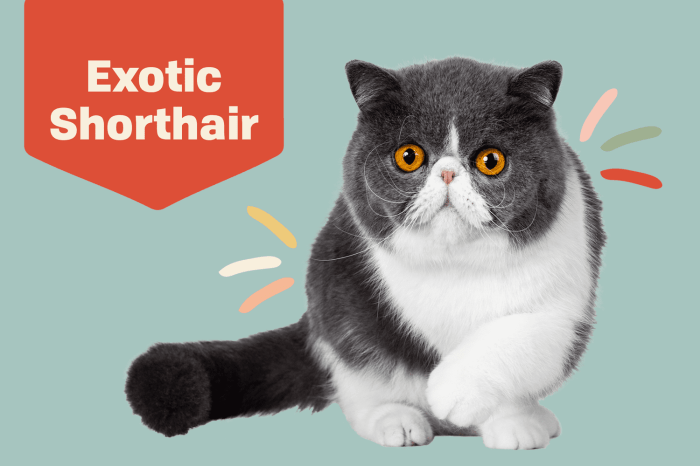
Source: dailypaws.com
The price of an Exotic Shorthair can vary significantly depending on the state within the US.
Factors contributing to these regional differences include demand, breeder density, and the overall cost of living. States with high demand and limited breeders, such as California and New York, tend to have higher prices. Conversely, states with a larger number of breeders and lower demand, such as Texas or Florida, may offer more competitive prices.
Estimated price ranges for Exotic Shorthairs in several key states:
- California: $2,000 – $4,000+
- Texas: $1,500 – $3,000
- New York: $1,800 – $3,800+
- Florida: $1,600 – $3,200
Imagine a map of the United States. California, New York, and Massachusetts are shaded in a darker color, indicating an average price of $2,500 – $4,000+. Texas, Florida, and the Midwest states are shaded in a lighter color, representing an average price of $1,500 – $2,500. The Mountain states (Colorado, Utah, Wyoming) are shaded in a medium color, reflecting an average price of $1,800 – $3,000.
This visual representation highlights the significant regional price variations for Exotic Shorthairs across the country.
Final Thoughts
Ultimately, the price of an Exotic Shorthair cat is a significant investment, encompassing not just the initial purchase but also the ongoing commitment to their health and well-being. By understanding the various factors at play – from pedigree and health testing to location and breeder ethics – you can navigate the process with confidence and find the perfect furry friend to enrich your life.
Remember, a little research upfront can save you heartache (and money!) down the road, ensuring a long and loving relationship with your new Exotic Shorthair.
FAQ Section
What’s the difference between a pet-quality and show-quality Exotic Shorthair?
Pet-quality cats are healthy and have good temperaments but may have minor flaws that don’t meet show standards. Show-quality cats have near-perfect conformation to the breed standard and are intended for competition.
Why are health tests so important for Exotic Shorthairs?
Exotic Shorthairs are prone to certain genetic health issues like HCM (Hypertrophic Cardiomyopathy), PKD (Polycystic Kidney Disease), and PRA (Progressive Retinal Atrophy). Health testing helps breeders identify and minimize the risk of passing these conditions on to kittens.
Can I expect to pay more for a rare color Exotic Shorthair?
Yes, rarer colors and patterns, like lilac or chocolate point, often command a higher price due to their scarcity and the breeder’s efforts to produce them.
What should I look for in a breeder’s living conditions?
A reputable breeder will have clean, spacious living areas for their cats, providing plenty of enrichment and socialization. The cats should appear healthy, well-groomed, and friendly.
What does a typical rescue/adoption fee cover?
Adoption fees usually cover initial vaccinations, spaying/neutering, and sometimes microchipping. They also help support the rescue organization’s work.
Are there any payment plans available when buying from a breeder?
Some breeders offer payment plans, but it’s essential to understand the terms and any associated interest or fees. It’s always best to discuss this upfront.
What are some common health issues to be aware of in Exotic Shorthairs?
Besides the genetic conditions mentioned earlier, Exotic Shorthairs can be prone to breathing difficulties due to their brachycephalic (short-nosed) features and skin issues.
What’s a reasonable monthly budget for an Exotic Shorthair owner?
A sample monthly budget could include $50-80 for food, $20-30 for litter, $20-50 for toys and treats, and $50-100 set aside for potential vet expenses. This is a rough estimate and can vary.

