So, you’re thinking about switching your feline friend’s food? It’s a big decision, and with so many options out there, it can be overwhelming! Today, we’re diving deep into Tiki Cat cat food, a brand that’s been gaining a lot of buzz for its focus on natural ingredients and unique formulas. We’ll explore their different lines, break down the ingredients, and see if Tiki Cat is the right choice for your kitty.
Tiki Cat distinguishes itself with a philosophy centered around mimicking a cat’s natural diet. They offer a range of product lines, including Pearl (whole fish), Velvet (smooth textures), and After Dark (high-protein, low-carb), each designed to cater to different needs and preferences. Their commitment to limited processing and natural ingredients is a major draw for many pet parents looking for a healthier option.
Tiki Cat Cat Food: A Deep Dive for Discerning Cat Parents
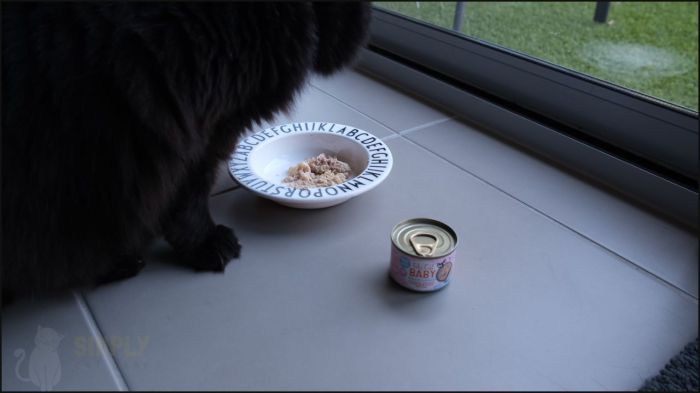
Source: simplycatcare.com
Let’s be honest, finding the
-right* food for your feline friend can feel overwhelming. There’s so much out there, and it’s hard to know what’s truly best. I’ve been researching and trying different brands for years, and Tiki Cat has consistently impressed me. This isn’t just another review; it’s a comprehensive look at what makes Tiki Cat unique, from their philosophy to their specific product lines, and how they can benefit your cat’s health and happiness.
I’ll break down everything you need to know to decide if Tiki Cat is the right choice for your furry companion.
Introduction to Tiki Cat Cat Food
Tiki Cat isn’t your average cat food company. They’re built on the idea of mimicking a cat’s natural diet – a diet rich in protein, moisture, and whole prey ingredients. Their philosophy centers around providing cats with food that closely resembles what they would hunt and eat in the wild. This means prioritizing high-quality animal protein and minimizing processed ingredients.
They target cat owners who are actively seeking healthier, more natural options for their pets, those who are willing to invest in premium nutrition to support their cat’s well-being. Tiki Cat aims to provide a diet that aligns with a cat’s evolutionary needs.
Tiki Cat offers several distinct product lines, each catering to slightly different needs and preferences. The main lines are Pearl, Velvet, and After Dark. Each line has its own unique approach to ingredient sourcing and texture, offering a variety of options for different cats.
A core commitment of Tiki Cat is using natural ingredients and employing limited processing techniques. They avoid artificial colors, flavors, and preservatives, focusing instead on whole food ingredients that retain their nutritional value. This dedication to quality is a major selling point for many cat owners.
| Line | Protein Source | Price Range (per can) |
|---|---|---|
| Pearl | Whole Fish (Tuna, Salmon, Sardine) | $2.50 – $4.00 |
| Velvet | Flaked Fish & Poultry (Chicken, Turkey, Tuna) | $2.00 – $3.50 |
| After Dark | Meat & Bone (Chicken, Duck, Rabbit) | $3.00 – $5.00 |
Ingredient Breakdown & Nutritional Value
The foundation of Tiki Cat formulas is high-quality animal protein. Tuna, salmon, and chicken are frequently featured, providing essential amino acids for muscle development and overall health. These proteins are sourced to ensure freshness and quality. Beyond the primary protein, Tiki Cat incorporates ingredients like seaweed, which is a natural source of minerals and antioxidants. Probiotics are added to support healthy digestion, and taurine, a vital amino acid for heart and eye health, is included in every formula.
These additions demonstrate a commitment to a complete and balanced diet.
While Tiki Cat prioritizes natural ingredients, it’s important to be aware of potential allergens. Fish is a common allergen for some cats, and Tiki Cat’s heavy reliance on fish-based proteins means it might not be suitable for all felines. Chicken is another potential allergen, though less common. Tiki Cat doesn’t explicitly market itself as hypoallergenic, but the ingredient lists are generally free of common artificial additives that can trigger sensitivities.
- Protein: Typically 9-12% (varies by formula)
- Fat: Typically 5-8% (varies by formula)
- Fiber: Typically 0.5-1.5% (varies by formula)
- Moisture: Typically 75-80%
Product Line Deep Dive: Tiki Cat Pearl
The Pearl line is truly unique. It’s centered around the concept of whole fish – fish that are minimally processed and contain both meat and bones. This approach aims to provide cats with a diet that closely mimics their natural prey, including the benefits of bone consumption. The idea is that cats instinctively know how to process bones, and providing them in this form can offer valuable nutrients and dental benefits.
Pearl flavors are diverse, including Wild Alaskan Salmon Pearl, Skipjack Tuna Pearl, and Sardine Pearl. Each flavor features a single species of fish as the primary ingredient, ensuring a consistent and high-quality protein source. The ingredient lists are remarkably short, often consisting of just the fish, seaweed, and a few essential vitamins and minerals.
The bone content in Pearl formulas contributes to dental health by helping to scrape away plaque and tartar as the cat chews. While it’s not a substitute for regular dental care, it can be a valuable addition to a cat’s oral hygiene routine. It’s important to supervise your cat while they’re eating Pearl to ensure they’re chewing properly and not swallowing large bone fragments.
Transitioning a cat to a Pearl-based diet should be done gradually. Start by mixing a small amount of Pearl with their current food, gradually increasing the Pearl ratio over 7-10 days. This helps prevent digestive upset and allows the cat’s system to adjust to the new ingredients.
| Flavor | Main Protein | Guaranteed Protein % | Feeding Guidelines (approximate) |
|---|---|---|---|
| Wild Alaskan Salmon Pearl | Salmon | 11% | 5.5 oz for a 10 lb cat |
| Skipjack Tuna Pearl | Tuna | 10% | 5 oz for a 10 lb cat |
| Sardine Pearl | Sardine | 9% | 5 oz for a 10 lb cat |
| Chicken Pearl | Chicken | 12% | 6 oz for a 10 lb cat |
| Duck Pearl | Duck | 11% | 5.5 oz for a 10 lb cat |
Product Line Deep Dive: Tiki Cat Velvet
The Velvet line focuses on providing cats with smooth, easily digestible textures. This makes it an excellent choice for cats with dental issues, older cats who may have difficulty chewing, or picky eaters who are simply more inclined to eat a pate-like consistency. Velvet formulas also incorporate organ meats, which are packed with essential nutrients that are often lacking in muscle meat alone.
Velvet formulas often include ingredients like chicken liver and heart, which are rich in vitamins, minerals, and taurine. These organ meats contribute to a more complete and balanced nutritional profile. Compared to the Pearl line, Velvet formulas are generally more processed, with the ingredients being finely ground to create the smooth texture.
Velvet is a great option for cats who struggle with hard food or need a gentler diet. The smooth texture is easy to swallow and digest, while the inclusion of organ meats ensures they’re getting a wide range of nutrients.
“My senior cat, Whiskers, has terrible dental problems. He used to refuse to eat dry food, and even wet food with chunks was difficult for him. Tiki Cat Velvet has been a lifesaver! He loves the smooth texture, and I feel so much better knowing he’s getting the nutrition he needs.” – Sarah M.
Product Line Deep Dive: Tiki Cat After Dark
The After Dark line is designed to mimic a cat’s natural hunting behavior. Cats are obligate carnivores, meaning their bodies are designed to thrive on a diet primarily composed of meat. After Dark formulas are formulated with this in mind, featuring high protein content and limited carbohydrate levels. The goal is to provide cats with a diet that closely aligns with their evolutionary needs and supports optimal health.
A high-protein diet is crucial for cats, as it supports muscle development, provides energy, and helps maintain a healthy metabolism. Limiting carbohydrates is also important, as cats don’t require large amounts of carbohydrates in their diet. After Dark formulas typically contain less than 5% carbohydrates.
After Dark comes in various textures, including flaked and shredded, and a range of flavors like Chicken & Duck, Rabbit, and Venison. The textures are designed to appeal to different feline preferences, while the flavors offer variety and excitement.
| Formula Type | Protein/Carb Ratio |
|---|---|
| Tiki Cat After Dark | 70:5 |
| Standard Dry Cat Food | 30:50 |
Texture and Palatability
Tiki Cat offers a variety of textures, including flaked, pate, and shredded. Texture plays a significant role in a cat’s enjoyment of their food. Some cats prefer the satisfying chew of flakes, while others prefer the smooth, creamy texture of pate. Shredded textures can appeal to cats who enjoy a more “natural” eating experience.
Several factors contribute to Tiki Cat’s high palatability ratings. The use of whole prey ingredients, the absence of artificial flavors, and the variety of textures all play a role. Cats are naturally drawn to the smell and taste of meat, and Tiki Cat’s formulas deliver on that front.
To maximize enjoyment, consider warming the food slightly before serving. This can enhance the aroma and make it even more appealing to your cat. Also, serving in a clean, shallow dish can encourage eating.
- Pate: Often preferred by older cats or those with dental issues.
- Flaked: Popular with younger cats and those who enjoy a bit of texture.
- Shredded: Appeals to cats who enjoy a more “natural” eating experience.
Packaging and Storage
Tiki Cat cat food is primarily packaged in cans and pouches. Cans are typically used for the Pearl and Velvet lines, while pouches are often used for the After Dark line. The packaging is designed to be convenient and easy to use.
Unopened cans and pouches should be stored in a cool, dry place. Once opened, cans and pouches should be refrigerated and used within 2-3 days. Proper storage is essential to maintain the food’s freshness and prevent spoilage.
Tiki Cat is increasingly focused on sustainability. While the cans are currently not recyclable in all areas, they are exploring more eco-friendly packaging options. Always check your local recycling guidelines.
To determine if a can of Tiki Cat is expired, check the “best by” date printed on the can. While the food may still be safe to eat after this date, its nutritional value may have diminished.
Proper Storage & Disposal Flowchart:
- Unopened: Store in cool, dry place.
- Opened: Refrigerate immediately.
- Within 2-3 Days: Use remaining food.
- Empty Can/Pouch: Rinse thoroughly.
- Recycle (if possible): Check local guidelines.
- Dispose: If recycling isn’t available, discard properly.
Price and Value
Tiki Cat cat food is positioned as a premium brand, and its price reflects that. It’s generally more expensive than standard commercial cat food brands, but comparable to other high-quality, natural options. However, the value proposition is strong when you consider the quality of the ingredients and the potential health benefits for your cat.
Look for discounts and promotions on Tiki Cat products at online retailers and pet supply stores. Signing up for email newsletters can also alert you to special offers.
| Brand | Cost Per Can | Cost Per Serving (approximate, 5oz serving) |
|---|---|---|
| Tiki Cat | $3.00 | $0.60 |
| Wellness Complete Health | $2.50 | $0.50 |
| Blue Buffalo Wilderness | $2.75 | $0.55 |
Cat Health Considerations
Tiki Cat’s ingredients can support urinary tract health by providing a high moisture content and avoiding artificial fillers that can contribute to urinary issues. The focus on animal protein and limited carbohydrates also helps maintain a healthy pH balance in the urine.
Cats with sensitive stomachs often benefit from Tiki Cat’s easily digestible ingredients. The absence of artificial additives and fillers reduces the risk of triggering digestive upset.
The high fish content in some Tiki Cat formulas may be a concern for cats with fish allergies. It’s important to monitor your cat for any signs of allergic reaction, such as itching, vomiting, or diarrhea.
Tiki Cat supports a cat’s natural carnivorous diet by providing a diet rich in animal protein and low in carbohydrates, mirroring what cats would naturally consume in the wild.
- Improved digestion
- Healthier coat
- Increased energy levels
- Stronger immune system
- Optimal urinary tract health
Serving Suggestions and Feeding Guide
Recommended feeding amounts vary depending on a cat’s weight and activity level. As a general guideline, a 10-pound cat may need approximately 5-6 ounces of Tiki Cat per day, divided into two meals. Always refer to the feeding guidelines on the product label for more specific recommendations.
Transitioning a cat from a dry food diet to Tiki Cat should be done gradually, as described earlier. Start by mixing a small amount of Tiki Cat with their current food, gradually increasing the Tiki Cat ratio over 7-10 days.
Tiki Cat can be incorporated into a balanced diet by combining it with a high-quality dry food. This provides a variety of nutrients and textures, ensuring your cat gets everything they need.
Always provide fresh, clean water alongside Tiki Cat meals. Hydration is essential for overall health and well-being.
| Cat Weight | Recommended Daily Amount |
|---|---|
| 5-7 lbs | 3-4 oz |
| 8-11 lbs | 4-5 oz |
| 12-15 lbs | 5-7 oz |
| 16+ lbs | 7+ oz |
End of Discussion
After exploring the various lines, ingredients, and considerations surrounding Tiki Cat, it’s clear this brand offers a compelling option for discerning cat owners. From the whole-fish approach of Pearl to the easily digestible Velvet and the hunting-inspired After Dark, there’s likely a Tiki Cat formula to suit your cat’s individual needs. While the price point is higher than some mainstream brands, the quality ingredients and potential health benefits might just make it worthwhile for your furry companion.
Ultimately, the best cat food is the one your cat enjoys and thrives on. Consider your cat’s specific needs, preferences, and any health concerns when making your decision. Happy feeding!
FAQ Summary
Is Tiki Cat food safe for cats with allergies?
Tiki Cat uses limited ingredients, which can be beneficial for cats with sensitivities. However, fish is a common allergen, so it’s not suitable for all cats. Always check the ingredient list carefully and consult your vet if your cat has known allergies.
How does Tiki Cat compare to raw food diets?
Tiki Cat aims to mimic a cat’s natural diet, but it’s not the same as a raw food diet. Raw food requires careful handling and preparation to ensure safety. Tiki Cat offers a convenient, pre-prepared alternative with similar nutritional principles.
Can I mix Tiki Cat with my cat’s current dry food?
Yes, many owners successfully transition their cats by gradually mixing Tiki Cat with their existing dry food. Start with a small amount of Tiki Cat and slowly increase the ratio over several days to avoid digestive upset.
What’s the best way to store opened Tiki Cat cans?
Transfer any leftover Tiki Cat to an airtight container and refrigerate immediately. It’s best consumed within 2-3 days to maintain freshness and quality.
Is Tiki Cat suitable for kittens?
While Tiki Cat offers high-quality ingredients, it’s generally recommended to feed kittens a kitten-specific formula that’s formulated with the appropriate levels of nutrients for growth and development. Consult your veterinarian for guidance.