Thinking about welcoming a sleek, chocolate-brown Havana Brown cat into your life? These captivating felines are known for their striking appearance and affectionate personalities, but owning any pet comes with a financial commitment. This guide breaks down everything you need to know about the Havana Brown cat cost, from the initial purchase to ongoing expenses and potential health concerns, so you can be fully prepared for the joys (and responsibilities!) of cat ownership.
Havana Browns are a relatively rare breed, developed in the 1950s by crossing Siamese and Russian Blue cats. Their unique appearance – a solid, warm brown coat and deep green or aqua eyes – combined with their playful and devoted nature, makes them highly sought after. Understanding the various factors that influence their price, and the ongoing costs of care, is crucial for any prospective owner.
The Alluring Cost of Havana Brown Cats: A Comprehensive Guide
The Havana Brown cat is a relatively rare breed, known for its striking chocolate-brown coat and captivating emerald-green eyes. Their unique appearance and charming personality make them highly sought after, but this desirability comes with a price tag. This guide delves into the various costs associated with owning a Havana Brown, from the initial purchase to ongoing expenses, helping you determine if this breed is the right fit for your budget and lifestyle.
We’ll break down everything you need to know, providing realistic estimates and considerations to ensure you’re fully prepared for the joys and responsibilities of welcoming a Havana Brown into your home.
1. Introduction to Havana Brown Cats
Source: hepper.com
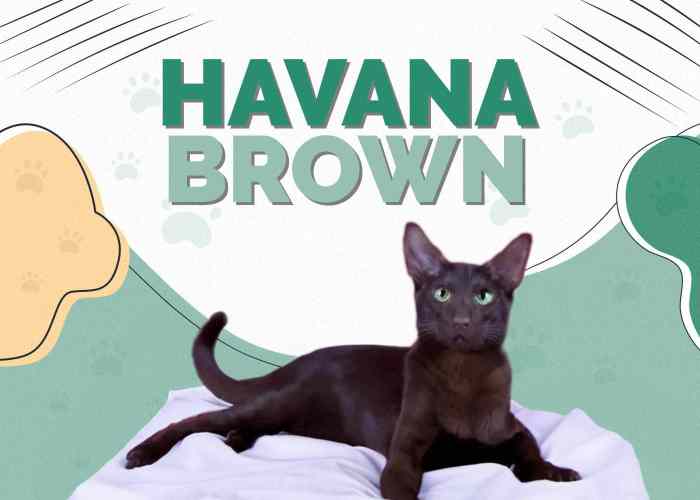
The Havana Brown is a truly distinctive breed, instantly recognizable by its rich, warm brown coat – often described as resembling the color of a Cuban cigar. This unique coloration, combined with their large, expressive eyes, gives them an almost velvety appearance. Adult Havana Browns typically weigh between 6 and 11 pounds and stand around 12 inches tall. Their body is slender and muscular, with long legs and a wedge-shaped head.
Eye color is a defining characteristic; while emerald green is the standard, variations can include gold or copper, particularly in kittens, though these typically darken with age. The texture of their coat is short, dense, and incredibly soft, requiring minimal grooming.The breed’s history is fascinating, a testament to the ingenuity of breeders. The Havana Brown wasn’t developed through centuries of selective breeding like some other breeds.
Instead, it’s a relatively modern creation, originating in the 1950s in the United Kingdom. Breeders sought to create a cat with the Siamese body type but a solid brown coat, a color not readily available in Siamese lines. The initial breeding program involved crossing a Siamese with a Russian Blue, followed by careful outcrossing with other breeds like the Oriental Shorthair to refine the desired characteristics.Havana Browns are renowned for their affectionate and playful personalities.
They are often described as being highly intelligent and curious, enjoying interactive games and puzzle toys. While they can be vocal, their meows are generally softer and less demanding than those of a Siamese. They are known to bond strongly with their families, often following their owners around and seeking attention. They are generally good with children and other pets, making them a wonderful addition to a multi-pet household.
| Feature | Description | Variation |
|---|---|---|
| Eye Color | Typically emerald green, reflecting light beautifully. | Gold or copper (common in kittens, often darkens to green). |
| Coat Length | Short and dense. | N/A |
| Body Build | Slender and muscular, with long legs. | Slight variations in size and muscle mass. |
2. Factors Influencing Cost – Initial Purchase Price
Acquiring a Havana Brown cat is a significant investment. The price can vary considerably depending on several factors, primarily the source from which you obtain the cat. Options include reputable breeders, rescue organizations (though rare), and private sellers.Breeders, particularly those with established reputations and championship bloodlines, command the highest prices. A hobby breeder might charge between $1,500 and $3,000 for a Havana Brown kitten, while a championship breeder, known for producing award-winning cats, could ask for $3,000 to $5,000 or even more.
Location also plays a role; breeders in areas with higher demand or a higher cost of living may charge more. Lineage and pedigree are crucial determinants of cost. A kitten with champion bloodlines, meaning its parents and grandparents have achieved recognition in cat shows, will naturally be more expensive due to the breeder’s investment in breeding quality stock.Here’s a breakdown of average costs:
- Reputable Breeder: $1,500 – $5,000+
- Rescue Organization: $75 – $250 (extremely rare to find a purebred Havana Brown)
- Private Seller: $800 – $2,500 (exercise caution and verify health records)
3. Breeder Costs Breakdown
The higher price tag associated with purchasing a Havana Brown from a reputable breeder reflects the significant expenses they incur. Breeding cats is not a simple endeavor; it requires considerable investment and dedication.Breeding rights, which allow the breeder to continue breeding from the cat, are a substantial cost. Health testing is paramount, including screening for Progressive Retinal Atrophy (PRA) and Hypertrophic Cardiomyopathy (HCM), common genetic conditions in cats.
Vaccinations, deworming, and regular vet checkups for both the mother cat and kittens add to the expenses. High-quality food is essential for the health and development of the kittens, and breeders often provide socialization opportunities to ensure their kittens are well-adjusted and confident.Health testing, particularly for PRA and HCM, can cost several hundred dollars per cat. The time and effort involved in raising a litter of Havana Brown kittens is also considerable.
The mother cat requires constant care and attention, and the kittens need to be monitored closely, fed regularly, and stimulated to ensure proper development.
| Expense Category | Description | Estimated Cost | Percentage of Total Cost |
|---|---|---|---|
| Health Testing (PRA, HCM) | Genetic screening for common feline diseases. | $500 – $1,000 | 20-30% |
| Food & Supplies | High-quality kitten food, litter, toys, etc. | $300 – $500 | 10-15% |
| Veterinary Care | Vaccinations, deworming, checkups for mother and kittens. | $200 – $400 | 8-12% |
| Breeding Rights & Registration | Fees associated with registering the litter and breeding rights. | $200 – $500 | 8-12% |
4. Geographic Price Variations
The availability of Havana Brown cats significantly impacts their price. They are not as common as breeds like Siamese or Maine Coons, and their rarity contributes to higher costs. Regions with a higher demand and fewer breeders tend to have higher prices. Transportation costs also play a role when purchasing from a distant breeder.For example, Havana Brown cats in California, where demand is relatively high, might cost $2,500 – $5,000, while those in Maine, where breeders are less common, could range from $3,000 – $6,000.
Outcome Summary
Ultimately, the Havana Brown cat cost isn’t just about the initial purchase price. It’s a long-term investment in a loving companion. By carefully considering the factors we’ve discussed – breeder reputation, health testing, geographic location, and ongoing expenses – you can budget effectively and ensure your Havana Brown receives the best possible care throughout their life. Adopting from a rescue is a wonderful option too, offering a loving cat at a lower cost while giving a deserving animal a second chance.
Bringing a Havana Brown into your home is a rewarding experience, and with proper planning and financial preparedness, you can enjoy years of companionship with this beautiful and charming breed.
Quick FAQs
What’s the average lifespan of a Havana Brown?
Generally, Havana Browns live between 12 and 15 years, though some can live longer with good care.
Do Havana Browns shed a lot?
They are considered low-shedding cats, which is a bonus for allergy sufferers, but regular grooming is still recommended.
What kind of toys do Havana Browns enjoy?
They are playful and intelligent, so interactive toys, puzzle feeders, and anything they can chase are usually a hit.
Are Havana Browns good with children and other pets?
They are typically affectionate and get along well with children and other pets, especially when socialized from a young age.
What is HCM and why is it important for Havana Browns?
HCM (Hypertrophic Cardiomyopathy) is a heart condition. Responsible breeders screen for it, and knowing the risk is important for preventative care and potential insurance coverage.
Can I adopt a Havana Brown instead of buying from a breeder?
Yes! While less common, Havana Browns sometimes end up in rescues. It’s a great way to give a cat a loving home and often costs less than buying from a breeder.
What’s the best type of litter for a Havana Brown?
Many owners prefer clumping, unscented litter to minimize dust and odor. Experiment to see what your cat prefers!

