Bobtail cats, with their charmingly shortened tails and distinctive personalities, are increasingly sought-after companions. But beyond their undeniable appeal, understanding the financial commitment involved in bringing one of these unique felines into your home is crucial. This guide dives deep into the world of bobtail cats price, exploring everything from initial purchase costs to ongoing expenses, breeder reputation, and even the impact of rare color variations.
We’ll break down the factors that influence their value and help you make an informed decision.
From the Japanese Bobtail’s elegant history to the American Bobtail’s friendly demeanor and the Kurilian Bobtail’s resilient nature, each breed boasts unique characteristics that contribute to their overall value. We’ll examine the differences between these breeds, the influence of lineage and coat patterns, and how geographic location can impact pricing. Ultimately, this is about ensuring you’re prepared for the joys – and the costs – of bobtail cat ownership.
Understanding the Allure and Cost of Bobtail Cats
Bobtail cats are instantly recognizable, not just for their charming personalities but also for their uniquely short tails. These adorable felines have captured hearts worldwide, and their increasing popularity naturally raises the question: how much do they cost? This guide dives deep into the world of bobtail cats, exploring their history, characteristics, price factors, and everything you need to know before bringing one of these special companions home.
We’ll break down the costs, discuss different breeds, and help you navigate the process of finding your perfect bobtail.
1. Introduction to Bobtail Cats
Bobtail cats are a fascinating breed group defined primarily by their shortened tails. This isn’t a genetic defect; it’s a naturally occurring trait resulting from a dominant gene that affects the vertebrae in the tail. The length of the tail varies significantly, from a mere stub to a slightly longer, almost fluffy pom-pom. Beyond their tails, bobtails are known for their intelligence, playful nature, and often, a dog-like loyalty.
Historically, bobtail cats have been found in various parts of the world, often developing independently in isolated communities. Their origins are shrouded in some mystery, but it’s believed that the trait arose spontaneously and was then selectively bred in certain regions. The geographic distribution reflects this independent development, with distinct breeds emerging in Japan, the United States, and Russia.
Several recognized breeds fall under the “bobtail” umbrella, each with its own unique characteristics. The Japanese Bobtail is perhaps the most well-known, followed by the American Bobtail, and the Kurilian Bobtail. Each breed boasts a distinct appearance and temperament, making the choice of which bobtail to welcome into your home a personal one.
| Breed | Origin | Tail Length | Temperament |
|---|---|---|---|
| Japanese Bobtail | Japan | Short, pom-pom like | Active, intelligent, vocal |
| American Bobtail | United States | Variable, from short to medium | Friendly, playful, adaptable |
| Kurilian Bobtail | Kuril Islands (Russia) | Short to medium, often kinked | Affectionate, independent, intelligent |
Factors Influencing Bobtail Cat Prices
The price of a bobtail kitten isn’t a fixed number. It’s influenced by a complex interplay of factors, ranging from the breeder’s reputation to the kitten’s unique markings. Understanding these factors can help you make an informed decision and ensure you’re getting a healthy, well-bred cat at a fair price.
Breeder Reputation and Experience
A reputable breeder invests heavily in the health and well-being of their cats. They conduct genetic testing, provide excellent care, and socialize their kittens from a young age. This dedication translates to a higher price tag, but it’s an investment in a healthier, better-adjusted cat. Less experienced or backyard breeders often charge less, but the risks associated with purchasing from them are significantly higher.
Lineage and Pedigree
A kitten with a documented pedigree, tracing its ancestry back to champion bloodlines, will command a higher price. Pedigree cats often possess desirable traits and are more likely to conform to breed standards. However, it’s important to remember that a pedigree doesn’t guarantee health or temperament; it simply provides information about the cat’s ancestry.
Coat Color and Pattern
Coat color and pattern play a significant role in pricing. Common colors like black, white, and tabby are generally less expensive than rarer colors or patterns. Mitted patterns (where the cat has white paws and/or an underbelly), bi-color patterns (where the cat has two distinct colors), and tabby patterns all influence the price, with some combinations being more sought after than others.
Eye Color
Eye color can also impact a bobtail cat’s value. Blue eyes are often considered desirable, particularly in certain breeds, and can increase the price. Gold or green eyes are also popular, while odd-eyed cats (having two different colored eyes) are particularly unique and often command a premium price.
The following flowchart illustrates a breeder’s decision-making process when setting a price for a bobtail kitten:
- Start: Kitten Born
- Is Pedigree Available?
- Yes: Go to Step 3
- No: Go to Step 4
- What is the Pedigree Quality (Champion Bloodlines)?
- High: Price = Base Price + Pedigree Premium
- Moderate: Price = Base Price + Moderate Pedigree Premium
- What is the Coat Color/Pattern?
- Common: Price = Base Price
- Uncommon: Price = Base Price + Color Premium
- Rare: Price = Base Price + Significant Color Premium
- What is the Eye Color?
- Standard: No Change
- Blue/Odd-Eyed: Price = Current Price + Eye Color Premium
- Has Kitten Passed Health Testing (HCM, PKD)?
- Yes: Price = Current Price + Health Testing Premium
- No: Price = Current Price (Consider Discount if Not Testing)
- Final Price: Display Price to Potential Buyers
Cost Breakdown: Initial Purchase & Ongoing Expenses
Bringing a bobtail cat into your home is a joyous occasion, but it’s essential to be prepared for the financial commitment involved. This section Artikels the initial costs and ongoing expenses associated with bobtail cat ownership, helping you budget effectively and ensure you can provide the best possible care for your new feline friend.
Initial Costs
The initial investment in a bobtail cat goes beyond just the purchase price. You’ll need to acquire essential supplies to create a comfortable and safe environment for your new companion. These include:
- Purchase Price: $500 – $2500+ (depending on breed, pedigree, and location)
- Carrier: $30 – $100
- Food Bowls: $10 – $30
- Litter Box: $20 – $50
- Litter: $15 – $30 (initial supply)
- Initial Vet Visit (checkup & vaccinations): $100 – $300
- Scratching Post/Toys: $30 – $100
Ongoing Expenses
Once you’ve welcomed your bobtail cat home, ongoing expenses will become a regular part of your budget. These costs cover essential needs like food, litter, and veterinary care, as well as enrichment activities like toys and grooming.
| Category | Estimated Annual Cost | Notes |
|---|---|---|
| Food | $400 – $800 | Varies based on food quality and quantity |
| Litter | $300 – $600 | Depends on litter type and usage |
| Vet Care (Checkups, Vaccinations) | $200 – $500 | Includes annual checkups and routine vaccinations |
| Toys & Enrichment | $100 – $300 | Replacing worn toys and providing new enrichment activities |
Here’s a sample budget for the first year of bobtail cat ownership:
- One-Time Expenses:
- Purchase Price: $1500
- Carrier: $50
- Food Bowls & Litter Box: $50
- Initial Vet Visit: $200
- Scratching Post & Toys: $75
- Recurring Expenses (Annual):
- Food: $600
- Litter: $450
- Vet Care: $300
- Toys & Enrichment: $200
- Total First Year Cost: Approximately $3325
Purchasing from Different Sources: Breeder vs. Rescue
Deciding where to acquire your bobtail cat is a crucial decision. Both breeders and rescue organizations offer unique advantages and disadvantages. Weighing these factors carefully will help you find the right match for your lifestyle and ensure you’re supporting ethical practices.
Purchasing from a Reputable Breeder
Purchasing from a reputable breeder offers the advantage of knowing your cat’s lineage and health history. Breeders often specialize in specific breeds and are knowledgeable about their characteristics and potential health concerns. However, kittens from breeders typically come with a higher price tag.
Finding a responsible breeder requires careful research. Ask questions about their breeding practices, health testing protocols, and socialization methods. Red flags include breeders who don’t allow you to visit their facilities, are unwilling to provide health records, or seem primarily motivated by profit.
Adopting from a Rescue Organization or Shelter
Adopting a bobtail cat from a rescue organization or shelter is a rewarding experience. You’ll be giving a deserving cat a second chance at a loving home, and adoption fees are typically much lower than purchasing from a breeder. However, you may have limited information about the cat’s history or lineage.
| Feature | Breeder | Rescue/Shelter |
|---|---|---|
| Price Range | $500 – $2500+ | $50 – $200 |
| Lineage Information | Typically Available | Often Limited |
| Health History | Usually Known | May Be Unknown |
| Socialization | Often Well-Socialized | Varies |
To verify a breeder’s reputation, check online reviews, ask for references from previous buyers, and contact breed-specific organizations for recommendations.
Geographic Price Variations
The price of a bobtail cat can vary significantly depending on your location. Regional demand, breeder availability, and the overall cost of living all contribute to these price differences.
Regional Demand and Breeder Availability
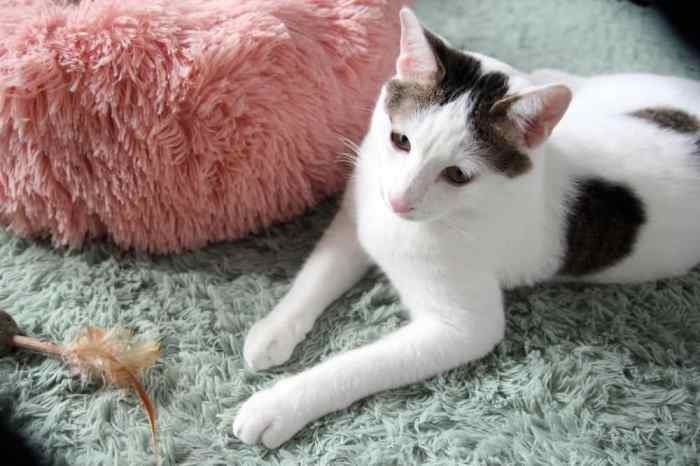
Source: catster.com
Areas with high demand for bobtail cats and limited breeders tend to have higher prices. Conversely, regions with a surplus of breeders and lower demand may offer more competitive pricing.
Price Differences Across the United States
Generally, bobtail cats are more expensive on the East and West Coasts due to higher demand and a greater concentration of reputable breeders. The Midwest tends to have slightly lower prices, although this can vary depending on the specific location.
International Price Variations
In Europe and Asia, the price of bobtail cats can fluctuate based on import regulations, breeder availability, and local preferences. Japan, being the breed’s origin, often has a strong market and potentially higher prices for certain lineages.
Here’s a textual description of a map illustrating approximate price ranges for bobtail cats across different countries:
The map is a world map with countries color-coded to represent price ranges. North and South America are primarily shaded in light green ($500 – $1000), with occasional darker green patches ($1000 – $1500) indicating areas with higher demand. Europe is a mix of light green and yellow ($1000 – $1500), with a few countries shaded in orange ($1500 – $2000) representing areas with limited breeder availability.
Asia is predominantly yellow ($1000 – $1500), with Japan highlighted in a darker orange ($2000+) due to its historical significance and strong market. Africa and Australia are generally shaded in light green ($500 – $1000) due to lower demand and fewer breeders.
Health Considerations and Costs
Like all breeds, bobtail cats are predisposed to certain health issues. Understanding these potential concerns and taking preventative measures is crucial for ensuring a long and healthy life for your feline companion.
Common Health Issues
Common health issues that can affect bobtail cats include hypertrophic cardiomyopathy (HCM), a heart condition, and polycystic kidney disease (PKD), a genetic disorder affecting the kidneys. Responsible breeders screen their cats for these conditions to minimize the risk of passing them on to their offspring.
Preventative Healthcare Costs
Preventative healthcare is essential for maintaining your bobtail cat’s health. This includes annual checkups, vaccinations, parasite prevention (fleas, ticks, and worms), and dental care. The cost of these services can vary depending on your location and the veterinarian’s fees.
Potential Costs of Treating Illnesses and Injuries
Unexpected illnesses and injuries can arise, leading to significant veterinary expenses. Common ailments like urinary tract infections, respiratory infections, and injuries from accidents can require diagnostic testing, medication, and potentially surgery.
Health testing and genetic screening are paramount for bobtail cats. Investing in a kitten from a breeder who prioritizes these practices can significantly reduce the risk of future health problems and, while potentially increasing the initial purchase price, can save you considerable expense and heartache in the long run.
Here are a few reputable veterinary clinics specializing in feline care:
- The Cat Doctor (various locations)
- Feline Medical Clinic (various locations)
- Local veterinary clinics with a focus on feline medicine
Rare Color and Pattern Variations
While standard bobtail cat colors and patterns are charming, rare variations can significantly increase a cat’s value. These unique colorations are often the result of specific genetic mutations and are highly sought after by collectors and enthusiasts.
Rare Color and Pattern Variations
Rare color variations in bobtail cats include chocolate, lilac (lavender), and flame point. These colors are less common than standard colors like black or tabby and are often associated with higher prices.
Genetics Behind Rare Colorations
Chocolate and lilac colors are caused by recessive genes that modify the production of melanin, the pigment responsible for coat color. Flame point coloration is a form of partial albinism, where the body is light-colored and the extremities (face, ears, paws, tail) are darker.
Market Value and Rarity
The rarity of a particular color or pattern directly influences its market value. The less common the coloration, the higher the demand and the higher the price. These cats are often considered collector’s items and can fetch premium prices.
Examples of bobtail cats with rare colorations and their reported prices:
- Chocolate Bobtail: $1500 – $3000+
- Lilac Bobtail: $2000 – $4000+
- Flame Point Bobtail: $1800 – $3500+
Here’s a textual description of a visual guide illustrating different bobtail cat coat colors and patterns:
The guide presents a grid of images showcasing various bobtail cat coat colors and patterns. Each image is accompanied by a brief description of the color/pattern and its genetic basis. Examples include: Tabby (dominant gene, striped pattern), Bi-color (recessive gene, two distinct colors), Mitted (recessive gene, white paws and/or underbelly), Chocolate (recessive gene, brown color), Lilac (recessive gene, lavender color), and Flame Point (partial albinism, darker extremities).
End of Discussion
Navigating the bobtail cats price landscape can feel complex, but understanding the various factors at play empowers you to make a responsible and rewarding choice. Whether you’re considering a reputable breeder or exploring adoption options, being aware of initial and ongoing expenses, potential health concerns, and the impact of rarity will ensure a happy and healthy life for your new furry friend.
Ultimately, the love and companionship a bobtail cat brings are priceless, and this guide aims to help you prepare for that journey financially.
Question Bank
What’s the average price range for a bobtail kitten from a breeder?
Generally, you can expect to pay between $800 and $3000, though prices can vary significantly based on breed, pedigree, and breeder reputation.
Are adoption fees for bobtail cats lower than purchasing from a breeder?
Yes, adoption fees are typically much lower, ranging from $75 to $250. However, finding a bobtail cat in a rescue is less common.
What are some common health issues to be aware of in bobtail cats?
Hypertrophic cardiomyopathy (HCM) and polycystic kidney disease (PKD) are two conditions that can affect bobtail cats, so it’s important to inquire about health testing.
How much does annual vet care typically cost for a bobtail cat?
Expect to spend around $300 to $800 annually on routine vet care, including checkups, vaccinations, and preventative treatments.
What does “odd-eyed” mean in bobtail cats, and does it affect the price?
Odd-eyed refers to a cat having two different colored eyes (e.g., one blue and one gold). It’s a genetic trait often associated with white markings and can sometimes increase the price, particularly in Japanese Bobtails.
How can I tell if a breeder is reputable?
Look for breeders who health test their cats, provide a written health guarantee, allow you to visit their facilities, and are knowledgeable about the breed. Check online reviews and ask for references.
What are some examples of rare bobtail cat colors that command higher prices?
Chocolate, lilac, and flame point bobtails are considered rare and can fetch prices upwards of $2500 or more, depending on the breeder and pedigree.

