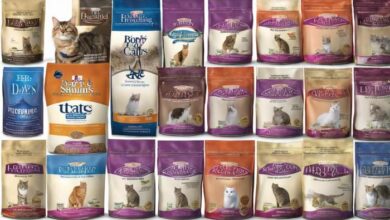
We all want the best for our feline friends, and choosing the right food is a big part of that. Sheba cat food is a popular choice, but is it truly a good option for your kitty? This guide dives deep into everything Sheba, from its history and ingredients to potential benefits and drawbacks, helping you make an informed decision about your cat’s nutrition.
We’ll explore different product lines, analyze ingredients, and compare Sheba to other brands, all to answer the question: is Sheba good for cats?
Sheba has been around for decades, evolving from a European wet food brand to a globally recognized name. They offer a wide range of products, from classic wet food pouches to dry kibble and convenient “Perfect Portions” meals. Their philosophy centers around providing cats with delicious, high-quality food that caters to their natural preferences, focusing on appealing textures and flavors.
Let’s break down what that actually means in terms of ingredients and nutritional value.
Sheba Cat Food: A Comprehensive Guide
Sheba has become a familiar name in cat food aisles worldwide, promising a palatable and convenient option for feline companions. But is it truly a good choice for your cat? This guide dives deep into Sheba’s history, nutritional profile, potential benefits, and drawbacks, helping you make an informed decision about your cat’s diet. We’ll explore different product lines, analyze ingredients, and compare Sheba to other popular brands, all while keeping your cat’s health and well-being at the forefront.
1. Sheba Cat Food Overview
The Sheba brand originated in the UK in the 1960s, initially as a premium wet cat food designed to mimic the texture and taste of human food. The name “Sheba” was chosen to evoke a sense of luxury and exoticism. Over the years, Sheba has expanded its product range significantly, becoming a global brand owned by Mars Petcare. The brand’s evolution reflects changing consumer preferences and advancements in feline nutrition science.
Sheba’s philosophy centers around providing cats with delicious, high-quality meals that cater to their natural preferences, emphasizing taste and texture as key drivers of feline enjoyment. They aim to offer convenient feeding solutions without compromising on nutritional value.
| Product Type | Key Ingredients | Price Range (per can/pouch – approximate) |
|---|---|---|
| Wet Food (various flavors) | Chicken, Fish, Turkey, Liver, Vegetable Broth, Vitamins & Minerals | $0.70 – $1.50 |
| Dry Food (Adult, Kitten) | Chicken Meal, Corn, Wheat, Animal Fat, Vitamins & Minerals | $8 – $15 (for a 3.5-4 lb bag) |
| Pouches (Perfect Portions) | Chicken, Turkey, Fish, Vegetable Broth, Vitamins & Minerals | $0.90 – $1.30 |
2. Nutritional Composition of Sheba Cat Food
The macronutrient breakdown in Sheba cat food varies depending on the specific formula. Generally, wet food formulations tend to be higher in protein and moisture, while dry food has a higher proportion of carbohydrates. Protein typically ranges from 8% to 12% in wet food and 30% to 35% in dry food. Fat content usually falls between 4% and 8% across different lines.
Carbohydrates are more prevalent in dry food, often derived from corn, wheat, or rice. Common protein sources include chicken, fish (salmon, tuna, whitefish), turkey, and beef. Sheba formulas include essential vitamins and minerals such as Vitamin A for vision, Vitamin D for bone health, Vitamin E as an antioxidant, B vitamins for energy metabolism, calcium and phosphorus for strong bones and teeth, and taurine, a vital amino acid for heart and eye health in cats.
Many Sheba product lines contain grains like corn and wheat, although grain-free options are becoming increasingly available within the brand.
3. Potential Benefits of Sheba for Cats

Source: petshun.com
Sheba’s wet food formulations offer a significant advantage in promoting feline hydration. Cats have a naturally low thirst drive, and wet food provides a valuable source of moisture, which is crucial for kidney health and overall well-being. Ingredients like taurine, essential for heart function and vision, are consistently included in Sheba recipes. Omega fatty acids, often derived from fish oil, are present in many formulas and contribute to a healthy coat and skin.
The textures and flavors of Sheba, particularly the pate and morsel-in-sauce varieties, are often appealing to picky eaters, encouraging them to consume a complete and balanced meal.
- Kitten Stage: Sheba Kitten food provides higher protein and calorie content to support rapid growth and development.
- Adult Stage: Sheba Adult food maintains optimal health and energy levels for active cats.
- Senior Stage: Sheba Senior food often features reduced phosphorus levels and added joint support ingredients.
4. Potential Concerns and Drawbacks
Some cats may exhibit sensitivities or allergies to ingredients commonly found in Sheba, such as fish, chicken, or grains. Excessive sodium content is a concern in certain Sheba recipes, potentially impacting cats with pre-existing heart or kidney conditions. Ingredient sourcing is another area of consideration; while Mars Petcare has sustainability initiatives, the origin and ethical practices related to ingredient procurement can vary.
- Royal Canin (Grain-Free): Chicken, Turkey, Peas, Potatoes, Egg Product, Fish Oil
- Sheba (Classic Pate): Chicken, Liver, Vegetable Broth, Corn Starch, Vitamins & Minerals
5. Specific Sheba Product Lines
Deep Dive
The “Perfect Portions” line offers pre-portioned meals in convenient pouches, simplifying feeding and helping to control portion sizes, which is beneficial for weight management. The “Deluxe” range features premium ingredients like real meat chunks and richer sauces, providing a more indulgent dining experience for cats. The “Selection” line boasts a wide variety of flavors and ingredient combinations, catering to diverse feline preferences.
| Product Line | Target Cat Age | Primary Protein Source | Unique Feature |
|---|---|---|---|
| Perfect Portions | Adult | Chicken, Turkey, Fish | Pre-portioned pouches for easy feeding |
| Deluxe | Adult | Chicken, Salmon | Real meat chunks in a rich sauce |
| Selection | Adult | Various (Chicken, Tuna, Salmon) | Wide range of flavors and ingredient combinations |
6. Ingredient Analysis
A Closer Look
Meat by-products, often present in Sheba recipes, are rendered animal tissues that are not muscle meat. While they can be a source of protein and nutrients, their quality and origin can vary. Added vitamins and minerals, such as Vitamin E (an antioxidant) and B vitamins (essential for energy metabolism), are included to supplement the nutritional profile of the food.
Artificial colors and flavors are sometimes used to enhance palatability and visual appeal, but their impact on cat health is debated.
“The use of meat by-products is a contentious issue. Proponents argue they are a sustainable way to utilize animal resources and can provide valuable nutrients. Critics express concerns about the quality and sourcing of these ingredients, advocating for foods with exclusively named meat sources.”
7. Comparing Sheba to Other Cat Food Brands
Sheba’s protein content generally falls within the range of Royal Canin and Hill’s Science Diet, although specific formulas can vary. The price-to-quality ratio of Sheba is considered moderate; it’s more affordable than some premium grain-free brands but more expensive than budget-friendly options. Ingredient sourcing and manufacturing processes differ significantly between Sheba and budget brands, with Sheba benefiting from Mars Petcare’s extensive resources and quality control measures.[Venn Diagram Description: A Venn diagram with three overlapping circles labeled “Sheba,” “Royal Canin,” and “Generic Brand.” The overlapping area between Sheba and Royal Canin contains “Chicken,” “Taurine,” and “Vitamins.” The overlapping area between Sheba and the Generic Brand contains “Chicken,” “Vitamins,” and “Moisture.” The overlapping area between Royal Canin and the Generic Brand contains “Chicken” and “Vitamins.” The unique area of Sheba contains “Fish,” “Vegetable Broth.” The unique area of Royal Canin contains “Precise Nutrient Profiles.” The unique area of the Generic Brand contains “Lower Cost.”]
8. Cat Health Considerations & Sheba
Sheba’s wet food formulations can contribute to urinary tract health by increasing water intake, which helps dilute urine and reduce the risk of crystal formation. For cats with sensitive stomachs, Sheba’s easily digestible ingredients can minimize digestive upset. The omega fatty acids in Sheba can promote a healthy coat and skin, reducing dryness and improving shine.
| Health Concern | Sheba Formula Recommendation | Supporting Ingredients |
|---|---|---|
| Urinary | Deluxe Ocean Whitefish | High moisture content, controlled mineral levels |
| Skin/Coat | Deluxe Salmon Dinner | Omega-3 and Omega-6 fatty acids |
| Digestive | Perfect Portions Turkey | Easily digestible protein, limited ingredients |
9. Feeding Guidelines and Portion Sizes
Feeding guidelines for Sheba vary based on a cat’s age, weight, and activity level. Kittens require more frequent meals and higher calorie intake than adult cats. Senior cats may benefit from smaller, more frequent meals. It’s crucial to monitor a cat’s weight and adjust portion sizes accordingly to maintain a healthy body condition. A gradual transition from another food to Sheba is recommended, mixing increasing amounts of Sheba with the old food over a period of 7-10 days.[Visual Guide Description: A series of cat silhouettes are displayed, ranging in size from a small kitten to a large, muscular adult cat.
Below each silhouette, a portion size is indicated in ounces/grams. The kitten silhouette has a portion size of 2-3 ounces (60-90 grams). A medium-sized adult cat silhouette has a portion size of 4-5 ounces (120-150 grams). A large, active adult cat silhouette has a portion size of 6-7 ounces (180-210 grams).]
10. Customer Reviews and Experiences
Common positive feedback regarding Sheba cat food centers around its palatability and convenience. Many cat owners report that their cats eagerly consume Sheba, and the pre-portioned pouches simplify meal preparation. Negative feedback often revolves around ingredient concerns (the presence of grains and by-products) and the price point.
- Palatability: Cats love the taste and texture.
- Digestibility: Generally well-tolerated by most cats.
- Value: Considered moderately priced.
- Ingredients: Concerns about by-products and grains.
- My cat absolutely loves the salmon flavor!
- The Perfect Portions pouches are so convenient for busy mornings.
- I wish they had more grain-free options.
- It’s a bit pricey compared to other brands.
Last Word
Ultimately, whether Sheba is “good” for your cat depends on their individual needs and sensitivities. While Sheba offers palatable and convenient options, particularly for picky eaters, it’s important to be aware of potential concerns like sodium content and the inclusion of by-products. Comparing ingredient lists and considering your cat’s specific health requirements – whether it’s urinary health, a sensitive stomach, or a shiny coat – is key.
By weighing the pros and cons and understanding the nuances of Sheba’s product lines, you can decide if it’s the right choice to keep your feline companion happy and healthy.
Remember to always consult with your veterinarian for personalized dietary recommendations for your cat. They can help you assess your cat’s individual needs and determine the best food to support their overall well-being.
FAQ Resource
Can cats with allergies eat Sheba?
Sheba contains common allergens like fish and chicken. Always check the ingredient list carefully and consult your vet if your cat has known allergies.
Is Sheba a complete and balanced diet?
Many Sheba formulas are labeled as “complete and balanced,” but it’s crucial to verify this on the packaging and ensure it meets AAFCO standards.
Does Sheba contain artificial preservatives?
Some Sheba products do contain artificial preservatives. Check the ingredient list for items like BHA or BHT.
How much Sheba should I feed my cat?
Feeding guidelines vary based on your cat’s age, weight, and activity level. Refer to the Sheba packaging or consult your veterinarian for specific recommendations.
Is Sheba wet food good for urinary health?
The high moisture content in Sheba wet food can contribute to urinary health by helping to dilute urine, but specific formulas designed for urinary support are often recommended.
Why does Sheba use meat by-products?
Meat by-products can be a source of protein and nutrients, but their quality can vary. Sheba’s use of by-products is a point of contention for some pet owners.