So, you’re wondering, “Is Sheba a good cat food?” It’s a question many cat owners ponder, especially with so many options on the market. Sheba has been a familiar name in cat food aisles for years, promising a premium experience for our feline companions. But what does that really mean? This deep dive explores everything from Sheba’s history and ingredient breakdown to its palatability and potential drawbacks, helping you decide if it’s the right choice for your kitty.
We’ll unpack the brand’s origins, examine the different product lines and formats available, and analyze the nutritional content. We’ll also consider the cost, sustainability aspects, and address common concerns pet owners have about commercial cat food. Ultimately, our goal is to provide you with a comprehensive understanding of Sheba cat food so you can make an informed decision for your beloved cat’s health and happiness.
Sheba Cat Food: A Deep Dive for Discerning Cat Owners
Choosing the right food for your feline friend can feel overwhelming. There’s a
- lot* out there, and it’s hard to know what’s truly best. Sheba is a brand that often pops up in conversations, known for its premium positioning and appealing textures. But is it
- really* worth the price tag? This article aims to give you a comprehensive look at Sheba cat food, from its history and ingredients to its pros and cons, so you can make an informed decision for your cat. We’ll break down everything you need to know, in plain English.
Sheba Cat Food: Brand Overview & History
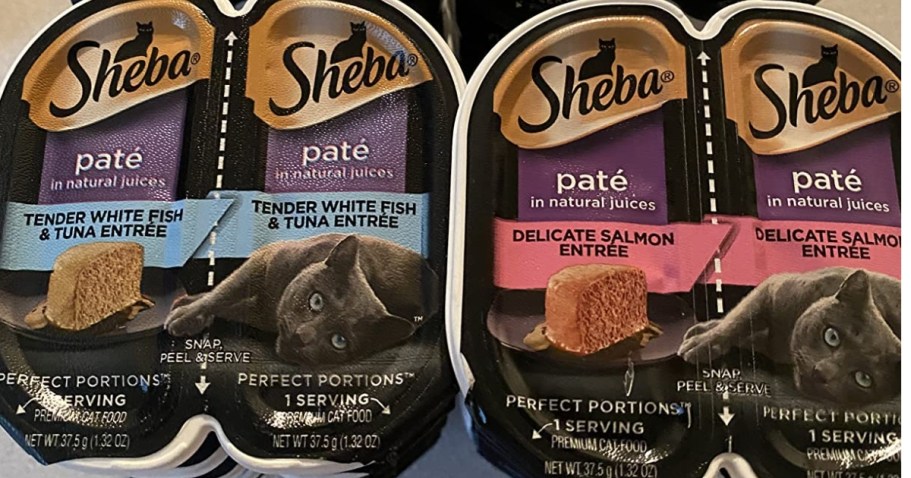
Source: hip2save.com
Sheba’s story began in the 1960s in the UK, initially targeting cat owners who were looking for a more convenient and palatable alternative to traditional wet cat food. Back then, many wet foods were quite basic, and Sheba aimed to offer a more refined experience for cats. The brand quickly gained popularity for its smooth, creamy textures and appealing aromas.
Over time, Sheba expanded its product range and distribution, becoming a global brand.A significant milestone was the introduction of the iconic Sheba Classic pate, which remains a staple in many households. Rebranding efforts have occurred periodically, often focusing on modernizing the packaging and highlighting the premium nature of the food. Sheba is part of Mars Petcare, a massive player in the pet food industry.
Mars Petcare’s resources and expertise have undoubtedly contributed to Sheba’s development, allowing for extensive research and development, quality control, and global distribution.Here’s a quick comparison of Sheba’s market position against some of its main competitors:
| Brand | Brand Perception | Price Point |
|---|---|---|
| Sheba | Premium, indulgent, high-quality ingredients (perceived) | Higher |
| Whiskas | Mainstream, widely available, good value | Mid-range |
| Felix | Value-focused, palatable, variety of flavors | Lower |
Sheba Product Range: Varieties & Formats
Sheba offers a surprisingly diverse range of products, catering to different tastes and preferences. The core product lines include:* Classic: The original and arguably most recognizable line, featuring smooth pates in various flavors.
Excellence
A step up from Classic, often featuring more premium ingredients and richer textures.
Selective
Positioned as a “complete and balanced” diet, often emphasizing specific nutritional benefits.Beyond these core lines, you’ll find a variety of formats:* Pates: Smooth, creamy textures, popular for their ease of eating.
Chunks in Gravy
Offer a more substantial texture with pieces of meat or fish in a savory gravy.
Dry Food
A more recent addition to the Sheba range, designed for dental health and convenience.
Pouches
Convenient, single-serving portions.
Trays
Larger portions, ideal for multi-cat households or cats with larger appetites.Here’s a breakdown of Sheba products by life stage:
- Kitten: Formulated with higher protein and fat levels to support growth and development. Look for varieties specifically labeled “Kitten.”
- Adult: Balanced nutrition for maintaining overall health and vitality. Most of the Classic, Excellence, and Selective lines cater to adult cats.
- Senior: Often contains added nutrients to support joint health and cognitive function. Specific “Senior” formulations are available.
Sheba recipes utilize a range of protein sources, including:* Chicken
- Fish (Salmon, Tuna, Cod)
- Beef
- Lamb
- Duck
Ingredient Breakdown & Nutritional Profile
Let’s take a closer look at what goes into Sheba wet cat food. Typical ingredients include:* Meat/Fish: The primary protein source, essential for muscle building and overall health.
Animal Derivatives
These can include things like liver, kidneys, and other organ meats, which are rich in nutrients.
Vegetable Protein Hydrolysate
A source of amino acids.
Vegetables
Provide vitamins, minerals, and fiber. Common examples include carrots, peas, and tomatoes.
Vitamins & Minerals
Added to ensure the food meets nutritional requirements.
Taurine
A crucial amino acid for feline heart and eye health. Cats cannot produce enough taurine on their own, so itmust* be supplemented in their diet.
Gelling Agents
Used to create the desired texture.
Macronutrient ratios can vary depending on the specific variety. Here’s a general idea:* Chicken Excellence: Protein: 10%, Fat: 5%, Carbohydrates: 1%
Salmon Classic
Protein: 9%, Fat: 6%, Carbohydrates: 2%
Tuna in Gravy
Protein: 8%, Fat: 7%, Carbohydrates: 2.5%Here’s a comparison table of nutritional content:
| Product | Protein (%) | Fat (%) | Carbohydrates (%) | Taurine (mg/kg) |
|---|---|---|---|---|
| Sheba Chicken Excellence | 10 | 5 | 1 | 1500 |
| Sheba Salmon Classic | 9 | 6 | 2 | 1200 |
| Sheba Tuna in Gravy | 8 | 7 | 2.5 | 1000 |
| Sheba Dry Cat Food (Chicken) | 36 | 14 | 32 | 800 |
Regarding allergens, many Sheba formulationsdo* contain grains like wheat and corn. However, they also offer some limited-ingredient options that are grain-free. Always check the ingredient list carefully if your cat has known allergies.
Sheba Wet Food: Texture, Palatability & Appeal
Sheba wet food is known for its appealing textures. The Classic line offers a smooth, pate consistency, while the Excellence and some other varieties feature chunks in gravy, providing a more substantial bite.Palatability is a key factor in Sheba’s success. The rich aromas and savory flavors are designed to entice even the pickiest eaters. Many cat owners report that their cats absolutelylove* Sheba, often showing a strong preference for certain flavors.
While anecdotal, these observations suggest that Sheba’s formulations are generally well-received by felines.
“My cat, Winston, is notoriously fussy. He turns his nose up at almost everything! But he goes crazy for Sheba Chicken Excellence. He practically inhales it! It’s the only wet food he consistently enjoys.”
Sarah M., Cat Owner
Sheba Dry Food: Composition & Benefits
Sheba’s dry food is manufactured using an extrusion process, where ingredients are mixed, cooked, and shaped into kibble. Common ingredients include:* Meat and animal meal
- Cereal grains (often wheat or corn)
- Vegetable protein
- Fats and oils
- Vitamins and minerals
Dry food offers several potential benefits:* Dental Health: The chewing action can help reduce tartar buildup.
Portion Control
Kibble size makes it easier to measure and control portion sizes.
Convenience
Easy to store and serve.Sheba dry food kibble sizes and shapes vary. Some varieties have smaller, more rounded kibble, while others have larger, more textured pieces.
Potential Concerns & Criticisms Regarding Sheba
Like all commercial cat foods, Sheba faces some common criticisms. Some pet owners are concerned about the quality of ingredients, particularly the use of animal derivatives and by-products. Others worry about the processing methods used, which can potentially reduce the nutritional value of the food.Specific criticisms leveled against Sheba sometimes include concerns about ingredient sourcing and the potential for digestive issues in sensitive cats.
While Sheba does not explicitly disclose all ingredient sources, Mars Petcare states they adhere to strict quality standards.Certain Sheba products contain artificial colors and flavors, which some owners prefer to avoid. It’s always a good idea to check the ingredient list if you’re concerned about these additives. There have been no widespread recalls associated with Sheba in recent years, but it’s always wise to stay informed about any potential quality control issues.
Cost & Value Assessment
Sheba cat food generally falls into the higher price range compared to brands like Whiskas and Felix. However, it’s often more competitively priced than premium brands like Royal Canin.The perceived value of Sheba is influenced by several factors, including ingredient quality, palatability, and brand reputation. While it’s more expensive, many owners feel that the benefits – a happy, healthy cat – justify the cost.Here’s a cost comparison (approximate, prices vary by location):
| Product | Cost per Serving (approx.) |
|---|---|
| Sheba Classic Pate (50g pouch) | $0.75 |
| Whiskas Wet Food (85g pouch) | $0.50 |
| Sheba Dry Cat Food (1.5kg bag) | $0.40 |
| Royal Canin Dry Cat Food (1.5kg bag) | $0.60 |
Sheba and Specific Dietary Needs
Sheba offers some options suitable for cats with sensitivities, particularly in their limited-ingredient lines. However, it’s important to note that many of their core products contain common allergens like grains.While Sheba doesn’t have a wide range of formulations specifically for health conditions, they do offer some products marketed as supporting urinary health or weight management.Several Sheba products are labeled as “grain-free,” catering to cats with grain sensitivities.
To determine if a Sheba product is appropriate for a cat with allergies, carefully review the ingredient list and consult with your veterinarian.
Packaging & Sustainability
Sheba cat food is primarily packaged in:* Pouches: Flexible, single-serving pouches.
Trays
Larger, multi-serving trays.
Bags
For dry food.The environmental impact of Sheba’s packaging is a growing concern. Pouches and trays are often difficult to recycle, contributing to plastic waste. Mars Petcare has committed to several sustainability initiatives, including exploring more sustainable packaging materials and reducing their carbon footprint.Imagine the lifecycle of a Sheba cat food pouch: It begins with raw materials sourced from various locations.
These materials are processed and manufactured into the pouch and the cat food itself. The filled pouch is then transported to distribution centers and finally to pet stores. A consumer purchases the pouch and feeds it to their cat. After the cat finishes the food, the empty pouch is discarded. Ideally, it would be recycled, but often it ends up in a landfill.
Mars Petcare is actively researching and implementing solutions to improve this lifecycle, such as using more recyclable materials and reducing packaging waste.
Ingredient Sourcing & Quality Control
Mars Petcare has established policies regarding ingredient sourcing and quality control. They claim to source ingredients from reputable suppliers and conduct rigorous testing to ensure safety and nutritional integrity.They employ a multi-step process to ensure quality, including:* Ingredient testing for contaminants
- Regular audits of supplier facilities
- Strict adherence to manufacturing standards
While traceability can be complex, Mars Petcare aims to provide transparency regarding ingredient origins. They adhere to relevant quality standards and certifications, although specific details may vary depending on the product and region.
Ending Remarks
After exploring Sheba’s history, product range, ingredients, and potential concerns, it’s clear that Sheba offers a palatable and often appealing option for many cats. The brand’s focus on texture and flavor is undeniable, and the variety of formats caters to different preferences. However, like any commercial cat food, it’s important to carefully review the ingredient list and consider your cat’s individual needs and sensitivities.
While Sheba can be a good choice, it’s not a one-size-fits-all solution, and a balanced diet, potentially supplemented with fresh food, is always ideal.
Ultimately, the best cat food is the one your cat enjoys and thrives on. Consider your cat’s age, activity level, and any specific health concerns when making your decision. Don’t hesitate to consult with your veterinarian for personalized recommendations.
Common Queries
What’s the difference between Sheba Classic and Excellence?
Sheba Classic typically features smoother textures and simpler recipes, while Excellence offers chunkier textures and often includes more premium ingredients like real seafood pieces.
Does Sheba cat food contain grains?
Some Sheba formulations do contain grains like wheat and corn, while others are grain-free. Always check the ingredient list on the specific product you’re considering.
Is taurine added to Sheba cat food?
Yes, taurine is added to all Sheba cat food recipes. It’s an essential amino acid for feline health, particularly for heart and eye function.
What is Mars Petcare’s stance on ingredient traceability?
Mars Petcare aims for ingredient traceability and has policies in place to monitor the sourcing and quality of ingredients used in Sheba products.
Are there any Sheba products suitable for cats with urinary issues?
While Sheba doesn’t have a specific line marketed solely for urinary health, some formulations are lower in magnesium and phosphorus, which can be beneficial. Consult your vet for recommendations.
What kind of packaging does Sheba use, and is it recyclable?
Sheba primarily uses pouches, trays, and bags. Recyclability varies depending on your local recycling program and the specific packaging material. Mars Petcare is working on improving packaging sustainability.