The Sokoke cat, a stunning breed hailing from the Kenyan coastal forests, is gaining popularity worldwide. Known for its distinctive ticked coat and energetic personality, bringing one of these beauties into your home is a significant decision, and a big part of that is understanding the sokoke cat price. This guide dives deep into the factors influencing the cost, from breeder reputation to geographic location, and everything in between, so you can make an informed choice.
We’ll explore the history and unique characteristics of this fascinating breed, compare it to similar cats like Abyssinians and Somalis, and break down the various costs associated with ownership – not just the initial purchase price, but also ongoing expenses like food, vet care, and specialized grooming. Whether you’re considering adopting or purchasing from a breeder, we’ll equip you with the knowledge to navigate the process confidently and avoid potential scams.
Sokoke Cats: A Deep Dive into Price and Ownership
The Sokoke cat is a relatively rare breed, originating from the Arabuko Sokoke Forest in Kenya. Its unique appearance and captivating personality have garnered increasing attention worldwide, leading to a rise in demand and, consequently, a discussion around its price. This article aims to provide a comprehensive overview of the factors influencing Sokoke cat prices, from breeder reputation to geographic location, and everything in between.
We’ll also explore the ongoing costs of ownership and offer guidance on navigating the purchasing process responsibly.
Introduction to Sokoke Cats
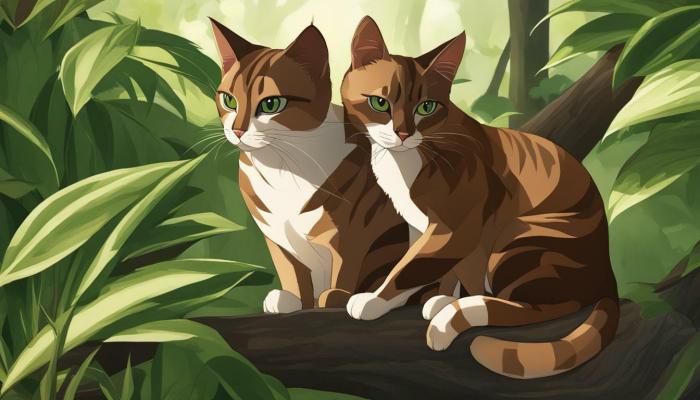
The Sokoke cat’s story begins in the 1970s when a British wildlife photographer, Jonathan Hancock, noticed distinctive cats inhabiting the Arabuko Sokoke Forest. These cats, known locally as “malindi,” possessed a striking appearance and a remarkably friendly demeanor. Hancock, along with others, began a breeding program to preserve and develop the breed, officially recognizing it as the Sokoke cat. The breed’s name honors its origin.The Sokoke cat is characterized by its ticked coat pattern, a result of agouti hairs that display multiple bands of color.
This creates a shimmering, almost “wild” appearance. They have a lithe, muscular build, with long legs and a relatively long tail. Their ears are large and upright, and their eyes are expressive and almond-shaped. The coat colors accepted by most cat registries include brown ticked tabby, black ticked tabby, and silver ticked tabby.Sokokes are known for their affectionate and playful personalities.
They are intelligent and curious, often described as being “dog-like” in their loyalty and willingness to interact with their human companions. They are generally good with children and other pets, though early socialization is always recommended. They are also known for their vocalizations, often communicating with a range of chirps and trills rather than the typical meow.
| Feature | Sokoke | Comparison Breed (Abyssinian/Somali) |
|---|---|---|
| Coat Pattern | Ticked tabby (agouti hairs with multiple bands of color) | Abyssinian: Ticked tabby, but often more uniform in color. Somali: Similar ticked pattern, but with a longer, fluffier coat. |
| Body Structure | Lithe, muscular, long legs | Abyssinian: More refined and elegant build. Somali: More substantial and fluffy. |
| Temperament | Affectionate, playful, intelligent, vocal (chirps/trills) | Abyssinian: Active, intelligent, playful, often demanding of attention. Somali: Active, playful, curious, enjoys exploring. |
| Origin | Kenya | Ethiopia/Egypt (Abyssinian), Somalia (Somali) |
Factors Influencing Sokoke Cat Price
The price of a Sokoke kitten isn’t a simple matter. Several factors contribute to the overall cost, and understanding these can help prospective owners make informed decisions.The reputation and experience of the breeder play a significant role. Established breeders with a proven track record of producing healthy, well-socialized kittens often command higher prices. Their experience allows them to better understand the breed’s nuances and address potential health concerns proactively.
Less experienced breeders may offer lower prices, but it’s crucial to thoroughly investigate their practices and health testing protocols.Lineage and pedigree are also key determinants of price. Kittens from champion bloodlines, with a documented history of successful show cats, are generally more expensive. A “show-quality” Sokoke possesses the breed standard characteristics to a high degree – excellent conformation, a striking ticked coat, and a confident, outgoing personality.
This doesn’t necessarily mean the cat
will* win shows, but it indicates a strong adherence to the breed standard.
Geographic location significantly impacts availability and price. Sokokes are still relatively rare outside of Europe, which drives up demand and cost in regions where they are less common. Transportation costs also contribute to price variations.
- Specialized Diet: Sokokes can benefit from high-quality, protein-rich diets to maintain their coat health and energy levels.
- Grooming Needs: While their short coat requires minimal grooming, regular brushing helps prevent matting and keeps their coat looking its best.
- Vet Care: Like all cats, Sokokes require routine vaccinations, parasite prevention, and dental care.
- Enrichment: Sokokes are intelligent and active, requiring plenty of toys, scratching posts, and interactive playtime to prevent boredom and behavioral issues.
Price Ranges: Kitten vs. Adult
The price of a Sokoke cat varies considerably depending on age. Kittens (typically 8-12 weeks old) are significantly more expensive than adult cats.Typical price ranges for Sokoke kittens in different regions are as follows:* United States: $1,500 – $3,500+
Europe (UK, Germany, France)
€1,200 – €3,000+
Australia
AUD $2,000 – $4,000+
Canada
CAD $1,800 – $3,800+Several factors can influence a kitten’s price within this range. A kitten with exceptional pedigree, show potential, or from a highly reputable breeder will command a higher price. Conversely, a kitten from a less established breeder or with minor conformation flaws may be priced lower.Adult Sokoke cats (over 1 year) are generally less expensive than kittens for a few reasons.
Firstly, the initial investment in breeding and raising a kitten has already been made. Secondly, many breeders are willing to rehome adult cats to ensure they find loving homes, often at a reduced price.Spaying or neutering status significantly impacts the price of an adult Sokoke. Breeders typically sell adult cats who have already been spayed or neutered, which eliminates the cost and responsibility for the new owner.
This often adds a few hundred dollars to the price.
Breeder Types and Their Pricing Strategies
Source: catbeep.com
The pricing strategies of Sokoke cat breeders vary depending on their scale and focus. Hobby breeders, often raising a small number of kittens occasionally, typically have lower prices, reflecting their smaller overhead costs. However, their health testing and guarantees may be less extensive.Larger, established Sokoke catteries, on the other hand, invest heavily in health testing, quality breeding stock, and socialization programs.
They often charge higher prices to recoup these investments and ensure the long-term health and well-being of their cats.Health testing, including genetic screenings for common feline diseases, is a crucial factor influencing price. Breeders who conduct thorough health testing are able to provide potential owners with greater peace of mind and often offer health guarantees. Vaccinations are also standard and factored into the price.Breeders who actively show their cats often charge higher prices.
Showing cats requires significant time, effort, and expense, and breeders often view their show cats as an investment in the breed’s future.
| Breeder Type | Typical Price Range | Health Testing | Show Quality |
|---|---|---|---|
| Hobby Breeder | $1,000 – $2,000 | Limited or variable | May have some show potential, but not guaranteed |
| Established Cattery | $1,800 – $3,500+ | Extensive (genetic screenings, health clearances) | Often produces show-quality kittens |
| Show Breeder | $2,500 – $4,500+ | Comprehensive, often with additional testing | High probability of show quality |
| Rescue/Shelter | $50 – $200 | Variable, often unknown | Not applicable |
Geographic Price Variations
The average cost of a Sokoke kitten in the United States typically falls between $1,500 and $3,500, with prices often higher for kittens with exceptional pedigree or from renowned breeders. The limited number of breeders in the US contributes to this higher price point.In Europe, particularly in the UK, Germany, and France, Sokoke cats generally range from €1,200 to €3,000.
European breeders have a longer history with the breed, resulting in a more established market and a wider range of price points.Australia and Canada share similar price ranges, with kittens typically costing between AUD $2,000 and $4,000 and CAD $1,800 and $3,800 respectively. Transportation costs and import regulations can influence prices in these regions.
Map Visualization: Imagine a world map divided into continents.
The color gradient represents the average price range of a Sokoke kitten.* North America (USA, Canada): Dark Red ($2,000 – $4,000+)
Europe (UK, Germany, France)
Orange ($1,200 – $2,500)
Australia/New Zealand
Yellow-Orange ($1,800 – $3,500)
Asia
Light Yellow (Prices highly variable, often unavailable – $3,000+)
Africa (Kenya)
Pale Yellow (Potentially lower, but import challenges – $800 – $2,000)
South America
White (Extremely rare, prices unavailable)The darker the color, the higher the average price. This visualization highlights the significant price variations based on geographic location and breed availability.
Purchasing Considerations & Avoiding Scams
Thorough research is paramount when searching for a Sokoke cat. Contacting multiple breeders, checking their references, and visiting their cattery (if possible) are essential steps. Reputable breeders are transparent about their breeding practices, health testing, and socialization methods.Red flags to watch out for include unusually low prices, a lack of health information, and breeders who are unwilling to answer questions or provide references.
Be wary of breeders who pressure you into a quick purchase or discourage you from visiting their cattery.Before committing to a purchase, ask the breeder about the kitten’s lineage, health history, vaccination records, and socialization experiences. Inquire about their policies regarding health guarantees and returns.
- What health testing has been performed on the kitten’s parents?
- Can I see the kitten’s vaccination and deworming records?
- What is your policy regarding health guarantees?
- Can I speak with previous buyers?
- How are the kittens socialized?
- What is the kitten’s personality like?
- Do you offer any support or advice after I take the kitten home?
Costs Beyond the Initial Purchase
Owning a Sokoke cat involves ongoing expenses beyond the initial purchase price. Budgeting for these costs is crucial for responsible pet ownership.Ongoing expenses include:* Food: $30 – $60 per month (high-quality cat food)
Litter
$20 – $40 per month
Toys
$10 – $30 per month
Vet Visits
$100 – $300 per year (routine checkups and vaccinations)Sokokes may require specialized veterinary care due to breed-specific health concerns, such as hypertrophic cardiomyopathy (HCM). Regular screenings and preventative care can help mitigate these risks.Tips for budgeting include:* Setting aside a monthly savings fund for unexpected vet bills.
- Purchasing food and litter in bulk to save money.
- Making your own cat toys.
- Regularly grooming your cat to prevent costly matting.
Estimated Annual Cost of Owning a Sokoke Cat:
Food: $360 – $720
Vet Care: $100 – $300
Litter: $240 – $480
Toys & Supplies: $120 – $360
Total: $820 – $1860+ (This is a general estimate and can vary significantly based on individual needs and circumstances.)
Adoption vs. Purchasing
Adopting a Sokoke cat from a rescue organization or shelter is a rewarding alternative to purchasing from a breeder. While Sokokes are rare in shelters, it’s worth checking with breed-specific rescues or general cat shelters in your area.Adopting offers the advantage of giving a deserving cat a loving home and often costs significantly less than purchasing from a breeder. However, the cat’s history and health may be unknown, and there’s no guarantee of finding a Sokoke.Purchasing from a breeder provides predictability regarding lineage, health, and temperament.
Reputable breeders prioritize the health and well-being of their cats and offer health guarantees.
| Adoption | Purchase from Breeder | |
|---|---|---|
| Pros | Lower cost, saves a life, often already spayed/neutered | Predictable lineage, health testing, socialization, health guarantees |
| Cons | Unknown history, potential health issues, may not find a Sokoke | Higher cost, requires research to find a reputable breeder |
Financing Options & Payment Plans
Breeders occasionally offer payment plans, allowing prospective owners to spread the cost of a kitten over several months. However, these plans often come with interest charges or require a deposit.Using financing to purchase a Sokoke cat carries potential risks, including accumulating debt and potentially jeopardizing your ability to provide for the cat’s long-term needs.Alternative options for funding pet ownership include:* Pet Insurance: Helps cover unexpected vet bills.
Savings Plans
Setting aside a monthly amount specifically for pet-related expenses.
Credit Cards
Use with caution, as interest rates can be high.
- CareCredit: A credit card specifically for healthcare expenses, including veterinary care.
- Scratch Pay: Offers financing options for veterinary bills.
- GoFundMe: A crowdfunding platform that can be used to raise funds for pet care.
- Local Animal Welfare Organizations: May offer financial assistance programs for pet owners in need.
Final Summary
Ultimately, the sokoke cat price isn’t just about the sticker price; it’s an investment in a loving companion and a commitment to their well-being. By understanding the nuances of breeder pricing, geographic variations, and potential hidden costs, you can ensure you’re prepared for the joys and responsibilities of owning a Sokoke cat. From adoption options to financing plans, we’ve covered a lot of ground to help you find your perfect feline friend and provide them with a happy, healthy life.
FAQ Guide
What’s the average lifespan of a Sokoke cat?
Sokoke cats typically live between 12 and 15 years with proper care and a healthy diet.
Do Sokoke cats require a lot of grooming?
No, their short, ticked coat requires minimal grooming – a weekly brushing is usually sufficient.
Are Sokoke cats prone to any specific health problems?
While generally healthy, they can be predisposed to certain conditions like hypertrophic cardiomyopathy (HCM), so responsible breeders screen for this.
What does “show quality” mean for a Sokoke cat?
A show-quality Sokoke meets specific breed standards regarding appearance (coat pattern, body structure) and temperament, allowing them to compete in cat shows.
Can I find Sokoke cats in shelters?
It’s rare, but not impossible! Check with breed-specific rescues and local shelters regularly.
What’s the difference between a hobby breeder and a cattery?
Hobby breeders typically breed a few cats occasionally, while catteries are larger, more established operations with multiple breeding cats.
What kind of food is best for a Sokoke cat?
A high-quality, protein-rich diet is essential. Look for cat food with meat as the primary ingredient and avoid fillers.

