Let’s be honest, we all have a soft spot for the unusual, and that definitely extends to our feline friends! There’s something undeniably charming about a cat that looks a little… different. But what exactly makes a cat “funny looking”? It’s a subjective thing, of course, influenced by everything from facial features and body proportions to coat patterns and even our own cultural sense of humor.
We’re diving into the world of uniquely-shaped kitties, exploring breeds that consistently elicit smiles and chuckles with their distinctive appearances.
From folded ears to short legs and everything in between, we’ll be taking a closer look at some of the most amusing cat breeds out there. We’ll explore the genetics behind their quirky looks, discuss the care they require, and share some fun anecdotes about their personalities. Get ready to meet some seriously adorable oddballs!
The Funniest Looking Cat Breeds: A Purr-fectly Quirky Guide
Let’s be honest, beauty is in the eye of the beholder, and that’s especially true when it comes to our feline friends. What one person finds adorable, another might find… well, a little bit odd. Defining “funniest looking” is inherently subjective. Humor, after all, is deeply personal, and what tickles one person’s funny bone might leave another completely unmoved. When it comes to animals, this subjectivity is amplified.
We project human emotions and interpretations onto their appearances, and a combination of unusual facial features, disproportionate body parts, or striking coat patterns can easily trigger a chuckle. Think of a cat with comically large ears, a perpetually surprised expression, or a coat pattern that resembles a cartoon character. Cultural perceptions also play a significant role. What’s considered humorous in one culture might be seen as perfectly normal, or even beautiful, in another.
This guide explores some cat breeds that consistently elicit smiles and amusement, delving into the genetic quirks and unique characteristics that make them so delightfully peculiar.
The Scottish Fold: Ears and Expressions
The Scottish Fold is arguably one of the most recognizable “funny looking” breeds, and it’s all thanks to their distinctive folded ears. This trait is caused by a dominant gene mutation that affects cartilage throughout the body. While the ears are the most obvious feature, the mutation also impacts their facial muscles, leading to a range of expressive and often comical expressions.
The degree of ear fold varies greatly; some Scottish Folds have tightly folded ears that lie flat against their head, while others have a more relaxed, floppy appearance. This variation significantly impacts their overall look, creating a spectrum of personalities and appearances.
| Ear Position | Description | Potential ‘Funny’ Effect |
|---|---|---|
| Tight Fold | Ears folded tightly against the head, resembling an owl or bat. | Creates a perpetually surprised or inquisitive expression. |
| Moderate Fold | Ears folded forward, but still retaining some shape. | Gives a slightly mischievous or playful look. |
| Loose Fold | Ears folded loosely, with a more relaxed and floppy appearance. | Can appear more endearing and less intense, almost sleepy. |
| Semi-Fold | Ears only partially folded, with a slight curve. | A subtle quirkiness that adds to their charm. |
| Straight | Ears stand upright, showing no fold. | While not the typical Scottish Fold look, it can still be amusing due to the contrast with the breed’s reputation. |
Anecdotally, Scottish Folds are often described as having expressions that range from perpetually confused to intensely focused. Their large, round eyes combined with their folded ears create a unique and often humorous visual dynamic. You might see them with a “what are you looking at?” stare, or a look of intense concentration while stalking a toy mouse.
The Persian: The Floofy Face
The Persian cat is known for its luxurious, long fur and its distinctive flat face. This combination of features creates a truly unique and often comical appearance. The flat face, a result of selective breeding, contributes to their large, round eyes and shortened muzzle, giving them a perpetually sweet and slightly bewildered expression. The sheer volume of fur, particularly around the face, can further exaggerate these features, creating a “floofy face” effect that many find endearing and amusing.
Maintaining a Persian’s appearance is a significant commitment. Daily grooming is essential to prevent mats and tangles, and regular bathing is also required. This constant grooming can impact their look, as they often sport elaborate hairstyles and perfectly coiffed fur, adding to their overall comical grandeur. The contrast between their regal bearing and their slightly goofy expressions is a source of much amusement.
“A Persian’s face is a study in fluffy contradictions. Their eyes, wide and innocent, peek out from a cloud of fur, while their flattened nose gives them a perpetually surprised expression. It’s a look that says, ‘I’m royalty, but also slightly confused by this whole situation.'”
The Munchkin: Short Legs, Big Personality
The Munchkin cat is instantly recognizable for its extraordinarily short legs. This trait is caused by a spontaneous genetic mutation that affects bone growth, resulting in limbs that are significantly shorter than those of other cat breeds. The Munchkin’s unique gait and posture contribute significantly to their perceived humor. They waddle and scoot rather than gracefully stride, creating a comical and endearing movement pattern.
Their low-to-the-ground stance also gives them a perpetually playful and curious appearance.
Compared to other cat breeds, the Munchkin’s most striking difference is, of course, their legs. While some breeds might have shorter legs than others, the Munchkin’s legs are dramatically shortened, creating a truly unique silhouette. They lack the elegance and agility of many other breeds, but they more than make up for it with their charm and personality.
- Attempting to jump onto high surfaces often results in a comical scramble and a slightly disappointed expression.
- Chasing toys can resemble a miniature, furry bulldozer.
- Playing hide-and-seek is particularly amusing, as their short legs make it difficult to conceal themselves effectively.
- Trying to navigate stairs can be a hilarious spectacle of waddling and determination.
- Their low center of gravity makes them prone to unexpected tumbles, which are often met with a shrug and a return to play.
The Sphynx: Hairless and Expressive
The Sphynx cat’s most defining characteristic is its lack of fur. While not entirely hairless (they have a fine downy fuzz), their skin is wrinkled and textured, resembling that of a Shar-Pei dog. This lack of fur emphasizes their facial features and expressions, making them incredibly expressive and often comical. Their large ears, wide eyes, and prominent wrinkles create a unique and memorable appearance.
Caring for a Sphynx’s skin requires special attention. They need regular bathing to remove oils that accumulate on their skin, and sunscreen is essential to protect them from sunburn. Their skin is also sensitive to temperature changes, so they often require sweaters or blankets to stay warm. This need for constant care can impact their appearance, as they often sport stylish outfits and accessories.
| Skin Feature | Description | Potential ‘Funny’ Effect | Care Requirement |
|---|---|---|---|
| Wrinkles | Numerous wrinkles, particularly around the face and shoulders. | Can give them a perpetually grumpy or mischievous expression. | Regular cleaning to prevent dirt and oil buildup. |
| Skin Texture | Soft, suede-like texture. | Their skin can appear almost velvety, adding to their unique appeal. | Gentle handling to avoid irritation. |
| Ears | Large, prominent ears. | Their large ears can appear comically oversized. | Regular cleaning to prevent wax buildup. |
| Lack of Fur | Absence of a traditional fur coat. | Highlights their facial features and expressions, creating a unique and often amusing look. | Regular bathing and sunscreen application. |
The American Curl: Ears Backwards
The American Curl’s defining feature is its ears, which curl backwards in a distinctive “C” shape. This trait is caused by a dominant gene mutation that affects the cartilage in their ears. The degree of curl varies, with some cats having tightly curled ears and others having a more subtle curve. This ear position influences their hearing and communication, as the curled ears can slightly alter the way they perceive and transmit sound.
From different angles, the American Curl’s ear curl dramatically changes their profile. From the front, they appear to have a classic cat shape. From the side, their ears create a unique and eye-catching silhouette. The way the ears frame their face can also influence their expressions, making them appear both alert and slightly whimsical.
The Exotic Shorthair: A Persian’s Compact Cousin
The Exotic Shorthair is often described as a Persian cat with a short coat. They share many similarities with Persians, including their flat faces and large, round eyes, but their shorter, plush coat gives them a more compact and less “floofy” appearance. This difference in coat length affects their overall appearance and perceived humor. While Persians can appear regal and somewhat aloof, Exotic Shorthairs often have a more playful and approachable demeanor.
Comparing the facial features of the Exotic Shorthair to other breeds reveals a clear resemblance to the Persian. However, their shorter coat and slightly more rounded face give them a unique charm that sets them apart. They possess a certain “squished-face” appeal that is both endearing and amusing.
- Squishy
- Chunky
- Playful
- Endearing
- Comical
The Selkirk Rex: Curly Coat Chaos
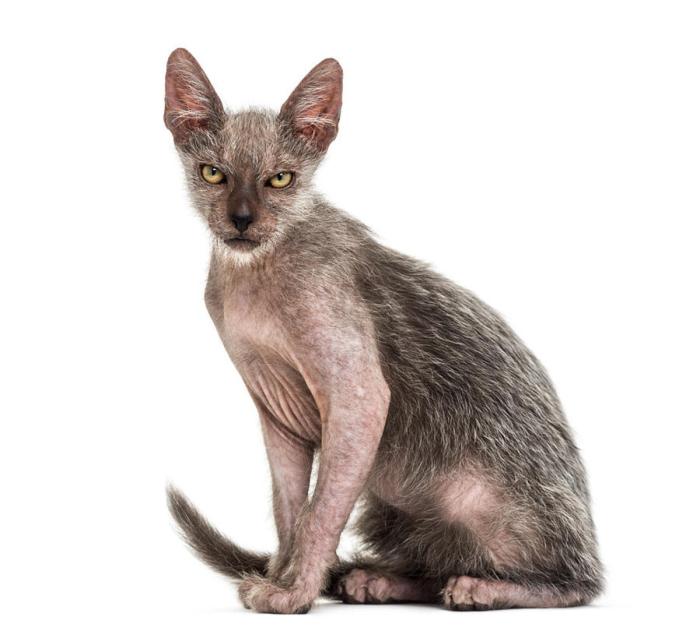
Source: saymedia-content.com
The Selkirk Rex is known for its distinctive curly coat, a result of a spontaneous genetic mutation. The curl pattern can vary greatly, ranging from loose waves to tight ringlets. This curly coat affects their movement and appearance, giving them a perpetually disheveled and charming look. Their fur often sticks out in all directions, creating a comical and endearing silhouette.
Imagine a Selkirk Rex cat: a medium-sized feline with a riot of curls cascading over its body. The fur is dense and plush, with each strand twisting and turning in a unique direction. As they move, the curls bounce and ripple, creating a dynamic and visually captivating effect. Their expression is often one of gentle curiosity, further enhancing their comical charm.
The Cornish Rex: Wavy Wonder
The Cornish Rex also boasts a unique coat, but unlike the Selkirk Rex’s curls, the Cornish Rex has a wavy coat. This wavy texture is caused by a different genetic mutation that affects the structure of their hair follicles. Their body shape is also distinctive, with long, slender legs and a narrow head, contributing to their unique look. The combination of their wavy coat and slender build creates a truly distinctive and amusing appearance.
- Their wavy coat can resemble a miniature lion’s mane.
- Their slender legs give them a slightly awkward, yet endearing, gait.
- The contrast between their wavy coat and their large ears is particularly comical.
- Their playful nature is amplified by their quirky appearance.
- They often appear to be perpetually surprised by their own existence.
The Napoleon (Minuet): A Munchkin-Persian Blend
The Napoleon, also known as the Minuet, is a relatively new breed resulting from a deliberate cross between Munchkin and Persian cats. This breeding combination aims to combine the Munchkin’s short legs with the Persian’s distinctive facial features. The result is a cat with a unique and distinctive appearance, characterized by short legs and a Persian-like face. Potential health considerations associated with this breed combination include those common to both Munchkin and Persian breeds, such as spinal issues and breathing problems.
| Trait from Munchkin | Trait from Persian |
|---|---|
| Short Legs | Flat Face |
| Low to the Ground Stance | Long, Luxurious Fur |
| Unique Gait | Large, Round Eyes |
| Playful Personality | Sweet and Docile Temperament |
Conclusion
So, there you have it – a whirlwind tour of some of the funniest looking cat breeds the world has to offer! Whether it’s the perpetually surprised expression of a Scottish Fold, the fluffy face of a Persian, or the tiny legs of a Munchkin, these cats prove that beauty truly is in the eye of the beholder. Ultimately, their unique appearances are just one part of what makes them so lovable and entertaining companions.
Hopefully, this guide has given you a new appreciation for the wonderfully weird and wonderful world of feline diversity!
Top FAQs
Why do Scottish Folds have folded ears?
It’s a genetic mutation that affects cartilage development, causing the ears to fold forward. It’s important to note that this mutation can be associated with health issues, so responsible breeding is crucial.
Do Persians need a lot of grooming?
Absolutely! Their long, luxurious fur requires daily brushing to prevent mats and tangles. Regular bathing is also necessary to keep them looking their best.
What’s the deal with Munchkin cats and their short legs?
Another genetic mutation! It affects the bone growth in their legs, resulting in their characteristic short stature. While adorable, it’s important to ensure they have a safe and accessible environment.
Why do Sphynx cats need special skin care?
Without fur, their skin is exposed to the elements and can dry out easily. They need regular bathing with special shampoos and often benefit from moisturizing oils.
Are American Curl cats deaf?
Contrary to popular belief, most American Curls have normal hearing. The ear curl doesn’t typically affect their ability to hear, although some individuals may experience slight variations.
What’s the health status of Napoleon cats?
As a crossbreed, they can be prone to health issues common to both Munchkin and Persian breeds, such as respiratory problems and spinal issues. Responsible breeders screen for these conditions.
Are Selkirk Rex cats always curly?
Not always! The degree of curl can vary depending on the individual cat and even the temperature. Their fur can be loose and wavy or tightly curled.
What’s the difference between a Cornish Rex and a Selkirk Rex?
Both have wavy coats, but the Cornish Rex has a very tight, rippled wave, while the Selkirk Rex has a looser, more plush curl. Their body shapes also differ slightly.

