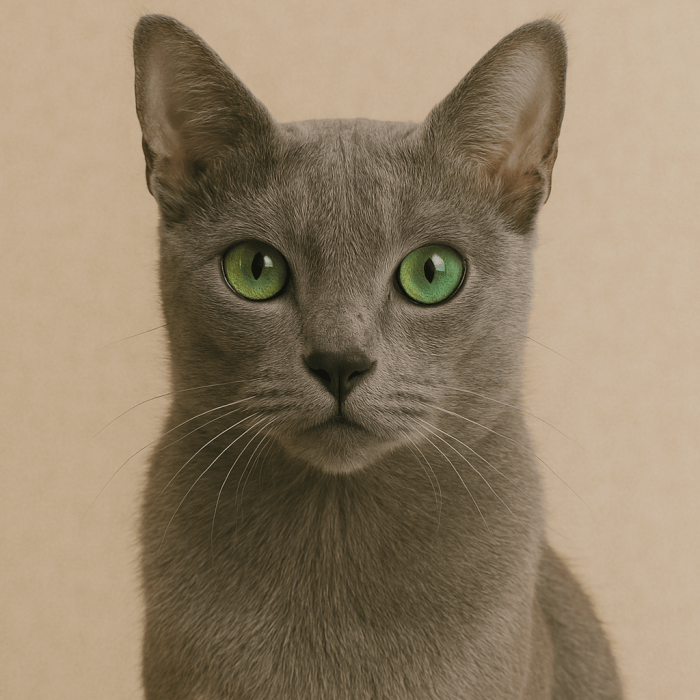
The Korat cat, often called the “Good Fortune Cat” in Thailand, is a stunning breed known for its shimmering silver-blue coat and captivating emerald eyes. Bringing one of these beauties into your home is a joy, but it’s important to understand the financial commitment involved. This guide breaks down everything you need to know about Korat kittens price, from initial purchase costs to ongoing expenses, helping you make an informed decision and ensure a happy, healthy life for your new feline companion.
Beyond their striking appearance, Korats are known for their affectionate and playful personalities, often bonding strongly with their families. They’re intelligent and relatively easy to train, making them wonderful companions for both individuals and families. However, their rarity and specific breeding requirements contribute to their higher price point compared to more common breeds.
Understanding the Allure of Korat Kittens
The Korat cat, often dubbed “the good luck cat” in its native Thailand, is a breed steeped in history and renowned for its striking appearance and gentle personality. Bringing a Korat kitten into your home is a significant decision, and understanding the costs involved is just as important as appreciating their unique qualities. This guide will break down everything you need to know about the price of a Korat kitten, from initial purchase to ongoing care, helping you make an informed choice.
Physical Characteristics, History, and Temperament
The Korat’s beauty is undeniable. They boast a short, plush, silver-blue coat – a color so distinctive it’s often described as “blue-grey” or “slate blue.” This coat isn’t just a color; it has a unique texture, feeling almost like silver velvet. Their eyes are a captivating emerald green, deepening with age, and their body is a sturdy, muscular build, often described as having a “cobby” shape – meaning slightly rounded and compact.
Historically, Korats originated in the Korat province of Thailand, where they were considered symbols of prosperity and good fortune, often given as gifts to newlyweds. They were closely guarded secrets, rarely seen outside of Thailand until the 20th century. Temperamentally, Korat kittens are known for being affectionate, playful, and intelligent. They are often described as being loyal and devoted to their families, forming strong bonds and enjoying interactive play.
They’re not overly demanding but thrive on human companionship and are generally good with children and other pets when properly socialized. Their quiet, gentle nature and striking appearance make them incredibly appealing to those seeking a loving and beautiful feline companion.
Factors Influencing Korat Kitten Costs
The price of a Korat kitten isn’t a simple figure. Several factors contribute to the overall cost, and understanding these can help you navigate the purchasing process. It’s not just about the initial price tag; it’s about the value you’re receiving in terms of health, temperament, and lineage.The reputation and experience of the breeder play a significant role. Established breeders with a proven track record of producing healthy, well-socialized kittens will typically charge more.
Lineage and pedigree are also crucial. Kittens from champion bloodlines or those with documented health clearances (more on that later) command higher prices. Geographic location impacts pricing as well; demand and the cost of living in a particular region can influence the price. Finally, age matters. Newborn kittens are generally less expensive than kittens who are 8 or 12 weeks old, as the breeder has invested less time and resources in their early care.
Interestingly, there’s often a slight price difference between male and female Korat kittens, with females sometimes being marginally more expensive due to their perceived rarity.
Initial Purchase Costs: A Detailed Breakdown
Let’s break down the initial costs associated with bringing a Korat kitten home. This table provides a realistic estimate, but prices can vary.
| Item | Estimated Cost | Notes |
|---|---|---|
| Initial Kitten Price | $1,500 – $3,500+ | Varies greatly based on breeder, lineage, and location. |
| Vaccinations | $100 – $250 | Typically includes FVRCP (feline viral rhinotracheitis, calicivirus, and panleukopenia) and rabies vaccines. |
| Deworming | $50 – $100 | Multiple treatments are usually administered before purchase. |
| Microchipping | $40 – $75 | Essential for identification and recovery if your kitten gets lost. |
| Travel Carrier | $30 – $100 | A sturdy, well-ventilated carrier is crucial for safe transport. |
| Initial Food Supply | $50 – $100 | High-quality kitten food is essential for healthy growth. |
Kittens are typically sold with initial vaccinations, meaning they’ve received at least one round of FVRCP and a rabies vaccine (depending on local regulations). Deworming usually involves multiple treatments to ensure the kitten is parasite-free. Microchipping is a small, permanent form of identification implanted under the kitten’s skin. A travel carrier isn’t just a convenience; it’s a necessity for safely transporting your new kitten home.
Look for a carrier that’s sturdy, well-ventilated, and easy to clean.
Breeder Types and Their Pricing Strategies
Not all breeders are created equal. Understanding the different types of breeders is crucial for ensuring you’re getting a healthy, well-adjusted kitten. Reputable breeders prioritize the health and well-being of their cats above all else. They conduct genetic testing to screen for hereditary diseases, socialize their kittens from a young age, and are knowledgeable about the breed standard. This dedication to quality justifies their higher prices.
Hobby breeders often breed a few litters a year and are passionate about the breed, but may not have the same level of experience or resources as reputable breeders. Backyard breeders, on the other hand, typically breed cats without proper knowledge or care, often prioritizing profit over the health and welfare of the animals. Purchasing from a backyard breeder can expose you to significant risks, including health problems and behavioral issues, and often comes with a lower initial price, but the long-term costs can be far greater.Before purchasing a kitten, consider this checklist:
- Does the breeder allow you to visit their cattery?
- Can they provide health records for the kitten and its parents?
- Do they ask you questions about your lifestyle and experience with cats?
- Are the kittens raised indoors and well-socialized?
- Do they offer a health guarantee?
Geographic Price Variations: A Regional Overview
Korat kitten prices vary across the United States. Here’s a general overview:
| Region | Average Kitten Price | Factors Contributing to Price | Notable Breeders (if available) |
|---|---|---|---|
| Northeast US | $2,000 – $3,200 | Lower demand compared to other regions, but travel costs can increase prices. | (Research local CFA-affiliated breeders) |
| Southeast US | $1,800 – $3,000 | Moderate demand, warmer climate may support more breeders. | (Research local CFA-affiliated breeders) |
| Midwest US | $2,200 – $3,500 | Good demand, central location may influence shipping costs. | (Research local CFA-affiliated breeders) |
| West Coast US | $2,500 – $4,000+ | High demand, higher cost of living, and potentially more reputable breeders. | (Research local CFA-affiliated breeders) |
Demand, availability, and the cost of living are the primary factors influencing regional price differences. Check with regional cat clubs or the Cat Fanciers’ Association (CFA) for lists of reputable breeders in your area.
Ongoing Costs of Korat Kitten Ownership
The initial purchase price is just the beginning. Owning a Korat kitten involves ongoing expenses.
- Food: $50 – $100 per month (high-quality kitten food, transitioning to adult food)
- Litter: $30 – $50 per month (clay, clumping, or alternative litters)
- Veterinary Care: $200 – $500+ per year (annual checkups, vaccinations, preventative care)
- Toys: $20 – $50 per month (interactive toys, scratching posts, enrichment items)
- Grooming Supplies: $10 – $30 per month (brushes, nail clippers)
Korat kittens thrive on a high-quality kitten food formulated for growth. Regular veterinary checkups are essential for preventative care and early detection of any health issues. Hypertrophic cardiomyopathy (HCM) is a heart condition that can affect Korats, so regular cardiac screenings are recommended.
Adoption vs. Purchase: Cost Comparison
Adopting a Korat kitten from a rescue organization or shelter is a wonderful option. The adoption process typically involves an application, interview, and home visit. Adoption fees are generally lower than purchasing from a breeder, but may still include initial vaccinations and spaying/neutering.
| Adoption | Purchase |
|---|---|
| Adoption Fee: $75 – $200 | Initial Kitten Price: $1,500 – $3,500+ |
| Initial Vet Visit: $75 – $150 | Vaccinations: $100 – $250 |
| Potential Behavioral Training: $0 – $500+ | N/A |
Adopting a rescue Korat kitten not only saves a life but can also be a more affordable option.
Financing Options and Payment Plans
Some breeders offer payment plans to make purchasing a kitten more manageable. These plans typically involve a deposit and monthly installments. Pet financing options, such as credit cards or personal loans, are also available, but be mindful of interest rates and potential fees.
Hidden Costs and Unexpected Expenses
Be prepared for unexpected veterinary bills. Illnesses, injuries, and dental problems can arise. Pet insurance can help cover these costs. Behavioral issues, such as anxiety or aggression, may require professional training or consultation, adding to the overall expense.
Value and Justification of Price
Owning a well-bred Korat kitten is an investment. Responsible breeding practices contribute to the kitten’s overall health and temperament. The emotional and companionship benefits of owning a Korat cat are immeasurable.
A Korat kitten’s premium price reflects the breeder’s commitment to health testing, socialization, and preserving the breed’s unique characteristics, ultimately providing you with a loving, healthy, and beautiful companion for years to come.
Final Thoughts
Source: thekittenfinder.com
Ultimately, the korat kittens price reflects more than just a purchase; it represents an investment in a healthy, well-socialized, and genetically sound cat. From the breeder’s dedication to health testing and socialization to the ongoing costs of quality food and veterinary care, responsible Korat ownership requires a commitment of both time and resources. But for those who appreciate the breed’s unique beauty and loving nature, the rewards of owning a Korat are immeasurable.
By understanding the various factors influencing cost and planning accordingly, you can confidently welcome a Korat kitten into your life and enjoy years of companionship and good fortune.
Expert Answers
What’s the average lifespan of a Korat cat?
Korats are known for their longevity, often living 12-15 years, and sometimes even longer with proper care.
Do male or female Korat kittens typically cost more?
Generally, male Korat kittens are slightly more expensive than females, often due to higher demand.
What is HCM and why is it important in Korat kittens?
HCM (Hypertrophic Cardiomyopathy) is a heart condition common in cats. Reputable breeders screen their cats for HCM, which adds to the kitten’s price but is crucial for their health.
Can I expect a Korat kitten to be hypoallergenic?
No, Korats are not hypoallergenic. They produce dander like any other cat, which can trigger allergies in sensitive individuals.
What should I look for in a travel carrier for my Korat kitten?
Choose a sturdy, well-ventilated carrier that’s appropriately sized for your kitten. Hard-sided carriers are generally more durable for travel.
What are some signs of a reputable Korat breeder?
A reputable breeder will be knowledgeable about the breed, provide health records, allow you to visit their cattery, and prioritize the kitten’s well-being.

