Hyperthyroidism is a common, and often manageable, condition in older cats, causing a cascade of issues from increased appetite to hyperactivity and weight loss. While prescription diets are a standard treatment, many owners are exploring non-prescription options to support their feline friend’s thyroid health. This guide dives deep into understanding the condition, nutritional needs, and the best non-prescription cat food choices to help your cat thrive.
We’ll explore the science behind feline hyperthyroidism, the role of specific nutrients, and how to navigate ingredient lists to find a food that truly supports thyroid function and overall well-being. Plus, we’ll cover transitioning your cat to a new diet and monitoring their progress, ensuring a smooth and healthy journey.
Understanding Feline Hyperthyroidism
Hyperthyroidism in cats is a surprisingly common condition, especially in older felines. It’s a metabolic disorder where the thyroid gland, located in the neck, produces excessive amounts of thyroid hormones (T3 and T4). These hormones regulate a cat’s metabolism, impacting everything from heart rate and body temperature to appetite and energy levels. When levels are too high, it throws the entire system out of balance, leading to a cascade of symptoms.
This article will delve into the specifics of this condition, exploring its causes, symptoms, and how dietary management can play a crucial role in supporting your cat’s health.
The Physiological Processes Involved
The thyroid gland’s primary function is to produce T3 and T4, which are essential for regulating metabolism. These hormones influence how the body uses energy from food. In hyperthyroidism, a benign tumor (adenoma) on the thyroid gland is the most frequent culprit. This tumor causes the gland to overproduce hormones, essentially putting the cat’s metabolism into overdrive. Less commonly, cats can have hyperthyroidism due to thyroid tissue outside the gland, or, rarely, from excessive thyroid hormone supplementation.
The increased thyroid hormones lead to increased heart rate, elevated blood pressure, and a faster metabolism, which manifests in various observable symptoms.
Common Symptoms Owners Observe
Recognizing the signs of hyperthyroidism is key to early diagnosis and treatment. While symptoms can vary in severity, some of the most common observations include weight loss despite a ravenous appetite, increased thirst and urination, hyperactivity or restlessness, vomiting, diarrhea, and a noticeably increased heart rate. You might also notice a change in your cat’s coat – it can become unkempt or greasy.
In some cases, cats can exhibit behavioral changes, becoming more irritable or aggressive. A palpable lump in the neck, indicating an enlarged thyroid gland, is another potential sign, though not always present.
Underlying Causes and Risk Factors
The most significant risk factor for feline hyperthyroidism is age. It’s almost exclusively a disease of older cats, typically diagnosed between the ages of 7 and 10, but can occur later. While the exact cause of the thyroid tumors remains unknown, genetics may play a role. Exposure to iodine, either excessive or deficient, has been investigated but hasn’t been definitively linked.
Interestingly, indoor cats, who have less exposure to environmental factors, are also affected, suggesting that age-related changes within the thyroid gland itself are the primary driver.
Diagnostic Procedures
Confirming a diagnosis of hyperthyroidism requires veterinary testing. The initial screening test is typically a blood test measuring the level of T4 (thyroxine) in the blood. Elevated T4 levels strongly suggest hyperthyroidism. However, some cats may have “subclinical” hyperthyroidism, where T4 levels are only mildly elevated or even within the normal range. In these cases, a “free T4” test, which measures the unbound, biologically active form of the hormone, may be more helpful.
A thyroid scan (radioactive iodine uptake scan) can be used to visualize the thyroid gland and determine the extent of the overactivity. A complete blood count (CBC) and chemistry panel are also often performed to assess overall health and identify any concurrent conditions, such as kidney disease.
Nutritional Management of Hyperthyroidism – General Principles
Dietary management is a crucial component of managing feline hyperthyroidism, particularly when other treatment options like medication or surgery aren’t suitable or desired. While prescription diets specifically formulated for hyperthyroid cats are available, carefully selected non-prescription options can also be effective. The goal is to provide a balanced diet that supports overall health while minimizing the impact of excess thyroid hormones.
Core Principles of Dietary Management
The core principle of dietary management for hyperthyroidism revolves around providing a diet that is easily digestible, nutrient-rich, and supports optimal organ function, especially the kidneys. Reducing the overall metabolic rate, without causing malnutrition, is the aim. This often involves carefully balancing protein, fat, and carbohydrate levels. It’s also important to ensure the diet is palatable, as cats with hyperthyroidism can be notoriously picky eaters.
How Specific Nutrients Impact Thyroid Hormone Production
Certain nutrients can influence thyroid hormone production and metabolism. For example, iodine is a key component of thyroid hormones, but excessive iodine intake can exacerbate hyperthyroidism. Selenium is an antioxidant that plays a role in thyroid hormone conversion. Omega-3 fatty acids have anti-inflammatory properties and can help support overall health. Protein is essential for maintaining muscle mass, which can be lost due to the increased metabolism associated with hyperthyroidism.
A General Dietary Framework
A general dietary framework suitable for cats needing thyroid support typically involves a moderate protein level (30-40%), a moderate fat level (10-15%), and a lower carbohydrate level (20-30%). The exact ratios will depend on the individual cat’s needs and overall health status. High-quality protein sources, such as fish or poultry, are preferred. Avoidance of artificial colors, flavors, and preservatives is also recommended.
Calculating Appropriate Calorie Intake
Calculating appropriate calorie intake is essential to maintain a healthy weight. A cat with hyperthyroidism often requires more calories than a normal cat due to their increased metabolism. A starting point is to calculate the Resting Energy Requirement (RER) using the formula: RER = 70 x (body weight in kilograms)^0.75. Then, multiply the RER by an activity factor (e.g., 1.2 for a sedentary cat, 1.4 for a moderately active cat, 1.6 for a very active cat).
Regular monitoring of weight and body condition score is crucial to adjust calorie intake as needed.
Exploring Non-Prescription Food Options – Ingredients to Look For
While prescription diets are often recommended, many cat owners prefer to explore non-prescription options. The key is to carefully evaluate the ingredient list and nutritional profile.
Key Ingredients for Thyroid Health
Several ingredients can support thyroid health and overall well-being. L-carnitine helps convert fat into energy and can help manage the increased metabolism. Omega-3 fatty acids (EPA and DHA) have anti-inflammatory properties and support heart health. Antioxidants, such as vitamin E and vitamin C, protect cells from damage caused by free radicals.
Benefits of Specific Ingredients
L-carnitine is particularly beneficial as it helps the body utilize fat for energy, which can be helpful in managing the increased metabolic rate. Omega-3 fatty acids support cardiovascular health, which is important given the increased heart rate often seen in hyperthyroid cats. Antioxidants help protect against oxidative stress, which can be exacerbated by hyperthyroidism.
Role of Protein Sources
High-quality protein sources, such as fish (salmon, tuna, whitefish) and poultry (chicken, turkey), are essential for maintaining muscle mass and providing energy. The protein should be highly digestible to ensure optimal nutrient absorption.
Herbs and Botanicals
Certain herbs and botanicals are sometimes included in cat food formulations. Kelp is a natural source of iodine, but should be used cautiously and under veterinary guidance. Spirulina is a source of antioxidants and protein. However, the scientific evidence supporting the benefits of these ingredients in cats with hyperthyroidism is limited, and it’s important to discuss their use with your veterinarian.
Evaluating Specific Non-Prescription Cat Food Brands
Here’s a comparison of several popular non-prescription cat food brands marketed for thyroid support.
Note
Prices can vary.*
| Brand Name | Primary Protein Source | Key Ingredients for Thyroid Support | Guaranteed Analysis (Protein, Fat, Fiber, Moisture) | Price per Pound |
|---|---|---|---|---|
| Brand A | Chicken | L-Carnitine, Omega-3 Fatty Acids | 38%, 15%, 4%, 75% | $3.50 |
| Brand B | Salmon | Spirulina, Antioxidants | 40%, 12%, 3%, 70% | $4.00 |
| Brand C | Turkey | L-Carnitine, Selenium | 35%, 18%, 5%, 72% | $3.00 |
| Brand D | Chicken & Fish | Omega-3s, Vitamin E | 36%, 14%, 6%, 73% | $3.75 |
Grain-Inclusive vs. Grain-Free
The debate over grain-inclusive versus grain-free formulations is ongoing. For cats with hyperthyroidism, there’s no definitive evidence that one is superior to the other. However, grain-free diets have been linked to dilated cardiomyopathy (DCM) in some cats, potentially due to imbalances in taurine and other nutrients. If choosing a grain-free diet, ensure it’s formulated to meet AAFCO standards and contains adequate taurine.
Ingredient Sourcing and Quality Control
Source: thebeloveddog.com
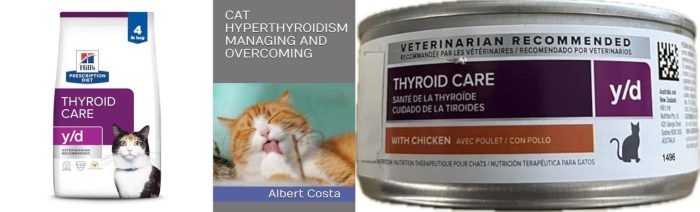
Ingredient sourcing and quality control are paramount. Look for brands that prioritize high-quality ingredients from reputable suppliers. Transparency in ingredient sourcing is a good sign.
Interpreting Ingredient Lists
Ingredient lists are listed in descending order by weight. The first few ingredients typically make up the bulk of the food. Be wary of foods with excessive fillers, artificial colors, flavors, and preservatives.
Transitioning Your Cat to a New Diet
A gradual dietary transition is crucial to avoid digestive upset.
Importance of Gradual Transition
Sudden changes in diet can disrupt the delicate balance of bacteria in the gut, leading to vomiting, diarrhea, and decreased appetite.
Step-by-Step Transition Guide
Here’s a 7-10 day transition guide:
Days 1-2
75% old food, 25% new food
Days 3-4
50% old food, 50% new food
Days 5-6
25% old food, 75% new food
Days 7-10
100% new food
Encouraging Picky Cats
Warm the food slightly to enhance its aroma. Add a small amount of tuna juice or low-sodium chicken broth to make it more appealing. Hand-feeding can also encourage consumption.
Troubleshooting Common Issues
If your cat experiences vomiting or diarrhea, slow down the transition. If your cat refuses to eat the new food, try mixing it with a small amount of their old food and gradually increasing the proportion of the new food.
Final Thoughts
Navigating the world of cat food can feel overwhelming, especially when dealing with a specific health concern like hyperthyroidism. By understanding the underlying principles of nutritional management, carefully evaluating ingredient lists, and working closely with your veterinarian, you can empower yourself to make informed choices that support your cat’s health and happiness. Remember, consistent monitoring and adjustments are key to long-term success in managing this condition.
Ultimately, finding the best non-prescription cat food for hyperthyroidism is about tailoring a diet to your cat’s individual needs and preferences, while prioritizing ingredients that promote thyroid health and overall vitality. Here’s to a healthier, happier feline companion!
FAQ Guide
Can I feed my cat a raw diet if they have hyperthyroidism?
While a raw diet
-could* be beneficial, it’s crucial to discuss it with your vet first. Proper formulation is essential to ensure it meets your cat’s nutritional needs and doesn’t exacerbate any underlying health issues. Imbalances can be dangerous.
How quickly will I see results from a new food?
It can take several weeks to see noticeable improvements in your cat’s condition. Regular blood tests are essential to monitor thyroid hormone levels and adjust the diet as needed.
Are grain-free diets always better for cats with hyperthyroidism?
Not necessarily. Grain-free diets can be appropriate, but they aren’t inherently superior. Focus on the overall ingredient quality and nutritional profile, rather than just whether or not grains are present.
My cat is a very picky eater – how can I make them accept a new food?
Slow and steady wins the race! Start by mixing a tiny amount of the new food with their old food, gradually increasing the proportion over 7-10 days. Warming the food slightly can also enhance its aroma and appeal.
What should I do if my cat experiences vomiting or diarrhea after starting a new food?
Slow down the transition! Go back to a higher proportion of the old food and gradually reintroduce the new food over a longer period. If symptoms persist, consult your veterinarian.
Is it safe to give my cat supplements alongside a new food?
Always consult your veterinarian before adding any supplements to your cat’s diet. Some supplements can interact with medications or exacerbate existing health conditions.