Choosing the right food for your feline friend can feel overwhelming, right? There’s so much out there! Royal Canin is a name you’ve likely heard, and for good reason. They’ve been a major player in the pet food world for decades, focusing intensely on feline nutrition. This guide dives deep into Royal Canin cat food reviews, exploring everything from their history and philosophy to specific formulas and customer experiences.
We’ll break down the science, the costs, and ultimately, whether Royal Canin is the right choice for your cat.
We’ll be looking at their breed-specific options, life stage nutrition, and formulas designed for cats with health concerns. Plus, we’ll compare wet versus dry food and discuss the importance of palatability – because a happy cat is a well-fed cat! Understanding the ingredients and quality control is also key, so we’ll cover that too. Let’s get started!
Royal Canin Cat Food: A Deep Dive for Discerning Cat Owners
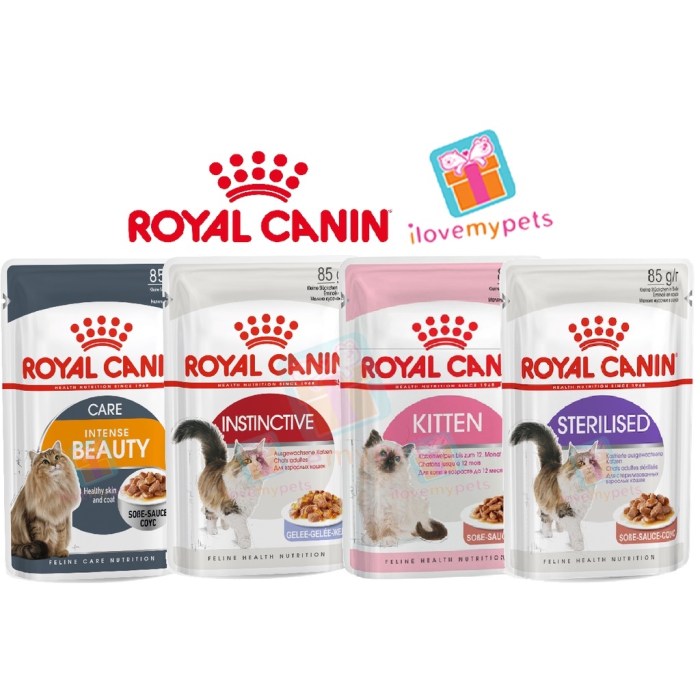
Source: ilovemypets.ph
Choosing the right food for your feline friend can feel overwhelming. There’s so much out there, and it’s hard to know what’s truly best. Royal Canin is a brand that consistently pops up in conversations about premium cat food, and for good reason. This review aims to break down everything you need to know about Royal Canin, from its history and philosophy to its specific formulas and what real cat owners are saying.
We’ll go beyond the marketing hype and give you a clear picture of what Royal Canin offers and whether it’s a good fit for your cat.
Introduction to Royal Canin Cat Food
Royal Canin has a surprisingly long history in the pet food world. It started in 1968 in France, founded by a veterinarian named Jean-Louis Nicolle. He wasn’t satisfied with the available cat food options and believed he could create something better, something that truly catered to a cat’s specific nutritional needs. The company’s core philosophy revolves around “nutrition that’s precisely tailored to cats.” This isn’t just a slogan; it’s the driving force behind their research and product development.
They focus on understanding the unique physiology and behavior of cats and translating that knowledge into food formulas.Royal Canin offers a wide range of cat food products, covering every need imaginable. You’ll find dry kibble, wet food in various textures (pâté, chunks in gravy, etc.), and a selection of treats designed for specific purposes like dental health or training. They’ve really built a comprehensive system, rather than just offering a few basic options.
| Product Type | Primary Life Stage | Key Ingredient | Approximate Price |
|---|---|---|---|
| Dry Kibble | Kitten | Chicken | $45 – $60 (6.5 lb bag) |
| Dry Kibble | Adult Indoor Cat | Turkey | $40 – $55 (6.5 lb bag) |
| Wet Food (Pâté) | Senior Cat | Chicken & Fish Oil | $25 – $35 (24 x 3 oz cans) |
| Dry Kibble | Maine Coon Adult | Chicken & Salmon | $50 – $65 (6.5 lb bag) |
| Wet Food (Chunks in Gravy) | Digestive Support | Chicken & Rice | $30 – $40 (24 x 3 oz cans) |
| Treats | Dental Health | Chicken & Cellulose | $10 – $15 (4 oz bag) |
| Dry Kibble | Persian Adult | Chicken & Omega-3 Fatty Acids | $55 – $70 (6.5 lb bag) |
| Wet Food (Pâté) | Urinary SO (Specialized) | Chicken & Cranberry Extract | $35 – $45 (24 x 3 oz cans) |
Breed-Specific Formulas
One of Royal Canin’s most distinctive features is its range of breed-specific formulas. The idea is simple: different cat breeds have different physical characteristics and predispositions to certain health issues. A Maine Coon, for example, is a large breed with a long coat and a tendency towards joint problems, while a Persian has a flat face that can lead to breathing difficulties and a dense coat prone to matting.
Royal Canin’s formulas are designed to address these specific needs.These formulas aren’t just about adding a few extra nutrients. They’re the result of extensive research and collaboration with veterinarians and breed experts. The research involves analyzing the skeletal structure, coat type, digestive system, and common health concerns of each breed. This data informs the formulation of the food, ensuring it provides the optimal balance of nutrients for that particular breed.
For instance, Maine Coon formulas often include glucosamine and chondroitin for joint support, while Persian formulas may have a higher fat content to support their dense coat and a kibble shape designed for their brachycephalic (flat-faced) structure.Here’s a simplified flowchart illustrating the process:
1. Breed Selection
Identify a breed to formulate for.
2. Data Collection
Gather data on breed-specific physical characteristics, common health issues, and nutritional needs (through veterinary consultations, scientific literature, and breed club input).
3. Nutritional Profile Development
Based on the data, create a target nutritional profile (protein, fat, carbohydrates, vitamins, minerals, fiber).
4. Ingredient Selection
Choose ingredients that meet the nutritional profile and address the breed’s specific needs.
5. Formula Development & Testing
Develop the formula and conduct palatability and digestibility tests.
6. Veterinary Review
Submit the formula to a panel of veterinarians for review and approval.
7. Production & Launch
Manufacture and launch the product.
Life Stage Nutrition
Cats have different nutritional needs at different stages of their lives. Kittens require more calories and protein to support rapid growth, adult cats need a balanced diet to maintain their health, and senior cats often benefit from formulas that address age-related changes like reduced muscle mass and decreased kidney function.Royal Canin’s kitten, adult, and senior cat food lines reflect these differences.
Kitten formulas are typically higher in protein and calories than adult formulas, with added nutrients like DHA to support brain development. Adult formulas focus on maintaining a healthy weight and providing essential vitamins and minerals. Senior formulas often contain lower phosphorus levels to support kidney health, added antioxidants to combat free radicals, and easily digestible ingredients to aid digestion.Feeding a life-stage appropriate diet is crucial for your cat’s overall health and well-being.
It can help prevent or delay the onset of age-related diseases, maintain a healthy weight, and ensure your cat has the energy and nutrients they need to thrive.
| Life Stage | Key Nutritional Focus | Example Formula |
|---|---|---|
| Kitten (0-12 months) | High Protein, High Calories, DHA for Brain Development | Royal Canin Kitten Dry/Wet |
| Adult (1-7 years) | Balanced Nutrition, Weight Management, Healthy Skin & Coat | Royal Canin Adult Indoor/Outdoor Dry/Wet |
| Senior (7+ years) | Reduced Phosphorus, Antioxidants, Easily Digestible Protein | Royal Canin Senior Dry/Wet |
Health Condition Specific Diets
Royal Canin also offers a range of specialized diets designed to address specific health concerns. These aren’t just about masking symptoms; they’re formulated to target the underlying causes of the condition. For example, their Urinary SO diet is specifically designed to help prevent and manage urinary crystals and stones in cats.The science behind these diets is based on a deep understanding of feline physiology and disease processes.
The Urinary SO diet, for instance, controls urine pH and mineral concentration, creating an environment that discourages crystal formation. Digestive health formulas often contain prebiotics and probiotics to support a healthy gut microbiome. Hairball control formulas include fiber to help move hairballs through the digestive system.
“As a veterinarian, I often recommend Royal Canin’s specialized diets to my clients. They’re not just a quick fix; they’re carefully formulated to address the root cause of the problem and provide long-term support for my patients’ health.”Dr. Emily Carter, DVM
Last Recap
After exploring Royal Canin’s extensive range of products and considering factors like ingredient quality, palatability, and cost, it’s clear why this brand is so popular among cat owners and veterinarians alike. While the price point might be higher than some alternatives, the focus on precise nutrition and breed-specific formulas can offer significant benefits for your cat’s health and well-being. Ultimately, the best cat food is the one your cat thrives on, and Royal Canin provides a solid foundation for a happy, healthy feline companion.
Whether you’re dealing with a picky eater, a kitten with specific needs, or a senior cat requiring specialized support, Royal Canin offers a range of options to consider. Do your research, consult with your vet, and choose the formula that best aligns with your cat’s individual requirements. Happy feeding!
FAQs
Why is Royal Canin so often recommended by vets?
Royal Canin works closely with veterinary professionals, providing educational resources and supporting research. Their formulas are often developed to address specific health concerns and are backed by scientific evidence, making them a trusted recommendation for many vets.
Are Royal Canin’s breed-specific formulas really necessary?
While not
-always* necessary, different breeds have unique predispositions and nutritional needs. Royal Canin’s breed-specific formulas are designed to address these specific requirements, potentially supporting overall health and longevity.
What does “palatability” mean in cat food?
Palatability refers to how appealing the food is to a cat’s taste and smell. It’s crucial because cats can be notoriously picky eaters, and a palatable food is more likely to be consumed consistently.
Is Royal Canin a complete and balanced diet?
Yes, Royal Canin formulas are designed to be complete and balanced, meaning they provide all the essential nutrients a cat needs at each life stage. Always check the label to confirm it meets AAFCO standards.
Can I mix Royal Canin wet and dry food?
Yes, many cat owners successfully combine wet and dry food. Wet food provides extra hydration, while dry food can help with dental health. Just be mindful of portion sizes to avoid overfeeding.
What should I do if my cat has an allergic reaction to Royal Canin?
If you suspect your cat is having an allergic reaction (e.g., itching, vomiting, diarrhea), stop feeding the food immediately and consult with your veterinarian. They can help identify the allergen and recommend an alternative diet.