The Chausie, a striking hybrid breed blending domestic cats with wild jungle cat ancestry, is a truly captivating companion. Known for their athletic builds, unique spotted coats, and playful personalities, these felines are increasingly sought after by cat enthusiasts. But owning a Chausie isn’t just about the charm; it’s a significant investment. Understanding the chausie kittens price – and all the associated costs – is crucial before bringing one of these magnificent creatures into your home.
This guide breaks down everything you need to know, from lineage and breeder reputation to potential health concerns and ongoing expenses.
Chausies boast a fascinating history, carefully cultivated by breeders seeking to combine the elegance of domestic cats with the wild beauty of their jungle cat relatives. Their appearance is distinctive, often resembling miniature leopards with their long legs, muscular frames, and striking spotted patterns. Beyond their looks, Chausies are known for their intelligence, energy, and affectionate nature, though their wild heritage means they require a dedicated and experienced owner who can provide ample enrichment and stimulation.
Comparing them to other exotic breeds like Bengals and Savannahs highlights their unique characteristics – Bengals are known for their playful energy and rosette patterns, while Savannahs are taller and more slender, often exhibiting a more pronounced wild cat appearance.
Introduction to Chausie Kittens
The Chausie is a truly unique breed, a fascinating blend of domestic cat and jungle cat ancestry. If you’re considering welcoming one of these striking felines into your home, understanding their origins, personality, and needs is crucial. This guide will delve into everything you need to know about Chausie kittens, including what makes them so special and, importantly, what you can expect to pay for one.
Chausies are a relatively new breed, developed in the 1990s by Jean Mill of Von Millers Chausies. The goal was to create a domestic cat with the appearance and athleticism of a jungle cat, but with a temperament suitable for a family pet. The breed’s name comes from the Chausie jungle cat ( Neofelis chaus), a medium-sized wild cat native to Southeast Asia.
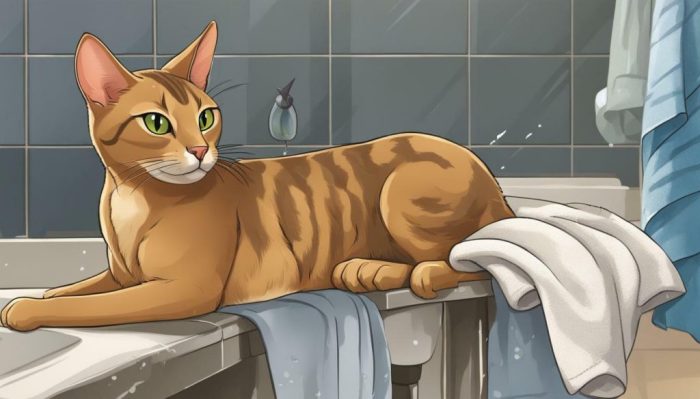
Early breeding programs involved crossing domestic cats with Asian Leopard Cats (ALCs) and Egyptian Maus. Subsequent generations have been carefully bred to reduce the wild cat influence while retaining the breed’s distinctive characteristics. Physically, Chausies are known for their long, muscular bodies, long legs, large paws, and striking spotted or marbled coats. They typically weigh between 6 and 14 pounds, with males generally being larger than females.
Their eyes are often gold or green, and their ears are large and alert.
Personality-wise, Chausies are intelligent, active, and playful. They are known for their dog-like loyalty and can often be trained to walk on a leash or play fetch. They are generally friendly and affectionate with their families, but can be wary of strangers. Their high energy levels mean they require plenty of enrichment and playtime to prevent boredom. They are also known for their vocalizations, often communicating with a variety of chirps, trills, and meows.
Their wild ancestry contributes to their hunting instincts, so providing opportunities for them to stalk and pounce is important.
Comparing Chausie Appearance and Temperament to Other Breeds
| Breed | Key Physical Feature | Temperament |
|---|---|---|
| Chausie | Long, muscular body; large paws; spotted or marbled coat; long legs. | Intelligent, active, loyal, playful, vocal. |
| Bengal | Rosetted coat; muscular build; horizontal stripes. | Energetic, playful, intelligent, can be demanding. |
| Savannah | Tall, slender build; spotted coat; often has a “wild” appearance. | Active, intelligent, social, can be dominant. |
Factors Influencing Price
The price of a Chausie kitten can vary significantly, ranging from $1,500 to $5,000 or even higher. Several factors contribute to this wide range, with lineage and breeder reputation being among the most significant. A kitten from a well-established breeder with a history of producing healthy, well-socialized Chausies will typically command a higher price than one from a less experienced or less reputable source.
Understanding Generation (F1, F2, etc.)
The generation of a Chausie kitten – F1, F2, F3, and so on – plays a crucial role in determining its price. The “F” stands for “filial,” and the number indicates how many generations removed the kitten is from its wild ancestor (the Asian Leopard Cat). F1 kittens are the direct offspring of an ALC and a domestic cat, and are the rarest and most expensive, often exceeding $5,000.
F2 kittens are the offspring of an F1 and a domestic cat, and are also quite valuable. As the generation number increases (F3, F4, etc.), the price generally decreases, as the wild cat influence diminishes. Breeders often prioritize breeding later generations (F4 and beyond) to ensure a more predictable temperament and easier integration into a domestic environment.
Coat Color and Pattern Variations
Just like with other cat breeds, coat color and pattern variations can impact the price of a Chausie kitten. While spotted patterns are generally more common, rarer colors like solid black or chocolate can fetch a higher price. Marbled patterns are also highly sought after. The intensity and clarity of the spotting or marbling can also influence the price, with more distinct and well-defined markings being more desirable.
Potential Hidden Costs of Chausie Ownership
- High-Quality Food: Chausies are active cats with high metabolisms, requiring a premium diet to support their energy levels and maintain their muscular build. Expect to spend $50-$100+ per month on food.
- Veterinary Care: Regular checkups, vaccinations, and preventative care are essential. Budget $200-$500 annually, plus potential emergency costs.
- Enrichment: Chausies need plenty of toys, climbing structures, and interactive playtime to prevent boredom and destructive behaviors. This can easily cost $100-$300+ per year.
- Grooming: While their short coat is relatively low-maintenance, regular brushing is still recommended to minimize shedding.
- Litter Box and Supplies: A large, sturdy litter box is a must, along with high-quality litter.
Geographic Price Variations
The location of the breeder significantly impacts the final price of a Chausie kitten. Breeders in areas with higher costs of living, such as the East Coast, tend to charge more than those in the Midwest or South. Transportation costs also play a role, as breeders may factor in the expense of shipping a kitten to a distant buyer.
Regional Price Comparisons
On the US East Coast, expect to pay between $2,500 and $5,000+ for a Chausie kitten from a reputable breeder. In the Midwest, prices typically range from $2,000 to $4,000. Southern states often see slightly lower prices, with ranges between $1,800 and $3,500. These are just averages, and prices can vary depending on the breeder, generation, and other factors.
Influence of State and Local Regulations
State and local regulations regarding animal breeding can also influence kitten prices. Areas with stricter regulations, such as mandatory health testing or licensing requirements, may result in higher breeder costs, which are often passed on to buyers. Zoning laws that restrict breeding activities can also limit the number of breeders in an area, potentially driving up prices.
| Region | Average Price Range |
|---|---|
| US East Coast | $2,500 – $5,000+ |
| US Midwest | $2,000 – $4,000 |
| US South | $1,800 – $3,500 |
| Western US | $2,200 – $4,500 |
Breeder Types and Pricing Strategies
Understanding the different types of breeders is crucial when considering a Chausie kitten purchase. Hobby breeders, show breeders, and commercial breeders all have different practices and pricing strategies.
Differentiating Breeder Types
Source: catbeep.com
Hobby breeders typically breed a small number of cats, often as a passion project. Their prices may be lower than those of show breeders, but they may not have the same level of experience or resources for health testing and socialization. Show breeders focus on breeding cats that meet the breed standard and are competitive in cat shows. They invest heavily in health testing and socialization, and their prices reflect this commitment.
Commercial breeders breed a larger number of cats, often with the primary goal of profit. Their prices may be lower, but the quality of care and socialization may be compromised.
Ethical Breeders and Health Testing
Ethical breeders justify their higher prices through rigorous health testing, including genetic screening for common feline diseases. They also prioritize socialization, exposing kittens to a variety of people, sounds, and environments to ensure they are well-adjusted and confident. This investment in health and socialization reduces the risk of future health problems and behavioral issues, ultimately benefiting the kitten and its new owner.
Risks of Less Reputable Breeders
Purchasing from less reputable breeders can be risky. Kittens may not have received proper vaccinations or deworming, and may be more prone to health problems or behavioral issues. Lower prices can be tempting, but the long-term costs of dealing with health problems or behavioral issues can far outweigh the initial savings.
Reputable Breeder Process Flowchart
- Careful Selection of Breeding Pair: Breeders meticulously choose cats with desirable traits and clear health records.
- Prenatal Care: Pregnant cats receive excellent nutrition and veterinary care.
- Kitten Birth and Early Care: Kittens are monitored closely and receive appropriate care.
- Health Testing: Kittens undergo veterinary examinations, vaccinations, and deworming. Genetic testing is performed as appropriate.
- Socialization: Kittens are exposed to various stimuli and handled frequently to ensure they are well-adjusted.
- Kitten Placement: Kittens are placed in loving, responsible homes after careful screening of potential buyers.
- Ongoing Support: Reputable breeders provide ongoing support and guidance to new owners.
Health Considerations and Costs
While Chausies are generally healthy cats, they are predisposed to certain health concerns. Understanding these potential issues and associated veterinary expenses is essential for responsible ownership.
Common Health Concerns
Some common health concerns in Chausies include hypertrophic cardiomyopathy (HCM), a heart condition; pyruvate kinase deficiency (PKD), a genetic disorder affecting red blood cells; and hip dysplasia. Regular veterinary checkups and screening tests can help detect these conditions early.
Importance of Genetic Testing
Genetic testing plays a crucial role in responsible Chausie breeding. Ethical breeders screen their cats for genetic disorders like PKD and HCM, and only breed cats that are clear of these conditions. This significantly reduces the risk of passing these diseases on to their offspring. The cost of genetic testing is factored into the kitten’s price.
Preventative Care Costs
- Vaccinations: Core vaccinations (FVRCP) typically cost $75-$150.
- Deworming: Regular deworming treatments cost $20-$50 per year.
- Flea and Tick Prevention: Monthly preventative medication costs $20-$40.
- Annual Checkups: Routine veterinary examinations cost $100-$200.
Potential Emergency Vet Costs
- Injuries: Fractures, lacerations, or other injuries can easily cost $500-$3,000+ to treat.
- Illnesses: Infections, respiratory problems, or other illnesses can require hospitalization and medication, costing $500-$5,000+.
- HCM Diagnosis and Management: Diagnostic tests (echocardiogram) can cost $200-$500, and ongoing medication and monitoring can add up.
- PKD Treatment: Treatment for PKD is often supportive and can be costly.
Acquisition Methods & Associated Costs
Deciding how to acquire a Chausie kitten is a significant decision, with various options available, each with its own costs and considerations.
Breeder vs. Adoption
Acquiring a Chausie kitten from a reputable breeder is the most common route, but adoption is a possibility, although rare. Breeders typically charge between $1,500 and $5,000+, while adoption fees are generally much lower, typically ranging from $100 to $500. However, finding a Chausie in a shelter or rescue organization is uncommon.
Rescue Organizations
While rare, Chausies occasionally appear in rescue organizations. Adoption fees typically cover initial vaccinations, deworming, and spaying/neutering. Be prepared for a thorough application process to ensure the cat goes to a suitable home.
Transport Costs
If you find a breeder located far from your home, transportation costs can add significantly to the overall expense. Shipping a kitten can cost $100-$500+, depending on the distance and method of transport (airline or ground).
| Method | Initial Cost | Ongoing Costs | Pros | Cons |
|---|---|---|---|---|
| Reputable Breeder | $1,500 – $5,000+ | $1,000 – $2,000+ annually | Health guarantee, socialization, known lineage. | Higher initial cost. |
| Adoption (Rare) | $100 – $500 | $1,000 – $2,000+ annually | Lower initial cost, helping a cat in need. | Chausie availability is very limited. |
| Transport from Breeder | $1,500 – $5,000+ (kitten) + $100 – $500 (transport) | $1,000 – $2,000+ annually | Access to breeders outside your local area. | Additional transport costs and potential stress for the kitten. |
Financing Options & Payment Plans
The significant cost of a Chausie kitten can be a barrier for some potential owners. Fortunately, several financing options are available.
Breeder Payment Plans
Many reputable breeders offer payment plans, allowing buyers to spread the cost of the kitten over several months. These plans typically require a deposit and may include interest charges.
Pet Insurance
Pet insurance can help offset the cost of unexpected veterinary expenses. Monthly premiums typically range from $30 to $100+, depending on the coverage level and the cat’s age and breed.
Personal Loans and Credit Cards
Personal loans or credit cards can be used to finance a Chausie purchase, but it’s important to compare interest rates and fees carefully. Be mindful of the potential for accumulating debt.
“Bringing a Chausie into your life is a long-term commitment. Budgeting for their lifetime expenses – including food, vet care, enrichment, and potential emergencies – is essential to ensuring their well-being and your financial stability.”
What’s Included in the Purchase Price?
When purchasing a Chausie kitten from a reputable breeder, you should expect to receive more than just the kitten itself.
Expected Items and Documentation
A reputable breeder will typically provide health records, including vaccination and deworming records. The kitten should be microchipped, and the breeder should transfer the registration to your name. You should also receive a small bag of the kitten’s current food and any relevant care instructions.
Health Guarantee
A health guarantee is a crucial component of a Chausie purchase. It typically covers genetic defects and congenital conditions for a specified period (e.g., one year). Read the guarantee carefully to understand its terms and limitations.
Contract
A written contract is essential to protect both the buyer and the breeder. The contract should Artikel the terms of the sale, including the health guarantee, return policy, and any breeding restrictions.
Buyer Verification Checklist
- Verify the breeder’s reputation and references.
- Review the kitten’s health records.
- Confirm the kitten has been microchipped and registered.
- Read and understand the health guarantee and contract.
- Observe the kitten’s behavior and interaction with its littermates.
- Ask questions about the breeder’s breeding practices and socialization methods.
Illustrative Examples of Pricing
Let’s explore some realistic scenarios to illustrate the potential costs associated with Chausie kitten ownership.
Typical Purchase from a Reputable Breeder
Scenario: You purchase an F3 Chausie kitten from a reputable breeder for $3,
000. The breeder provides a one-year health guarantee, vaccination records, and a microchip. You also purchase a high-quality cat carrier ($50), litter box and litter ($100), food and water bowls ($30), and toys ($50). Annual vet care is estimated at $
800. Total first-year cost: $4,930.
Lower-Priced Kitten Purchase
Scenario: You find a Chausie kitten advertised for $1,500 from a less experienced breeder. The kitten has not been fully vaccinated and lacks a health guarantee. You incur additional expenses for vaccinations ($200) and a veterinary checkup ($150). While the initial cost is lower, the lack of a health guarantee and potential for future health problems could lead to higher long-term expenses.
Rare Coat Color
Scenario: A Chausie kitten with a rare solid black coat from an F2 generation is offered for $5,500. The breeder has extensive health testing and socialization records. The premium price reflects the rarity of the coat color and the breeder’s commitment to quality.
Chausie Growth Stages & Costs
Imagine a visual representation: A timeline depicting a Chausie kitten’s growth from 8 weeks to 2 years old. At 8 weeks, the focus is on initial vaccinations and socialization (cost: $300-$500). At 6 months, spaying/neutering is required (cost: $200-$400). At 1 year, a comprehensive health checkup is recommended (cost: $150-$300). At 2 years, ongoing preventative care and potential HCM screening begin (annual cost: $800+).
The visual would clearly illustrate the escalating costs associated with each stage of the kitten’s development, emphasizing the importance of long-term financial planning.
Summary
Navigating the world of Chausie ownership requires careful planning and a realistic understanding of the financial commitment involved. From the initial purchase price, heavily influenced by lineage and generation, to ongoing expenses like specialized food, preventative vet care, and enriching toys, the costs can quickly add up. By researching reputable breeders, understanding the potential health concerns, and budgeting for the long term, you can ensure a happy and healthy life for your Chausie companion.
Ultimately, the reward of sharing your life with this extraordinary breed is well worth the investment for those prepared to provide the love, care, and resources they deserve.
FAQ Corner
What does “F1” mean in relation to Chausie generations?
F1 refers to a Chausie that is the first generation offspring of a jungle cat and a domestic cat. Higher generation numbers (F2, F3, etc.) indicate more domestic cat ancestry, generally resulting in a lower price and a slightly less wild appearance and behavior.
Why are Chausies so expensive?
Several factors contribute to the high price, including the difficulty and expense of breeding them (due to their wild ancestry), the rigorous health testing ethical breeders perform, and the demand for this unique breed. Reputable breeders invest heavily in their cats’ health and well-being.
What kind of food do Chausies need, and how much does it cost?
Chausies are active and require a high-protein, meat-based diet. Expect to spend $50-$100+ per month on high-quality cat food, depending on the brand and quantity.
Do Chausies need special enrichment?
Absolutely! Their wild instincts require plenty of interactive toys, climbing structures, and opportunities for play. Budget $20-$50+ per month for toys and enrichment items.
What are some potential emergency vet costs I should be prepared for?
Potential emergency costs could include injuries from climbing or playing ($500+), illnesses like upper respiratory infections ($200-$500), or more serious conditions requiring surgery ($1000+).
Is it possible to adopt a Chausie?
While rare, Chausies occasionally appear in rescue organizations. Adoption fees typically range from $100-$300, but finding one can be challenging.
What should I ask a breeder about health testing?
Ask about testing for PRA (Progressive Retinal Atrophy), HCM (Hypertrophic Cardiomyopathy), and other breed-specific genetic conditions. A reputable breeder will be transparent about their testing practices.

