Ever noticed those striking, tiger-like stripes on some cats? That’s likely the mackerel tabby pattern, a fascinating genetic trait that pops up in a surprising number of breeds. It’s more than just a pretty face; the pattern is rooted in genetics and has a rich history, influencing everything from a cat’s appearance to its personality. We’ll dive deep into the world of mackerel tabby cats, exploring the breeds that showcase this pattern best, understanding the science behind it, and even touching on how to keep these gorgeous felines happy and healthy.
From the sleek Bengals to the classic American Shorthairs and the uniquely marked Egyptian Maus, the mackerel tabby pattern adds a touch of wild beauty to our domestic companions. We’ll uncover the subtle differences within the pattern itself, learn how to distinguish it from other tabby variations, and appreciate the unique charm each breed brings to the table. Get ready to be amazed by the diversity and beauty of these striped wonders!
Understanding the Allure of Mackerel Tabby Cats
There’s something undeniably captivating about a cat sporting those bold, racing stripes. The mackerel tabby pattern is one of the most recognizable and beloved markings in the feline world, adorning a wide variety of breeds and captivating cat lovers everywhere. But what exactly
-is* a mackerel tabby, and why is it so prevalent? Let’s dive into the genetics, characteristics, and fascinating history of these beautifully striped felines.
The tabby pattern itself is an ancient trait, present in wild cats for millennia. It provides excellent camouflage, allowing them to blend seamlessly into their surroundings. Domestic cats inherited this pattern from their wild ancestors, and it continues to be a dominant feature in many breeds.
1. Introduction to Mackerel Tabby Patterns
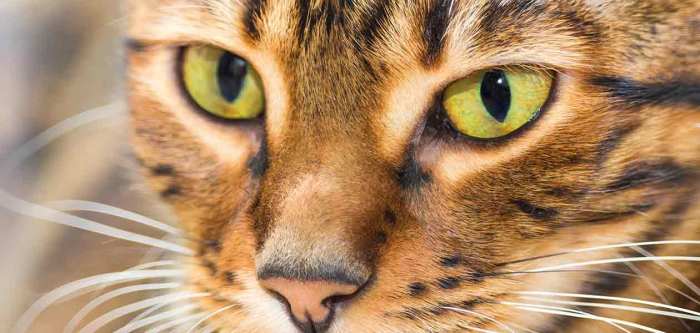
Source: thehappycatsite.com
The mackerel tabby pattern isn’t just a random arrangement of stripes; it’s a result of complex genetic interactions. At the heart of it all is the Agouti gene. This gene controls whether a cat produces eumelanin (black/brown pigment) or pheomelanin (red/orange pigment). More importantly, it dictates how these pigments are distributed. When the Agouti gene is “on,” it allows for banding patterns, creating the characteristic stripes we see in tabby cats.
The “I” allele of the Agouti gene is responsible for the tabby pattern itself, while the “a” allele suppresses it, resulting in a solid-colored cat.
Visually, a classic mackerel tabby is easily identifiable by its distinct, narrow, parallel stripes that run vertically down the sides of the body, resembling the bones of a mackerel fish – hence the name. These stripes are typically darker than the base coat color and are often accompanied by a darker “M” marking on the forehead. The stripes continue down the legs and tail, creating a unified and striking pattern.
Unlike classic tabbies, which have swirling, blotched patterns, or spotted tabbies, which have distinct spots, the mackerel tabby’s stripes are consistently parallel and unbroken.
The mackerel tabby pattern is remarkably common, appearing in a significant percentage of domestic cats. While precise statistics are difficult to obtain, estimates suggest that around 60-70% of cats possess some form of tabby marking, with the mackerel pattern being one of the most prevalent variations. It’s a testament to the enduring power of this ancient genetic trait.
2. Breeds Commonly Featuring Mackerel Tabby Markings
While the mackerel tabby pattern can appear in many breeds, some are particularly known for showcasing this striking marking. Here are five breeds where you’re likely to encounter beautiful mackerel tabbies:
Before we get into the table, a quick note: temperament can vary within a breed, and individual cats will always have their own unique personalities. These are general tendencies.
| Breed | Size (lbs) | Coat Length | Eye Color |
|---|---|---|---|
| American Shorthair | 8-15 | Short | Gold, Green, Copper |
| Bengal | 8-15 | Short | Gold, Green, Hazel |
| Egyptian Mau | 6-11 | Short | Green, Gold, Copper |
| Abyssinian | 6-12 | Short | Green, Amber, Copper |
| Manx | 8-13 | Medium | Various, often green or gold |
It’s important to note that the intensity and boldness of the stripes can vary significantly between breeds. For example, a Bengal might display bolder, more defined stripes compared to an Abyssinian, where the stripes can be more subtle and blended with ticking.
3. American Shorthair
A Prominent Mackerel Tabby Breed
The American Shorthair’s history is deeply intertwined with the early settlers of North America. These cats were brought over on ships from Europe, primarily as working cats to control rodent populations on board and in early settlements. Over generations, they adapted to the American climate and landscape, developing a robust and hardy physique.
Their natural selection led to the development of the distinct American Shorthair breed we know today.
Breed organizations like the Cat Fanciers’ Association (CFA) have established standards for mackerel tabby American Shorthairs. Acceptable colors include brown, silver, blue, and red, with variations like smoke and shaded patterns. The markings should be clear and well-defined, with the characteristic “M” on the forehead and vertical stripes along the sides. The stripes should be evenly spaced and consistent in width.
Distinguishing a classic tabby from a mackerel tabby in an American Shorthair comes down to the pattern. Classic tabbies have swirling, marbled patterns on their sides, often resembling a bullseye. Mackerel tabbies, on the other hand, have those distinct, parallel stripes. Look closely at the markings – the difference is quite clear once you know what to look for.
4. Bengal Cats and Their Mackerel Tabby Heritage
The Bengal cat is a relatively recent breed, created in the 1960s by crossing Asian Leopard Cats (ALCs) with domestic cats. The goal was to create a domestic cat with the striking appearance of a wild cat, but with a gentle and affectionate temperament. The ALC is a small, wild cat native to Asia, known for its beautiful spotted coat.
Bengal mackerel tabbies are particularly captivating. They often possess a “glitter” coat – a shimmering effect caused by the structure of their fur. They also tend to be quite muscular, reflecting their wild ancestry. The defining feature of a Bengal mackerel tabby is its rosettes – markings that resemble miniature roses or paw prints. These rosettes are typically darker than the base coat color and are arranged in a pattern that mimics the spots of a leopard.
Unlike traditional stripes, rosettes have a lighter center surrounded by a darker border. This creates a more complex and visually appealing pattern. The size and shape of the rosettes can vary, but they are always a key characteristic of the Bengal mackerel tabby.
5. Egyptian Mau
A Naturally Spotted and Striped Breed
The Egyptian Mau is one of the oldest known cat breeds, with a history stretching back to ancient Egypt. Depictions of cats resembling the Mau appear in Egyptian art and hieroglyphics, suggesting a long and revered association with the Egyptian people. They were considered sacred animals and were often associated with the goddess Bastet.
The Egyptian Mau is renowned for its unique “cheetah-like” markings, which include both the mackerel tabby pattern and spots. The stripes are typically more subtle than in other breeds, often blending into the spots. The “M” marking on the forehead is particularly prominent and distinctive. The tail is ringed with dark bands, adding to the cat’s exotic appearance.
Genetics play a crucial role in the Egyptian Mau’s distinctive markings. The tabby gene, combined with other modifiers, creates the unique combination of stripes and spots. The precise genetic mechanisms are still being studied, but it’s clear that the breed carries a strong genetic predisposition for these markings.
6. Other Breends Exhibiting Mackerel Tabby Patterns
Beyond the breeds already mentioned, several lesser-known breeds frequently display the mackerel tabby pattern. These include the Sokoke, a naturally occurring breed from Kenya, known for its elegant and athletic build; the Chartreux, a French breed with a distinctive blue-gray coat; and the Korat, a Thai breed known for its silver-blue coat and striking green eyes.
- Distinct vertical stripes along the sides. These stripes are the hallmark of the mackerel tabby pattern.
- “M” marking on the forehead. This is a consistent feature across all tabby patterns, but particularly noticeable in mackerel tabbies.
- Stripes continuing onto the legs and tail. The pattern extends throughout the entire body.
- Often a darker stripe down the spine. This adds definition and enhances the overall striped appearance.
The mackerel tabby pattern comes in a variety of colors. Here’s a visual guide:
- Brown Mackerel Tabby: Features brown stripes on a lighter brown background.
- Silver Mackerel Tabby: Displays silver stripes on a silver background, often with a shimmering effect.
- Blue Mackerel Tabby: Shows gray-blue stripes on a blue-gray background.
- Red Mackerel Tabby: Exhibits orange or reddish-brown stripes on a lighter orange or reddish-brown background.
7. Caring for Mackerel Tabby Cats
Regardless of breed, all cats require a balanced diet, regular grooming, and routine veterinary care. A high-quality cat food that meets their nutritional needs is essential. Grooming helps to keep their coat healthy and free of mats. Regular vet checkups can help to detect and prevent health problems.
Certain breeds commonly exhibiting the mackerel tabby pattern, such as Bengals, are predisposed to specific health concerns. Hypertrophic cardiomyopathy (HCM), a heart condition, is relatively common in Bengals. Regular screening can help to detect and manage this condition. Providing plenty of toys, scratching posts, and interactive playtime is crucial for keeping these active and playful cats happy and stimulated.
8. Distinguishing Mackerel Tabby from Other Tabby Patterns
Understanding the different tabby patterns can be tricky, but it’s a rewarding skill for any cat lover. The mackerel tabby, classic tabby, ticked tabby, and spotted tabby all share the tabby gene, but they express it in different ways.
“The mackerel tabby showcases distinct, parallel stripes resembling a fish skeleton. Classic tabbies have swirling patterns, ticked tabbies have a salt-and-pepper appearance, and spotted tabbies have distinct spots.”
Accurately identifying a cat’s tabby pattern requires careful observation. Even if the markings are faint or obscured, look for the overall pattern. Mackerel tabbies will always have those parallel stripes, while classic tabbies have swirls, ticked tabbies have a blended appearance, and spotted tabbies have distinct spots.
9. Mackerel Tabby Color Variations
Mackerel tabby cats come in a stunning array of colors, including brown, silver, blue, red, and various shades in between. The color of a mackerel tabby’s coat is determined by a complex interplay of genes. The Agouti gene dictates the banding pattern, while other genes control the pigment production.
Rare or unusual color variations within the mackerel tabby pattern can occur due to mutations in these genes. For example, a smoke mackerel tabby has a silver undercoat with darker tipping on the hairs, creating a smoky appearance. Chocolate and lilac mackerel tabbies are also relatively rare and highly sought after.
10. Visual Descriptions of Mackerel Tabby Cats
Imagine a brown mackerel tabby cat: a sleek, muscular feline with rich, chocolate-brown stripes running vertically down its sides. The “M” marking on its forehead is clearly defined, and its eyes are a vibrant gold. This cat is playful and energetic, always ready for a game of chase or a cuddle on the couch. Its personality is as striking as its appearance – confident, curious, and affectionate.
Now picture a silver mackerel tabby cat: its coat shimmers with a subtle, ethereal glow. The silver stripes are crisp and clean against a silvery background, creating an elegant and refined appearance. Its eyes are a mesmerizing green, and its demeanor is calm and graceful. This cat exudes an air of quiet sophistication and enjoys leisurely naps in sunbeams.
Finally, envision a blue mackerel tabby cat: its coat is a soft, muted gray-blue, with subtle stripes that blend seamlessly into the background. Its eyes are a gentle amber, and its nature is calm and affectionate. This cat is a comforting presence, always ready to offer a soothing purr and a warm embrace.
Ending Remarks
So, there you have it – a comprehensive look at mackerel tabby cat breeds! We’ve journeyed through genetics, breed histories, and care tips, hopefully giving you a deeper appreciation for these captivating felines. Whether you’re a seasoned cat lover or just starting your journey into the world of cats, the mackerel tabby pattern is a truly remarkable feature to admire.
The next time you see those distinctive stripes, you’ll know exactly what you’re looking at and the fascinating story behind them.
Ultimately, these cats, with their striking patterns and varied personalities, enrich our lives and remind us of the incredible diversity within the feline world. Keep exploring, keep learning, and keep appreciating the beauty of our furry friends!
FAQ Insights
Why are some cats mackerel tabbies and others aren’t?
It all comes down to genetics! The Agouti gene is key – it controls whether a cat displays a banded pattern (like the mackerel tabby) or a solid color. Different variations of this gene, combined with other color genes, determine the specific shade and intensity of the stripes.
Can a cat change its tabby pattern as it ages?
No, the tabby pattern is genetically determined and doesn’t change. However, the intensity of the markings can fade slightly as a cat ages, making them appear less pronounced.
What’s the difference between a mackerel tabby and a classic tabby?
Mackerel tabbies have narrow, parallel stripes that run down their sides, resembling a fish skeleton. Classic tabbies have wider, swirling patterns that often form a “bullseye” shape on their sides.
Are mackerel tabby cats more active than other cats?
While individual personalities vary, many breeds that commonly display the mackerel tabby pattern (like Bengals and Egyptian Maus) are known for being energetic and playful. Providing plenty of enrichment is important for these cats.
What health problems are common in mackerel tabby breeds?
Certain breeds, like Bengals, can be predisposed to hypertrophic cardiomyopathy (HCM), a heart condition. Regular veterinary checkups are crucial for early detection and management.
Can you tell if a kitten will be a mackerel tabby?
It’s difficult to be certain, but you can often see faint tabby markings in kittens even before their full pattern develops. Knowing the parents’ genetics can also provide clues.

