The Tonkinese cat, a captivating blend of Siamese and Burmese breeds, is known for its striking blue eyes, affectionate personality, and playful nature. But before you welcome one of these gorgeous felines into your home, it’s essential to understand the full picture of Tonkinese cat cost – it’s more than just the initial purchase price! This guide breaks down every expense, from breeder fees and vet bills to toys and insurance, so you can budget responsibly and ensure your Tonkinese lives a happy, healthy, and fulfilling life.
We’ll explore the various factors influencing the price, including breeder reputation, geographic location, and the type of care you choose to provide. From the initial adoption or purchase to ongoing expenses like food, grooming, and potential emergencies, we’ll cover it all. Knowing what to expect financially will allow you to make an informed decision and prepare for the joys and responsibilities of Tonkinese ownership.
The True Cost of a Tonkinese Cat: A Comprehensive Guide
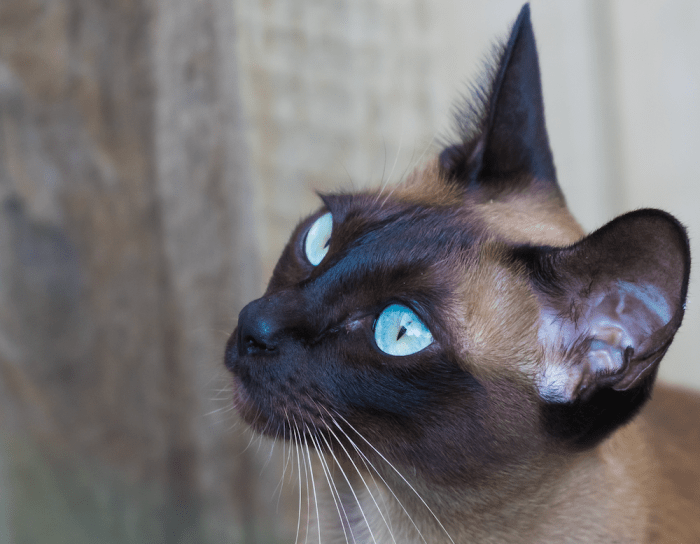
Source: litter-robot.com
Bringing a Tonkinese cat into your life is a wonderful decision! These affectionate and intelligent felines are known for their striking appearance and playful personalities. However, beyond the initial joy, it’s crucial to understand the financial commitment involved. This guide breaks down all the costs associated with Tonkinese ownership, from the initial purchase to ongoing care, so you can be fully prepared to provide the best possible life for your new companion.
We’ll cover everything from breeder costs to vet bills, grooming, and even enrichment activities.The price of a Tonkinese can vary significantly depending on several factors. Understanding these factors will help you make an informed decision and avoid potential pitfalls. We’ll explore the different avenues for acquiring a Tonkinese, the expenses breeders face, and the ongoing costs of keeping your cat happy and healthy.
Initial Purchase Price of a Tonkinese Cat
The upfront cost of acquiring a Tonkinese is often the biggest hurdle for potential owners. Prices can range considerably, and it’s important to understand why. Generally, you’re paying for more than just the cat itself; you’re investing in the breeder’s time, expertise, and commitment to health and quality.Reputable breeders invest heavily in their cats’ health and well-being, which directly impacts the kitten’s price.
A Tonkinese kitten from a reputable breeder typically ranges from $1,500 to $3,
500. This price is influenced by several factors
pedigree (a cat with a strong lineage from champion lines will be more expensive), color point (rarer color variations can command higher prices), and the breeder’s reputation (established breeders with a history of producing healthy, well-socialized kittens often charge more).The distinction between a show-quality and a pet-quality Tonkinese is significant. Show-quality kittens are bred specifically to meet the breed standard and are intended for competition.
They possess exceptional conformation, temperament, and color. These kittens typically cost between $2,500 and $5,000 or even higher. Pet-quality kittens, while still healthy and well-socialized, may have minor imperfections that prevent them from being shown. They are generally priced between $1,500 and $2,500.Adopting a Tonkinese from a rescue organization or shelter is a more affordable option. Adoption fees typically range from $100 to $300, which usually cover initial vaccinations, spaying/neutering, and a basic health check.
While finding a purebred Tonkinese in a shelter can be challenging, it’s not impossible, and it’s a wonderful way to give a deserving cat a loving home.Here’s a table summarizing price ranges by region:
| Breeder | Price Range | Location |
|---|---|---|
| Reputable Breeder | $1,500 – $3,500 | US |
| Show-Quality Breeder | $2,500 – $5,000+ | UK |
| Reputable Breeder | $1,800 – $4,000 CAD | Canada |
| Reputable Breeder | $2,000 – $4,500 AUD | Australia |
Breeder Costs & Considerations
Understanding the expenses breeders incur provides valuable insight into why Tonkinese kittens aren’t cheap. Responsible breeders aren’t just selling kittens; they’re investing in the health and well-being of their breeding cats and their offspring. These costs are factored into the kitten’s price.Breeders face significant expenses, including health testing (genetic screenings for breed-specific conditions), vaccinations, high-quality food (essential for healthy growth and development), regular vet care (including prenatal care for the mother), and registration fees (with organizations like TICA or CFA).
These costs can easily add up to several thousand dollars per breeding cat per year.Choosing a responsible breeder is paramount. A good breeder prioritizes the health and temperament of their cats above all else. Look for breeders who offer health guarantees (covering genetic conditions), demonstrate excellent socialization practices (kittens should be well-adjusted and comfortable around people), and provide detailed pedigree documentation.
Don’t hesitate to ask questions about the breeder’s practices and the health history of their cats.Be wary of red flags. Avoid breeders who are unwilling to answer questions, don’t allow you to visit their facilities, sell kittens at significantly lower prices than the average, or don’t provide health records. These are often indicators of a potentially unethical or low-quality breeder.Essential health tests for Tonkinese breeders include:
- PRA-b (Progressive Retinal Atrophy – b variant): A genetic test to screen for a common eye disease.
- PRA-a (Progressive Retinal Atrophy – a variant): Another genetic test for a different form of PRA.
- HCM Screening (Hypertrophic Cardiomyopathy): Echocardiograms to screen for this heart condition.
- Retinal Exams: Regular eye exams by a veterinary ophthalmologist.
- FIV/FeLV Testing: Screening for Feline Immunodeficiency Virus and Feline Leukemia Virus.
Geographic Price Variations
The cost of a Tonkinese cat can vary significantly depending on your location. For example, prices on the East Coast of the US might be slightly higher than on the West Coast, although this isn’t always the case. In the UK, prices tend to be comparable to the higher end of the US range. Europe generally sees similar pricing to the UK.These variations are often due to a combination of factors, including supply and demand, breeder density, and local economic conditions.
Areas with a higher demand for Tonkinese and fewer reputable breeders will typically have higher prices.Shipping costs can dramatically increase the overall price when acquiring a Tonkinese from a distant breeder. Shipping a cat can range from $200 to $500 or more, depending on the distance and the shipping method. Factor this cost into your budget if you’re considering a breeder outside of your immediate area.Imagine a map of the United States.
The East Coast (New England, Mid-Atlantic) is shaded a light orange, indicating a price range of $1,800 – $2,500. The Midwest (Illinois, Ohio, Michigan) is shaded a pale yellow, representing $1,500 – $2,000. The West Coast (California, Oregon, Washington) is a light green, showing $1,600 – $2,200. The Southern states (Texas, Florida, Georgia) are a light blue, with prices ranging from $1,700 – $2,300.
This color-coding visually represents the geographic price variations for Tonkinese cats across the country.
Ongoing Expenses: Food & Nutrition
Providing a Tonkinese with a nutritious diet is essential for their health and longevity. These cats are known for their active lifestyles and require a diet that supports their energy levels and overall well-being.The recommended diet for Tonkinese cats typically includes a combination of wet food, dry food, and potentially raw feeding. Wet food provides essential moisture, which is crucial for kidney health.
Dry food helps maintain dental hygiene. Raw feeding, when done correctly, can offer numerous health benefits, but it requires careful planning and research to ensure it’s nutritionally complete and safe.Premium cat food brands, like Orijen, Acana, and Wellness, often cost more ($40-$80 per month) but offer higher-quality ingredients and are formulated to meet the specific nutritional needs of cats. Budget-friendly options, like Purina One or Iams, can be suitable for Tonkinese, but it’s important to choose formulas with high-quality protein sources and limited fillers ($20-$40 per month).Here’s a table summarizing different food types:
| Food Type | Brand Example | Price per Month (estimate) | Nutritional Benefits |
|---|---|---|---|
| Dry | Purina One | $25 | Dental health, convenient storage |
| Wet | Wellness Complete Health | $45 | High moisture content, palatable |
| Raw | Primal Pet Foods | $60+ | High protein, natural ingredients (requires careful preparation) |
| Freeze-Dried | Stella & Chewy’s | $50 | Convenient, minimally processed |
Veterinary Care Costs
Regular veterinary care is a non-negotiable expense for any pet owner, and Tonkinese cats are no exception. Annual veterinary expenses typically range from $300 to $800, depending on the cat’s age, health, and preventative care needs.Routine checkups, vaccinations, and preventative medications (like flea and tick preventatives and dewormers) are essential for maintaining your Tonkinese’s health. These costs can vary depending on your location and the veterinarian’s fees.Tonkinese cats are predisposed to certain health concerns, including gingivitis (inflammation of the gums) and hypertrophic cardiomyopathy (HCM, a heart condition).
Treatment for these conditions can be costly, ranging from hundreds to thousands of dollars. Regular dental cleanings can help prevent gingivitis, while echocardiograms can help detect HCM early.Emergency vet care can be unpredictable and expensive. Common ailments like ingestion of foreign objects or injuries can easily cost $500 to $2,000 or more, depending on the severity of the condition and the treatment required.
Preventative care is key to minimizing future health expenses. Regular checkups, vaccinations, dental cleanings, and a healthy diet can help keep your Tonkinese cat happy and healthy for years to come. Early detection of health problems is always more cost-effective than treating advanced conditions.
Final Conclusion
As we’ve seen, owning a Tonkinese cat is a significant investment, encompassing not only the initial purchase but also ongoing care and potential unexpected expenses. While the upfront costs can seem daunting, the rewards of sharing your life with this intelligent, affectionate, and beautiful breed are immeasurable. By carefully planning your budget and prioritizing preventative care, you can ensure your Tonkinese thrives and brings years of joy to your family.
Remember, responsible pet ownership is about more than just love; it’s about providing a secure and financially stable environment for your furry companion.
Ultimately, understanding the Tonkinese cat cost allows you to make a well-informed decision and commit to providing the best possible life for your new friend. With proper planning and dedication, you can enjoy the unique bond and companionship that a Tonkinese cat offers for years to come.
FAQ
What’s the average lifespan of a Tonkinese?
Tonkinese cats typically live between 12 and 15 years, but with excellent care, some can live even longer.
Do Tonkinese cats require a lot of grooming?
Not excessively! They have short, silky coats that require brushing once or twice a week to prevent matting and hairballs.
Are Tonkinese cats prone to separation anxiety?
Yes, they are very social and can become anxious if left alone for extended periods. Providing plenty of enrichment and playtime is crucial.
What are some signs of gingivitis in a Tonkinese?
Red, swollen gums, bad breath, and difficulty eating are common signs. Regular dental checkups are essential.
How much does it typically cost to microchip a Tonkinese?
Microchipping usually costs between $40 and $70, and it’s a vital step in ensuring your cat’s safe return if they ever get lost.
What is the best way to socialize a Tonkinese kitten?
Early and positive exposure to different people, animals, and environments is key. Gentle handling and rewarding calm behavior are important.
Can Tonkinese cats eat human food?
While small amounts of certain cooked foods are okay as occasional treats, a Tonkinese’s diet should primarily consist of high-quality cat food formulated for their specific needs.

