Urinary Supplements for Cats A Guide to Happy Bladders

Our feline friends can be prone to urinary issues, and it’s something many cat owners worry about. From crystals to inflammation, the lower urinary tract can be a source of discomfort for our beloved companions. Thankfully, urinary supplements for cats offer a potential avenue for support, working alongside veterinary care to promote a healthier urinary system. This guide dives deep into the world of these supplements, exploring ingredients, forms, safety, and how to choose the best option for your cat’s unique needs.
We’ll unpack the science behind common ingredients like cranberry extract and D-mannose, compare different supplement types, and discuss how to administer them effectively, even to the pickiest eaters. Understanding feline urinary health is the first step towards ensuring your cat’s comfort and well-being, and this guide aims to equip you with the knowledge you need to make informed decisions.
Understanding Feline Urinary Health
Urinary issues are surprisingly common in cats, and can range from mild discomfort to serious, life-threatening conditions. It’s not always obvious when a cat is struggling, as they’re masters at hiding pain. Understanding the basics of feline urinary health – what’s normal, what’s not, and what contributes to problems – is the first step in keeping your furry friend happy and healthy.
This section will delve into the common causes, the importance of urine pH, and how diet plays a crucial role.
Many cat owners are unaware of the complexities of their cat’s urinary system. The kidneys filter waste from the blood, producing urine which is then stored in the bladder and eliminated. Problems can arise anywhere along this pathway, leading to a variety of symptoms. We’ll explore the most frequent culprits behind feline lower urinary tract disease (FLUTD) and how to recognize potential issues early on.
Common Causes of Feline Lower Urinary Tract Disease (FLUTD)
FLUTD isn’t a single disease, but rather a collection of conditions affecting the bladder and urethra. Identifying the
specific* cause can be tricky, and often requires veterinary investigation. Stress is a huge factor, and can trigger or exacerbate many urinary problems. Other common causes include
- Infections: While less common than other causes, bacterial infections can definitely cause urinary tract inflammation and discomfort.
- Bladder Stones/Crystals: These mineral formations can irritate the bladder lining and obstruct urine flow. We’ll discuss different types in more detail later.
- Idiopathic Cystitis: This is a diagnosis of exclusion – meaning it’s used when no other cause can be found. It’s strongly linked to stress and anxiety.
- Urethral Obstruction: This is a
-medical emergency*, particularly in male cats, where the urethra becomes blocked, preventing urine from passing. - Underlying Medical Conditions: Diabetes, kidney disease, and hyperthyroidism can all contribute to urinary problems.
The Role of Urine pH in Urinary Health for Cats
Urine pH is a measure of its acidity or alkalinity. Maintaining a healthy pH balance is crucial for preventing crystal formation and supporting a healthy urinary tract environment. The ideal pH range for most cats is slightly acidic, typically between 6.0 and 6.8. Deviations from this range can create an environment where certain crystals are more likely to form.
Normal and Abnormal Urine Characteristics in Cats
Knowing what’s “normal” for your cat’s urine can help you spot potential problems early. Here’s a breakdown:
- Color: Normal urine is typically a pale yellow to amber color.
- Clarity: It should be clear, not cloudy. Cloudiness can indicate infection, crystals, or inflammation.
- Odor: A slight ammonia smell is normal, but a strong, foul odor can suggest infection.
- Abnormalities: Reddish or pink urine can indicate blood (hematuria). Dark brown or black urine can be a sign of serious kidney problems.
It’s a good idea to occasionally observe your cat’s litter box habits. Any sudden changes in urine volume, frequency, or appearance should be brought to your veterinarian’s attention.
Impact of Diet on Feline Urinary Tract Health
Diet plays amassive* role in urinary health. Specifically formulated urinary diets can help manage crystal formation and maintain a healthy urine pH. These diets often have controlled levels of minerals like magnesium, phosphorus, and calcium, which are key components of common crystals. Increasing water intake through wet food or water fountains is also essential, as diluted urine is less likely to form crystals.
| Crystal Type | Composition | Formation & Potential Health Consequences |
|---|---|---|
| Struvite | Magnesium ammonium phosphate | Forms in alkaline urine (pH > 7.0). Can cause bladder stones and crystals, leading to irritation, pain, and obstruction. |
| Calcium Oxalate | Calcium oxalate | Forms in acidic urine (pH < 6.0). Often associated with kidney disease or metabolic disorders. Can cause bladder stones and kidney damage. |
| Urate | Uric acid | More common in cats with liver disease or genetic predispositions. Can cause bladder stones and obstruction. |
Types of Urinary Supplements for Cats
Once you’ve identified a potential urinary issue, supplements can sometimes offer supportive care alongside veterinary treatment. However, it’s crucial to understand what these supplements do and whether they’re appropriate for your cat’s specific needs. This section will explore common ingredients, their mechanisms of action, and different formulations.
Primary Ingredients in Urinary Supplements
A wide range of ingredients are used in urinary supplements, each with a slightly different approach to supporting urinary health. Some of the most common include:
- Cranberry Extract: Contains proanthocyanidins (PACs), which are believed to prevent bacteria from adhering to the bladder wall.
- D-Mannose: A simple sugar that also prevents bacterial adhesion, particularly
-E. coli*. - Yucca Schidigera: An herb that may help reduce urine pH and support kidney function.
- L-Ornithine: An amino acid that helps reduce ammonia production in the kidneys.
Mechanisms of Action
Each ingredient works through a different mechanism:
- Cranberry Extract (PACs): PACs bind to bacterial receptors in the urinary tract, preventing them from attaching to the bladder wall and multiplying.
- D-Mannose: D-Mannose binds to bacterial fimbriae (finger-like projections), preventing them from adhering to the urinary tract lining.
- Yucca Schidigera: Contains compounds that may neutralize ammonia and reduce inflammation.
- L-Ornithine: Supports the urea cycle in the liver, which helps remove ammonia from the body.
Comparing Supplements for Different Issues
Not all supplements are created equal. Some are formulated for specific types of urinary issues:
- Struvite Crystals: Supplements often focus on maintaining a slightly acidic urine pH to discourage struvite formation.
- Idiopathic Cystitis: Supplements may include ingredients with calming properties to help manage stress-related urinary symptoms.
- Bacterial Infections: Supplements containing cranberry extract or D-mannose are often used as supportive therapy alongside antibiotics.
| Supplement Form | Pros | Cons | Suitability for Cats |
|---|---|---|---|
| Chewable Tablets | Palatable, easy to administer (for some cats). | Can be difficult for cats to chew, some cats refuse to eat them. | Good for cats who enjoy treats, but not ideal for picky eaters. |
| Powders | Easy to mix into wet food, can be dosed precisely. | Can alter the texture of wet food, some cats may reject it. | Versatile, suitable for most cats, especially those who eat wet food. |
| Liquids | Easy to administer directly or mix into food, readily absorbed. | Can be messy, may have an unpleasant taste. | Good for cats who have difficulty swallowing pills, but may be less palatable. |
Cranberry and D-Mannose: Detailed Examination
Cranberry extract and D-mannose are two of the most popular ingredients in urinary supplements, and for good reason. They offer distinct, yet complementary, approaches to supporting urinary health, particularly in preventing bacterial infections.
Scientific Basis for Cranberry Extract
The benefits of cranberry extract stem from its proanthocyanidins (PACs). These compounds interfere with the ability of bacteria, particularlyE. coli*, to adhere to the walls of the urinary tract. By preventing bacterial attachment, cranberry extract can help reduce the risk of urinary tract infections (UTIs).
Effectiveness of D-Mannose
D-mannose works similarly to cranberry extract, but with a slightly different mechanism. It directly binds to bacterial fimbriae, preventing them from attaching to the bladder lining. This is a highly effective way to flush bacteria out of the urinary tract.
Comparison of Cranberry Extract Formulations
Not all cranberry extracts are created equal. The key factor to consider is the PAC content. Look for standardized extracts that guarantee a specific percentage of PACs (typically 30% or higher). Higher PAC content generally translates to greater effectiveness.
Dosage Ranges
Dosage depends on the cat’s weight and the severity of symptoms. As a general guideline:
- Cranberry Extract: 100-200mg of standardized extract per day for an average-sized cat (10-15 lbs).
- D-Mannose: 500-1000mg per day for an average-sized cat.
Always consult with your veterinarian before starting any new supplement, as they can provide personalized dosage recommendations.
“We had a very stressful move, and our cat, Whiskers, started straining to urinate and crying in pain. After a vet visit ruled out a blockage, we started him on a cranberry supplement and a calming diffuser. Within a week, he was back to his old self! The supplement seemed to really help reduce the inflammation and discomfort.” – Sarah M., Cat Owner
Other Supplement Ingredients and Their Benefits
While cranberry and D-mannose are popular choices, several other ingredients can contribute to urinary health.
Role of L-Ornithine
L-ornithine is an amino acid that plays a vital role in the urea cycle, which is responsible for removing ammonia from the body. By supporting this cycle, L-ornithine helps reduce ammonia production in the kidneys, which can contribute to a healthier urinary environment.
Benefits of Yucca Schidigera
Yucca schidigera is a desert plant extract known for its ability to reduce urine pH. It also contains compounds that may have anti-inflammatory and antioxidant properties, supporting overall kidney function.
N-Acetylglucosamine (NAG)
NAG is a precursor to glycosaminoglycans, which are important components of the bladder lining. Supplementing with NAG may help strengthen and protect the bladder lining, reducing irritation and inflammation.
Potential Benefits of Vitamin C
Vitamin C is an antioxidant that can help protect the urinary tract from damage caused by free radicals. It may also help increase urine acidity, which can discourage the formation of certain crystals.
List of Less Common Ingredients
Here’s a breakdown of less common ingredients and their purported benefits, categorized by mechanism of action:
- Anti-inflammatory: Boswellia, turmeric (curcumin)
- Antimicrobial: Uva ursi (use with caution and veterinary guidance)
- pH-Balancing: Potassium citrate (often prescribed by veterinarians)
Supplement Formulations and Delivery Methods
The form of the supplement and how you administer it can significantly impact its effectiveness.
Absorption Rates
Liquids generally have the fastest absorption rate, followed by powders, and then tablets. However, absorption isn’t the only factor – palatability and whether the cat will actually
take* the supplement are also crucial.
Flavored vs. Unflavored
Flavored supplements are often more palatable, but the flavorings themselves can sometimes be a deterrent for picky cats. Unflavored supplements offer more flexibility for mixing into food.
Administering to Picky Eaters
Getting a picky cat to take supplements can be a challenge. Here are some tips:
- Mix with wet food: This is often the easiest method.
- Hide in treats: Pill pockets or small, tasty treats can mask the supplement.
- Administer directly: Use a pill dispenser or syringe to give the supplement directly into the cat’s mouth (requires patience and skill).
Tips for Mixing Powdered Supplements
- Start with a small amount of wet food and gradually add the powder.
- Mix thoroughly to ensure even distribution.
- If the cat refuses to eat the mixture, try adding the powder to a different flavor of wet food.
| Delivery Method | Ease of Use | Effectiveness | Potential Drawbacks |
|---|---|---|---|
| Direct Administration | Can be difficult, requires skill. | Potentially high absorption. | Stressful for cat, risk of aspiration. |
| Food Mixing | Easy, convenient. | Variable absorption. | Cat may reject food, difficult to dose precisely. |
| Water Additive | Easy, palatable. | Low absorption. | Cat may not drink enough water. |
Safety and Potential Side Effects
While generally safe, urinary supplements can have potential side effects.
Potential Adverse Reactions
Some cats may experience mild gastrointestinal upset (vomiting, diarrhea) when starting a new supplement. Allergic reactions are rare, but possible.
Importance of Veterinary Consultation
Always consult with your veterinarian before administering any supplements to your cat. They can help determine the underlying cause of the urinary issues and recommend the most appropriate treatment plan.
Potential Interactions
Urinary supplements can interact with certain medications. For example, cranberry extract may interfere with blood thinners.
Sourcing Supplements
Choose supplements from reputable manufacturers that adhere to quality control standards. Look for products that have been tested for purity and potency.
Checklist for Assessing Quality and Safety
- Look for a reputable brand with good reviews.
- Check the ingredient list carefully.
- Ensure the product is manufactured in a GMP-certified facility.
- Consult with your veterinarian before use.
Choosing the Right Supplement: Considerations
Selecting the right urinary supplement for your cat requires careful consideration.
Factors to Consider
- Age: Kittens and senior cats may have different needs.
- Weight: Dosage is often based on weight.
- Medical History: Underlying medical conditions can influence supplement choices.
- Specific Urinary Issues: Struvite crystals, idiopathic cystitis, or bacterial infections require different approaches.
Reading Product Labels
Pay close attention to the ingredient list, dosage instructions, and any warnings or precautions.
Prevention vs. Treatment
Supplements marketed for prevention typically focus on maintaining a healthy urinary tract environment. Supplements for treatment often contain ingredients with stronger therapeutic effects.
Interpreting Ingredient Lists and Dosages
Understand the purpose of each ingredient and ensure the dosage is appropriate for your cat’s weight and condition.
Flowchart for Supplement Selection
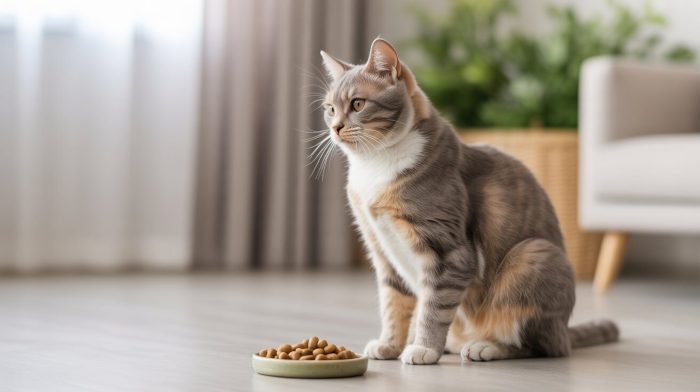
Source: petsmingle.com
[Imagine a flowchart here. It would start with “Is your cat experiencing urinary symptoms?” If yes, proceed to “Has your vet diagnosed a specific condition?” If yes, follow their recommendations. If no, consider supplements for prevention, focusing on ingredients like cranberry extract and D-mannose. If symptoms are severe or persistent, consult your vet immediately.]
Integrating Supplements with Other Treatments
Urinary supplements are rarely a standalone solution. They’re most effective when used as part of a comprehensive treatment plan.
Complementing Veterinary Care
Supplements can support veterinary care for FLUTD by addressing underlying factors like inflammation and bacterial infection.
Dietary Changes
Dietary changes, such as switching to a urinary-specific diet or increasing water intake, are essential for managing urinary health.
Adequate Water Intake
Ensure your cat has access to fresh, clean water at all times. Consider using a water fountain to encourage drinking.
Scenario: Comprehensive Treatment Plan
A cat with recurrent urinary infections might receive antibiotics from the vet, a urinary-specific diet, and a cranberry supplement to help prevent bacterial adhesion.
Lifestyle Modifications
- Stress Reduction: Provide a calm and enriching environment.
- Litter Box Management: Ensure adequate litter boxes (number = cats + 1), clean them regularly, and use a litter type your cat prefers.
Final Wrap-Up
Navigating the world of urinary supplements for cats can feel overwhelming, but with a little knowledge, you can become a proactive advocate for your cat’s health. Remember, supplements are often most effective when integrated with a veterinarian-approved treatment plan, including dietary adjustments and lifestyle modifications. By understanding the different ingredients, forms, and potential benefits, you can help your cat maintain a happy, healthy bladder and enjoy a better quality of life.
Ultimately, prioritizing your cat’s urinary health is an investment in their overall well-being. Don’t hesitate to consult with your vet to determine the best course of action, and remember that even small changes can make a big difference in your cat’s comfort and happiness.
Essential FAQs
Can I give my cat urinary supplements without seeing a vet?
While some supplements are marketed for preventative care, it’s always best to consult with your veterinarian first. They can diagnose the underlying cause of any urinary issues and recommend the most appropriate treatment plan, which may or may not include supplements.
How long does it take to see results from urinary supplements?
Results can vary depending on the severity of the issue and the individual cat. Some owners may notice improvements within a week, while others may need to wait several weeks. Consistency is key, and it’s important to follow your veterinarian’s recommendations.
Are there any supplements that are specifically good for older cats?
Older cats are more prone to urinary problems, and some supplements, like those containing L-ornithine, can be particularly beneficial for supporting kidney function and reducing ammonia production. Discuss age-specific needs with your vet.
My cat hates taking pills. What are my options?
Many urinary supplements come in palatable forms like chewables or liquids. Powders can be mixed into wet food, and there are tricks for hiding pills in treats. Experiment to find what works best for your cat.
What does it mean when my cat’s urine is dark or cloudy?
Dark or cloudy urine can be a sign of dehydration, infection, or crystals. It’s important to monitor your cat’s urine and consult with your veterinarian if you notice any changes.
How much water should my cat be drinking?
A general guideline is that cats should drink about 3.5-4.5 ounces of water per 5 pounds of body weight daily. Encourage water intake by providing fresh water, multiple water bowls, and even a cat fountain.
