Ever watched your cat meticulously nibble at their food, or perhaps they gulp it down in seconds? It’s a common observation, but have you ever wondered
-why* cats chew (or don’t!) their food? Understanding feline eating habits is more than just a quirky curiosity; it’s rooted in their evolutionary history, anatomy, and even their emotional state. This exploration dives deep into the fascinating world of how cats approach mealtime, from wild ancestors to pampered house cats, and what influences their chewing behavior.
We’ll unpack the science behind a cat’s jaw and teeth, examine how different food textures play a role, and consider potential medical or behavioral reasons for unusual chewing patterns. Plus, we’ll look at how the type of food – kibble, wet food, raw – impacts the chewing experience and what you can do to ensure your feline friend is eating happily and healthily.
Do Cats Chew Their Food? Unraveling Feline Feeding Habits
Ever watched your cat eat and wondered if they’re actually
-chewing*? It’s a surprisingly complex topic, and the answer isn’t always straightforward. While some cats seem to gulp down their food, others meticulously nibble. This behavior is deeply rooted in their evolutionary history and influenced by a variety of factors, from their anatomy to their environment. Let’s dive into the fascinating world of feline feeding habits and explore why some cats chew more than others.
1. Natural Eating Behaviors of Cats
A cat’s eating style isn’t random; it’s a product of millions of years of evolution. Unlike dogs, who often graze throughout the day, or herbivores who spend a significant portion of their time chewing plant matter, cats are obligate carnivores designed for short, intense bursts of hunting and eating. Their ancestors were solitary hunters, meaning they had to consume their entire prey quickly and efficiently to avoid losing it to scavengers.
Their anatomy plays a crucial role. Cats possess sharp, pointed teeth designed for tearing meat, not grinding plants. Their jaw muscles are powerful, allowing for a strong bite to subdue prey, but the range of motion is limited compared to herbivores. The digestive system is short and efficient, optimized for processing animal protein and fat. This means they don’t need to chew extensively to break down their food.
Wild cats, like lions and tigers, exhibit a more intense chewing behavior than domestic cats. This is likely due to the nature of their prey – whole animals with bones, fur, and organs. Domestic cats, often fed processed food, have less need to chew extensively. However, even domestic cats retain the instinct to bite and tear, which can manifest as chewing behavior.
| Feature | Wild Cat (e.g., Lion) | Domestic Cat |
|---|---|---|
| Jaw Muscle Structure | Strong, well-developed muscles for powerful bites and gripping. Greater range of motion. | Less robust muscles, limited range of motion. |
| Tooth Shape | Long, sharp canines for seizing prey. Carnassial teeth (specialized shearing teeth) are prominent. | Similar tooth structure, but canines may be slightly shorter. Carnassial teeth still present. |
2. Why Some Cats Chew More Than Others
Texture is a significant factor in a cat’s enjoyment of food. Many cats are drawn to crunchy textures, which can provide a satisfying sensory experience. Wet food, particularly pate-style, offers a softer, smoother texture that some cats prefer. The contrast between these textures can influence chewing behavior; a cat might chew more vigorously on crunchy food to break it down, while they might simply lap up soft food.
Excessive chewing can sometimes indicate underlying medical issues. Dental problems, such as gingivitis or broken teeth, can cause pain and lead to unusual chewing habits. Gastrointestinal problems, like inflammatory bowel disease, can also affect appetite and eating behavior. It’s crucial to rule out any medical causes with a veterinary checkup.
Age also impacts chewing habits. Kittens, with their developing teeth, may chew more to explore textures and relieve teething discomfort. Senior cats, on the other hand, may experience decreased chewing due to dental wear or arthritis, leading them to prefer softer foods.
- Food Allergies: Chicken, fish, or beef allergies can cause inflammation and discomfort, leading to increased chewing.
- Intolerance to Ingredients: Certain additives or preservatives might irritate the digestive system.
- Sensitivity to Grain: While cats don’t require grains in their diet, some may be sensitive to them.
- Artificial Colors/Flavors: These can sometimes trigger digestive upset and unusual eating behaviors.
3. Types of Cat Food and Chewing
The chewing experience varies significantly depending on the type of cat food. Dry kibble generally requires more chewing than wet food. The effort required to break down the kibble can provide a degree of mental stimulation and potentially contribute to dental health by scraping away plaque.
The size and shape of kibble play a crucial role. Larger, more irregularly shaped kibble pieces require more chewing than smaller, uniform pieces. Manufacturers often design kibble shapes to encourage chewing and slow down eating.
Food processing methods also influence kibble texture. Extrusion, a common method, involves forcing ingredients through a die under high pressure and temperature, resulting in a dense, crunchy texture. Molding, another technique, can create kibble with different shapes and textures.
| Food Type | Texture | Nutritional Highlights | Chewing Considerations |
|---|---|---|---|
| Dry Kibble | Crunchy, hard | Convenient, often fortified with vitamins and minerals. | Requires more chewing, can help with dental health. |
| Wet Food (Canned) | Soft, moist, pate or chunks | High moisture content, palatable. | Minimal chewing required, may not provide as much dental benefit. |
| Raw Food | Variable – muscle meat, bone, organs | High in protein, natural ingredients. | Requires significant chewing, potential choking hazard if bones are not properly prepared. |
| Freeze-Dried | Crunchy, rehydrates easily | Retains nutrients, convenient. | Offers a crunchy texture, but rehydrates quickly. |
4. Behavioral Reasons for Chewing
Boredom and a lack of environmental enrichment are common drivers of excessive chewing. Cats are intelligent and curious creatures, and if they don’t have enough mental and physical stimulation, they may resort to chewing as a way to entertain themselves. Providing interactive toys, scratching posts, and climbing structures can help alleviate boredom.
Stress and anxiety can also manifest as unusual eating behaviors, including chewing. Changes in the environment, such as a new pet or a move, can trigger stress in cats. Providing a safe and comfortable environment, using calming pheromone diffusers, and ensuring consistent routines can help reduce anxiety.
Chewing can sometimes be a displacement behavior – a way for a cat to cope with frustration or anxiety. It’s a seemingly unrelated behavior that helps them release pent-up energy or tension.

(Imagine a flowchart here. Starting with “Is the cat bored?” If yes, branch to “Provide enrichment (toys, climbing structures, playtime).” If no, branch to “Is the cat stressed?” If yes, branch to “Manage stress (safe space, calming pheromones, consistent routine).” If no, branch to “Consider medical causes (dental issues, GI problems).”)
5. Food Ingredients and Their Impact on Chewing
Fiber content in cat food affects chewing and digestion. Fiber adds bulk to the stool and can help regulate digestion. However, excessive fiber can make food less palatable and may reduce a cat’s desire to chew.
Protein and fat are essential for a cat’s appetite and chewing motivation. High-protein, high-fat diets are generally more appealing to cats and can encourage them to chew more vigorously.
Added flavorings and palatability enhancers can significantly impact chewing behavior. These ingredients are designed to make food more appealing, and some cats may become overly fixated on foods with strong flavors.
- Artificial Flavors: Can be highly palatable but may lead to picky eating.
- MSG (Monosodium Glutamate): A common palatability enhancer.
- High Levels of Fish Oil: While beneficial for omega-3s, can sometimes cause digestive upset.
- Certain Preservatives: BHA, BHT, and ethoxyquin can be irritating to some cats.
6. Addressing Excessive Chewing – Practical Strategies
Enriching a cat’s environment is crucial for reducing boredom-related chewing. Provide a variety of interactive toys, scratching posts, climbing structures, and opportunities for play. Rotate toys regularly to keep things interesting.
Managing stress and anxiety can also reduce chewing. Create a safe and comfortable environment for your cat, provide consistent routines, and consider using calming pheromone diffusers or supplements.
Regular dental checkups and preventative care are essential for maintaining good oral health. Brush your cat’s teeth regularly, provide dental chews, and schedule professional cleanings as recommended by your veterinarian.
Assessing Your Cat’s Chewing Behavior: A Step-by-Step Guide
- Observe your cat’s eating habits: How much do they chew? What types of food do they prefer?
- Rule out medical causes: Schedule a veterinary checkup to address any potential dental or gastrointestinal issues.
- Evaluate the environment: Is your cat bored or stressed?
- Review the diet: Are there any ingredients that might be causing digestive upset?
- Make gradual changes: Introduce new foods or enrichment activities slowly to avoid overwhelming your cat.
7. Specific Food Textures and Cat Preferences
Source: diyseattle.com
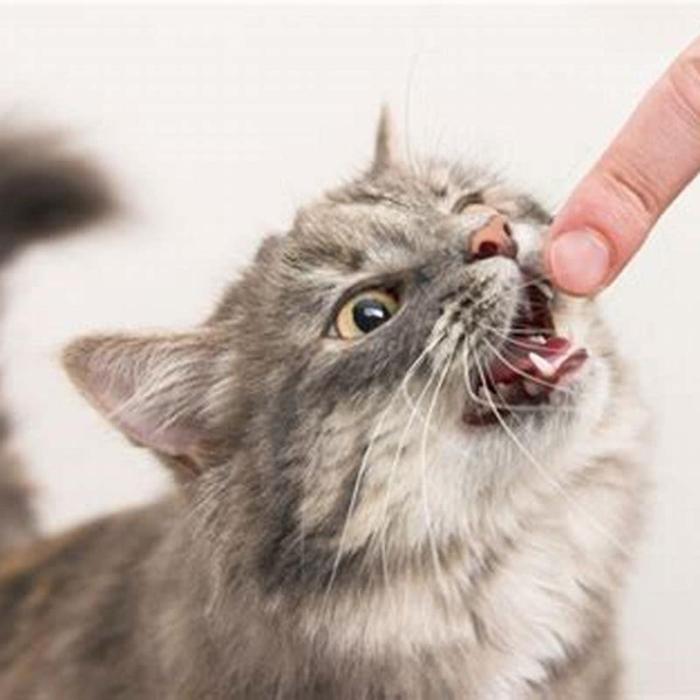
Crunchy textures are often appealing to cats because they provide a satisfying sensory experience and can help scrape away plaque. The act of chewing can also stimulate saliva production, which helps neutralize acids in the mouth.
Some cats prefer soft or pate-style foods because they are easier to eat, especially for senior cats or those with dental problems. However, these foods don’t provide the same dental benefits as crunchy foods.
Texture preference varies individually among cats. Some cats are drawn to specific textures, while others are more flexible. It’s important to observe your cat’s preferences and provide a variety of textures to keep them engaged.
- Crumbly
- Smooth
- Gelatinous
- Firm
- Moist
- Dry
- Chewy
8. Raw and Homemade Diets – Chewing Considerations
The texture of raw food, including muscle meat, bone, and organs, significantly impacts chewing. Raw bones provide a natural chewing outlet and can help clean teeth. However, it’s crucial to select appropriate bones and prepare them properly to avoid choking hazards.
Proper bone selection and preparation are paramount in raw diets. Raw bones should be large enough that the cat cannot swallow them whole and should be free of splinters. Grinding bones or using bone meal can provide calcium without the choking risk.
Creating a nutritionally complete and balanced homemade diet that also encourages appropriate chewing can be challenging. It requires careful planning and attention to detail to ensure that the cat receives all the essential nutrients.
A properly prepared raw food meal for a cat should consist of approximately 80% muscle meat, 10% bone, 5% liver, and 5% other organs. The consistency should be slightly moist, with the bone providing a significant chewing challenge. The meat should be finely ground or chopped to facilitate digestion, while the bone should be large enough to require chewing but small enough to be safely consumed.
End of Discussion
Ultimately, understanding why your cat chews (or doesn’t) their food is a window into their overall well-being. From evolutionary instincts to individual preferences, a cat’s eating style is a complex interplay of factors. By considering their natural behaviors, potential medical concerns, and environmental influences, you can create a feeding routine that caters to your cat’s unique needs and keeps them purring with contentment.
So, next time you observe your cat at mealtime, remember there’s a whole lot more going on than meets the eye!
Top FAQs
Why don’t all cats chew their food?
Cats are obligate carnivores designed to tear and gulp down prey, not chew extensively. Some cats simply don’t need to chew much to digest their food effectively.
Can dental problems cause a cat to chew differently?
Absolutely! Dental issues like gingivitis, broken teeth, or abscesses can make chewing painful, leading to changes in eating habits.
Is it normal for a kitten to chew more than an adult cat?
Kittens often chew more as they explore textures and develop their chewing skills. However, excessive chewing should still be monitored.
Could my cat be allergic to something in their food, causing them to chew excessively?
Yes, dietary sensitivities can manifest as unusual eating behaviors, including increased chewing. Common allergens include grains, dairy, and certain proteins.
Does the shape of kibble really matter?
Yes! Larger kibble pieces generally encourage more chewing than smaller ones, which can be beneficial for dental health.
Why might my cat be chewing on their food out of boredom?
Boredom and lack of enrichment can lead to repetitive behaviors, including excessive chewing. Providing toys and interactive playtime can help.
How can I tell if my cat is stressed and chewing as a result?
Look for other signs of stress like hiding, changes in litter box habits, or increased vocalization. Addressing the source of stress is key.
Are raw food diets better for a cat’s chewing habits?
Raw food’s texture, including bone content, naturally encourages chewing. However, it’s crucial to prepare raw meals safely and ensure they are nutritionally complete.