The Chantilly Tiffany cat breed, also sometimes called the Chantilly Persian, is a truly captivating feline known for its luxurious, silky coat and gentle, affectionate personality. Often shrouded in a bit of mystery thanks to its intriguing origins, this breed has steadily gained popularity among cat lovers seeking a devoted and beautiful companion. We’ll delve into everything you need to know, from its debated history to its specific care requirements, helping you understand if a Chantilly Tiffany might be the perfect addition to your family.
This guide will explore the breed’s fascinating past, detailing the legend of Lord Willoughby and the cats he supposedly brought from Paris. We’ll also examine the crucial role Sylvia Milton played in developing and promoting the breed, and clarify the ongoing confusion with the Tiffany Persian. Beyond history, we’ll cover their stunning physical characteristics, temperament, grooming needs, potential health concerns, and how to find a responsible breeder.
The Enchanting Chantilly Tiffany: A Breed Steeped in Mystery and Beauty
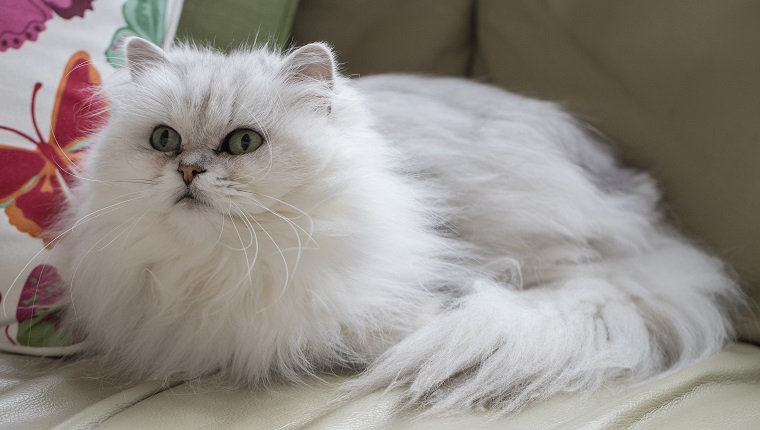
The Chantilly Tiffany, also known as the Chantilly-Tiffany, is a captivating breed known for its luxurious, semi-long coat, gentle demeanor, and a fascinating, somewhat disputed, history. Often described as a “living chinchilla” due to the unique way its fur reflects light, this breed has garnered a devoted following. This article delves into the origins, characteristics, care, and distinctions of this beautiful feline, separating fact from legend and providing a comprehensive guide for potential and current owners.
Origins and History of the Chantilly Tiffany
The story of the Chantilly Tiffany is a blend of intriguing folklore and documented breeding efforts. The most popular legend centers around Lord Willoughby, an English nobleman who, in the 18th century, supposedly brought several cats from Siberia to his estate in Derbyshire, England. These cats, said to be descendants of the Russian Blue, were then transported to France and bred with Persians, resulting in a unique breed known as the “Chatlinois.” The legend claims these cats were favored by Marie Antoinette, further cementing their aristocratic status.However, concrete historical evidence supporting this narrative is scarce.
While there are mentions of cats resembling the Chantilly Tiffany in historical records, particularly in France during the 18th and 19th centuries, definitive proof linking them directly to Lord Willoughby’s cats remains elusive. Genealogical records are incomplete, and the “Chatlinois” name appears sporadically, making it difficult to trace a clear lineage.Sylvia Milton, a British breeder, played a pivotal role in the modern development and promotion of the breed.
In the 1970s, she acquired several cats she believed to be descendants of the Chatlinois and began a dedicated breeding program, focusing on preserving and refining their unique characteristics. She named the breed the Chantilly Tiffany, combining the French “Chantilly” (referencing the Chatlinois heritage) with “Tiffany,” a name she admired. Milton’s tireless efforts significantly contributed to the breed’s recognition and popularity.Early recognition by major cat registries was slow.
The Chantilly Tiffany wasn’t initially accepted by organizations like the Cat Fanciers’ Association (CFA) or the Fédération Internationale Féline (FIFe). However, through persistent lobbying and demonstration of the breed’s distinct qualities, it eventually gained recognition in some European registries and is now recognized by The International Cat Association (TICA). The ongoing debate about its lineage and the lack of early documentation continue to influence its status within the cat fancy.
Physical Characteristics & Appearance
The ideal Chantilly Tiffany presents a striking and elegant appearance. They are medium to large-sized cats, typically weighing between 8 and 15 pounds. Their body is semi-foreign, meaning it’s not as cobby as a Persian but not as slender as a Siamese. They possess a muscular build with a graceful, flowing movement.The coat is the breed’s most defining feature – a luxurious, semi-long, silky coat that feels incredibly soft to the touch.
The texture is often described as having a “chinchilla-like” quality, with a distinct lack of guard hairs, resulting in a shimmering, almost ethereal appearance.Color variations are diverse, encompassing both pointed and non-pointed patterns. Accepted colors include: Chocolate, Lilac, Blue, Fawn, and Cream. Pointed varieties exhibit darker coloration on the face, ears, paws, and tail, contrasting with a lighter body color.The “lilac” or “lavender” coloration is particularly prized in the breed.
It’s a dilute form of chocolate, resulting in a soft, silvery-grey hue with a subtle pinkish undertone. This coloration, combined with the shimmering coat, creates a truly unique and captivating appearance.Here’s a table outlining acceptable and disqualifiable colors/patterns:
| Color/Pattern | Acceptable | Disqualifiable |
|---|---|---|
| Solid | Chocolate, Lilac, Blue, Fawn, Cream | White, Black, Cinnamon, Red |
| Pointed | Chocolate Point, Lilac Point, Blue Point, Fawn Point, Cream Point | Seal Point, Flame Point, Tabby Point |
| Smoke | Chocolate Smoke, Lilac Smoke, Blue Smoke | Any other smoke color |
| Particolor | White spotting allowed in combination with accepted colors | Excessive white spotting (more than 25%) |
Temperament and Personality
Chantilly Tiffanys are renowned for their exceptionally gentle and affectionate nature. They are often described as “velcro cats,” as they thrive on human companionship and enjoy being close to their owners. They are not typically demanding of attention but will readily curl up on a lap or follow their humans around the house.Anecdotes frequently describe Chantilly Tiffanys as being exceptionally patient and tolerant with children.
Their calm demeanor and gentle nature make them well-suited to households with young children. They also generally get along well with other pets, including dogs, provided they are properly introduced.While not excessively vocal, Chantilly Tiffanys do communicate with soft, melodic meows. They are more likely to express themselves through gentle nudges and purrs than through loud vocalizations.Compared to other breeds known for their affectionate personalities, such as the Ragdoll or Persian, the Chantilly Tiffany shares a similar level of devotion but often exhibits a slightly more playful and energetic disposition.
While Ragdolls are known for their relaxed, floppy nature, Chantilly Tiffanys tend to be more active and curious.
Grooming Requirements
Source: cattime.com
Maintaining the Chantilly Tiffany’s luxurious coat requires a moderate level of grooming commitment. Their semi-long coat, while beautiful, is prone to matting and tangles if not properly cared for.Regular brushing is essential, ideally several times a week, to remove loose hair and prevent the formation of mats. A stainless steel comb and a soft-bristled brush are recommended tools. Pay particular attention to areas prone to tangling, such as behind the ears and under the legs.Bathing is typically required every few months, or as needed, depending on the cat’s lifestyle and coat condition.
When bathing, use a high-quality cat shampoo specifically formulated for long-haired breeds. Rinse thoroughly to remove all traces of shampoo.Here’s a suggested weekly grooming routine:
- Monday: Light brushing to remove loose hair.
- Wednesday: More thorough brushing, paying attention to problem areas.
- Friday: Comb through the coat to detect and remove any small tangles.
- Saturday: Nail trimming (as needed).
- Sunday: Gentle wipe down with a damp cloth to remove dirt and debris.
Health Concerns & Lifespan
Like all breeds, Chantilly Tiffanys are predisposed to certain health issues. While generally a healthy breed, potential concerns include hypertrophic cardiomyopathy (HCM), a heart condition, and polycystic kidney disease (PKD), a genetic disorder affecting the kidneys. Hip dysplasia, although less common, can also occur.Responsible breeding practices are crucial in minimizing the risk of genetic health problems. Reputable breeders screen their cats for HCM, PKD, and other inherited conditions before breeding.
Transparency about health testing results is a hallmark of a responsible breeder.The average lifespan of a Chantilly Tiffany is typically between 12 and 15 years. Factors that can influence longevity include genetics, diet, lifestyle, and access to quality veterinary care.Here’s a table summarizing potential health issues:
| Potential Health Issue | Symptoms | Possible Treatment |
|---|---|---|
| Hypertrophic Cardiomyopathy (HCM) | Difficulty breathing, lethargy, sudden death | Medication to manage symptoms, dietary changes |
| Polycystic Kidney Disease (PKD) | Increased thirst and urination, weight loss, vomiting | Dietary changes, medication, supportive care |
| Hip Dysplasia | Lameness, stiffness, pain | Pain medication, physical therapy, surgery (in severe cases) |
Diet and Nutrition
Providing a balanced and nutritious diet is essential for maintaining the health and well-being of a Chantilly Tiffany at every stage of life. Kittens require a diet specifically formulated for growth, with higher levels of protein and calories. Adult cats need a diet that supports their overall health and activity level. Senior cats may benefit from a diet that is lower in calories and higher in fiber.The debate between wet and dry food continues among cat owners.
Wet food offers several advantages, including higher moisture content (which can help prevent urinary issues) and a more palatable texture. Dry food is more convenient and can help promote dental health through its abrasive action. A combination of both wet and dry food is often a good compromise.Several high-quality cat food brands are recommended, including Royal Canin, Hill’s Science Diet, and Purina Pro Plan.
Look for foods that list a named meat source (e.g., chicken, salmon) as the first ingredient and avoid foods with excessive fillers or artificial additives.Fresh, clean water should always be available. Appropriate portion sizes vary depending on the cat’s age, activity level, and metabolism. Consult with a veterinarian to determine the optimal feeding plan for your Chantilly Tiffany.
Finding a Reputable Breeder
Choosing a reputable breeder is paramount to ensuring you acquire a healthy and well-socialized Chantilly Tiffany kitten. A responsible breeder prioritizes the health and temperament of their cats above all else.Here’s a checklist of questions to ask a breeder:
- Can you provide health testing results for your breeding cats?
- What is your kitten socialization process?
- Can I visit your cattery to see the cats and kittens?
- What guarantees do you offer regarding the kitten’s health?
- What is your policy on returns or rehoming?
Here’s a table outlining positive breeder traits and red flags:
| Positive Breeder Traits | Red Flags |
|---|---|
| Willing to answer questions openly and honestly | Reluctance to provide information or allow visits |
| Provides health testing results | No health testing performed |
| Cattery is clean and well-maintained | Unsanitary or overcrowded conditions |
| Kittens are well-socialized and handled | Kittens are shy, fearful, or aggressive |
Living Environment & Enrichment
The ideal living environment for a Chantilly Tiffany is one that provides both comfort and stimulation. They thrive in a calm and loving home where they receive plenty of attention and interaction.Mental and physical stimulation are crucial for preventing boredom and promoting overall well-being. Provide a variety of toys, scratching posts, and climbing structures. Interactive play sessions, such as chasing a laser pointer or playing with a feather wand, are also beneficial.
A stimulating indoor environment for a Chantilly Tiffany includes multiple levels for climbing, cozy nooks for napping, a variety of toys to engage their curiosity, and plenty of opportunities for interaction with their human companions. Window perches offer a chance to observe the outside world, while puzzle feeders can provide mental stimulation during mealtimes. Regular play sessions and gentle grooming are essential for maintaining their physical and emotional health.
Differences from Tiffany/Chantilly Persian
The history of the Chantilly Tiffany is intertwined with that of the Tiffany Persian, leading to considerable confusion over the years. Both breeds share a common ancestry, but distinct breeding programs have resulted in significant differences.The Tiffany Persian, also known as the Persian Chinchilla, was developed primarily in the United States, focusing on a more extreme chinchilla-like appearance with a very short, shimmering undercoat.
The Chantilly Tiffany, on the other hand, retains a longer, more luxurious coat and a slightly more refined, semi-foreign body type. Personality-wise, Tiffany Persians are often described as being more docile and laid-back, while Chantilly Tiffanys tend to be more playful and interactive.Here’s a comparison of the breed standards:
| Feature | Chantilly Tiffany | Tiffany Persian | Notes |
|---|---|---|---|
| Coat Length | Semi-long | Short to medium | Tiffany Persian has a very short, dense undercoat. |
| Body Type | Semi-foreign | More cobby | Tiffany Persian has a more rounded body. |
| Head Shape | Wedge-shaped | Rounder | Tiffany Persian has a more rounded head. |
| Eye Color | Amber, gold, or copper | Blue | Tiffany Persian typically has blue eyes. |
Visual Descriptions – Illustrative Details
The Chantilly Tiffany’s coat possesses a unique texture and sheen. The individual hairs are incredibly fine and lack a distinct undercoat, allowing light to reflect off the surface, creating a shimmering, almost iridescent effect. The coat appears to “glow” in the sunlight, giving it a captivating beauty.Their eyes are large, round, and expressive, typically amber, gold, or copper in color.
The pupil is a dark, round shape, while the iris exhibits a warm, luminous hue. The eyes are set slightly obliquely, giving the cat a perpetually curious and intelligent expression.The face is wedge-shaped, with a gently sloping forehead and a well-defined muzzle. The nose is medium in length and slightly curved. The mouth is small and delicate, with a subtle smile.
The whisker pads are full and rounded, supporting long, elegant whiskers.The purr of a Chantilly Tiffany is often described as a deep, rumbling vibration, almost like a gentle motor. They also occasionally emit soft, chirping vocalizations when they are feeling playful or affectionate.
Final Conclusion
From their shimmering coats to their loving nature, Chantilly Tiffanys offer a unique and rewarding companionship. Understanding their history, physical traits, and specific needs is key to ensuring a happy and healthy life for these beautiful cats. Whether you’re a seasoned cat owner or considering your first feline friend, the Chantilly Tiffany breed presents a compelling choice for those seeking a gentle, affectionate, and undeniably gorgeous companion.
With proper care and a loving home, these cats are sure to bring joy and elegance to your life for years to come.
FAQs
Are Chantilly Tiffanys hypoallergenic?
While no cat is truly hypoallergenic, Chantilly Tiffanys produce less Fel d 1 protein (the primary allergen) than some breeds, potentially making them a better choice for people with mild allergies. However, individual reactions vary.
How much do Chantilly Tiffany kittens typically cost?
The price of a Chantilly Tiffany kitten can range from $1,500 to $3,000 or more, depending on the breeder’s reputation, lineage, and markings. Be wary of significantly lower prices, as they may indicate unethical breeding practices.
Do Chantilly Tiffanys get along with dogs?
Generally, yes! Chantilly Tiffanys are known for their gentle and adaptable nature, often forming strong bonds with dogs, especially if introduced at a young age. Early socialization is key.
What is the best way to prevent matting in a Chantilly Tiffany’s coat?
Regular brushing – ideally daily – is essential. Use a stainless steel comb to gently work through the coat, paying particular attention to areas prone to tangling, like behind the ears and under the legs. Detangling spray can also be helpful.
What are some good toys for a Chantilly Tiffany?
Chantilly Tiffanys enjoy interactive toys like feather wands, laser pointers (used responsibly), and puzzle toys that dispense treats. They also appreciate soft toys they can cuddle with.
How can I tell if a Chantilly Tiffany breeder is reputable?
A reputable breeder will be happy to answer your questions, allow you to visit their cattery, and provide health records for the kitten’s parents. They should also prioritize the health and well-being of their cats over profit.

