Everyone knows the name Garfield, the famously lazy, lasagna-loving orange cat. But how did this iconic character come to be, and why has he charmed audiences for decades? This exploration dives deep into the history, personality, and cultural impact of Garfield, from his humble beginnings as a comic strip creation to his global domination as a merchandising and media empire.
We’ll uncover the secrets behind his enduring appeal and examine why this perpetually grumpy feline continues to resonate with people of all ages.
From Jim Davis’s initial spark of inspiration to the countless adaptations across television, film, and merchandise, Garfield’s journey is a fascinating study in character development and commercial success. We’ll look at the supporting cast that brings Garfield’s world to life, the artistic style that defines his comics, and the subtle social commentary woven into his everyday antics. Get ready to rediscover the joy and humor of the Garfield cat!
The Enduring Legacy of Garfield: More Than Just a Lazy Cat
Garfield. The name conjures images of a perpetually grumpy, lasagna-loving feline lounging on a couch, dodging Mondays, and generally avoiding responsibility. But there’s far more to this iconic character than meets the eye. Garfield has become a global phenomenon, a cultural touchstone, and a surprisingly astute observer of the human condition. This article delves into the history, personality, and impact of Jim Davis’s beloved creation, exploring why Garfield continues to resonate with audiences of all ages.
The Origins of Garfield
The story of Garfield begins in the late 1970s with Jim Davis, a young cartoonist struggling to find his footing. Davis, drawing on his own experiences and observations, initially conceived of a dog character named Jon. However, after receiving feedback that a cat would be more appealing, he pivoted. The initial concept for Garfield was a more mischievous and rambunctious character, but Davis gradually refined him into the cynical, food-obsessed cat we know today.
The name “Garfield” itself was inspired by a roll of fabric Davis’s wife, Liz, had in their home – a Garfield-patterned fabric.
- June 19, 1978: The first Garfield comic strip appeared in 41 newspapers across the United States.
- Early 1980s: Garfield’s popularity exploded, quickly expanding to over 250 newspapers.
- 1982: The first Garfield animated television special, “Here Comes Garfield,” premiered.
- Mid-1980s: Garfield merchandise began to flood the market, solidifying his status as a pop culture icon.
Garfield’s debut coincided with a growing interest in relatable, everyday humor. The 1970s were a period of economic uncertainty and social change, and Garfield’s cynical outlook and rejection of societal expectations resonated with a generation feeling disillusioned. His humor wasn’t reliant on slapstick or outlandish situations; it was rooted in the mundane frustrations of daily life – a sentiment many could identify with.
Garfield’s Personality and Characteristics
Garfield’s appeal lies in his unapologetic embrace of indulgence. He’s lazy, sarcastic, and obsessed with food, particularly lasagna. These traits aren’t presented as flaws but as defining characteristics that make him relatable, even endearing. His interactions with Jon and Odie are a constant source of comedic tension, fueled by Garfield’s manipulative nature and Odie’s blissful ignorance.
- Laziness: Garfield’s dedication to napping and avoiding work is legendary.
- Sarcasm: His witty and often biting remarks are a hallmark of his personality.
- Love of Lasagna: This is arguably Garfield’s most defining trait, a symbol of his indulgence and pleasure.
The humor derived from Garfield’s interactions with Jon and Odie is multi-layered. Jon serves as the straight man, constantly exasperated by Garfield’s antics, while Odie provides a foil to Garfield’s cynicism with his unwavering optimism and naivete. Garfield’s manipulation of both characters, often for his own amusement or to secure a meal, is a recurring comedic device.
Psychologically, Garfield taps into a universal desire to escape responsibility and embrace pleasure. He represents the part of us that wants to sleep in, eat junk food, and avoid chores. His unapologetic indulgence is a form of rebellion against the pressures of modern life.
- “I hate Mondays.”
- “Lasagna is my love language.”
- “I’m not fat, I’m fluffy.”
- “If I had a dollar for every time I was told to eat a salad, I’d buy more lasagna.”
These phrases, often delivered with a deadpan expression, have become ingrained in popular culture, encapsulating Garfield’s cynical wit and love of indulgence.
Garfield’s Supporting Cast
While Garfield is undoubtedly the star, the supporting cast plays a crucial role in the comic’s humor and appeal. Each character serves a distinct purpose, contributing to the dynamic and comedic interplay that defines the Garfield universe.
Jon Arbuckle
Jon Arbuckle is Garfield’s well-meaning but often hapless owner. He’s a struggling cartoonist, perpetually trying to improve his work and navigate the challenges of single life, all while dealing with Garfield’s demanding personality. Jon’s role is to be the foil to Garfield’s antics, providing a grounding presence and a source of frustration for the feline.
Odie
Odie is Jon’s perpetually cheerful and incredibly naive dog. He’s a source of endless amusement for Garfield, who often exploits Odie’s innocence for his own gain. Odie’s simple-mindedness and boundless enthusiasm contrast sharply with Garfield’s cynicism, creating a comedic dynamic that is both endearing and hilarious.
Nermal
Nermal is Garfield’s self-proclaimed “cutest kitten in the world,” and a constant source of irritation for the grumpy cat. Garfield is obsessed with getting rid of Nermal, often devising elaborate schemes to send him back to his owner. Nermal represents everything Garfield despises – innocence, sweetness, and an abundance of cuteness.
| Character Name | Description | Relationship to Garfield | Notable Traits |
|---|---|---|---|
| Jon Arbuckle | Garfield’s owner, a struggling cartoonist. | Owner and frequent target of Garfield’s mischief. | Well-meaning, hapless, perpetually frustrated. |
| Odie | Jon’s dog, known for his naivete and enthusiasm. | Frequent victim of Garfield’s pranks. | Cheerful, oblivious, easily manipulated. |
| Nermal | A “cute” kitten who constantly annoys Garfield. | Rival and object of Garfield’s disdain. | Excessively cute, self-absorbed, irritating. |
Garfield’s Merchandise and Media Adaptations
Garfield’s popularity quickly translated into a vast array of merchandise. From plush toys and clothing to mugs and calendars, Garfield’s image has adorned countless products. This commercial success is a testament to the character’s widespread appeal and enduring popularity.
- Toys: Garfield plush toys, figurines, and action figures have been consistently popular since the 1980s.
- Clothing: T-shirts, sweatshirts, and other apparel featuring Garfield designs are a staple of pop culture merchandise.
- Collectibles: Limited-edition Garfield collectibles, such as figurines and artwork, are highly sought after by fans.
Garfield has also been adapted into numerous television series and films. While the animated adaptations have varied in quality, they have consistently maintained Garfield’s core personality and humor. The holiday specials, in particular, have become beloved traditions for many families.
“The Garfield franchise has generated billions of dollars in revenue, making it one of the most commercially successful media franchises of all time. Its enduring appeal lies in its relatable humor and the timeless appeal of a lazy cat who loves lasagna.”
Garfield’s Artistic Style and Visual Representation
Jim Davis’s artistic style is characterized by its simplicity and expressiveness. The comics feature clean lines, bold Artikels, and a limited color palette. This minimalist approach allows the focus to remain on Garfield’s personality and the humor of the situations. The style is accessible and easy to understand, contributing to the comic’s broad appeal.
Over the years, Garfield’s appearance has undergone subtle changes. Early Garfield had a slightly more angular face and a less defined physique. As the comic evolved, Garfield’s features became rounder and more expressive, reflecting a shift towards a more cartoonish style.
The use of color and panel layout is also crucial to the humor of the comics. Bright colors are often used to highlight comedic moments, while the panel layout is designed to create a sense of pacing and anticipation. The strategic use of close-ups and exaggerated expressions further enhances the comedic effect.
Garfield’s body language is a key element of his character. His slumped posture, his perpetually grumpy expression, and his dramatic sighs all convey his disdain for responsibility and his love of leisure. A simple flick of his tail or a roll of his eyes can communicate a wealth of emotion.
Garfield’s Themes and Social Commentary
While primarily known for its humor, Garfield’s comics also contain subtle social commentary. The comic often satirizes consumerism, suburban life, and the pressures of modern society. Garfield’s rejection of responsibility and his embrace of indulgence can be seen as a commentary on the absurdity of societal expectations.
Garfield resonates with audiences who feel overwhelmed by modern society. His cynicism and his desire for simple pleasures offer a form of escapism from the complexities of daily life. The recurring themes of food, sleep, and leisure reflect a longing for a simpler, more relaxed existence.
Garfield’s interactions with other animals explore themes of friendship and rivalry. While he often teases and manipulates Jon and Odie, he also demonstrates moments of genuine affection and loyalty. His rivalry with Nermal highlights the universal desire to be the best, even in the most trivial of circumstances.
Garfield’s Global Appeal and Cultural Impact
Garfield’s popularity extends far beyond the United States. The comic is syndicated in numerous countries around the world, and has been translated into dozens of languages. In some cultures, Garfield has been adapted to reflect local customs and humor.
| Country | Popularity Level | Unique Cultural Adaptations |
|---|---|---|
| Japan | High | Garfield is often depicted enjoying Japanese cuisine, such as ramen and sushi. |
| Germany | Medium | Garfield’s sarcasm is often emphasized in German translations. |
| Brazil | Low | Garfield’s humor is adapted to reflect Brazilian cultural references. |
Garfield’s influence on other cartoon characters and comedic styles is undeniable. His cynical wit and his relatable personality have inspired countless creators. He has become a recognizable symbol of humor and relaxation worldwide.
Garfield’s Evolution and Modern Relevance
Garfield has adapted to changing cultural trends and audience expectations. While the core elements of his personality remain the same, the comic has incorporated modern references and themes. The use of digital platforms and social media has allowed Jim Davis to engage with fans in new and innovative ways.
The enduring qualities of Garfield – his cynicism, his love of food, and his rejection of responsibility – continue to make him relevant today. In a world that is increasingly complex and demanding, Garfield offers a comforting reminder to embrace the simple pleasures of life.
Despite evolving comedic sensibilities, Garfield’s humor remains relatable. His observations about the human condition, his witty remarks, and his unapologetic indulgence continue to resonate with audiences of all ages.
Garfield and Food: A Deep Dive
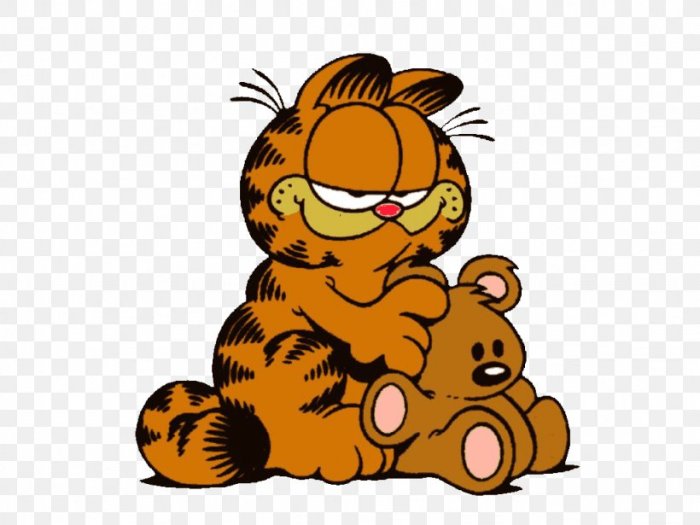
Source: favpng.com
Garfield’s obsession with lasagna is more than just a comedic quirk; it’s a symbolic representation of his indulgence and his desire for pleasure. Lasagna represents comfort, satisfaction, and a temporary escape from the stresses of daily life.
Garfield’s broader relationship with food is characterized by a voracious appetite and a discerning palate. He has strong preferences and dislikes, and he’s not afraid to express his opinions about what he eats.
Food is used as a comedic device throughout the comic. Garfield’s attempts to acquire food, his reactions to delicious meals, and his disdain for healthy options all contribute to the humor of the strip.
- Lasagna: #1 – Absolute obsession.
- Pizza: #2 – A close second.
- Turkey: #3 – Especially on Thanksgiving.
- Cake: #4 – Any kind will do.
- Tuna: #5 – A decent alternative when lasagna is unavailable.
Garfield’s Relationship with Technology
Garfield’s interactions with technology are a source of ongoing humor. He struggles to understand computers, smartphones, and other modern gadgets, often resulting in comical mishaps and frustrated outbursts.
The humor derived from Garfield’s struggles with modern gadgets reflects broader societal trends. Many people find technology frustrating and overwhelming, and Garfield’s experiences resonate with those feelings.
Garfield’s relationship with technology highlights the gap between the older generation and the younger generation, and the challenges of adapting to a rapidly changing world.
Imagine this: Garfield is slumped on the couch, attempting to use a modern smartphone. His face is contorted in a frustrated grimace, his eyes narrowed in concentration. The phone is precariously balanced on his paws, and several apps are open simultaneously, displaying a chaotic jumble of icons. A half-eaten lasagna sits on a nearby table, ignored in the midst of his technological struggle.
The room is dimly lit, with scattered newspapers and discarded toys adding to the sense of disarray. A single, exasperated sigh escapes his lips as he accidentally calls Jon’s boss.
Ending Remarks
Ultimately, Garfield’s success isn’t just about the jokes or the lasagna; it’s about recognizing ourselves in his unapologetic embrace of leisure and his relatable struggles with responsibility. He’s a comforting reminder that it’s okay to indulge, to nap, and to occasionally grumble about Mondays. As Garfield continues to evolve with the times, his core appeal – a lovable, lazy, and hilariously cynical cat – remains as strong as ever, ensuring his place in pop culture history for years to come.
Expert Answers
Why is Garfield so obsessed with lasagna?
Lasagna represents Garfield’s ultimate indulgence and comfort food. It’s a symbol of his love for pleasure and his rejection of anything remotely resembling a healthy diet!
Who is Nermal and why does Garfield hate him?
Nermal is a ridiculously cute kitten who constantly boasts about being the “cutest kitten in the world.” Garfield’s jealousy and resentment of Nermal’s perceived perfection fuel a hilarious rivalry.
How has Garfield adapted to modern technology?
Garfield’s interactions with technology are a source of constant frustration and humor. He struggles to understand and use modern gadgets, often resulting in chaotic and comical situations.
What’s the significance of Jon Arbuckle’s role?
Jon serves as the long-suffering owner and foil to Garfield’s antics. His earnest attempts at normalcy are constantly undermined by Garfield’s laziness and sarcasm, creating a dynamic that’s central to the comic’s humor.
What are some of Garfield’s recurring phrases?
Classic Garfield phrases include “I hate Mondays,” “Lasagna,” “Good morning, I kill,” and various sarcastic remarks directed at Jon and Odie.

