The Dragon Li cat is a relatively new breed, but its story is steeped in Chinese history and folklore. These striking felines, known for their lion-like manes and captivating expressions, are more than just beautiful pets; they represent a fascinating blend of selective breeding, cultural symbolism, and a growing international appeal. We’ll delve into everything from their origins and unique physical traits to their temperament, care requirements, and the ethical considerations surrounding their breeding.
From their beginnings as a prized possession in China to their increasing presence in homes around the world, the Dragon Li cat has captured the hearts of many. Understanding their history, needs, and potential health concerns is crucial for anyone considering welcoming one of these magnificent creatures into their family. This guide aims to provide a comprehensive overview, covering everything you need to know about these enchanting cats.
The Enigmatic Dragon Li Cat: A Comprehensive Guide
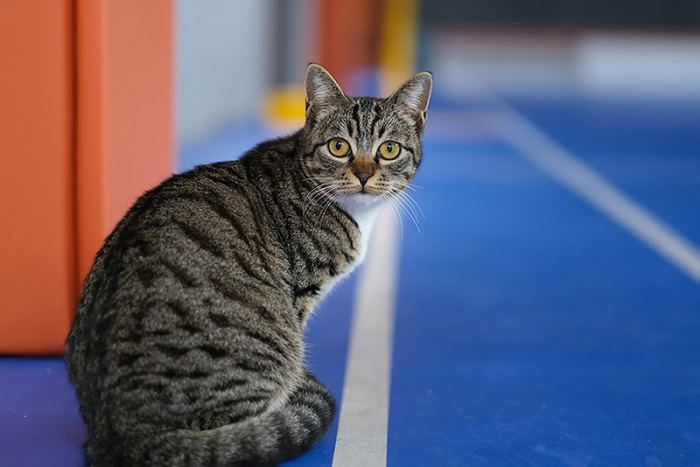
Source: catster.com
The Dragon Li cat, also known as the Chinese Dragon Cat or Long Li Gou, is a relatively rare and captivating breed originating from China. Its striking appearance, reminiscent of a miniature dragon, combined with its intelligent and affectionate nature, has garnered increasing attention worldwide. This article delves into the history, characteristics, care, and ethical considerations surrounding this fascinating feline.
Origins and History of Dragon Li Cats
The Dragon Li’s history is deeply intertwined with Chinese culture and folklore. The breed’s development began centuries ago in rural China, specifically in the Sichuan province. Early accounts suggest that breeders sought to create a cat that embodied the strength, grace, and mystique of the Chinese dragon – a symbol of power, good fortune, and prosperity. These early breeders, often farmers and villagers, selectively bred cats with unique physical traits, particularly those resembling a dragon’s mane and facial features.The breed’s connection to Chinese folklore is undeniable.
The dragon holds a significant place in Chinese mythology, representing imperial authority and divine power. The Dragon Li cat, with its distinctive mane and regal bearing, was seen as a living embodiment of this revered creature. Owning a Dragon Li was believed to bring good luck and ward off evil spirits.The breed remained largely unknown outside of China until the late 20th century.
The first Dragon Li cats were exported to Europe and North America in the 1990s, where they quickly gained popularity among cat enthusiasts seeking a unique and beautiful companion. The breed is still relatively new in Western countries, and breeders are working to establish consistent breed standards and ensure its long-term health and viability.
Physical Characteristics & Appearance
The Dragon Li cat is a medium-sized breed, typically weighing between 8 and 12 pounds. They possess a muscular build and a balanced, proportionate physique. Their coat length is medium, with a silky texture. Color variations are diverse, ranging from solid colors to bi- and tricolor patterns. Eye color is equally varied, with blue, green, and gold being the most common.
| Characteristic | Acceptable | Disqualifying | Notes |
|---|---|---|---|
| Coat Color | Solid (black, white, cream, blue), Bicolor (black & white, blue & white), Tricolor (calico, tortoiseshell) | Merle, Pointed (Siamese pattern) | Specific patterns within solid, bi- and tricolor may have further sub-classifications based on markings and intensity. |
| Eye Color | Blue, Green, Gold, Copper | Brown | Eye color should be clear, bright, and symmetrical. |
| Body Type | Muscular, Medium-sized, Balanced | Extremely slender, Overly large, Cobby (short and stocky) | Balance and proportion are key; a rectangular body shape is preferred. |
| Tail Length | Medium-long, Plumed (bushy tip) | Very short (less than 4 inches), Completely bare | Tail should be carried with confidence and have a slight curve. |
The most distinctive feature of the Dragon Li cat is its “lion-like” mane and ruff. This thick, flowing fur encircles the head and neck, giving the cat a majestic and regal appearance. The mane is particularly prominent in males. The breed’s facial features, including a broad forehead, prominent cheekbones, and a slightly flattened nose, contribute to its unique and expressive face.
Their large, almond-shaped eyes convey intelligence and curiosity.
Temperament and Personality
Dragon Li cats are known for their playful, affectionate, and intelligent personalities. They are highly interactive and enjoy being involved in their human’s activities. They are not typically aloof or independent like some other breeds. Their intelligence is evident in their ability to learn tricks and solve puzzles.Anecdotes abound of Dragon Li cats opening doors, retrieving toys, and even figuring out how to operate simple gadgets.
They are quick learners and respond well to positive reinforcement training. They form strong bonds with their families and often choose a favorite person to follow around.Dragon Li cats generally get along well with children and other pets, provided they are properly socialized from a young age. Their playful nature makes them excellent companions for active families. Compared to the Siamese, known for their vocal nature, Dragon Li cats are generally quieter, though they will still communicate with their humans through soft meows and purrs.
Unlike the Persian, which requires extensive grooming, Dragon Li cats have a relatively low-maintenance coat.
Care and Grooming Requirements
The Dragon Li’s medium-length coat requires regular grooming to prevent matting and tangles. Brushing at least twice a week is recommended, more frequently during shedding season. Bathing is typically only necessary every few months, unless the cat becomes particularly dirty.Here’s a step-by-step guide to properly brushing and bathing a Dragon Li cat:
1. Brushing
Use a stainless steel comb to gently remove loose fur and tangles, starting at the head and working your way down the body. Pay particular attention to the mane and ruff, as these areas are prone to matting.
2. Bathing
Wet the cat’s coat thoroughly with lukewarm water. Apply a pet-safe shampoo, lather gently, and rinse thoroughly until all traces of shampoo are gone.
3. Drying
Towel-dry the cat as much as possible, then use a low-heat hairdryer to finish drying the coat.Regular nail trimming (every 2-3 weeks) is essential to prevent overgrowth and injury. Ear cleaning should also be performed regularly, using a pet-safe ear cleaning solution and cotton balls.Essential grooming tools for Dragon Li cats include:
- Stainless steel comb
- Soft bristle brush
- Nail clippers
- Ear cleaning solution
- Pet-safe shampoo
Dental care is also important for Dragon Li cats. Regular brushing with a pet-safe toothpaste can help prevent dental disease.
Health Concerns and Genetic Predispositions
While generally a healthy breed, Dragon Li cats are susceptible to certain health issues, including hypertrophic cardiomyopathy (HCM), a heart condition, and polycystic kidney disease (PKD), a kidney disorder. Hip dysplasia, although less common, can also occur.Owners can minimize health risks by providing a high-quality diet, ensuring regular exercise, and maintaining a healthy weight. Regular veterinary checkups and screenings are crucial for early detection and treatment of any health problems.
Genetic testing is becoming increasingly available for breeders to screen for HCM and PKD. Responsible breeders should prioritize health testing and only breed cats that are free from these genetic conditions.
Breeding and Ethical Considerations
Responsible breeding practices are essential to preserve the health and integrity of the Dragon Li breed. Selecting healthy breeding pairs is paramount. Breeders should prioritize cats that are free from genetic diseases and have desirable physical and temperamental traits. Maintaining genetic diversity within the breed is also crucial to prevent inbreeding and reduce the risk of genetic disorders.
| Consideration | Description | Importance | Actionable Steps |
|---|---|---|---|
| Health Testing | Screening for genetic diseases like HCM and PKD | Preventing disease transmission to offspring | Perform recommended genetic tests on all breeding cats. |
| Socialization | Exposing kittens to various stimuli (people, sounds, environments) | Developing well-adjusted and confident cats | Handle kittens frequently, introduce them to new experiences, and provide positive interactions. |
| Placement | Finding suitable homes for kittens with responsible and knowledgeable owners | Ensuring kitten welfare and lifelong care | Thoroughly vet potential adopters, conduct interviews, and provide ongoing support. |
| Transparency | Open communication with buyers regarding health history, lineage, and temperament | Building trust and accountability | Provide complete health records, lineage information, and a written contract. |
Dragon Li Cats in Popular Culture
While still a relatively obscure breed, Dragon Li cats are beginning to appear in online communities and social media. Their striking appearance and unique personalities make them popular subjects for photography and artwork. There are several online groups dedicated to Dragon Li cat enthusiasts, where owners share photos, stories, and advice.
“The moon cast long shadows across the courtyard as Mei, a Dragon Li with eyes like emeralds, stalked a playful moth. Her mane shimmered in the moonlight, a miniature dragon guarding her domain. She was more than a pet; she was a silent guardian, a living legend whispered among the villagers.”
Finding a Dragon Li Cat – Breeders and Rescues
Locating a reputable Dragon Li cat breeder can be challenging due to the breed’s rarity. It’s essential to do thorough research and choose a breeder who prioritizes health, temperament, and ethical breeding practices. Potential owners should ask breeders about their breeding program, health testing protocols, and socialization methods.While it’s rare, adopting a Dragon Li cat from a rescue organization is also a possibility.
Several cat rescue organizations specialize in finding homes for rare and exotic breeds.Resources for finding Dragon Li cats:* The International Dragon Li Cat Association (fictional, for example purposes)
- [www.dragonlicats.org](www.dragonlicats.org)
- Rare Breed Rescue – [www.rarebreedrescue.com](www.rarebreedrescue.com)
- Cat Fanciers’ Association (CFA)
- [www.cfa.org](www.cfa.org) (check for registered breeders)
Last Recap
The Dragon Li cat truly embodies a unique combination of beauty, intelligence, and a touch of ancient mystique. Whether you’re a seasoned cat enthusiast or simply curious about this relatively rare breed, we hope this exploration has provided valuable insights into the world of Dragon Li cats. Their captivating appearance, playful personalities, and connection to Chinese heritage make them a truly special addition to the feline world, and a rewarding companion for the right owner.
As the breed continues to grow in popularity, responsible breeding practices and a commitment to their well-being will be essential to ensure their long-term health and happiness. The future looks bright for these majestic felines, and we’re excited to see them continue to charm and delight cat lovers worldwide.
Popular Questions
Are Dragon Li cats hypoallergenic?
Unfortunately, no. Like all cats, Dragon Li cats produce Fel d 1, the primary allergen responsible for cat allergies. While some breeds may produce less, they are not considered hypoallergenic.
How active are Dragon Li cats?
They are generally quite active and playful, especially when young. Providing plenty of toys, climbing structures, and interactive playtime is essential to keep them entertained and stimulated.
Do Dragon Li cats get along with dogs?
With proper socialization from a young age, Dragon Li cats can often get along well with dogs. However, it’s important to introduce them gradually and supervise their interactions.
What is the average lifespan of a Dragon Li cat?
With good care and regular veterinary checkups, Dragon Li cats typically live between 12 and 15 years.
How much do Dragon Li cats typically cost?
Due to their rarity, Dragon Li cats can be quite expensive, with prices ranging from $1500 to $3000 or more, depending on the breeder and lineage.
What kind of food is best for a Dragon Li cat?
A high-quality, protein-rich diet is essential. Look for cat food with meat as the primary ingredient and avoid foods with excessive fillers or artificial additives. Consult with your veterinarian for specific dietary recommendations.

