From the wild-inspired Bengal to the ancient Egyptian Mau, the world of striped cat breeds is surprisingly diverse and fascinating. These captivating patterns, rooted in genetics, aren’t just visually striking; they often tell a story about a cat’s heritage and even hint at their personality. We’ll explore the science behind these stripes, delve into the unique characteristics of several breeds, and uncover the joys and responsibilities of welcoming a striped feline into your home.
The tabby pattern, the foundation for many striped variations, is a genetic inheritance passed down through generations. Understanding the different types – mackerel, classic, ticked, and spotted – unlocks a deeper appreciation for the artistry of nature in feline coats. Historically, recognizing these patterns as breed characteristics wasn’t always straightforward, with early breeders sometimes struggling to define and standardize these visual traits, leading to some interesting debates and evolving breed standards.
Striped Cats: A Guide to Tabby Patterns and Breeds
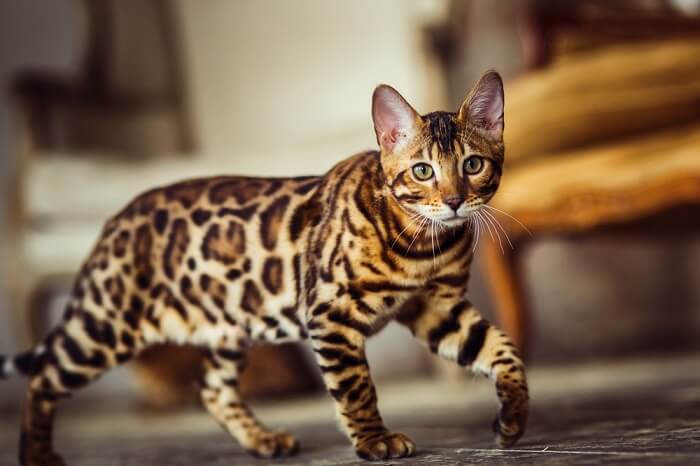
Source: cats.com
Stripes on a cat aren’t just a pretty pattern; they’re a fascinating glimpse into the world of genetics and feline history. From the wild-looking Bengal to the elegant Abyssinian, striped patterns, often referred to as tabby markings, are a defining characteristic of many beloved cat breeds. This guide will explore the science behind these patterns, showcase some of the most striking striped breeds, and offer insights into their care and unique personalities.
It’s a journey into the captivating world of feline stripes!
Understanding Striped Patterns: The Genetics of Tabby
The tabby pattern isn’t a breed itself, but rather a coat pattern that appears across numerous breeds. It all boils down to the Agouti gene. This gene controls whether a cat’s hair shaft is solid or banded. When the Agouti gene is “on,” it allows for the banding of color, creating the tabby pattern. The tabby gene is dominant, meaning a cat only needs one copy to display the pattern.
Different variations of the tabby gene then dictate the specific type of stripe pattern we see.
There are five main types of tabby patterns: tabby (a broad, indistinct pattern), mackerel (narrow, parallel stripes resembling a fish skeleton), classic (swirled or blotched patterns, often resembling a marble cake), ticked (individual hairs have bands of color, creating a shimmering effect – more on this with Abyssinians!), and spotted (spots instead of stripes, often derived from a mackerel tabby pattern).
All of these fall under the broader “tabby” umbrella.
Interestingly, the recognition of tabby patterns as breed characteristics wasn’t always straightforward. In the early days of cat fancy, breeders often focused solely on color, overlooking the underlying patterns. It wasn’t until the mid-20th century that breeders began to actively select for specific tabby patterns, recognizing their aesthetic appeal and genetic significance. One anecdote tells of a British breeder, Mrs.
Patricia Bowden, who played a crucial role in preserving and promoting the mackerel tabby pattern, ensuring its survival within the British Shorthair breed.
The Bengal Cat: The Wild Look
The Bengal cat is arguably the most recognizable striped breed, instantly evoking images of a miniature leopard. Their striking appearance is a direct result of their unique heritage. Bengals were created by crossing Asian Leopard Cats (ALCs) – small, wild cats native to Asia – with domestic cats. This crossbreeding aimed to capture the ALC’s stunning coat pattern while retaining a domestic temperament.
The genetic factors behind the Bengal’s coat are complex. The Agouti gene, as mentioned earlier, is key. However, the Bengal also carries a recessive gene that influences the intensity and distribution of the spots and marbling. The marbled pattern, a swirling, abstract design, is a direct result of this recessive gene. The ALC contributes the wild pattern, while the domestic cat provides the genetic foundation for domestication.
| Coat Pattern | Description | Color Variations |
|---|---|---|
| Spotted | Distinct, well-defined spots, often with a rosette shape. | Brown, Silver, Charcoal, Black, Blue |
| Marbled | Swirling, abstract patterns resembling marble. | Brown, Silver, Charcoal, Blue |
| Rosetted | Spots that are shaped like rosettes (rings). | Brown, Silver, Charcoal |
Bengals are known for their energetic and intelligent personalities. They often retain a strong hunting drive and enjoy interactive play. Their wild ancestry manifests in their curiosity, agility, and a tendency to explore their surroundings with enthusiasm. Many Bengal owners describe their cats as being more like playful dogs than typical cats!
The Egyptian Mau: Speed and Stripes
The Egyptian Mau is one of the oldest recognized cat breeds, and its distinctive tabby pattern is a defining feature. They are believed to be descendants of cats revered in ancient Egypt, often depicted in hieroglyphics and artwork. The Mau’s tabby markings are particularly striking, characterized by their sharp, well-defined stripes.
A unique characteristic of the Egyptian Mau is the “butterfly” markings on their forehead. These markings, shaped like butterfly wings, are a result of the tabby pattern extending onto the face. They add to the Mau’s overall elegance and contribute to their captivating appearance. The markings are symmetrical and a hallmark of the breed.
Egyptian Maus are renowned for their exceptional speed and agility. They are considered to be among the fastest cat breeds, capable of reaching speeds of up to 30 miles per hour! This athleticism is linked to their muscular build, long legs, and a unique spinal flexibility that allows for powerful bursts of speed.
“The cat, a creature of grace and mystery, was revered in ancient Egypt as a symbol of protection, fertility, and divine power. Their presence was woven into the fabric of Egyptian life, and their image adorned temples, tombs, and everyday objects.”
The Abyssinian: A Shimmering Stripe
The Abyssinian cat presents a unique take on the striped pattern – the “ticked” coat. Unlike the distinct stripes seen in Bengals or Egyptian Maus, the Abyssinian’s coat appears to shimmer with a subtle, blended pattern. This isn’t a true stripe, but rather an optical illusion created by the way the hairs are structured.
The genetic mechanism behind the Abyssinian’s ticked appearance is fascinating. Each individual hair has bands of different colors – typically a dark tip, a lighter middle band, and a lighter base. This banding effect, combined with the density of the coat, creates the shimmering, agouti appearance. The Agouti gene is, of course, at play here, but the specific way it interacts with other genes results in this unique ticked pattern.
Compared to other striped breeds, the Abyssinian’s coat lacks the bold, defined stripes. Instead, it offers a more subtle, nuanced pattern. The overall effect is one of warmth and depth, with the colors blending seamlessly together. The Abyssinian’s personality is as vibrant as its coat. They are known for being energetic, playful, and highly intelligent, often described as “clowns” within the cat world.
The Savannah Cat: A Hybrid’s Stripes
The Savannah cat is a striking hybrid breed resulting from a cross between a Serval – a medium-sized African wild cat – and a domestic cat. The resulting offspring inherit a combination of wild and domestic traits, including a distinctive striped pattern.
The range of stripe patterns found in Savannahs varies significantly depending on the generation (F1, F2, etc.). Earlier generations (F1, F2) tend to have more prominent and bolder stripes, reflecting their closer genetic link to the Serval. Later generations (F3, F4, F5) exhibit less distinct stripes, as the influence of the domestic cat becomes more pronounced.
| Generation | Expected Size | Appearance (Stripe Prominence) | Temperament |
|---|---|---|---|
| F1 | Largest (14-25 lbs) | Very prominent, bold stripes | Independent, high energy, often wary of strangers |
| F2 | Large (12-20 lbs) | Prominent stripes | Energetic, playful, more social than F1 |
| F3 | Medium (10-15 lbs) | Less distinct stripes | Playful, affectionate, generally more adaptable |
| F4-F5 | Medium (8-12 lbs) | Subtle stripes or spots | Friendly, affectionate, similar to domestic cats |
The breeding of Savannah cats is surrounded by legal considerations and ethical debates. Due to their wild ancestry, many jurisdictions have restrictions on ownership, and breeders must adhere to strict regulations. Concerns exist regarding the welfare of both the cats and the Servals used in breeding programs, as well as the potential impact of Savannahs on native wildlife if they were to escape into the wild.
The Ocicat: The Wildcat Look-Alike
The Ocicat is a fascinating example of intentional breeding. This breed was deliberately created to resemble a wild ocelot, despite being entirely domestic. Breeders achieved this look by selectively breeding tabby cats with spotted patterns, gradually refining the appearance to mimic the ocelot’s distinctive markings.
Ocicats exhibit both spotted and striped patterns, with variations in spot and stripe size and arrangement. Some Ocicats have large, bold spots, while others display smaller, more tightly packed spots. Stripes may be present alongside the spots, adding to the overall complexity of the pattern. The color variations are also diverse, ranging from brown and silver to chocolate and cinnamon.
Despite their wildcat appearance, Ocicats possess a surprisingly dog-like personality. They are known for being highly trainable, often responding well to commands and enjoying games like fetch. They are also affectionate and social, forming strong bonds with their human companions.
Physically, Ocicats are characterized by their muscular build, large paws, and a sleek, athletic appearance. Their large eyes and alert expression contribute to their wildcat-like gaze, further enhancing their striking appearance.
Other Striped Cat Breeds (Less Common)
Beyond the breeds discussed above, several other less common cat breeds also exhibit striped patterns. These include the Toyger (bred to resemble a miniature tiger), the Chausie (another hybrid breed with Serval ancestry), and the Arabian Mau (a naturally occurring breed from the Arabian Peninsula).
- Toyger: Extremely rare and expensive, known for its tiger-like stripes. Cost: $5,000 – $20,000+
- Chausie: Also rare and expensive, with a distinctive spotted or striped pattern. Cost: $3,000 – $15,000+
- Arabian Mau: Relatively rare outside of its native region, with a classic tabby pattern. Cost: $1,500 – $5,000+
Owning a less common striped cat breed presents both challenges and rewards. Challenges include finding a reputable breeder, potential difficulty in sourcing specialized food or supplies, and the need for extra vigilance regarding health concerns. However, the rewards include owning a truly unique and captivating companion, contributing to the preservation of a rare breed, and experiencing the joy of sharing your life with a truly special cat.
Caring for Striped Cats: Breed-Specific Considerations
The general care requirements for striped cats are similar to those for any domestic cat: a balanced diet, regular grooming, and plenty of exercise. However, certain breeds may have specific needs. For example, Bengals and Savannahs require a high-protein diet and ample opportunities for physical activity to satisfy their energetic nature.
Some striped breeds are predisposed to certain health concerns. Bengals, for instance, have a higher risk of hypertrophic cardiomyopathy (HCM), a heart condition. Regular veterinary checkups and screening tests can help detect and manage these conditions. Early socialization and training are crucial for energetic breeds like Bengals and Savannahs, helping them develop into well-adjusted and manageable companions.
Choosing the right striped cat breed depends on your lifestyle and experience level. If you’re a first-time cat owner, a more docile breed like an Abyssinian might be a good choice. If you’re an experienced cat owner with an active lifestyle, a Bengal or Savannah could be a rewarding, albeit demanding, companion.
Visualizing Striped Patterns: Descriptive Imagery
Imagine a Bengal cat with a rosetted pattern. The rosettes are large and bold, resembling miniature leopard spots, with a darker ring surrounding a lighter center. The base coat is a rich brown, providing a striking contrast to the dark rosettes. The pattern is asymmetrical, adding to the cat’s wild and untamed appearance.
Picture a Mau cat’s markings. The “butterfly” shape on its forehead is clearly defined, with symmetrical markings extending towards the ears. The stripes are sharp and well-defined, running along the sides of the body and legs. The background color is a warm beige, creating a beautiful contrast with the darker stripes.
Envision an Abyssinian cat’s ticked coat. The individual hairs appear to shimmer with a subtle blend of colors, creating a warm, glowing effect. The overall impression is one of depth and richness, with the colors subtly shifting in the light. It’s a mesmerizing display of natural beauty.
Finally, visualize a Savannah cat’s spots and stripes. The spots are large and irregularly shaped, scattered across the body. The stripes are less prominent but still visible, running along the flanks and legs. The overall pattern is bold and striking, reflecting the cat’s wild ancestry.
Ending Remarks
Whether you’re captivated by the Bengal’s wild beauty, the Egyptian Mau’s speed, or the Abyssinian’s shimmering coat, the world of striped cat breeds offers something truly special. Each breed presents unique challenges and rewards, from the energetic needs of a Savannah to the potential health considerations of a Bengal. Ultimately, choosing a striped cat is about finding a companion whose personality and appearance resonate with your lifestyle, promising years of captivating companionship.
FAQ Resource
Why do cats have stripes in the first place?
Stripes, or tabby patterns, are a result of the Agouti gene, which controls the distribution of pigment in the hair shaft. This gene interacts with other genes to create the various stripe patterns we see.
Are all tabby cats considered “striped” breeds?
Not necessarily. While all striped breeds are tabby, not all tabby cats are part of a recognized breed. Many domestic shorthairs and longhairs display tabby patterns.
What’s the difference between a spotted and a marbled Bengal?
Spotted Bengals have distinct spots, while marbled Bengals have a swirling, flowing pattern that resembles marble. Both are beautiful variations of the Bengal’s coat.
Why is the Savannah cat so expensive?
Savannahs are a hybrid breed, and early generations (F1, F2) are particularly rare and difficult to breed, driving up their price. The legal and ethical considerations surrounding their breeding also contribute to the cost.
Do striped cats require special grooming?
Generally, striped cats have the same grooming needs as other cats. However, breeds with longer coats, like some variations of the Mau, may require more frequent brushing to prevent mats.
What are some common health concerns in striped cat breeds?
Bengals are predisposed to hypertrophic cardiomyopathy (HCM), while Savannahs can sometimes experience digestive issues. Regular vet checkups are crucial for all breeds.
Can you train a Savannah cat like a dog?
Savannahs are known for their dog-like personalities and can be trained to walk on a leash, play fetch, and even learn tricks. Early socialization and positive reinforcement are key.

