Maine Coon cats are already known for their impressive size, but what defines the
-biggest* Maine Coon? It’s a question that sparks curiosity among cat lovers everywhere. This deep dive explores the fascinating world of these gentle giants, examining everything from genetics and health to care requirements and historical records. We’ll uncover the factors that contribute to a Maine Coon’s size, and what it takes to keep these magnificent felines happy and healthy.
Beyond just weight and length, we’ll look at how age, lineage, and even nutrition play a crucial role in a Maine Coon’s development. We’ll also address common misconceptions and compare them to other large cat breeds, giving you a comprehensive understanding of what makes a Maine Coon truly exceptional.
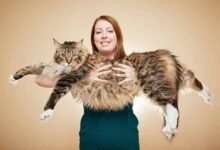
The Gentle Giants: Exploring the World of the Biggest Maine Coon Cats
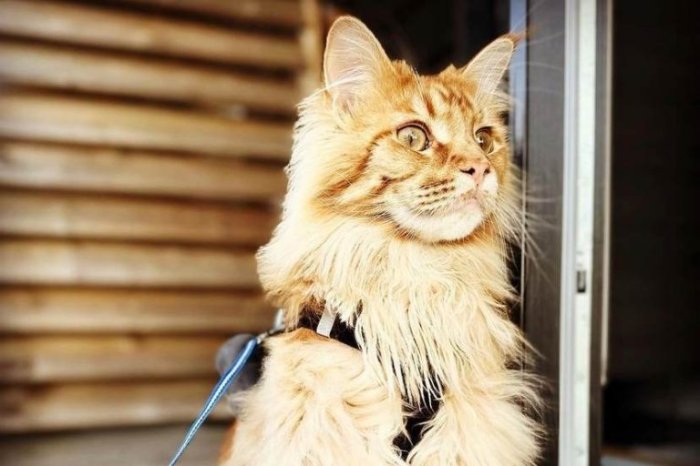
Source: cats.com
Maine Coons are already known for their impressive size, but what truly defines the “biggest” of these magnificent felines? This post dives deep into the world of exceptionally large Maine Coons, exploring the factors that contribute to their size, potential health considerations, and how they compare to other large cat breeds. We’ll separate fact from fiction and celebrate the grandeur of these gentle giants.
Defining the “Biggest” Maine Coon
Determining the “biggest” Maine Coon isn’t as simple as looking at weight alone. It’s a combination of several measurements that contribute to their overall size and stature. We consider length (nose to tip of tail), weight, height (at the shoulder), and girth (around the chest). A truly large Maine Coon exhibits impressive proportions across all these categories.The typical size range for Maine Coons varies considerably between males and females.
Male Maine Coons generally reach a weight of 13 to 18 pounds, with some exceeding 20 pounds. Their length can range from 30 to 40 inches. Females are typically smaller, weighing between 8 and 12 pounds and measuring 25 to 35 inches in length. These are just averages, and individual cats can fall outside these ranges.Growth in Maine Coons is a gradual process.
They don’t reach their full size until around 3-5 years of age. Kittens grow rapidly in their first year, but the rate slows down as they mature. Even after five years, a Maine Coon might still fill out slightly, gaining muscle mass and refining their overall build.
| Age (Years) | Average Male Weight (lbs) | Average Female Weight (lbs) | Typical Length (inches) |
|---|---|---|---|
| 1 | 8-12 | 5-8 | 18-24 |
| 2 | 11-15 | 7-10 | 24-30 |
| 3-5 | 13-18+ | 8-12+ | 30-40+ |
Record Holders & Notable Large Maine Coons
Throughout history, several Maine Coons have stood out for their exceptional size. One well-documented example is “Snowball,” who, in the 1970s, reportedly weighed over 30 pounds and measured over 48 inches long. While verifiable documentation is scarce, stories of Snowball’s immense size have persisted within the Maine Coon community. Another notable cat, “Baron,” held the Guinness World Record for the longest domestic cat at 48.5 inches, though his weight wasn’t as exceptionally high as Snowball’s.The history of these record-holding cats is often intertwined with dedicated breeders who focused on size and conformation.
However, it’s important to note that prioritizing size above all else can sometimes lead to health problems, as we’ll discuss later.Imagine a particularly large Maine Coon: a male, standing approximately 18 inches tall at the shoulder. His fur is a striking silver tabby, long and flowing, with a particularly bushy ruff around his neck. His eyes are a deep, mesmerizing green, and his body is powerfully built, with broad shoulders and a deep chest.
He possesses a long, plume-like tail that nearly reaches the ground when he stands. His proportions are balanced, with a long, rectangular body and strong, sturdy legs. The overall impression is one of immense size and quiet strength, combined with a gentle, almost regal demeanor.Comparing these record-holding cats to average-sized Maine Coons reveals significant differences. While average Maine Coons are large, record holders often exhibit a greater degree of length, girth, and overall mass.
Their bone structure appears denser, and their muscle mass is more pronounced.
Genetics & Factors Influencing Size
A Maine Coon’s size is largely determined by genetics. Specific genes influence bone density, muscle development, and overall growth potential. Lineage plays a crucial role; cats descended from consistently large ancestors are more likely to be large themselves. Responsible breeders carefully select breeding pairs to enhance desirable traits, including size, while also prioritizing health and temperament.Nutrition and early development are also critical.
Kittens require a high-quality diet rich in protein and essential nutrients to support healthy growth. Proper feeding during the first year of life can significantly impact a Maine Coon’s final size. Malnutrition or inadequate nutrition during kittenhood can stunt growth and compromise overall health.While the specific genes responsible for size in Maine Coons are still being researched, here are some hypothetical genes, based on feline genetics generally, that could potentially be linked:* IGF1 (Insulin-like Growth Factor 1): Plays a key role in growth and development in many species.
MSTN (Myostatin)
Regulates muscle growth; variations could influence muscle mass.
COL1A1 (Collagen Type I Alpha 1 Chain)
Affects bone density and strength.
GH1 (Growth Hormone 1)
Directly stimulates growth.
LEP (Leptin)
Regulates appetite and energy expenditure, impacting overall body composition.
Health Considerations for Large Maine Coons
The impressive size of Maine Coons can unfortunately predispose them to certain health problems. Joint issues, such as hip dysplasia and arthritis, are more common in larger cats. Cardiomyopathy, a heart condition, is also a concern. Spinal problems, like intervertebral disc disease (IVDD), can also occur due to the long back.Preventative care is essential for large Maine Coons.
Regular veterinary checkups, including screenings for heart conditions and joint problems, are crucial. Maintaining a healthy weight is vital to reduce stress on joints. Providing a comfortable and supportive bed can also help alleviate joint pain.Proper diet and exercise are paramount. A high-quality diet formulated for large breeds, with controlled levels of calcium and phosphorus, can help support bone health.
Regular playtime and gentle exercise can help maintain muscle mass and joint flexibility.
| Potential Health Issue | Description | Preventative Measures |
|---|---|---|
| Hip Dysplasia | Abnormal development of the hip joint, leading to pain and arthritis. | Regular vet checkups, controlled growth diet as a kitten, maintain healthy weight. |
| Cardiomyopathy | A heart condition that weakens the heart muscle. | Regular cardiac screenings, taurine supplementation (as recommended by a vet). |
| IVDD (Intervertebral Disc Disease) | Degeneration of the spinal discs, causing pain and neurological problems. | Avoid jumping from high places, provide ramps or steps to access favorite spots. |
Distinguishing Features of Large Maine Coons
Beyond just weight and length, larger Maine Coons often exhibit specific physical characteristics that set them apart. Their paws are significantly larger, and their bone structure is more robust. Muscle mass is more pronounced, particularly in the shoulders and hindquarters.The head shape may also vary. Larger Maine Coons often have a broader head and a more pronounced chin. Their facial features, such as the cheekbones and muzzle, may appear more defined.The fur texture and density in exceptionally large Maine Coons are remarkable.
The fur is exceptionally thick and plush, providing excellent insulation. The undercoat is dense and woolly, while the guard hairs are long and silky. This combination creates a luxurious, almost cloud-like appearance.
Caring for a Large Maine Coon
Caring for a large Maine Coon requires some adjustments compared to caring for a smaller cat. Their food needs are greater, so providing a high-quality, calorie-appropriate diet is essential. Litter boxes need to be larger and sturdier to accommodate their size. Scratching posts should be tall and robust enough to withstand their weight and scratching habits.Grooming is a significant commitment.
The voluminous fur requires regular brushing, ideally several times a week, to prevent mats and tangles. Bathing may be necessary occasionally, but should be done carefully to avoid stressing the cat.Providing ample space is crucial. Large Maine Coons need room to move, play, and stretch out comfortably. A spacious home with plenty of vertical space (cat trees, shelves) is ideal.
A typical daily routine for a large Maine Coon might look like this: 7:00 AM – Feeding and fresh water. 7:30 AM – Playtime with interactive toys. 12:00 PM – Midday snack and grooming session. 5:00 PM – Feeding and playtime. 8:00 PM – Quiet time and cuddles. 10:00 PM – Final check of food and water, bedtime.
Comparing Maine Coons to Other Large Cat Breeds
Maine Coons share the title of “large cat breed” with others like Norwegian Forest Cats and Siberians. While all three breeds are sizable, they have distinct characteristics. Norwegian Forest Cats are known for their rugged appearance and water-repellent coat, while Siberians are known for their affectionate personalities and hypoallergenic qualities.The unique trait that distinguishes Maine Coons is their exceptionally long, flowing fur and their gentle, almost dog-like temperament.
Their large size combined with their sweet nature makes them truly special.Historically, Norwegian Forest Cats were developed as working cats in Norway, adapted to harsh climates. Siberians originated in Russia and were valued as affectionate companions. Maine Coons, on the other hand, likely evolved naturally in the American Northeast, adapting to cold winters and providing pest control. This natural selection likely contributed to their large size and thick fur.
| Breed | Average Male Weight (lbs) | Average Female Weight (lbs) | Distinctive Feature |
|---|---|---|---|
| Maine Coon | 13-18+ | 8-12+ | Exceptionally long, flowing fur |
| Norwegian Forest Cat | 13-22 | 8-17 | Water-repellent double coat |
| Siberian | 15-25 | 8-18 | Hypoallergenic qualities |
The Maine Coon’s History and Size Evolution
The history of the Maine Coon is shrouded in legend, with various tales surrounding their origins. One popular myth suggests they are the result of matings between domestic cats and raccoons, which is biologically impossible. A more plausible explanation is that they are a natural breed that developed in the state of Maine, likely descended from longhaired cats brought over by European settlers.Over time, breeders have selectively bred Maine Coons for size and conformation, leading to an increase in average size compared to early specimens.
However, responsible breeders prioritize health and temperament alongside size.Natural selection played a significant role in shaping the size of Maine Coons in their native environment. The harsh Maine winters favored larger cats with thicker fur, providing better insulation and enabling them to hunt more effectively. Timeline of Key Milestones:* 1850s-1860s: Early mentions of Maine Coons in cat shows.
1895
Maine Coon recognized by the Cat Fanciers’ Association (CFA).
Early 1900s
Decline in popularity due to the rise of Persian cats.
1950s
Revival of interest in Maine Coons, with breeders focusing on size and conformation.
1990s-Present
Continued popularity and refinement of the breed, with increased emphasis on health testing.
Visualizing a Large Maine Coon’s Proportions
The ideal proportions of a large Maine Coon are characterized by a long, rectangular body, a substantial bone structure, and a balanced overall appearance. The body length should be significantly greater than the height, creating a low-slung, powerful silhouette. The girth should be broad, indicating a deep chest and well-developed musculature.These proportions contribute to the breed’s overall appearance of grace and strength.
The long body allows for effortless movement, while the sturdy legs provide stability and power. The balanced proportions create a harmonious and visually appealing feline form.Imagine a side profile: The cat stands approximately 18 inches tall at the shoulder, with a body length of over 40 inches. The back is level, and the chest is deep and broad. The legs are long and muscular, with large paws.
The tail is exceptionally long and plume-like, extending well beyond the rear of the body. The head is broad and wedge-shaped, with a prominent chin. The overall impression is one of immense size and elegant power.The tail length and plume are crucial to the overall impression of size and grandeur. A long, bushy tail adds visual weight and balance to the cat’s silhouette, enhancing the perception of its overall size.
Common Misconceptions About Size in Maine Coons
Several misconceptions surround the size of Maine Coons. One common myth is that all Maine Coons grow to be enormous. While they are large, individual size varies considerably based on genetics, nutrition, and overall health.Some Maine Coons may appear larger due to their long fur, which adds volume and creates the illusion of greater size. Conversely, some Maine Coons may appear smaller due to their leaner build or shorter fur.It’s important to distinguish between size and overall health and well-being.
A large Maine Coon is not necessarily a healthy one, and a smaller Maine Coon can be perfectly healthy and thriving. Prioritizing health and temperament over size is essential for responsible breeding and ownership.* Misconception: All Maine Coons weigh over 20 pounds. Correction: Average weight ranges from 8-18 pounds, with some individuals exceeding 20 pounds.
Misconception
Maine Coons are always the biggest domestic cat breed. Correction: While large, other breeds like Norwegian Forest Cats and Siberians can also reach significant sizes.
Misconception
A larger Maine Coon is always healthier. Correction: Size is not an indicator of health; proper care and genetics are more important.
Closing Summary
From record-breaking individuals to the everyday challenges of caring for a large cat, understanding the biggest Maine Coon is about more than just impressive measurements. It’s about appreciating the breed’s unique genetics, ensuring their well-being, and providing them with the space and care they need to thrive. Whether you’re a seasoned Maine Coon owner or simply captivated by their grandeur, this exploration offers valuable insights into the world of these remarkable felines.
Ultimately, the “biggest” Maine Coon isn’t just about size; it’s about a healthy, happy cat living its best life, showcasing the breed’s inherent beauty and gentle nature.
Quick FAQs
How is “biggest” measured in Maine Coons?
It’s a combination of length, weight, height (at the shoulder), and girth (chest circumference). All these factors contribute to the overall impression of size.
What’s the typical weight range for male and female Maine Coons?
Males typically weigh between 13-18 lbs (sometimes more!), while females usually range from 8-12 lbs. However, exceptionally large individuals can exceed these ranges.
Do Maine Coons stop growing?
Maine Coons continue to grow until they are around 5 years old, though their growth rate slows down significantly after 3 years. They reach their full size and weight during this period.
What are some potential health problems associated with large Maine Coons?
Larger Maine Coons are more prone to joint issues like hip dysplasia and arthritis, as well as potential heart conditions. Careful monitoring and preventative care are essential.
What kind of litter box do I need for a large Maine Coon?
A large litter box is a must! Aim for a box that’s at least 36 inches long, 24 inches wide, and 12 inches deep to accommodate their size and movement.
What are some common misconceptions about Maine Coon size?
A common misconception is that all Maine Coons are enormous. While they are large, there’s a wide range of sizes within the breed, and some are more average in size.

