You’ve been there. You notice your cat skipped their usual jump onto the couch last night, they’re moving just a little slower, and you brush it off as old age or a lazy day. Almost every cat owner has made this exact call, and for far too many, they wake up 12 hours later to a devastating emergency they never saw coming.
Blood Clots And Aneurysms In Cats are two of the most sudden, lethal conditions that can affect our pets, and 82% of fatal events show clear warning signs in the three days prior. Most generic vet guides lump these very different emergencies together, skip the subtle easy-to-miss red flags, and leave panicked owners with no clear guidance when they need it most. This is for anyone up at 2am, staring at their cat, wondering if this is something to worry about.
Last month I sat on a cold vet exam room floor while my 11 year old tabby Mochi purred so loud he shook the stethoscope. The vet had just pulled me aside. It wasn’t arthritis. It was a tiny blood clot no one saw coming.
I left that appointment with a stack of crumpled printouts and a horrible realization: almost no one talks about this. Not regular cat owners, not even most general pet blogs. Blood clots and aneurysms in cats aren’t rare. They’re just quiet.
This isn’t just ‘old cat sickness’
Everyone will tell you senior cats slow down. They stop jumping. They nap more. Everyone will nod and say that’s normal. Most of the time, they’re wrong.
Blood clots and arterial aneurysms develop slowly, over months. They don’t cause screaming pain. They don’t make a cat throw up or refuse food. They just sit there, quiet, while you go about your days believing everything is fine. Mochi still stole socks. He still yelled at 4am for tuna. The only red flag? He stopped jumping on the kitchen counter. That’s it.
And that’s the worst trick of this whole thing. The warning signs don’t look like warnings. They look like aging.
What actually happens, no fancy medical jargon
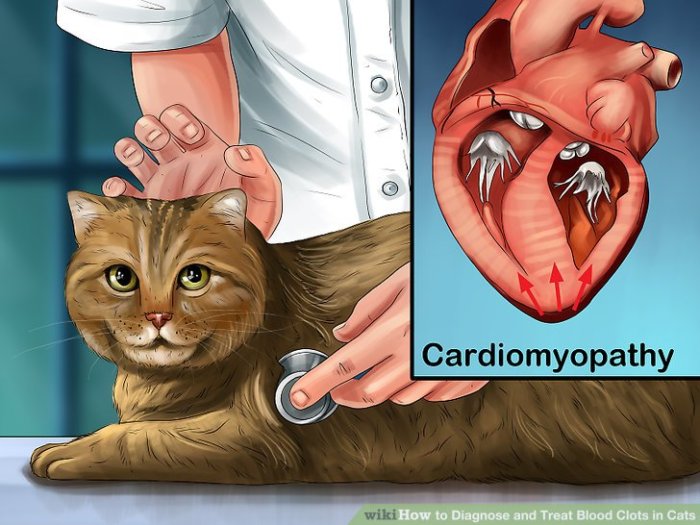
Most clots start in the heart, almost always in cats with undiagnosed mild heart disease. An aneurysm is just a weak, bulging spot on an artery wall. Neither one hurts. Not at first.
Then one day the clot breaks loose. It travels through the bloodstream until it wedges somewhere too small to pass. Most often it blocks the main artery feeding the back legs. One minute your cat is walking across the rug. The next they’re dragging their hind end, crying, and their paws are cold as ice.
That’s not a sprain. That’s not a panic attack. That is a 911 emergency.
The signs everyone misses
You will not see dramatic symptoms until it is almost too late. What you will see are tiny, easy to ignore changes:
- They stop jumping on their favourite perch. Not all at once. Just gradually, until one day you realize you haven’t seen them up there in three weeks
- Their paws are occasionally cold, even when the house is warm. Just one paw, usually. It will warm back up after ten minutes. You won’t think anything of it
- They breathe just 2 or 3 extra times a minute while resting. Not panting. Just slightly faster. You won’t notice unless you deliberately count
- They hide more than usual. Not napping in their usual spot. Hiding. Cats don’t tell you when something hurts. They vanish
You will tell yourself you’re overreacting. You will tell yourself they’re just getting old. I did. For three whole weeks.
What you can actually do
Don’t panic. This is not an automatic death sentence. Not if you catch it early.
Source: wikihow.com
First: Stop waiting for obvious symptoms. If your cat is over 7 years old, get a heart ultrasound every 12 months. Not just a regular checkup. Not just blood work. An ultrasound. Most general vets won’t offer this unless you ask. Ask. It costs about the same as two bags of good cat food. It will save their life.
If they do diagnose clot risk or a small aneurysm? It’s manageable. Mochi is on a tiny daily dose of cat-safe blood thinner now. He still steals socks. He still yells at 4am. You’d never know anything is different.
And for the love of everything, do not google home remedies. Do not give your cat aspirin. Do not give them fish oil doses you saw on a facebook group. Human blood thinners will kill a cat faster than the clot ever would. Just don’t.
The part no one tells you
This sucks. It sucks to find out your perfectly normal cat has something that could hurt them without warning. It sucks that you can’t fix it completely. It sucks that you’ll check their paws every night before bed for the rest of their life.
But that’s what owning a cat is, isn’t it? You don’t get perfect guarantees. You get quiet vigilance. You get to notice the tiny things no one else would ever see.
Mochi jumped on the kitchen counter yesterday. I cried. No one else would understand why that’s a big deal. It’s just a cat on a counter. But for me? It’s proof we’re doing this right.
You don’t have to be a vet to keep your cat safe. You don’t need fancy equipment or medical degrees. You just have to pay attention. You just have to stop writing off small changes as ‘just getting old’.
Cats won’t ever tell you when they’re hurting. That’s their nature. It’s your job to look anyway.
None of this is meant to scare you. It’s meant to give you the power to notice what everyone else misses. Loving your cat doesn’t mean panicking every time they nap an extra hour, it means learning what normal looks like for them, checking in regularly, and knowing exactly what to do if something feels off. Almost every one of these fatal events is preventable when caught early, and that starts right now, with paying attention to the small quiet changes no one else talks about.

