Whats the Price of a Norwegian Forest Cat? A Complete Guide

The Norwegian Forest Cat, or “Wegie” as they’re affectionately known, is a stunning breed with a wild, almost mythical look. Their thick, water-resistant coat and gentle personalities make them incredibly popular, but that popularity comes with a price tag. Figuring out exactly
-how much* a Wegie will cost can be tricky, as many factors influence the final number.
This guide breaks down everything you need to know, from initial purchase to ongoing care, so you can be prepared for the financial commitment of bringing one of these beauties home.
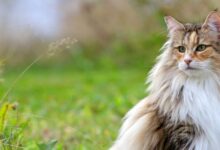
We’ll explore the differences between getting a kitten from a reputable breeder versus adopting from a rescue, how location impacts pricing, and what to look for in a breeder to ensure you’re getting a healthy and well-socialized cat. Beyond the initial cost, we’ll also cover the ongoing expenses of Wegie ownership, helping you budget for food, vet care, and everything else your new feline friend will need to thrive.
The Price of a Norwegian Forest Cat: A Comprehensive Guide
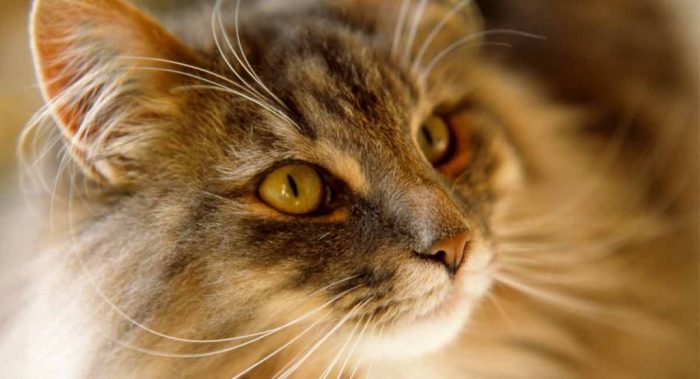
Source: thehappycatsite.com
Bringing a Norwegian Forest Cat into your home is a big decision, and understanding the financial commitment involved is a crucial part of that process. These magnificent cats, often called “Wegies,” are known for their stunning appearance, friendly personalities, and robust health. However, their popularity and specific breeding requirements can influence their price. This guide breaks down the various costs associated with acquiring and caring for a Norwegian Forest Cat, from the initial purchase to ongoing expenses.
1. Initial Purchase Price – Breeder vs. Rescue
The initial cost of a Norwegian Forest Cat can vary significantly depending on where you acquire your feline friend. Purchasing from a reputable breeder is generally more expensive than adopting from a shelter or rescue organization. This difference reflects the breeder’s investment in health testing, socialization, and pedigree documentation.A reputable breeder typically charges between $1,500 and $3,500 for a Norwegian Forest Cat kitten.
Several factors influence this range: pedigree (kittens from champion bloodlines command higher prices), show quality (kittens with exceptional conformation and potential for showing are more expensive), and the breeder’s reputation (experienced breeders with a history of producing healthy, well-socialized kittens can justify higher prices). Less experienced breeders or those with less rigorous health testing may offer kittens at the lower end of this range.Adoption fees for Norwegian Forest Cats from shelters and rescue organizations are considerably lower, typically ranging from $100 to $300.
Geographic variations exist; adoption fees tend to be higher in areas with a higher cost of living and greater demand for pets. It’s important to note that finding a purebred Norwegian Forest Cat in a shelter is relatively rare, but it does happen.Here’s a table summarizing the price ranges:
| Breeder Price Range | Rescue Adoption Fee | Factors Influencing Price |
|---|---|---|
| $1,500 – $3,500 | $100 – $300 | Pedigree, Show Quality, Breeder Reputation, Geographic Location, Demand |
You might also encounter Norwegian Forest Cat mixes in shelters. These cats often have similar physical characteristics but lack the documented pedigree of a purebred. They are typically available for significantly lower adoption fees, often under $100. While a mix can be a wonderful companion, be aware that you won’t have the assurance of predictable traits or the breeder’s health guarantees.
2. Geographic Price Variations
The price of a Norwegian Forest Cat isn’t uniform across the country or the globe. Several factors contribute to these geographic price differences.Within the United States, prices tend to be higher in the Northeast and Pacific Northwest, where demand is strong and breeder density is lower. The Midwest and Southwest generally see slightly lower prices. Shipping costs also play a role; breeders may charge extra to transport a kitten long distances.Internationally, prices vary considerably.
In Canada, prices are generally comparable to those in the US, ranging from $1,800 to $4,000. In the United Kingdom, expect to pay between £1,200 and £2,500 (approximately $1,500 to $3,200). Norway, the cat’s native land, can see prices from 8,000 to 15,000 NOK (approximately $750 to $1,400), though this can be influenced by breeder practices and export regulations. Germany typically falls within the $1,600 to $3,800 range.Imagine a map of the United States depicting these price variations.
The Northeast and Pacific Northwest would be shaded in a darker color (e.g., dark blue) representing higher prices ($2,500+). The Midwest and Southwest would be shaded in a lighter color (e.g., light blue) indicating lower prices ($1,500 – $2,500). Key cities like New York City, Seattle, and Los Angeles would be marked with icons to highlight areas of high demand.
The map would visually demonstrate the correlation between demand, breeder density, and transportation costs.Factors contributing to these geographic price differences include breeder density (fewer breeders in high-demand areas drive up prices), demand (areas with a greater interest in Norwegian Forest Cats will see higher prices), and shipping costs (transporting kittens over long distances adds to the overall expense).
3. Breeder Reputation and Quality
A breeder’s reputation and experience are significant factors influencing the price of a Norwegian Forest Cat. Reputable breeders invest heavily in ensuring the health and well-being of their cats, which is reflected in their prices.Here are characteristics that indicate a reputable breeder:
- Health Testing: They conduct genetic testing for common Norwegian Forest Cat health issues like Hypertrophic Cardiomyopathy (HCM), Spinal Muscular Atrophy (SMA), and Pyruvate Kinase Deficiency (PK Deficiency).
- Socialization Practices: Kittens are raised in a home environment and exposed to various sights, sounds, and people, leading to well-adjusted personalities.
- Pedigree Documentation: They provide detailed pedigree information for both parents, tracing the kitten’s lineage.
- Transparency: They are open and honest about their breeding practices and health testing results.
- Contract: They provide a written contract outlining health guarantees and responsibilities.
Responsible breeding is expensive. Genetic testing can cost several hundred dollars per cat. Veterinary care, including vaccinations and regular checkups, adds to the expense. High-quality food is essential for healthy kittens. Showing fees, if the breeder participates in cat shows, are also a factor.The price difference between a kitten from a show-quality breeder and a pet-quality breeder can be substantial.
Show-quality kittens, bred for their exceptional conformation and potential for winning competitions, typically cost $2,500 or more, while pet-quality kittens, intended as loving companions, may be priced between $1,500 and $2,500.
4. Kitten Age and Development Stage
The price of a Norwegian Forest Cat kitten can fluctuate based on its age. While most breeders allow kittens to go to their new homes around 12-16 weeks, earlier or later ages can impact the price.An 8-week-old kitten typically costs less, around $1,200 – $2,000, but requires more socialization and training. Kittens at 12-16 weeks, costing $1,500 – $3,000, have more developed personalities and may already be litter-trained.
Older kittens (6+ months), sometimes available from breeders who couldn’t place them earlier, can range from $1,800 to $3,500.Acquiring a slightly older kitten offers benefits. Their personalities are more established, making it easier to assess their temperament. They are often already litter-trained, saving you time and effort.Here’s a table outlining typical price ranges by age:
| Age of Kitten | Typical Price Range |
|---|---|
| 8 Weeks | $1,200 – $2,000 |
| 12-16 Weeks | $1,500 – $3,000 |
| 6+ Months | $1,800 – $3,500 |
Breeders may charge more for older kittens due to the increased socialization they’ve received and the potential for showing, if the kitten possesses exceptional qualities.
Final Thoughts
Ultimately, owning a Norwegian Forest Cat is a significant investment, both financially and emotionally. Understanding the various costs involved – from the initial purchase price to the ongoing expenses of care – is crucial for ensuring you can provide a happy and healthy life for your Wegie. While the price might seem daunting at first, the rewards of sharing your life with this intelligent, affectionate, and strikingly beautiful breed are immeasurable.
Do your research, find a reputable breeder or rescue, and prepare to welcome a truly special companion into your home!
FAQ Guide
Do Norwegian Forest Cats have any breed-specific health concerns that will increase vet bills?
Yes, they are predisposed to Hypertrophic Cardiomyopathy (HCM), Spinal Muscular Atrophy (SMA), and Pyruvate Kinase Deficiency (PK Deficiency). Responsible breeders screen for these, but it’s important to be aware of them and budget for potential testing and treatment.
What’s the difference between a “pet-quality” and “show-quality” kitten?
Show-quality kittens meet the breed standard perfectly, with ideal conformation and coat. Pet-quality kittens are still wonderful companions but may have minor flaws that prevent them from being shown in competitions. They are typically less expensive.
Can I find Norwegian Forest Cat kittens at a pet store?
It’s rare. Most Wegies come from breeders or rescues. Buying from a pet store often means supporting unethical breeding practices, so it’s best to avoid it.
What kind of food is best for a Norwegian Forest Cat, and how much will it cost?
High-quality wet and dry food is essential. Expect to spend anywhere from $40-$80+ per month, depending on the brand and amount your cat eats. Raw feeding is an option, but requires careful research and preparation.
Are there any hidden costs I should be aware of?
Yes! Consider things like pet insurance, boarding fees when you travel, and unexpected emergency vet visits. It’s always wise to have a financial cushion for your pet’s care.
What does “health guarantee” really mean from a breeder?
A health guarantee typically covers genetic defects for a certain period. Read the fine print carefully to understand what’s covered and what isn’t. It’s a sign of a responsible breeder’s commitment to their cats’ health.
