Squeeze Treats For Cats Are Versatile Care Tools Not Just Snacks

I spent 8 months cajoling, bribing, and even shedding a few frustrated tears trying to get my skittish rescue cat Mochi to step foot in her carrier. I’d tried every trick in the book: leaving it out with her favorite blanket, feeding her meals inside it, even spraying it with calming pheromone spray. Nothing worked until a fellow cat parent tossed out a random, life-changing suggestion: pick up a tube of plain squeeze treats for cats. That one $3 tube turned my whole cat care routine on its head, and it wasn’t just because it finally got Mochi in the car for her long-overdue vet appointment.
Most generic pet content frames these squeezable tubes as silly, frivolous snacks you hand out to spoil your cat or quiet a mid-tantrum, but that’s such a small slice of what they can do. This guide breaks down exactly how to use these affordable, low-effort tools to solve nearly every common high-stress problem cat parents face, from bonding with skittish new rescues to pilling senior cats without a screaming fight. We’ll cover hidden label red flags to avoid toxic additives, vet-approved use cases, and even budget-friendly and homemade options that work for every household, with none of the spammy affiliate roundups that clutter most pet content.
Last month, I caught my 2-year-old tabby Mochi standing on my kitchen counter, head first in the recycling bin, licking an empty cat squeeze treat tube like it was the last meal on earth. I stood in the doorway staring, because three years ago, I would’ve called anyone who spent money on those goofy little tubes a sucker. I thought they were overpriced, gimmicky junk made to prey on cat parents who’d buy anything their fur babies begged for. I was so wrong.
How I Went From Squeeze Treat Hater to Obsessed
My turning point wasn’t some fancy ad or a influencer’s recommendation. It was a 45-minute battle to get my senior cat, Bean, to take his meds. Bean’s 14, has chronic kidney disease, and his liquid phosphorus binder tastes like bitter garbage — I don’t blame him for fighting it. That night, I ended up with meds in my hair, all over my favorite faded hoodie, and Bean hid under the bed for three hours, hissing if I even glanced his way.
My vet brought up squeeze treats at our next checkup, like they were no big deal. She said to squirt a little on the spoon with the meds, and he’d lick it right up. I thought it was too easy to work. It did. First try, no fight, no stains, no under-bed exile.
And that was just the start. I started noticing a dozen other ways those little goopy tubes made life with two very different cats easier. Mochi loses her mind during thunderstorms, and squeezing a trail of treat along her cat tree gives her a calm, low-stakes activity to focus on, instead of spraying my couch out of anxiety. When I board them for work trips, their sitter always says they eat more if she adds a tiny squirt to their wet food — the strong smell cuts through the stress of being in a strange space.
Not All Squeeze Treats Are Created Equal — I’ve Tested 17 So You Don’t Have To
Let’s be clear: I don’t love every squeeze treat on the market. Most of the cheap ones at big box grocery stores are exactly the garbage I thought they were, full of fillers that upset Bean’s sensitive stomach. I’ve wasted enough money on duds to know what to skip, and what to stock up on.
What to toss in your cart’s no-buy pile
- Anything with added sugar. Cats can’t even taste sweetness. That extra sugar is just empty filler that spikes their blood sugar for no reason, and it’s in way more cheap pet treats than you’d think.
- Anything with carrageenan. That thickening agent is a known gut irritant, and I saw first-hand what it did to Bean: he had 3 days of loose stools after I tried a random budget brand last year. Never again.
- Tubes that are impossible to squeeze mid-cuddle. I once tried a boutique brand with such thick paste, I had to use both hands to get even a tiny drop out. Mochi got impatient. I got bit. No lie. I still have a tiny scar on my thumb from that mistake.
The only 2 brands I keep in my pantry at all times
First, the classic Inaba Churu tubes. I know they’re everywhere, but they’re popular for a reason. They’re 95% meat, no weird fillers, the tubes are soft enough to squeeze one-handed, and they have grain-free options that work for Bean’s sensitive system. I buy the 50-pack on Amazon once every 4 months, and it’s cheaper than most specialty treats I’ve tried.
Second, a small local brand from my city’s pet food co-op that adds pumpkin to their purees. I keep those for days when either cat is a little backed up — they love the taste, and the pumpkin eases their digestion way better than any powder I’ve mixed into their food. They’ll lick the pumpkin treat right up without noticing it’s “good for them.”
Squeeze Treats Are More Than Snacks — They’re A Cat Parent Staple
These days, I don’t just keep squeeze treats in the pantry. I have a stash in my car, my work bag, the cat carrier, and a junk drawer in every room of my house. I’ve found dozens of random uses for them that go beyond basic treats:
- Masking vet visit stress. If any cat comes home acting skittish after an appointment, I dab a little treat on their front paw. They lick it off, and calm down way faster than they ever did with pheromone sprays.
- Encouraging seniors to eat. Bean’s sense of smell has faded with age, and he turns his nose up at plain wet food most days. A tiny squirt of tuna-flavored treat on top makes it smell enticing enough for him to clear his bowl.
- Training for emergencies. I taught both cats to come when I call their name, with squeeze treats as the reward. Last year, when our smoke alarm went off randomly, they both came running instead of hiding in the walls. That’s a life-saving win.
- Introducing new pets. When I brought Mochi home as a kitten, I gave Bean and Mochi squeeze treats on opposite sides of the baby gate. They associated the new cat with good things, and there was zero hissing after the first 24 hours.
I still laugh at the version of me three years ago that turned my nose up at squeeze treats, convinced they were just another waste of pet parent money. The best pet products aren’t the fancy $150 water fountains that break after a month, or the designer cat beds that cost more than my own mattress. They’re the $1 goopy little tubes that make your life easier, and your cats feel seen.
If you haven’t tried them yet, grab a pack next time you’re at the pet store. Your cats — and your favorite hoodie, if you’ve ever had a med-related disaster — will thank you.
You don’t need a garage full of fancy pet gadgets or a degree in feline behavior to make your life as a cat parent easier, and this guide proves that one small, affordable tool can cut through most of the daily stress that comes with caring for cats of all ages, backgrounds, and personalities. The 30-day action plan we laid out is designed to let you test things slow, whether you start with building trust with your new rescue or finally making medication time a little less chaotic for your senior cat. Grab the downloadable checklist to track your progress and your cat’s reaction to new treats, and don’t forget to drop your own unique squeeze treat hacks in the comments—whether you’ve used them to turn a nail-trim nightmare into a calm routine or solved inter-cat tension in your multi-pet household, your tip could help another cat parent avoid the same stress you once faced. There’s no one-size-fits-all approach to loving cats, but the small, shared tricks we pick up along the way make every chaotic, wonderful moment worth it.
Frequently Asked Questions
Can I feed my cat squeeze treats every day?
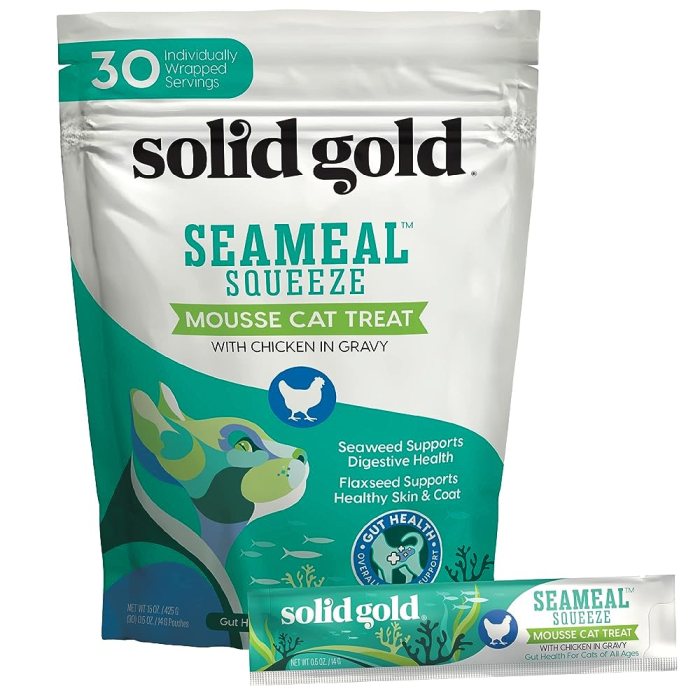
Source: iheartcats.com
Most vet-vetted, low-calorie squeeze treats are safe for daily use, as long as you account for their calories in your cat’s total daily food intake to avoid unintended weight gain that can lead to long-term health issues like diabetes or joint pain.
Are squeeze treats safe for cats with food allergies?
Yes, as long as you choose a formula that avoids your cat’s specific trigger ingredients. Many brands offer single-protein, limited-ingredient formulas that work well for cats with common sensitivities to grains, dairy, or certain proteins.
Can I use squeeze treats if my cat is on a vet-recommended weight loss plan?
You can, but opt for low-calorie, high-protein formulas with no added sugars or fillers, and stick to small portions that fit your vet’s daily calorie limit to avoid derailing your cat’s progress.
How long does an opened squeeze treat tube stay fresh for use?
Most unopened commercial tubes last 12 to 18 months in a cool, dry place, while opened tubes stay fresh for 2 to 4 weeks when stored in the refrigerator. Homemade squeeze treats should be used within 1 week to avoid spoilage and stomach upset.
