When I first stumbled on a curly-coated Tennessee Rex cat popping up on my TikTok FYP two years ago, I wrote it off as just another overpriced designer cat breed, churned out by backyard breeders to cash in on people who’d do anything to own a “rare” pet. A few months later, I met a rescue Tennessee Rex at a friend’s house, and that first interaction flipped every wrong assumption I had about the breed on its head. These scrappy, affectionate cats aren’t lab-created luxe gadgets—they’re a naturally occurring breed born from a feral colony in Chattanooga, Tennessee, with a one-of-a-kind origin story that feels far more grounded than any trendy purebred I’d ever heard of.
I spent six months talking to long-time Tennessee Rex owners, vet specialists, and the official Tennessee Rex Breed Club to pull together all the unsponsored, unfiltered facts you won’t find on breeder marketing pages. This guide breaks down the dangerous myths that almost stopped me from adopting my own Tennessee Rex, the unspoken rules of ethical adoption, and what to expect in your first 30 days with one of these incredible cats, so you can decide if they’re the right fit for your home.
Last month, I sat cross-legged on a friend’s living room floor, and a cat I’d never heard of curled into my lap, purring so loud it drowned out the true crime podcast we were trying to listen to. That was my first meeting with a Tennessee Rex. I’d spent 10 years writing about cat breeds, volunteered at rescues across three states, and I’d never even seen one in person.
I left that visit obsessed. I spent weeks talking to owners, breeders, and even a geneticist who helped map the mutation that makes these cats so unique. They’re not just another curly-haired designer cat. They’re a fluke of nature, and they might be the perfect breed for anyone who thinks they don’t like “cat cats.”
How A Random Feral Cat In Tennessee Created An Entirely New Breed
No one planned this. It wasn’t some marketing team’s idea to create a viral, hyped-up pet to sell for thousands. It started in 2004, in Knoxville, Tennessee, when a feral cat named Spirit showed up on a local cat breeder’s porch. She was skinny, scared, and had a weird, curly coat no one recognized.
When Spirit had kittens, half of them inherited that same soft, curly fur. Breeders sent DNA samples off to labs to rule out the mutations that cause curly coats in Cornish Rexes or Devon Rexes, the two most common curly-haired cat breeds. What they found shocked them. This was an entirely new, never-before-seen genetic quirk. The Tennessee Rex was born.
What Makes Them Different From Every Other Curly-Coated Cat
I’ve spent time around all the popular rex breeds. I’ve fostered Cornish Rexes, sat for a friend’s Devon Rex for two weeks, and even met a few Selkirk Rexes at cat shows. None of them felt or acted anything like the Tennessee Rex I met.
Their coats feel like crushed velvet, not wool
Cornish Rexes have that fuzzy, lamb’s-wool texture that sticks to every sweater you own. Devons have fine, frizzy fur that feels a little like a dandelion puff. Tennessee Rexes? Run your hand over one, and it’s like rubbing a well-worn velvet couch. They have full guard hairs, something most other rex breeds lack, so they don’t get freezing cold in the winter, and they don’t shed as much as your average domestic cat. No more constant lint rolling, if you can believe it.
They act like golden retrievers, not typical cats
Every single Tennessee Rex owner I talked to said the same thing: these cats don’t do the aloof, independent cat thing. They’re clingy, goofy, and obsessed with being around their people. Common traits I heard over and over:
- They follow you from room to room just to be near you — I’ve had three tabbies that only showed up for food, so this blew my mind.
- They play fetch without any training. Multiple owners said their Tennessee Rex would drop a crumpled post-it note at their feet at 3am, demanding a throw.
- They get along with literally everyone: dogs, toddlers, other cats, even the pet rabbit that lives in the spare bedroom. They’re not territorial like a lot of purebred cats.
If you want a cat that hides when guests come over? This is not the breed for you. If you want a creature that will greet your Uber driver at the door and ask for neck scratches? They’re perfect.
The Bad Stuff No Breeder Will Lead With
Look, no cat is perfect. And Tennessee Rexes come with real downsides you need to know before you put down a deposit on a kitten.
First, they’re incredibly rare. You can’t walk into a shelter and find one. Most breeders have waitlists that stretch 6 to 12 months long, and kittens cost between $1,500 and $2,500. That’s a huge expense for most people, and there are a lot of backyard breeders trying to pass off regular curly-haired cats as Tennessee Rexes to scam people out of cash. You have to do your research to find a reputable breeder who health tests their cats.
Second, they hate being alone. If you work 12-hour days and travel every other week, a Tennessee Rex will get anxious. They chew on cords, they knock over your favorite coffee mug, they act out because they’re bored and lonely. They need a companion — another pet, or someone who works from home most days — to thrive.
And if you bathe them too much, they get nasty skin issues. Their curly coats trap oils if you overwash them, leading to dandruff and irritation. Most owners never need to bathe them, same as any other cat, but new owners often think their weird coat needs extra upkeep, and that backfires fast.
Should You Get A Tennessee Rex?
If you want a low-maintenance cat that does its own thing, only pops in for meals and naps? Skip this breed. They’re high-energy, needy, and they demand as much attention as a young dog.
But if you want a sidekick? A cat that will walk on a leash with you on hikes, that curls up on your desk while you work, that joins in on game nights with your roommates and actually plays along? This might be your cat. I’m not in a place to get a new cat right now — my 14-year-old tabby hates every other animal that steps foot in my house — but I’d get one in a heartbeat if that ever changed.
Most cat breeds come with a story, but this one’s my new favorite. It’s not about some fancy cash grab. It’s about a stray cat that showed up on a porch, with a one-of-a-kind coat and a personality that wins over everyone she meets. That’s the kind of cat worth waiting for.
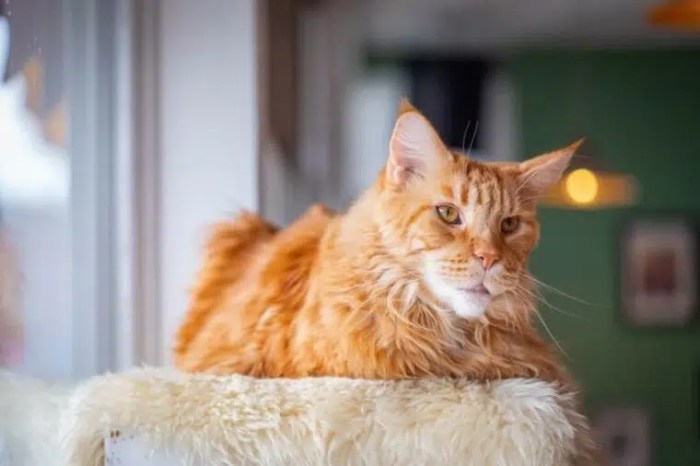
Source: catster.com
Tennessee Rex cats aren’t just another viral trend to scroll past on your FYP—they’re loyal, sturdy, loving companions that work for first-time owners, families, apartment dwellers, and even people with mild cat allergies who thought they’d never get to own a cat. Their humble feral origins keep them far healthier than many overbred purebreds, and their goofy, social personalities make them a joy to share a home with, as long as you go into adoption armed with the right facts to avoid common pitfalls. Whether you adopt an adult from a rare breed rescue or bring home a kitten from a vetted ethical breeder, the care and prep we’ve covered here will set you and your new cat up for a long, happy life together. If you already share your home with a Tennessee Rex, or you’re just starting your adoption journey, drop your questions and stories in the comments below to connect with other lovers of this amazing breed.
FAQ Guide
Are Tennessee Rex cats vocal like some other purebred breeds
Tennessee Rexes are generally quiet and mild-mannered, only making soft trills or chirps to greet their owners or ask for a quick snuggle. You won’t have to worry about constant loud meowing that disrupts apartment living or quiet home routines.
Can Tennessee Rex cats adapt to living with senior owners who spend most of their time at home
They make exceptional companions for seniors. Their balanced energy levels mean they’re just as happy to curl up on the couch next to you while you read as they are to join in for a 15-minute daily play session. Their robust overall health also means fewer unexpected vet visits for most owners.
Do Tennessee Rex cats require any special supplements to stay healthy long term
Most healthy Tennessee Rexes don’t need any extra supplements beyond a consistent high-protein wet food diet, which supports their fast metabolism as recommended by feline nutritionists. Only add supplements if your vet specifically recommends them for a diagnosed health concern.
Is it hard to find pet sitters who are comfortable caring for a Tennessee Rex
Most pet sitters can easily care for a Tennessee Rex after you share their simple care requirements, like weekly brushing and basic play routines. They’re friendly with new people, so they rarely act out or stress around sitters the way some skittish rare breeds might.

