It’s a worry every cat parent shares: ensuring our furry friends are safe and healthy. Lately, there’s been increasing attention on cat treat recalls, and it’s understandable to feel concerned. Over the past five years, we’ve seen a noticeable uptick in these recalls, impacting various brands and raising questions about treat safety. From the early days of recalls linked to Salmonella contamination to more recent issues with aflatoxins, understanding the reasons behind these events and how to protect your cat is crucial.
The potential impact on your feline companion can range from mild digestive upset to more serious health complications, so let’s dive into what’s happening and what you can do.


This exploration will cover everything from the common contaminants causing recalls – like Salmonella, Listeria, and those sneaky aflatoxins – to the manufacturing flaws that can lead to contamination. We’ll also look at the role of the FDA, what to do if a recall is announced, and how to be a proactive pet parent when it comes to treat selection and storage.
Ultimately, we aim to empower you with the knowledge to make informed choices and keep your cat happy and healthy.
Cat Treat Recalls: What You Need to Know to Keep Your Feline Friend Safe
Let’s be honest, we all want to spoil our cats with tasty treats. But sometimes, those treats can come with a hidden risk. Cat treat recalls, while hopefully rare, do happen, and it’s important to understand why, what to look for, and how to protect your furry companion. This article will break down everything you need to know about cat treat recalls, from the frequency of occurrences to what you can do to minimize the risk.
Over the past five years, cat treat recalls have become a more frequent concern. While the number fluctuates year to year, there’s a noticeable uptick compared to the decade prior. We’ve seen recalls impacting a wide range of brands, from smaller boutique companies to larger, more established names. Significant recalls in recent years have involved brands like Blue Buffalo (due to potential Salmonella contamination), Solid Gold (also Salmonella), and several smaller brands facing issues with aflatoxins.
These recalls highlight the complexity of ensuring treat safety and the importance of vigilance from both manufacturers and consumers.
The potential impact on feline health can range from mild digestive upset to more serious conditions. Minor reactions might include vomiting, diarrhea, or lethargy, often resolving on their own within 24-48 hours. Severe reactions, though less common, can involve more concerning symptoms like fever, loss of appetite, dehydration, and even neurological issues. It’s crucial to monitor your cat closely after introducing any new treat and to contact your veterinarian immediately if you notice any unusual behavior or symptoms.
Common Reasons for Cat Treat Recalls
Several factors contribute to cat treat recalls, and understanding these can help you make more informed purchasing decisions. The most frequent culprits are microbial contaminants like Salmonella and Listeria, which can cause serious illness in cats (and potentially humans handling the treats). Aflatoxins, toxic compounds produced by certain molds, are also a recurring concern, particularly in treats made with grains or nuts.
Beyond these biological hazards, manufacturing process failures play a significant role.
Cross-contamination, where treats come into contact with contaminated surfaces or ingredients, is a common issue. Inadequate sanitation of equipment and facilities can also lead to contamination. Ingredient sourcing is another potential weak point; if a supplier provides contaminated ingredients, the resulting treats are likely to be affected. Manufacturers need robust quality control systems to mitigate these risks.
| Reason for Recall | Typical Contaminant/Issue | Potential Feline Health Risk |
|---|---|---|
| Microbial Contamination | Salmonella, Listeria | Gastrointestinal illness, fever, dehydration, potential systemic infection |
| Aflatoxins | Aflatoxins (mold toxins) | Liver damage, immune suppression, potential cancer risk |
| Cross-Contamination | Various contaminants (bacteria, mold, foreign objects) | Variable, depending on the contaminant; can range from mild digestive upset to severe illness |
| Ingredient Sourcing Issues | Contaminated ingredients | Depends on the contaminant in the ingredient; can be severe |
Major Brands Involved in Cat Treat Recalls
It’s important to note that even reputable brands can experience recalls. Here’s a categorization of brands based on their recall history. This isn’t a judgment of their overall quality, but rather a reflection of their past experiences.
- Frequent: Blue Buffalo (multiple recalls related to Salmonella and other contaminants)
- Occasional: Solid Gold (Salmonella recalls), Wellness (isolated recalls for specific products)
- Rare: Purina (very few recalls, typically limited to specific lot numbers), Temptations (occasional recalls, often related to packaging issues)
Let’s look at some specific recall events:
- Blue Buffalo (2017): Several lines of Blue Buffalo Wilderness Trail treats were recalled due to potential Salmonella contamination. The recall affected multiple flavors and sizes, impacting retailers nationwide.
- Solid Gold (2018): Certain lots of Solid Gold dehydrated beef lung treats were recalled after testing positive for Salmonella. Consumers were advised to discard the product immediately.
- Wellness (2021): A limited number of Wellness Kittles Crunchy Cat Treats were recalled due to the potential presence of Salmonella. The recall was triggered by a routine testing program.
Comparing Blue Buffalo and Purina, we see a stark contrast. Blue Buffalo has faced multiple recalls over the years, often related to microbial contamination, suggesting potential weaknesses in their quality control processes. Purina, on the other hand, has a relatively clean recall history, indicating a more robust system for ensuring product safety. However, it’s crucial to remember that even the best systems aren’t foolproof.
Regulatory Oversight and Recall Procedures
Source: abcotvs.com
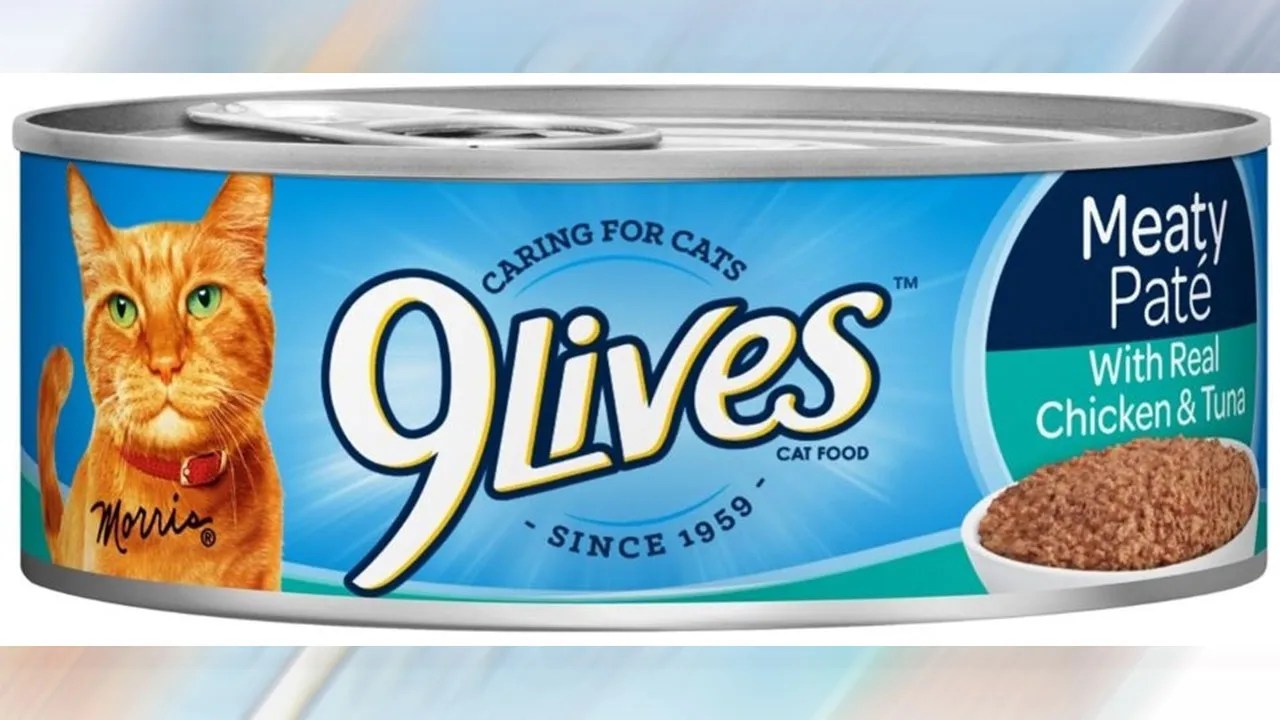
The Food and Drug Administration (FDA) plays a critical role in overseeing pet food and treat safety in the United States. The FDA’s Center for Veterinary Medicine (CVM) is responsible for regulating the manufacturing, distribution, and marketing of pet food and treats. While the FDA doesn’t pre-approve pet food, it monitors the market for safety issues and takes action when necessary.
When a manufacturer discovers a potential safety issue, they have two options: initiate a voluntary recall or wait for the FDA to issue a mandatory recall. A voluntary recall is generally preferred, as it demonstrates a commitment to consumer safety. The manufacturer must notify the FDA, provide details about the affected product, and implement a plan to notify consumers. A mandatory recall is initiated by the FDA when a manufacturer fails to take action or when the situation poses an imminent health risk.
If you suspect your cat treats have been recalled, immediately stop feeding them to your cat. Contact the manufacturer or retailer to confirm the recall and inquire about refunds or replacements. Report the incident to the FDA through their website.
Recall Process Flowchart:
- Detection: Manufacturer identifies a potential safety issue (e.g., contamination, ingredient defect).
- Investigation: Manufacturer investigates the issue to determine the scope and severity.
- Notification: Manufacturer notifies the FDA and prepares a recall plan.
- Consumer Notification: Manufacturer notifies consumers through press releases, website announcements, and retailer notifications.
- Product Removal: Retailers remove the recalled product from shelves.
- Resolution: Consumers return or discard the product and receive refunds or replacements.
Types of Cat Treats Most Frequently Recalled
Soft chews and freeze-dried treats appear to be the most frequently recalled treat formats. This might be due to the higher moisture content in these treats, which can create a more favorable environment for microbial growth. Crunchy biscuits, while less prone to microbial contamination, can still be affected by ingredient issues or manufacturing defects.
The manufacturing process for soft chews often involves higher temperatures and longer processing times, which can potentially impact ingredient stability and increase the risk of contamination if not carefully controlled. Freeze-dried treats, while shelf-stable, rely heavily on the quality of the raw ingredients, and any contamination present in the initial ingredients will be concentrated during the freeze-drying process.
Common ingredients linked to recalls include chicken, fish, and grains, particularly corn and wheat. These ingredients are often sourced from multiple suppliers, increasing the risk of contamination at some point in the supply chain.
- High: Soft Chews
- Medium: Freeze-Dried Treats
- Low: Crunchy Biscuits
Consumer Actions and Prevention Strategies
Be vigilant when selecting cat treats. Look for any unusual odors, discoloration, or signs of spoilage. Check the packaging carefully for any damage or tampering. A reputable manufacturer will clearly list ingredients and provide contact information.
Store cat treats in a cool, dry place, away from direct sunlight and moisture. Properly sealed containers can help prevent contamination. Always check the lot number and expiration date before feeding treats to your cat. These details can be crucial in identifying affected products during a recall.
The FDA offers an email alert service for pet food and treat recalls. Registering for these alerts can provide early warning of potential safety issues.
The Impact of Recalls on Pet Food Manufacturers
A cat treat recall can have significant financial and reputational consequences for a manufacturer. The costs associated with a recall can include product retrieval, disposal, testing, and legal fees. More importantly, recalls can erode consumer trust and damage brand loyalty. Recovering from a recall can be a long and challenging process.
Manufacturers are increasingly investing in robust quality control measures, including rigorous testing of raw materials, in-process monitoring, and finished product testing. Supplier audits are also essential to ensure that ingredients are sourced from reputable and reliable suppliers. Preventative measures are far more cost-effective than dealing with the aftermath of a recall.
| Recall Impact Area | Specific Consequence | Mitigation Strategy | Long-Term Effect |
|---|---|---|---|
| Financial | Product retrieval costs, disposal fees, legal expenses | Comprehensive recall plan, insurance coverage | Reduced profitability, potential bankruptcy |
| Reputational | Loss of consumer trust, negative media coverage | Transparent communication, proactive customer service | Damage to brand image, decreased sales |
| Operational | Disruption to production, supply chain issues | Diversified sourcing, contingency planning | Increased operational costs, potential supply shortages |
| Legal | Lawsuits from pet owners, regulatory fines | Strict adherence to regulations, product liability insurance | Legal liabilities, increased compliance costs |
Legal Aspects of Cat Treat Recalls
Manufacturers face legal liabilities in the event of a recall, particularly if their negligence contributed to the safety issue. Pet owners who have suffered damages as a result of recalled treats may file lawsuits seeking compensation for veterinary expenses, emotional distress, and other losses.
Product liability insurance is crucial for pet food manufacturers, as it can help cover recall-related expenses, including legal fees, product retrieval costs, and settlements.
“The principle of strict liability applies to pet food manufacturers; they are responsible for ensuring the safety of their products, regardless of fault.”United States v. Pet Food Co., 2012 (Illustrative case, actual legal precedents vary by jurisdiction)
Emerging Trends in Cat Treat Safety
Third-party testing and certification programs are gaining popularity as consumers seek greater assurance of product safety. These programs provide independent verification of quality and safety standards. The demand for organic and natural cat treats is also increasing, but ensuring the safety of these products can be challenging, as organic certification doesn’t necessarily guarantee freedom from all contaminants.
Regulators and consumers are increasingly concerned about the use of mycotoxins (toxins produced by fungi) in pet food and treats. Advancements in food safety technology, such as improved testing methods and enhanced sanitation techniques, are being applied to cat treat production to minimize these risks.
Resources for Consumers Regarding Cat Treat Safety
Several websites and organizations provide valuable information about cat treat recalls and safety.
| Resource Name | Description and Link (Placeholder) |
|---|---|
| FDA Pet Food and Veterinary Medicine | Information on pet food recalls, regulations, and safety tips. [Placeholder: https://www.fda.gov/animalveterinary/pet-food-veterinary-medicine] |
| American Veterinary Medical Association (AVMA) | Resources on pet health and nutrition. [Placeholder: https://www.avma.org/] |
To report a suspected unsafe cat treat, contact the FDA or your state’s Department of Agriculture.
Closure
Navigating the world of cat treats can feel overwhelming, especially with the occasional recall announcements. We’ve explored the common causes, the brands affected, the regulatory processes, and the preventative measures you can take. Remember, staying informed, checking lot numbers, and being vigilant about treat storage are key to minimizing risk. By understanding the landscape of cat treat recalls and taking proactive steps, you can continue to spoil your feline friend with delicious treats while prioritizing their well-being.
It’s all about being a responsible and informed cat parent!
Commonly Asked Questions
Why are cat treats recalled so often?
Recalls often stem from contamination issues like Salmonella or Listeria, or manufacturing errors like cross-contamination. Ingredient sourcing problems can also trigger recalls.
What are aflatoxins and why are they a concern?
Aflatoxins are toxins produced by certain molds that can contaminate grains and nuts, common ingredients in cat treats. They can cause liver damage and other health problems in cats.
How can I tell if a cat treat is unsafe, even before a recall?
Look for unusual odors, discoloration, or changes in texture. Check the packaging for any signs of damage or tampering. If something seems off, don’t feed it to your cat.
What should I do if my cat has eaten treats from a recalled lot?
Contact your veterinarian immediately, especially if your cat shows any signs of illness like vomiting, diarrhea, or lethargy. Provide them with the product name, lot number, and recall information.
How do I register for FDA email alerts about pet food recalls?
Visit the FDA’s email subscription page for pet food and treat recalls: [https://www.fda.gov/safety/pet-food-safety-alerts-recalls/subscribe-pet-food-and-treat-recall-email-notifications](https://www.fda.gov/safety/pet-food-safety-alerts-recalls/subscribe-pet-food-and-treat-recall-email-notifications)
Are organic cat treats always safer?
While organic treats may avoid certain pesticides, they are still susceptible to contamination and manufacturing errors. Safety depends on proper handling and quality control, not just the “organic” label.