Diatomaceous earth (DE) – it sounds natural, even a little magical! You might have heard it touted as a solution for everything from garden pests to flea control. But when it comes to our feline companions, the question of whether diatomaceous earth is safe for cats becomes a lot more complex. This guide dives deep into the science behind DE, exploring its origins, potential benefits (and serious risks), and safer alternatives to keep your kitty happy and healthy.
Essentially, diatomaceous earth is made from the fossilized remains of tiny aquatic organisms called diatoms. It’s a fine powder, and depending on its grade, it can be used for a variety of purposes. However, the crucial distinction between food-grade and pool-grade DE is paramount when considering its use around pets, and understanding this difference is the first step in ensuring your cat’s well-being.




Is Diatomaceous Earth Safe for Cats? A Comprehensive Guide
Diatomaceous earth (DE) has become a popular topic in pet owner circles, touted as a natural solution for everything from parasite control to odor absorption. But is it truly safe for our feline companions? The answer, as with many things, is complex. This guide will break down what DE is, its potential benefits and risks, and how to navigate its use (or avoidance) responsibly.
We’ll cover everything from its origins to its legal status, ensuring you have the information you need to make informed decisions about your cat’s health and well-being.
What is Diatomaceous Earth (DE)?
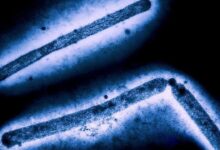
Diatomaceous earth isn’t a manufactured substance; it’s a naturally occurring sedimentary rock formed over millions of years. It originates from the fossilized remains of diatoms, which are microscopic, single-celled algae. These diatoms have intricate cell walls made of silica (silicon dioxide), and when they die, these walls accumulate on the ocean floor, eventually solidifying into DE.
There are two main grades of DE: food grade and pool grade. The difference isn’t just a marketing term; it’s crucial for safety. Food grade DE is processed to remove crystalline structures that can be irritating, and it’s generally considered safe for human and animal consumption (though we don’t recommend feeding it to your cat!). Pool grade DE, on the other hand, is often mined from different deposits and isn’t processed to the same extent.
It contains larger, sharper particles that are harmful if inhaled and are
-never* suitable for use around pets.
Chemically, DE is primarily composed of silicon dioxide (SiO₂), typically ranging from 80-95%. The remaining percentage consists of trace minerals. The high silica content is what gives DE its unique abrasive properties.
| Feature | Food Grade DE | Pool Grade DE |
|---|---|---|
| Particle Size | Very fine (typically < 5 microns) | Coarser (typically 10-40 microns) |
| Intended Use | Food processing, animal health, gardening | Pool filtration |
| Potential Hazards | Respiratory irritation (with excessive inhalation), mild digestive upset | Significant respiratory irritation, potential lung damage, skin irritation |
Potential Benefits of DE for Cats (If Any)
The primary reason people consider using DE for cats is for parasite control. It’s often suggested as a natural alternative to conventional flea, tick, and worm treatments. While anecdotal evidence exists, it’s important to approach these claims with caution, as scientific backing is limited.
DE’s purported mechanism of action against parasites relies on its abrasive properties. The microscopic particles damage the exoskeleton of insects like fleas and ticks, leading to dehydration and ultimately, death. For internal parasites like worms, the theory is that DE disrupts their digestive systems, preventing them from absorbing nutrients and weakening them.
You’ll find stories online of cat owners successfully using DE to eliminate fleas. However, these are largely anecdotal and lack rigorous scientific validation. It’s crucial to remember that what works for one cat might not work for another, and relying solely on DE for parasite control can be risky.
Flowchart: Potential Pathway of DE Affecting a Flea’s Exoskeleton
(Description for Illustration: A flowchart starting with “DE Particles Contact Flea Exoskeleton.” The arrow leads to “Abrasive Action Damages Exoskeleton.” Next arrow: “Disruption of Waxy Layer.” Then: “Increased Water Loss/Dehydration.” Final arrow: “Flea Death.”)
Risks and Dangers of DE for Cats
Despite its natural origins, DE poses several risks to cats, particularly when it comes to respiratory health. The most significant danger is inhalation. The fine particles can easily become airborne, and if inhaled, they can irritate and damage a cat’s lungs.
Prolonged or heavy exposure to DE dust can lead to inflammation, scarring, and even chronic respiratory problems in cats. The smaller the particle size, the deeper it can penetrate into the lungs, exacerbating the damage.
Ingestion of DE is less concerning than inhalation, but it can still cause digestive upset, including vomiting and diarrhea. While the silica itself isn’t toxic, it can act as an irritant in the digestive tract.
Skin contact with DE can also cause dryness and irritation, especially in cats with sensitive skin. It can strip the skin of its natural oils, leading to itching and discomfort.
- Coughing or wheezing
- Difficulty breathing
- Sneezing
- Eye irritation (redness, watering)
- Skin irritation (redness, itching)
- Lethargy
- Loss of appetite
Safe Handling and Application (If Considering Use)
If, despite the risks, you’re considering using DE, extreme caution is essential. The key is to minimize dust exposure for both your cat and yourself.
Always wear a properly fitted dust mask (N95 or higher) and gloves when handling DE. A simple cloth mask won’t provide adequate protection. The gloves prevent skin contact and potential irritation.
Ventilation is crucial. Use DE only in well-ventilated areas, preferably outdoors. If using it indoors, open windows and doors to create cross-ventilation. Avoid using fans, as they can stir up the dust.
Step-by-Step Guide for Cleaning Up DE Spills:
- Immediately contain the spill to prevent it from spreading.
- Dampen the DE with water to create a slurry. This significantly reduces dust.
- Carefully scoop up the slurry and dispose of it properly.
- Wipe the area with a damp cloth to remove any remaining residue.
- Vacuum the area with a HEPA filter vacuum cleaner.
Alternatives to DE for Parasite Control in Cats
Fortunately, there are numerous effective and safer alternatives to DE for controlling fleas, ticks, and worms in cats. These options range from topical treatments to oral medications and environmental control measures.
Topical treatments, such as fipronil, imidacloprid, and selamectin, are applied directly to the cat’s skin and provide long-lasting protection. Oral medications, like nitenpyram and spinosad, are administered by mouth and offer rapid relief from flea infestations. Environmental control measures involve cleaning your home regularly, washing bedding, and vacuuming carpets to eliminate flea eggs and larvae.
| Method | Pros | Cons | Effectiveness |
|---|---|---|---|
| Topical Treatments | Long-lasting, convenient | Can be toxic if ingested, potential for skin irritation | High |
| Oral Medications | Fast-acting, systemic protection | Requires veterinary prescription, potential side effects | High |
| Environmental Control | Reduces flea population, safe for cats | Time-consuming, may not eliminate all fleas | Moderate |
| Flea Combs | Simple, inexpensive | Only removes adult fleas, requires frequent use | Low |
Always consult with your veterinarian before implementing any parasite control strategy. They can recommend the most appropriate and safe options for your cat’s individual needs and health status.
DE and Kitten Safety
Kittens are significantly more vulnerable to the adverse effects of DE than adult cats. Their respiratory systems are still developing, and they are more susceptible to irritation and damage from inhaled particles.
Unlike adult cats, kittens have smaller airways and less developed lung tissue. This makes them more prone to inflammation and respiratory distress when exposed to irritants like DE.
Exposure to DE during a kitten’s development could potentially interfere with their respiratory system’s maturation, leading to long-term health problems. It’s best to err on the side of caution and avoid DE altogether for kittens.
Recommendation: Diatomaceous earth shouldnever* be used on kittens of any age. The risks far outweigh any potential benefits.
DE and Cats with Pre-existing Conditions
Source: thehappycatsite.com
Cats with pre-existing respiratory conditions, such as asthma or chronic bronchitis, are at a significantly higher risk of experiencing adverse effects from DE exposure. Even small amounts of inhaled DE can exacerbate their existing respiratory problems.
DE can trigger asthma attacks in susceptible cats, leading to wheezing, coughing, and difficulty breathing. It can also irritate the airways, increasing mucus production and making it harder for the cat to breathe.
It’s also important to consider potential interactions between DE and any medications your cat may be taking. While direct interactions are unlikely, the respiratory irritation caused by DE could affect the absorption or effectiveness of certain medications.
Decision Tree: Is DE Appropriate for a Cat with a Health Condition?
(Description for Illustration: A decision tree starting with “Does your cat have any pre-existing health conditions (especially respiratory issues)?” If “Yes,” the arrow leads to “Consult a Veterinarian – DE is likely not recommended.” If “No,” the arrow leads to “Consider Alternatives – Weigh Risks and Benefits with your Veterinarian.”)
Legal and Regulatory Status of DE for Pet Use
The legal and regulatory status of DE for pet use is somewhat ambiguous. While DE itself isn’t inherently restricted, the marketing and labeling of DE products for pet applications are subject to scrutiny. The EPA regulates DE as a pesticide, but the specific regulations vary depending on the intended use.
Many DE products marketed for pet use now carry warnings about the potential for respiratory irritation. Some retailers have voluntarily removed DE products from their shelves due to safety concerns. The ASPCA and AVMA have issued statements cautioning against the use of DE for parasite control in pets.
Timeline of Regulatory Changes Related to DE and Pet Safety:
(Description for Illustration: A timeline starting in 2010 with “Increased awareness of DE respiratory risks.” 2015: “ASPCA issues warning against DE use for pets.” 2020: “Some retailers remove DE products from shelves.” 2023: “Continued scrutiny of DE labeling and marketing.”)
Understanding DE Particle Size and Inhalation Risk
Particle size is the most critical factor determining the inhalation risk associated with DE. Smaller particles (less than 10 microns) can penetrate deep into the lungs, causing significant damage. Larger particles (greater than 10 microns) are more likely to be trapped in the upper airways and expelled.
Particle size is typically measured using techniques such as laser diffraction and microscopy. These methods determine the distribution of particle sizes within a sample of DE.
The ability of DE particles to penetrate deep into the lungs is directly related to their size. Particles smaller than 5 microns can reach the alveoli, the tiny air sacs where gas exchange occurs. This is where the most severe damage can occur.
Visual Representation: DE Particle Behavior in the Respiratory Tract
(Description for Illustration: A diagram showing the respiratory tract. Larger DE particles (10-20 microns) are depicted being trapped in the nose and throat. Smaller particles (2-5 microns) are shown penetrating deeper into the lungs, reaching the alveoli. Even smaller particles (<2 microns) are depicted reaching the bloodstream.)
Summary
Ultimately, while diatomaceous earth might seem like a tempting natural solution for parasite control, the potential risks to your cat, especially concerning respiratory health, are significant. The evidence supporting its effectiveness is largely anecdotal, and safer, scientifically-backed alternatives are readily available. Prioritizing your cat’s health means consulting with your veterinarian and exploring preventative measures that are both effective and gentle on their delicate systems.
Don’t gamble with your cat’s well-being – knowledge is your best defense!
FAQ Summary
Can I use pool-grade diatomaceous earth on my cat?
Absolutely not. Pool-grade DE is treated with chemicals and is incredibly dangerous for cats (and humans!). It’s meant for filtration, not for use around living beings.
What are the signs of DE inhalation in cats?
Look out for coughing, wheezing, sneezing, difficulty breathing, eye irritation, and nasal discharge. If you notice any of these, contact your vet immediately.
If my cat ingested a small amount of food-grade DE, should I be worried?
A tiny amount is unlikely to cause serious harm, but monitor your cat for digestive upset like vomiting or diarrhea. Larger quantities can be problematic.
Are there any natural flea remedies that are safe for cats?
Yes! Regular grooming, flea combing, washing bedding, and using vet-approved topical or oral flea preventatives are all safer options.
Why are kittens more susceptible to DE’s effects?
Kittens have smaller airways and less developed respiratory systems, making them more vulnerable to irritation and damage from inhaled DE particles.
Can DE interact with my cat’s medication?
It’s possible. Always discuss any potential treatments, even natural ones, with your veterinarian to ensure there are no adverse interactions.
What’s the best way to clean up a DE spill?
Dampen the area with water to prevent dust from becoming airborne, then carefully sweep or vacuum (using a HEPA filter) and dispose of the wet DE properly.