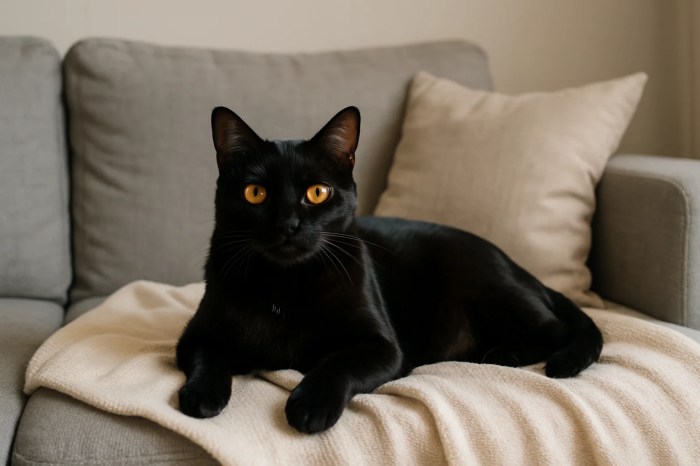
Bombay kittens, often dubbed “mini panthers” for their sleek, jet-black coats and captivating golden eyes, are truly mesmerizing. These affectionate and playful felines boast a fascinating history rooted in a deliberate breeding program aimed at recreating the look of a Burmese cat with the coloring of a black panther. Their charming personalities, combined with their striking appearance, make them highly sought-after companions.
But, like any purebred pet, the cost of bringing a Bombay kitten into your home can vary significantly. This guide will break down everything you need to know about Bombay kittens price, from initial purchase costs to ongoing expenses, helping you make an informed decision.
We’ll explore the factors that influence their price, including breeder reputation, lineage, and geographic location. You’ll also learn about the differences between buying from a breeder versus adopting from a rescue, and discover the hidden costs of kitten ownership beyond the initial adoption fee. Whether you’re a seasoned cat lover or a first-time pet owner, this comprehensive overview will equip you with the knowledge to navigate the world of Bombay kittens and find your perfect feline friend.
Introduction to Bombay Kittens
Bringing a Bombay kitten into your home is a big decision, and understanding the costs involved is a crucial part of that process. These sleek, panther-like cats are known for their striking appearance and affectionate personalities. This article will break down everything you need to know about Bombay kitten prices, from the initial purchase to ongoing expenses, helping you budget responsibly and find your perfect feline companion.Bombay cats are instantly recognizable thanks to their jet-black, short, and glossy coat that resembles polished ebony.
Their copper or gold eyes are a captivating contrast to their dark fur, creating a truly mesmerizing look. They have a muscular, medium-sized build, often described as having a “cobby” body type – meaning they’re stocky and rounded. The breed’s origins are fascinating, a deliberate attempt to create a miniature panther.The Bombay breed was developed in the 1950s by Nikki Horner in Louisville, Kentucky.
Horner’s goal was to breed a cat that resembled a Burmese, but with a solid black coat and copper eyes. She achieved this by crossing a sable Burmese with a black American Shorthair. It took several generations of breeding before the desired characteristics consistently appeared, and the Bombay was officially recognized by the Cat Fanciers’ Association (CFA) in 1970. Today, they remain a beloved breed known for their playful and affectionate nature.Bombay kittens are generally known for their friendly and outgoing personalities.
They’re often described as being “velcro cats” because they love to be near their humans, following them around the house and seeking out cuddles. They’re intelligent and playful, enjoying interactive toys and games. While affectionate, they’re not overly demanding and can be content to entertain themselves when their humans are busy. Their playful nature and love of attention make them wonderful companions for families and individuals alike.
| Feature | Description | Importance to Price |
|---|---|---|
| Coat Color & Quality | Deep, solid black with a short, glossy texture. Any markings significantly decrease value. | High – A flawless black coat is a key indicator of breed standard and desirability. |
| Eye Color | Bright copper or gold. Variations in color can impact price. | Medium – Consistent, vibrant eye color is a breed characteristic. |
| Pedigree & Lineage | Tracing ancestry to champion or grand champion lines. | High – Strong pedigree increases value due to potential for show quality and health. |
| Health & Temperament | Evidence of good health and a well-socialized, friendly personality. | High – Breeders prioritize health and temperament, which reflects in the price. |
Factors Influencing Bombay Kitten Price
The price of a Bombay kitten isn’t a fixed number; it varies considerably based on several factors. Understanding these influences can help you make an informed decision and avoid overpaying or supporting unethical breeding practices.A breeder’s reputation and experience play a significant role in the kitten’s price. Established breeders with a history of producing healthy, well-socialized kittens often charge more.
They invest in genetic testing, proper socialization, and high-quality care, which all contribute to the kitten’s overall value. Less experienced breeders, or those just starting out, may offer lower prices, but it’s crucial to thoroughly research their practices.Lineage and pedigree certifications, such as those from the Cat Fanciers’ Association (CFA) or The International Cat Association (TICA), significantly affect a Bombay kitten’s value.
Kittens with a documented pedigree, particularly those tracing back to champion or grand champion lines, are considered more valuable. These certifications provide assurance of the kitten’s breed purity and potential for show quality.Geographic location also influences price. Areas with higher demand for Bombay kittens, or where the cost of living is higher, tend to have higher prices. Transportation costs for breeders also factor into the equation.
For example, a kitten purchased in a remote area might be more expensive due to shipping fees.Breeders incur numerous expenses in raising healthy and well-adjusted kittens. Here’s a breakdown of some common costs:
- Vaccinations: Essential for protecting kittens from common feline diseases.
- High-Quality Food: Proper nutrition is crucial for growth and development.
- Veterinary Care: Regular checkups, deworming, and emergency care.
- Litter & Supplies: Ongoing costs for litter boxes, scoops, and cleaning supplies.
- Genetics Testing: Screening for hereditary diseases common in the breed.
These expenses are factored into the final price of the kitten, reflecting the breeder’s investment in its health and well-being.
Price Ranges: Different Types of Bombay Kittens
The price of a Bombay kitten can vary widely depending on its source and quality. Understanding these different price points is essential for finding a kitten that fits your budget and expectations.Prices for Bombay kittens from reputable breeders typically range from $1,500 to $3,000 or even higher. Rescues and shelters often have Bombay mixes or less-purebred Bombay kittens available for adoption, with adoption fees ranging from $75 to $250.
Less reputable sellers, such as those found on online marketplaces without proper vetting, may offer kittens at significantly lower prices (under $1,000), but this often comes with risks regarding health and temperament.Show-quality kittens, those meeting the breed standard and suitable for competition, command the highest prices, often exceeding $3,000. These kittens have exceptional conformation, coat quality, and temperament. Pet-quality kittens, while still healthy and well-socialized, may have minor imperfections that make them unsuitable for showing, and are typically priced between $1,500 and $2,500.
| Source | Quality | Price Range | Pros/Cons |
|---|---|---|---|
| Reputable Breeder | Show or Pet Quality | $1,500 – $3,000+ | Pros: Health guarantees, pedigree, socialization. Cons: Higher cost, waiting lists. |
| Rescue/Shelter | Mixed or Pet Quality | $75 – $250 | Pros: Lower cost, saving a life. Cons: Unknown history, potential health issues. |
| Less Reputable Seller | Variable | $500 – $1,000 | Pros: Lower initial cost. Cons: Potential health/temperament issues, lack of guarantees. |
| Show Breeder (Show Quality) | Show Quality | $3,000+ | Pros: Exceptional pedigree, conformation, potential for showing. Cons: Very high cost, limited availability. |
While Bombay cats are known for their solid black coats, subtle variations can occur. A slightly warmer or cooler black, or a hint of silvering in the fur, can sometimes influence price, though these variations are generally minor. Kittens with exceptionally lustrous coats or particularly striking eye color might also command a slightly higher price.
Costs Beyond the Initial Purchase
Bringing a Bombay kitten home is just the beginning of the financial commitment. Ongoing expenses are essential for ensuring your kitten’s health and happiness.The ongoing costs of owning a Bombay kitten include food, litter, toys, and regular veterinary care. High-quality kitten food can cost $30-$50 per month, while litter can range from $20-$40 per month depending on the type and usage.
Toys and enrichment items add another $10-$30 per month.Bombay cats, like all breeds, are predisposed to certain health issues. These can include hypertrophic cardiomyopathy (HCM), a heart condition, and polycystic kidney disease (PKD). Regular veterinary checkups, including screenings for these conditions, can help detect problems early and potentially mitigate their impact. Unexpected veterinary bills can easily run into the hundreds or even thousands of dollars.
“My monthly budget for my Bombay, Luna, averages around $250. This includes $80 for high-quality food, $30 for litter, $20 for toys and treats, $50 for preventative vet care (flea/tick prevention, deworming), and I set aside $70 for potential emergencies.”
Here’s a list of 7 essential items to purchase before bringing your Bombay kitten home, along with estimated costs:
- Food & Water Bowls: $10 – $20
- Kitten Food: $30 – $50 (initial bag)
- Litter Box & Litter: $30 – $50
- Scratching Post: $20 – $50
- Carrier: $20 – $40
- Toys: $15 – $30
- Bed: $20 – $40
Finding a Reputable Breeder
Finding a reputable breeder is paramount to ensuring you bring home a healthy and well-adjusted Bombay kitten. Don’t be tempted by low prices; prioritize ethical breeding practices.Thorough research is essential. Start by checking with the Cat Fanciers’ Association (CFA) or The International Cat Association (TICA) for registered breeders in your area. Read online reviews and testimonials from previous buyers.Here’s a checklist of questions to ask a breeder before purchasing a kitten:
- How long have you been breeding Bombay cats?
- What health testing do you perform on your breeding cats (e.g., HCM, PKD)?
- Can I see the parents of the kitten?
- What is your socialization process for the kittens?
- Do you offer a health guarantee?
- What is your policy on returns or replacements if the kitten develops a health issue?
A reputable breeder’s cattery should be clean, spacious, and well-maintained. The cats should appear healthy, well-fed, and friendly. Kittens should be playful, curious, and comfortable being handled.Be wary of red flags, such as breeders who:
- Are unwilling to answer questions or provide information.
- Keep their cats in cramped or unsanitary conditions.
- Don’t provide health records or guarantees.
- Sell kittens at significantly lower prices than the average.
- Allow kittens to leave their home before 8-12 weeks of age.
Adoption vs. Buying from a Breeder
Deciding whether to adopt a Bombay kitten from a rescue or shelter or buy from a breeder is a personal choice with its own set of pros and cons.Adopting a kitten from a rescue or shelter offers the opportunity to give a deserving cat a loving home. Adoption fees are typically much lower than the price of a kitten from a breeder, and you’ll be supporting a valuable community resource.
However, the kitten’s history may be unknown, and there’s a possibility of pre-existing health or behavioral issues.Buying from a breeder provides more predictability regarding the kitten’s lineage, health, and temperament. Reputable breeders prioritize health testing and socialization, increasing the likelihood of a healthy and well-adjusted companion. However, this comes at a higher cost and often requires a waiting list.
| Adoption | Breeder Purchase |
|---|---|
| Lower cost | Higher cost |
| Saving a life | Pedigree and lineage known |
| Unknown history | Health testing performed |
| Potential behavioral issues | Socialization prioritized |
| Emotional rewards of rescue | Guaranteed breed characteristics |
Geographic Price Variations – A Regional Breakdown
Bombay kitten prices can vary significantly depending on the region. Demand, availability, and the cost of living all play a role.In major US cities like New York, Los Angeles, and Chicago, prices tend to be higher due to increased demand and higher operating costs for breeders. Similarly, in the UK, Canada, and Australia, prices are generally higher than in some parts of the United States, reflecting differences in the cost of living and import regulations.Here’s a general breakdown of average Bombay kitten prices by region:
- Northeast US (New York, Boston): $2,000 – $3,500
- West Coast US (Los Angeles, Seattle): $1,800 – $3,200
- Midwest US (Chicago, Detroit): $1,600 – $2,800
- UK: £1,200 – £2,500 (approximately $1,500 – $3,200 USD)
- Canada: CAD $2,000 – $3,500 (approximately $1,500 – $2,700 USD)
- Australia: AUD $2,500 – $4,000 (approximately $1,700 – $2,700 USD)
Health Guarantees and Contracts
A health guarantee from the breeder is a crucial safeguard, providing protection against unexpected veterinary expenses.A typical Bombay kitten purchase contract should include a health guarantee, outlining the breeder’s responsibility if the kitten develops a hereditary health condition within a specified timeframe (usually one to two years). It should also detail the breeder’s policies on returns or replacements.The legal implications of a health guarantee vary by state.
Generally, it’s a legally binding agreement, and failure to uphold the guarantee can result in legal action.Here are four clauses that should be present in a purchase contract:
- Health Guarantee Clause: Specifying the duration and scope of the health guarantee.
- Return/Replacement Policy: Outlining the breeder’s procedures for handling health issues.
- Vaccination and Deworming Records: Documenting the kitten’s health history.
- Breeding Restrictions (if applicable): Stating whether the kitten is sold as a pet and cannot be used for breeding.
Financing Options and Payment Plans
While not always offered, some breeders may provide payment plans to make purchasing a Bombay kitten more accessible.Breeders occasionally offer payment plans, typically requiring a deposit and allowing the remaining balance to be paid over a set period. However, these plans are less common than with other purchases.Potential financing options include personal loans or credit cards. However, using financing can significantly increase the overall cost due to interest charges.Here’s a table outlining potential financing options and their associated risks:
| Option | Description | Potential Risks |
|---|---|---|
| Payment Plan (with breeder) | Paying the kitten’s price in installments. | Limited availability, potential for cancellation if payments are missed. |
| Personal Loan | Borrowing money from a bank or credit union. | Interest charges, potential impact on credit score. |
| Credit Card | Using a credit card to finance the purchase. | High interest rates, potential for debt accumulation. |
Rare or Unique Bombay Kitten Traits and Their Impact on Price
While Bombay cats are known for their consistent appearance, subtle variations can occur, and these can sometimes influence price.Variations in eye color, though rare, can affect value. While copper or gold are standard, a slightly greener or more intense hue might be considered desirable by some. Similarly, subtle differences in coat texture – a particularly silky or dense coat – could command a slight premium.Unusual markings or patterns are extremely rare in Bombay cats, as the breed standard calls for a solid black coat.
Any markings, even faint ones, would significantly decrease the kitten’s value.A kitten with an exceptional pedigree, tracing back to multiple champion lines, or demonstrating exceptional show potential, is likely to command a higher price. Breeders often invest significant time and resources into producing kittens with these qualities.Here’s a list of three rare traits and their potential price premium:
- Unusually Intense Eye Color: +$200 – $500
- Exceptional Pedigree (multiple champion lines): +$500 – $1,000+
- Remarkably Silky Coat Texture: +$100 – $300
Outcome Summary
Source: catpedia.net
Ultimately, the Bombay kittens price isn’t just about the initial purchase; it’s an investment in a loving companion and a commitment to their long-term well-being. From understanding the nuances of breeder credentials to budgeting for ongoing care, we’ve covered a lot of ground. Remember to prioritize ethical breeders, consider adoption as a wonderful alternative, and be prepared for the joys and responsibilities that come with welcoming a Bombay kitten into your family.
With careful planning and research, you can ensure a happy and healthy life for your new furry friend – and a rewarding experience for you!
Detailed FAQs
What’s the average lifespan of a Bombay cat?
Bombay cats typically live between 12 and 17 years with proper care and a healthy diet.
Do Bombay cats require a lot of grooming?
No, their short, sleek coat requires minimal grooming – a weekly brushing is usually sufficient.
Are Bombay cats good with children and other pets?
Generally, yes! They are known for their affectionate and playful nature, often getting along well with children and other pets, especially when socialized early.
What vaccinations do Bombay kittens need?
Core vaccinations include FVRCP (feline viral rhinotracheitis, calicivirus, and panleukopenia) and rabies. Your vet may recommend others based on your kitten’s lifestyle.
What is the difference between a CFA and TICA registered breeder?
Both are reputable cat registries, but CFA (Cat Fanciers’ Association) is the older and larger organization. TICA (The International Cat Association) is more modern and focuses on progressive breed development.
What does “pet quality” versus “show quality” mean for a Bombay kitten?
Show quality kittens meet the breed standard perfectly and are suitable for cat shows. Pet quality kittens may have minor imperfections that don’t meet the standard but are still wonderful companions.
How can I tell if a breeder is prioritizing profit over the health of their cats?
Red flags include a lack of health testing, unsanitary cattery conditions, reluctance to answer questions, and selling kittens too young (before 12 weeks).

