So, you’re considering getting your feline friend neutered? That’s fantastic – it’s a responsible decision with huge benefits for your cat and the community! But the big question is probably swirling around in your head: how much will it actually cost? Neutering isn’t just a simple snip; it’s a surgical procedure with various factors influencing the final price tag.
We’ll break down everything you need to know, from the basic procedure to potential complications and financial assistance options, so you can budget accordingly and make an informed choice.

This guide dives deep into the costs associated with neutering a cat, exploring regional differences, clinic types, and potential extra expenses. We’ll also look at what to expect from low-cost clinics and how certain breeds might impact the overall price. Understanding these nuances will help you navigate the process with confidence and ensure your cat receives the best possible care without breaking the bank.
How Much Does It Really Cost to Neuter a Cat? A Comprehensive Guide
Bringing a cat into your life is a wonderful thing, and responsible pet ownership includes planning for their long-term health and well-being. Neutering is a crucial part of that, offering numerous benefits for your cat and the community. But, let’s be honest, the cost can be a concern. This guide breaks down everything you need to know about the cost of neutering a cat, from the initial procedure to potential complications and financial assistance options.
We’ll cover a lot of ground, so you can make informed decisions about your feline friend’s care.Neutering, or castration, is a common and relatively straightforward surgical procedure. It prevents unwanted pregnancies and offers significant health and behavioral advantages for male cats. Understanding the process and associated costs is key to budgeting for your cat’s health.
Initial Costs: Basic Neutering Procedure
The core of the expense is, of course, the surgery itself. Neutering a male cat involves removing the testicles, preventing him from reproducing. The procedure is typically performed under general anesthesia, requiring careful monitoring and pain management. It’s a routine operation, but it’s still surgery, and safety is paramount.The process generally follows these steps: pre-operative assessment, anesthesia induction, surgical removal of the testicles, pain management, and post-operative monitoring.
The entire process requires a skilled veterinary team and appropriate equipment. Anesthesia is vital to ensure your cat’s comfort and safety throughout the procedure, and pain medication is administered both during and after surgery to minimize discomfort.Here’s a breakdown of the typical timeline:
| Step | Description | Estimated Time |
|---|---|---|
| Pre-Operative Assessment | Physical exam, bloodwork (optional), and anesthesia preparation. | 30-60 minutes |
| Anesthesia Induction & Monitoring | Administering anesthesia and continuously monitoring vital signs. | 30-60 minutes |
| Surgical Procedure | Incision, removal of testicles, and closure of incision. | 15-30 minutes |
| Post-Operative Recovery | Waking up from anesthesia and initial monitoring. | 30-60 minutes |
Geographic Variations in Pricing
The cost of neutering isn’t a fixed number; it varies considerably depending on where you live. Urban areas generally have higher costs of living, which translates to higher veterinary fees. Rural areas often have fewer vets, potentially leading to less competition and sometimes higher prices, though this isn’t always the case. State-by-state differences also play a role, influenced by local regulations and the overall cost of doing business.Here’s a hypothetical look at price ranges (as of late 2023):* Northeast (e.g., New York City): $150 – $350+
Midwest (e.g., Chicago)
$120 – $280
South (e.g., Atlanta)
$100 – $250
West (e.g., Los Angeles)
$180 – $400+
Rural Areas (Nationwide)
$80 – $200 (can vary significantly)Imagine a map of the United States. It’s divided into color-coded tiers. Darker shades of red represent areas with the highest costs ($250+), lighter shades of red indicate moderate costs ($150-$250), yellow signifies lower costs ($100-$150), and green represents the most affordable areas (under $100). This visual representation quickly illustrates the geographic price disparities.
Factors like the cost of living, local competition among veterinary practices, and the availability of low-cost spay/neuter clinics all contribute to these differences.
Clinic Type and Cost Differences
Where you choose to have your cat neutered significantly impacts the price. Private veterinary practices offer comprehensive care and often have more luxurious facilities, but they typically charge higher fees. Low-cost spay/neuter clinics are specifically designed to provide affordable surgical services, often operating with streamlined processes and volunteer support. Animal shelters frequently offer low-cost or even free neutering services as part of their adoption programs.Here’s a comparison:
| Clinic Type | Average Cost | Pros | Cons |
|---|---|---|---|
| Private Veterinary Practice | $200 – $500+ | Comprehensive care, experienced vets, often includes additional services. | Higher cost, potentially longer wait times. |
| Low-Cost Spay/Neuter Clinic | $50 – $150 | Affordable, efficient, focused on surgical procedures. | Limited services, potentially less personalized care, may require booking well in advance. |
| Animal Shelter | $25 – $100 (often included with adoption) | Very affordable, supports animal welfare. | May have specific requirements (e.g., adoption), limited availability. |
At private practices, the price often includes a pre-operative exam, anesthesia, surgery, pain medication, and post-operative check-ups. Low-cost clinics typically cover the surgical procedure and basic pain relief, but additional services like bloodwork or vaccinations may be extra. Shelters often bundle neutering with adoption fees.
Factors Influencing the Total Price
While the basic procedure has a standard cost, several factors can increase the overall price. Your cat’s weight is a significant factor; larger cats require more anesthetic and longer surgical times. Age can also play a role, as older cats may have underlying health conditions that require additional testing or monitoring.A cat’s size directly impacts the amount of anesthetic needed to safely induce and maintain anesthesia.
Larger cats require higher doses, which increases the cost. Surgical time also tends to be longer for larger cats, as the vet needs to work more precisely.Pre-existing health conditions discovered during the pre-operative exam can also add to the cost. Bloodwork and urinalysis may be recommended to assess organ function and ensure your cat is healthy enough for surgery.
Addressing any health concerns, such as dental disease or skin infections, will require additional treatment and expense.
Pre-Operative Costs and Preparations
Before the surgery itself, there are several pre-operative costs to consider. A physical exam is essential to assess your cat’s overall health and identify any potential risks. Vaccinations are also crucial to protect your cat from preventable diseases.Recommended vaccinations typically include:* FVRCP (Feline Viral Rhinotracheitis, Calicivirus, Panleukopenia): $25 – $50
Rabies
$20 – $40Fasting is a critical pre-operative requirement. Your vet will instruct you to withhold food for a specific period (usually 8-12 hours) before surgery to prevent complications during anesthesia. There are no direct costs associated with fasting, but it requires careful planning and monitoring of your cat.Here’s a checklist to help you prepare:
| Item | Description | Cost Estimate |
|---|---|---|
| Physical Exam | Comprehensive assessment of your cat’s health. | $50 – $100 |
| Vaccinations (FVRCP & Rabies) | Protecting your cat from common feline diseases. | $45 – $90 |
| Pre-Anesthetic Bloodwork (Optional) | Assessing organ function and identifying potential risks. | $50 – $150 |
| Fasting | Withholding food for 8-12 hours before surgery. | $0 |
Post-Operative Care and Potential Expenses
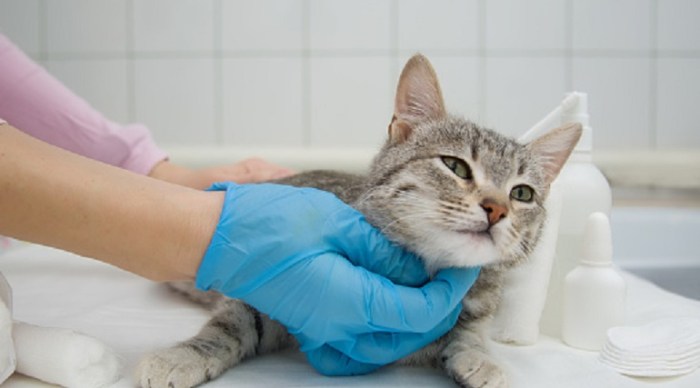
Source: worldanimalfoundation.org
After the surgery, diligent post-operative care is essential for a smooth recovery. This includes administering pain medication as prescribed, monitoring for complications like infection or bleeding, and restricting your cat’s activity to prevent incision strain.Common post-operative medications and their average costs:* Pain Medication (Buprenorphine): $15 – $30 (for a short course)
Antibiotics (if prescribed)
$10 – $25Potential complications, though rare, can arise. Infection, bleeding, and seromas (fluid accumulation under the skin) are the most common concerns.
| Potential Complication | Estimated Cost of Treatment |
|---|---|
| Infection | $50 – $200 (antibiotics, vet visits) |
| Bleeding | $30 – $150 (monitoring, potential bandage changes) |
| Seroma | $20 – $100 (monitoring, potential aspiration) |
Payment Options and Financial Assistance
Most veterinary clinics accept cash, credit cards, and sometimes offer payment plans. Exploring these options can make the cost more manageable.Numerous animal welfare organizations offer financial assistance programs to help pet owners cover the cost of surgeries like neutering. These programs often have eligibility requirements based on income and residency.Here’s a list of organizations to explore:* The ASPCA: [https://www.aspca.org/pet-care/financial-assistance](https://www.aspca.org/pet-care/financial-assistance)
The Humane Society of the United States
[https://www.humanesociety.org/resources/financial-assistance-pet-care](https://www.humanesociety.org/resources/financial-assistance-pet-care)
Local Animal Shelters and Rescue Groups
Many local organizations offer grants or low-cost services.
Low-Cost Spay/Neuter Clinics: What to Expect
Low-cost spay/neuter clinics operate on a non-profit or subsidized model, allowing them to offer significantly reduced prices. They often rely on volunteer staff and streamlined processes to minimize overhead. While service levels may be less extensive than at a private practice, the surgical quality is generally comparable.
Low-cost spay/neuter clinics provide a vital service by making sterilization accessible to a wider range of pet owners. While they may offer a more basic experience, the core surgical procedure is typically performed to a high standard, and the cost savings can be substantial. However, be prepared for potential wait times and limited follow-up care.
Breed-Specific Considerations
Certain cat breeds may incur higher neutering costs due to their size or predisposition to specific health complications. For example, Maine Coons, with their large size, require more anesthetic and longer surgical times. Persians, known for their brachycephalic (short-nosed) faces, may require specialized anesthesia protocols to ensure their safety.
| Breed | Average Cost | Reason for Variation |
|---|---|---|
| Maine Coon | $250 – $450+ | Large size, requiring more anesthetic and longer surgery. |
| Persian | $220 – $400+ | Brachycephalic anatomy, requiring specialized anesthesia. |
| Ragdoll | $200 – $380 | Large size and potential for heart conditions. |
Package Deals and Added Services
Many veterinary clinics offer “package deals” that bundle neutering with other essential services, such as vaccinations, microchipping, and initial check-ups. These packages can offer significant cost savings compared to purchasing each service separately.Here’s a comparison:
| Service | Standalone Cost | Package Cost | Savings |
|---|---|---|---|
| Neutering | $150 – $300 | $200 – $400 (with vaccinations & microchip) | $50 – $100 |
| Microchipping | $40 – $60 | Included in package | $40 – $60 |
| Vaccinations (FVRCP & Rabies) | $45 – $90 | Included in package | $45 – $90 |
Adding services like microchipping and dental cleaning during the procedure can be convenient and cost-effective, as it minimizes the need for additional anesthesia and handling.
Wrap-Up
Ultimately, the cost of neutering a cat can vary significantly, but it’s an investment in your pet’s health and well-being. From the initial surgical procedure to post-operative care and potential complications, being prepared for the financial aspects is key. By understanding the factors that influence pricing and exploring available financial assistance programs, you can confidently make the decision to neuter your cat and enjoy a long, healthy, and happy life together.
Don’t hesitate to shop around, ask questions, and prioritize your cat’s health above all else!
FAQ Resource
What’s the average cost of neutering a cat?
Generally, you can expect to pay between $50 and $200, but this is just a broad range. It really depends on location and clinic type.
Do low-cost clinics offer lower quality care?
Not necessarily! Low-cost clinics often have experienced vets and technicians, but they operate with streamlined processes and volunteer support to keep costs down.
What vaccinations are typically recommended before neutering?
FVRCP (feline viral rhinotracheitis, calicivirus, and panleukopenia) is usually recommended, and rabies is often required by law.
What does pre-operative fasting involve?
Typically, your cat will need to fast for 8-12 hours before the procedure to ensure their stomach is empty and minimize anesthetic risks.
What are some signs of post-operative complications?
Look out for excessive bleeding, swelling, redness, discharge from the incision, loss of appetite, or lethargy. Contact your vet immediately if you notice any of these.
Can I get financial assistance for neutering my cat?
Yes! Many animal welfare organizations and local shelters offer financial aid programs. Research options in your area.
Do male cats feel pain during neutering?
While they are under anesthesia, they don’t feel pain during the procedure. Post-operatively, pain medication is typically administered to keep them comfortable.
How long does a cat stay at the clinic for neutering?
Most cats can go home the same day, usually after a few hours of monitoring following the surgery.
Is there a difference in cost between neutering an indoor vs. an outdoor cat?
Generally, no. The procedure itself is the same regardless of the cat’s lifestyle.

