So, you’re curious about Bombay cat price? These sleek, panther-like felines are undeniably captivating, and bringing one home is a big decision, both emotionally and financially. Bombay cats, with their glossy black coats and striking copper eyes, are more than just beautiful; they’re known for their affectionate and playful personalities, often described as “velcro cats” due to their love of being near their humans.
But what exactly contributes to their price tag? Let’s dive into everything you need to know, from breeder reputation to potential health costs, to help you make an informed choice.
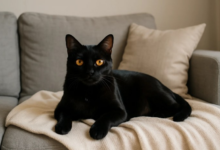
The Bombay breed itself is relatively young, intentionally created in the 1950s by Nikki Horner in the United States. Horner’s goal was to breed a cat that resembled a miniature black panther, combining the elegance of Burmese cats with the American Shorthair. This deliberate breeding process, combined with the breed’s popularity and specific care requirements, all play a role in determining the final cost of a Bombay cat.
Introduction to Bombay Cats
The Bombay cat, often affectionately nicknamed the “mini panther,” is a striking breed known for its sleek, jet-black coat and captivating golden eyes. They’re more than just beautiful; they possess a charming personality that makes them wonderful companions. This article will delve into everything you need to know about Bombay cats, including their history, characteristics, and, of course, the factors that influence their price.
Bombay cats are instantly recognizable due to their unique appearance. Their short, dense coat lies close to the body, giving them a velvety texture. The ideal Bombay has a coat so dark it appears almost blue-black in certain lighting. Eye color is a key characteristic; they should be a vivid, copper or gold. While variations can occur, the most desirable and sought-after eye color is a bright, intense gold.
Adult Bombay cats typically range in size from 6 to 12 pounds, with males generally being larger than females. They have a muscular build and a medium-sized frame, contributing to their panther-like appearance. Their head is round with a slightly flattened face, and their ears are medium-sized and set wide apart.
Beyond their looks, Bombay cats are known for their affectionate and playful nature. They are often described as being “dog-like” in their loyalty and willingness to bond closely with their owners. They enjoy being involved in family activities and are often found following their humans around the house. While generally quiet, they can be vocal when they want attention, often using soft chirps and trills.
They aren’t typically independent cats; they thrive on interaction and can become lonely if left alone for extended periods. For example, a Bombay might greet you at the door with a head-butt and a purr, or they might actively participate in playtime with toys, demonstrating their playful and engaging personality.
The History of the Bombay Cat Breed
The Bombay cat breed is a relatively recent creation, born from the vision of Nikki Horner, a breeder in Louisville, Kentucky. In the 1950s, Horner aimed to create a cat that resembled a miniature black panther. Her goal was to combine the desirable traits of the Burmese and American Shorthair breeds to achieve this striking appearance. The initial breeding attempts were challenging, and it took several years and multiple crosses before the first Bombay kittens were born.
Horner carefully selected breeding pairs, focusing on achieving the desired black coat and copper eye color. The first Bombay cat was officially recognized by the Cat Fanciers’ Association (CFA) in 1970, marking a significant milestone in the breed’s development. Breeders like Jane Lilley and others continued to refine the breed, solidifying its characteristics and establishing its place in the feline world.
Factors Influencing Bombay Cat Price
The price of a Bombay cat can vary significantly, and understanding the factors that contribute to this variation is crucial for potential buyers. Several elements play a role, from the breeder’s reputation to the kitten’s lineage and geographic location. Knowing these factors will help you make an informed decision and avoid potentially costly mistakes.
Breeder Reputation and Experience
The reputation and experience of the breeder are major determinants of price. Reputable breeders invest heavily in their cats’ health, socialization, and overall well-being. They typically conduct thorough health testing on their breeding cats, ensuring they are free from genetic diseases like Hypertrophic Cardiomyopathy (HCM). Experienced breeders also have a deep understanding of the breed standard and strive to produce kittens that closely adhere to it.
For example, breeders like “Black Sapphire Bombay Cats” in California are known for their commitment to health testing and producing high-quality kittens, and their prices reflect this dedication. Similarly, “Bombay Bliss Cattery” in New York is recognized for its ethical breeding practices and well-socialized kittens, commanding a premium price.
Geographic Location
Geographic location significantly impacts pricing. Areas with a higher cost of living generally have higher pet prices. For instance, Bombay cats on the East Coast (New York, Massachusetts) tend to be more expensive than those on the West Coast (California, Oregon) due to higher operational costs for breeders. The availability of breeders in a particular region also plays a role; areas with fewer breeders often see higher prices due to increased demand.
Transportation costs can also add to the final price if you’re purchasing a kitten from a distant breeder.
Lineage and Pedigree
A Bombay cat’s lineage and pedigree are critical factors in determining its price. Kittens with a documented pedigree, tracing back to champion bloodlines, are generally more expensive. A “show quality” Bombay is one that closely conforms to the breed standard and possesses the physical characteristics and temperament deemed desirable for showing in cat shows. These cats often have exceptional coats, eye color, and overall conformation.
Show quality kittens require significant investment from the breeder, including specialized breeding, socialization, and grooming, which is reflected in their higher price. A kitten with a less impressive pedigree, or one that doesn’t meet the show standard, will typically be priced lower.
Kitten Age
The age of the kitten influences the price. Kittens are generally more expensive than adult Bombay cats. This is because breeders invest more time and resources in raising kittens from birth, providing them with proper socialization and veterinary care. Adult Bombay cats, particularly those from rescues or shelters, are often available at a lower price, sometimes even less than the cost of initial vaccinations and vet checkups for a kitten.
However, adult cats may come with unknown health histories or behavioral quirks.
Price Ranges: A Detailed Breakdown
Understanding the potential price range for a Bombay cat is essential for budgeting. Prices can fluctuate based on various factors, as discussed previously. The following table provides a general overview of price ranges, but remember that these are estimates and can vary.
| Factor | Typical Price Range | High-End Price Range | Pet Quality | Show Quality |
|---|---|---|---|---|
| Pedigree | $800 – $1500 | $2000+ | $500 – $800 | $3000+ |
| Age (Kitten) | $1000 – $2000 | $2500+ | $600 – $1200 | $3500+ |
| Location (Mid-Range) | $1200 – $1800 | $2200+ | $700 – $1400 | $4000+ |
| Breeder Reputation | $1500 – $2500 | $3000+ | $800 – $1600 | $4500+ |
Beyond the initial purchase price, there are several associated costs to consider. Vaccinations typically cost between $75 and $200, depending on the number of shots and the veterinarian’s fees. Spaying or neutering can range from $100 to $300. Microchipping is usually an additional $40 to $60. An initial vet checkup, including a general health assessment, can cost $50 to $150.
These costs can quickly add up, so it’s important to factor them into your budget.
Adopting a Bombay cat from a rescue organization or shelter is a more affordable option. Adoption fees typically range from $75 to $250, and often include initial vaccinations and spaying/neutering. While finding a purebred Bombay in a shelter is less common, it’s certainly possible, and it provides a loving home for a cat in need.
Breeder Costs and What They Include
Purchasing a Bombay kitten from a responsible breeder comes with a price tag that reflects the breeder’s investment in the cat’s health, well-being, and future. Potential buyers should expect to pay a premium for a kitten from a breeder who prioritizes ethical practices and high-quality breeding.
Responsible breeders incur significant costs beyond just feeding and housing their cats. Health testing, such as HCM screening (a cardiac ultrasound to detect hypertrophic cardiomyopathy), is crucial and can cost several hundred dollars per cat. High-quality food, veterinary care (including routine checkups and emergency treatments), socialization (early exposure to various stimuli and people), and showing expenses (entry fees, travel, grooming) all contribute to the overall cost.
These expenses are factored into the price of the kittens.
Checklist for Evaluating a Breeder
- Health Testing: Does the breeder provide proof of HCM screening and other relevant health tests for their breeding cats?
- Environment: Are the cats housed in a clean, spacious, and stimulating environment?
- Socialization: Are the kittens well-socialized and handled from a young age?
- Knowledge: Is the breeder knowledgeable about the Bombay breed and willing to answer your questions?
- Contract: Does the breeder provide a written contract outlining health guarantees and return policies?
- References: Can the breeder provide references from previous buyers?
Comparing Bombay Cats to Similar Breeds
The Bombay cat’s striking appearance often leads people to compare it to other breeds with similar looks. Understanding the differences in price and temperament between these breeds can help you make the right choice for your lifestyle.
Bombay vs. Panthera
The Panthera breed is a newer breed specifically bred to resemble a miniature black panther even more closely than the Bombay. Pantheras often have a slightly more wedge-shaped head and a longer body. Due to their relative rarity, Panthera cats typically command a higher price than Bombay cats, often ranging from $2500 to $5000 or more. Temperamentally, both breeds are affectionate and playful, but Pantheras are sometimes described as being slightly more independent.
Bombay vs. Burmese

Source: bestforpets.in
The Burmese is an older breed that was used in the creation of the Bombay. Burmese cats are generally more muscular and have a slightly different head shape. While Burmese cats can be black, their coats are not as intensely black as those of Bombay cats. Burmese cats are known for their outgoing and inquisitive personalities. The price of a Burmese cat typically ranges from $800 to $2000, making them generally less expensive than Bombay cats from reputable breeders.
| Breed | Price Range | Personality | Grooming Needs | Health Concerns | Average Lifespan |
|---|---|---|---|---|---|
| Bombay | $1000 – $3000+ | Affectionate, playful, loyal | Low | HCM, cranial deformities | 12-16 years |
| Panthera | $2500 – $5000+ | Affectionate, playful, slightly independent | Low | HCM, potential for breed-specific issues | 12-16 years |
| Burmese | $800 – $2000 | Outgoing, inquisitive, affectionate | Low | Glaucoma, craniofacial abnormalities | 13-17 years |
Health Considerations and Potential Costs
Like all breeds, Bombay cats are predisposed to certain health issues. Being aware of these potential problems and the associated costs is crucial for responsible ownership.
Hypertrophic Cardiomyopathy (HCM) is a common heart condition in Bombay cats. Regular cardiac screenings, such as echocardiograms, can help detect HCM early. Treatment may involve medication and dietary changes, with costs ranging from $500 to $2000 per year, depending on the severity of the condition. Cranial deformities, though rare, can also occur in Bombay cats. These deformities can affect the skull and facial structure, requiring specialized veterinary care and potentially surgery, with costs potentially exceeding $5000.
Preventative healthcare measures can help minimize health risks and associated costs. Regular veterinary checkups, vaccinations, and parasite prevention are essential. Feeding a high-quality diet and providing plenty of exercise can also contribute to overall health and well-being. Consider a dental cleaning annually to prevent periodontal disease, which can lead to more serious health problems.
Finding a Bombay Cat: Different Avenues
Deciding where to acquire a Bombay cat is a significant decision. Both purchasing from a breeder and adopting from a rescue organization have their advantages and disadvantages.
Purchasing from a reputable breeder allows you to obtain a kitten with a known lineage and health history. However, it typically comes at a higher cost. Adopting from a rescue organization or shelter is a more affordable option and provides a loving home for a cat in need. However, the cat’s history may be unknown, and there’s a lower chance of finding a purebred Bombay.
Reputable Bombay cat breeders include “Midnight Bombay Cattery” (Midwest, known for their focus on temperament) and “Shadowfax Bombay Cats” (Southeast, recognized for their show-quality kittens). “Emerald Bombay Persians” (West Coast) also breeds Bombay cats alongside Persians, maintaining high breeding standards. These breeders prioritize health testing, socialization, and ethical breeding practices.
When searching for a Bombay cat online, be wary of potential scams. Avoid breeders who ask for upfront payments without allowing you to visit their cattery or meet the kitten’s parents. Be cautious of breeders who offer kittens at significantly lower prices than the average market rate. Always verify the breeder’s credentials and ask for references.
Ongoing Costs of Bombay Cat Ownership
The initial purchase price of a Bombay cat is just the beginning. Owning any pet involves ongoing expenses, and understanding these costs is essential for responsible pet ownership.
Recurring expenses include food (high-quality cat food can cost $30-$50 per month), litter ($20-$40 per month), toys ($10-$20 per month), grooming supplies ($5-$15 per month), and regular vet checkups ($100-$300 per year). Unexpected veterinary expenses can also arise, so it’s important to have a financial cushion.
Monthly & Annual Budget Template for Bombay Cat Owners
- Food: $30 – $50
- Litter: $20 – $40
- Toys: $10 – $20
- Grooming Supplies: $5 – $15
- Vet Checkups: $100 – $300 (Annual)
- Pet Insurance: $20 – $50 (Monthly)
- Unexpected Vet Bills: $100+ (Emergency Fund)
- Total Monthly Estimated: $185 – $425+
- Total Annual Estimated: $2260 – $5100+
Pet insurance can help offset the cost of unexpected veterinary bills. Different coverage options are available, ranging from basic accident and illness coverage to comprehensive plans that include routine care. Research different providers and compare policies to find the best fit for your needs and budget.
Show Quality vs. Pet Quality Bombay Cats
Not all Bombay cats are created equal. There’s a distinction between “show quality” and “pet quality” cats, based on their adherence to the breed standard and their overall conformation.
Show quality Bombay cats possess exceptional physical characteristics, including a perfectly black coat, vivid copper eyes, and a well-proportioned body. Their temperament is also crucial; they must be confident, friendly, and well-socialized. Owning a show quality Bombay cat involves additional costs, including specialized grooming ($50-$100 per grooming session), showing fees ($50-$200 per show), and specialized training to prepare them for the show ring.
The commitment required to successfully show a Bombay cat is significant. It involves attending cat shows, handling the cat, presenting them to the judges, and maintaining their health and appearance. It’s a time-consuming and often expensive hobby, but it can be incredibly rewarding for dedicated breeders and enthusiasts.
Regional Price Variations: A Deeper Dive
Bombay cat prices can vary significantly depending on the region within the United States. While a general overview was provided earlier, a more granular breakdown reveals even greater price differences.
For example, in California, Bombay cats typically range from $1500 to $2800, reflecting the high cost of living and a competitive market. In Florida, prices tend to be slightly lower, ranging from $1200 to $2200. In the Midwest (Illinois, Indiana), prices are often in the $1000 to $2000 range. These regional variations are influenced by factors such as the cost of living, breeder density, and local demand.
Transportation costs can also impact the overall price. If you’re purchasing a kitten from a breeder located far from your home, you’ll need to factor in the cost of transporting the kitten, which can range from $100 to $500, depending on the distance and mode of transportation. Some breeders may offer to ship the kitten via a reputable pet transport service, which can add to the overall cost.
Last Word
Ultimately, the Bombay cat price isn’t just about the initial purchase. It’s an investment in a loving companion and a commitment to their ongoing care. From vaccinations and quality food to potential vet bills and the joy of their playful antics, owning a Bombay is a rewarding experience. By understanding the factors that influence their price and being prepared for the associated costs, you can ensure a happy and healthy life for your new feline friend – and a fulfilling experience for yourself!
Whether you choose to adopt or purchase from a reputable breeder, remember to prioritize the cat’s well-being. Doing your research and being prepared will lead to a wonderful bond with your Bombay and a lifetime of purrs and cuddles.
Question Bank
Why are Bombay cats so expensive?
Several factors contribute, including breeder reputation, pedigree, health testing, and the breed’s relatively low numbers compared to more common breeds. Responsible breeders invest significantly in their cats’ health and well-being.
Can I find a Bombay cat at a shelter?
It’s rare, but possible! Bombay cats do occasionally end up in shelters or rescue organizations. Adoption fees are typically much lower than purchasing from a breeder.
What’s the difference between “pet quality” and “show quality”?
Show quality cats meet specific breed standards for appearance and temperament, making them suitable for cat shows. Pet quality cats are still wonderful companions but may have minor imperfections that don’t meet show standards.
What health issues should I be aware of in Bombay cats?
Hypertrophic cardiomyopathy (HCM) is a common concern. Cranial deformities can also occur, so it’s crucial to choose a breeder who screens for these conditions.
How much does it cost to feed a Bombay cat?
Expect to spend around $30-$60 per month on high-quality cat food, depending on the brand and amount your cat consumes.
Do Bombay cats need a lot of grooming?
No, their short, sleek coat requires minimal grooming – a weekly brushing is usually sufficient.
What is HCM screening and why is it important?
HCM screening involves echocardiograms to detect signs of hypertrophic cardiomyopathy, a heart condition. Responsible breeders screen their cats to reduce the risk of passing it on to kittens.

