There’s something undeniably endearing about a cat with floppy ears – a certain softness and vulnerability that melts hearts. This guide dives deep into the world of these uniquely charming felines, exploring the breeds that boast this adorable trait, the science behind their ear shape, and the health and care considerations that come with owning one. We’ll uncover everything from the genetic quirks of Scottish Folds to the playful personalities of American Curls, and why these cats hold such a special place in our affections.
Beyond the cuteness factor, understanding the anatomy and potential health concerns related to floppy ears is crucial for responsible cat ownership. We’ll break down the intricacies of feline ear structure, discuss potential issues like ear infections and chondrodysplasia, and provide practical tips for keeping your floppy-eared friend happy and healthy. Get ready to learn all about these captivating companions!
The Allure of Cats with Floppy Ears: A Comprehensive Guide
There’s something undeniably charming about a cat with ears that droop or fold. It’s a look that evokes feelings of softness, gentleness, and a certain endearing vulnerability. But beyond the cuteness factor, floppy ears are often the result of unique genetic mutations and breed-specific characteristics. This guide delves into the world of these captivating felines, exploring their breeds, anatomy, health considerations, care requirements, and the cultural significance that makes them so beloved.
We’ll unpack the science behind their distinctive ears, discuss the potential health challenges they face, and offer practical advice for ensuring these special cats live happy, healthy lives. Whether you’re a proud owner of a floppy-eared companion or simply curious about these unique breeds, this article will provide you with a wealth of information.
Breeds Commonly Associated with Floppy Ears
Several cat breeds are known for their distinctive floppy or folded ears. These aren’t simply a matter of aesthetics; they’re often tied to specific genetic mutations that affect cartilage development. Understanding these breeds and the underlying genetics is key to appreciating the unique characteristics of these cats.
The Scottish Fold: A Genetic Mutation’s Legacy
The Scottish Fold is arguably the most recognizable breed with floppy ears. Their defining feature is, of course, their folded ears, which give them an owl-like appearance. This trait is caused by a dominant gene mutation affecting cartilage throughout the body, not just in the ears. The mutation, initially discovered in a barn cat named Susie in Scotland in 1961, leads to incomplete cartilage development.
The degree of ear folding varies greatly – some cats have a single fold, while others have a tighter, more pronounced fold. It’s crucial to understand that this mutation isn’t limited to the ears; it can also affect the tail and other joints, potentially leading to arthritis and other health problems. Responsible breeders are increasingly cautious about breeding Scottish Folds to minimize these risks.
The American Curl: A Progressive Ear Transformation
Unlike the Scottish Fold, the American Curl’s ear shape develops over time. The breed originated in California in 1981 when a stray longhaired cat gave birth to kittens, one of whom had ears that curled backward. This trait wasn’t present in the parents, suggesting a spontaneous genetic mutation. The curl progressively develops from kittenhood, typically becoming noticeable around 10-14 days old.
The degree of curl can vary, with some cats having a gentle curve and others a more dramatic bend. The gene responsible for the curl is autosomal dominant, meaning only one copy is needed for the trait to be expressed. Interestingly, the cartilage in American Curl ears remains flexible throughout the cat’s life, unlike the stiffer cartilage seen in some other breeds.
The Highlander Cat: A Blend of Breeds with Ear Variations
The Highlander is a relatively new breed, developed by crossing Scottish Folds and American Curls. The goal was to create a cat with the folded ear appearance of the Scottish Fold but with a lower incidence of cartilage-related health problems. Highlanders exhibit variations in ear set and flexibility, reflecting their mixed heritage. Some have tightly folded ears, while others have a more relaxed, slightly curved appearance.
Breeders strive for a moderate ear fold and prioritize overall health and temperament. The Highlander’s long, flowing coat and gentle personality further contribute to their appeal.
Other Breeds with Floppy or Folded Ears
While Scottish Folds, American Curls, and Highlanders are the most well-known, other breeds occasionally exhibit floppy or folded ears. These occurrences are often due to spontaneous mutations or recessive genes. Breeds like Persians and Exotics can sometimes have ears that droop slightly, particularly when they are young. Similarly, some British Shorthairs may have a softer ear set. The causes can range from genetic anomalies to environmental factors during development.
Breed Comparison Table
| Breed Name | Ear Description | Origin | Temperament |
|---|---|---|---|
| Scottish Fold | Folded ears, varying degrees of tightness | Scotland | Sweet, gentle, playful |
| American Curl | Ears curl backward, progressively developing from kittenhood | United States | Affectionate, curious, adaptable |
| Highlander | Variations in ear set and flexibility, moderate fold | United States | Gentle, intelligent, social |
| Persian | Sometimes droopy ears, especially in kittens | Iran | Calm, docile, affectionate |
| Exotic Shorthair | Similar to Persian, occasionally droopy ears | United States | Sweet, playful, affectionate |
| British Shorthair | Soft ear set, sometimes slightly drooping | United Kingdom | Easygoing, affectionate, independent |
Anatomy and Physiology of Feline Ears
Understanding the anatomy of a cat’s ear is crucial for appreciating how floppy ears differ and how they impact a cat’s ability to hear. While all cats possess remarkable hearing abilities, the shape and flexibility of their ears play a significant role in sound localization and communication.
The Structure of a Cat’s Ear
A cat’s ear, or pinna, is composed of several key components. The pinna is the visible, external part of the ear, made up of cartilage and skin. Inside the pinna is the ear canal, a narrow passage leading to the eardrum, or tympanic membrane. The eardrum vibrates in response to sound waves, transmitting these vibrations to the middle and inner ear, where they are processed into signals the brain can interpret.
Cartilage and Ear Shape
Cartilage is a flexible connective tissue that provides support and shape to the pinna. In cats with erect ears, the cartilage is firm and rigid, allowing the ears to stand upright. In breeds with floppy ears, the cartilage is less rigid, resulting in a drooping or folded appearance. The genetic mutations responsible for floppy ears directly affect the development and composition of this cartilage.
Function of Feline Ears
Cats have exceptional hearing abilities, thanks to the unique structure of their ears. Their ears can rotate independently, allowing them to pinpoint the source of a sound with remarkable accuracy. This is vital for hunting prey and detecting potential threats. Cats also use their ears to communicate, expressing emotions through subtle movements and postures. A flattened ear can indicate fear or submission, while an upright, forward-facing ear signals alertness and interest.
Comparing Ear Anatomy
Cats with floppy ears have a pinna with more flexible cartilage, allowing it to droop or fold. The ear canal may also be slightly different in length or shape compared to cats with erect ears. While the fundamental function of hearing remains the same, the altered ear shape can subtly affect sound localization and the range of frequencies a cat can detect.
However, studies suggest that cats with floppy ears generally have hearing abilities comparable to those with erect ears.
Diagram of the Cat’s Ear
Imagine a detailed illustration. The outer ear (pinna) is clearly visible, showcasing its curved shape. Inside, the ear canal leads to the eardrum (tympanic membrane). Labels clearly identify each part: “Pinna,” “Ear Canal,” “Eardrum,” and “Cartilage.” Arrows indicate the path of sound waves entering the ear.
Health Considerations Related to Ear Shape
While floppy ears are undeniably endearing, they can also present certain health challenges. The unique anatomy of these ears can create an environment conducive to ear infections and other problems. Understanding these risks and taking preventative measures is essential for ensuring the well-being of your floppy-eared feline.
Increased Susceptibility to Ear Infections
The shape of floppy ears can create a warmer, more humid environment within the ear canal. This warmth and moisture can promote the growth of bacteria and yeast, leading to ear infections. The folded ear structure can also obstruct airflow, further contributing to this problem. Regular ear cleaning is particularly important for cats with floppy ears to prevent these infections.
The Importance of Regular Ear Cleaning
Regular ear cleaning helps remove excess wax, debris, and moisture from the ear canal, reducing the risk of infection. Use a veterinarian-approved ear cleaning solution and gently wipe the ear canal with a cotton ball. Avoid inserting cotton swabs deep into the ear, as this can push debris further in and potentially damage the eardrum.
Chondrodysplasia and Ear Health
Breeds like the Scottish Fold are predisposed to chondrodysplasia, a cartilage disorder that affects the entire body. This condition can exacerbate ear problems, making cats more susceptible to infections and arthritis in the ear joints. Responsible breeders are working to minimize the incidence of chondrodysplasia through careful breeding practices.
Signs of Ear Discomfort or Infection
Be vigilant for signs of ear discomfort or infection, such as head shaking, scratching at the ears, excessive ear cleaning, redness or swelling of the ear canal, and discharge from the ear. If you notice any of these signs, consult a veterinarian promptly.
Preventative Measures for Ear Health
- Clean your cat’s ears regularly, as recommended by your veterinarian.
- Dry your cat’s ears thoroughly after bathing or swimming.
- Monitor your cat’s ears for any signs of redness, swelling, or discharge.
- Avoid inserting cotton swabs deep into the ear canal.
- Schedule regular veterinary checkups to monitor ear health.
Caring for a Cat with Floppy Ears: Grooming and Handling
Caring for a cat with floppy ears requires a gentle and attentive approach. Their unique ear shape necessitates special handling techniques and grooming practices to ensure their comfort and well-being.
Gentle Ear Cleaning Techniques
To gently clean your cat’s ears, use a veterinarian-approved ear cleaning solution. Warm the solution slightly by holding the bottle in your hands. Gently lift the ear flap and apply a few drops of the solution into the ear canal. Massage the base of the ear for about 30 seconds to help loosen debris. Allow your cat to shake its head, then gently wipe away any excess solution and debris with a cotton ball.
Never force the cleaning process if your cat resists.
Proper Handling Techniques
When handling a cat with floppy ears, be mindful of their delicate cartilage. Avoid pulling or tugging on their ears. Support their head and neck gently when picking them up. If your cat is particularly sensitive, consider using a soft towel to provide extra support and comfort.
The Importance of Veterinary Checkups
Regular veterinary checkups are crucial for monitoring ear health and detecting any potential problems early on. Your veterinarian can examine your cat’s ears, clean them if necessary, and provide personalized advice on ear care.
Identifying and Addressing Skin Issues
The skin around a cat’s ears can be prone to dryness, irritation, and allergies. Look for signs of redness, itching, or flaking. Consult your veterinarian if you notice any skin problems, as they may recommend a special shampoo or topical treatment.
Step-by-Step Guide to Safe Ear Examination
- Gather your supplies: a bright light, a cotton ball, and a veterinarian-approved ear cleaning solution (if needed).
- Gently restrain your cat in a comfortable position.
- Carefully examine the outer ear (pinna) for any signs of redness, swelling, or discharge.
- Gently lift the ear flap and inspect the ear canal. Use a light to get a better view.
- If necessary, gently clean the ear canal as described above.
- If you notice any abnormalities, consult your veterinarian.
Visual Representations: Describing “Cat with Floppy Ears”
The visual appeal of cats with floppy ears is undeniable. Their unique ear shape lends itself to captivating imagery, evoking feelings of softness, charm, and playfulness. Here, we’ll explore various visual depictions of these endearing felines.
A Playful Scottish Fold Kitten
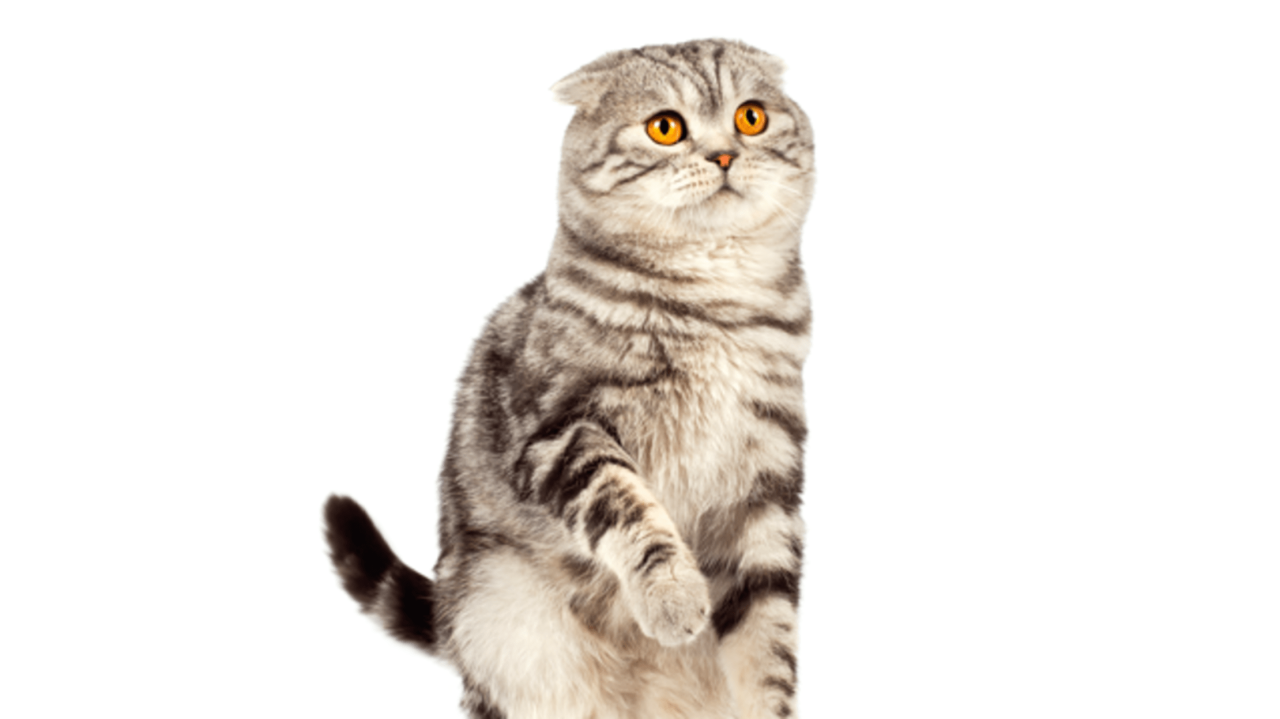
Source: minutemediacdn.com
Imagine a scene of a Scottish Fold kitten playfully batting at a brightly colored toy mouse. The kitten’s large, round eyes are filled with mischief, and its soft, droopy ears frame its face in a charming way. The ears, folded forward, add to its irresistibly cute appearance. The kitten’s fur is plush and fluffy, inviting a gentle touch.
An American Curl Basking in Sunlight
Picture a portrait of an American Curl cat basking in warm sunlight. The cat is lying on a windowsill, its eyes half-closed in contentment. The unique curl of its ears is prominently displayed, creating a striking silhouette against the bright background. The sunlight highlights the texture of its fur, emphasizing its luxurious appearance.
A Highlander Cat Observing its Surroundings
Envision a photograph of a Highlander cat calmly observing its surroundings. The cat is perched on a high shelf, its gaze fixed on something outside the window. The subtle variations in its ear position – some slightly folded, others gently curved – reflect its relaxed and contemplative mood.
A Digital Painting of a Sleeping Cat
Imagine a digital painting depicting a cat with floppy ears curled up asleep on a cozy blanket. The cat’s posture is relaxed and comfortable, and its ears are gently folded against its head. The artist has used soft, muted colors to create a sense of tranquility and warmth. The overall impression is one of peace and contentment.
An Animated Character Concept
Consider a visual concept for an animated character featuring a cat with floppy ears. The character has large, expressive eyes and a playful grin. Its ears are exaggeratedly floppy, adding to its whimsical charm. The overall design is simple and appealing, making it instantly recognizable and relatable.
The Appeal of Floppy-Eared Cats: Cultural and Emotional Significance
Cats with floppy ears hold a special place in our hearts. Their unique appearance evokes feelings of tenderness, affection, and a certain childlike innocence. But what is it about these cats that makes them so endearing?
Why Floppy Ears are Perceived as Cute
The droopiness of floppy ears is often associated with vulnerability and helplessness, triggering our innate desire to nurture and protect. Their appearance can also be perceived as softer and more approachable than the upright ears of other cat breeds. This combination of factors contributes to their widespread appeal.
Anecdotes and Stories
Many cat owners share stories of the unique bond they have with their floppy-eared companions. They describe their cats as being particularly affectionate, gentle, and intuitive. These personal anecdotes highlight the emotional connection that people form with these special felines.
Role in Popular Culture
Cats with floppy ears have made appearances in various forms of media and art, further solidifying their place in popular culture. From animated characters to illustrations and photographs, these cats continue to capture our imaginations and hearts.
Emotional Responses
Cats with floppy ears often evoke feelings of joy, comfort, and relaxation. Their presence can be a source of stress relief and companionship. Their unique appearance and gentle demeanor make them cherished members of countless families.
“My Scottish Fold, Pip, is the sweetest cat I’ve ever known. His floppy ears just melt my heart, and he always knows how to make me smile, even on the toughest days.”
Sarah M., Cat Owner
Breeding and Genetics of Floppy-Eared Traits
The floppy ears we admire in certain cat breeds aren’t random occurrences; they’re the result of specific genetic mutations passed down through generations. Understanding the underlying genetics is crucial for responsible breeding practices and predicting ear shape in kittens.
Genetic Principles
The development of floppy ears is primarily governed by dominant and recessive genes. In the Scottish Fold, the folded ear trait is caused by a dominant gene mutation affecting cartilage development. This means that a kitten only needs one copy of the gene to exhibit folded ears. In contrast, the American Curl’s ear curl is also caused by a dominant gene, but the expression of the trait develops progressively over time.
Inheritance Patterns
The inheritance patterns of ear shape traits can be complex. In some cases, a single gene is responsible for the trait, while in others, multiple genes may interact to influence ear shape. Understanding these patterns is essential for breeders who want to produce kittens with predictable ear characteristics.
Ethical Considerations
Breeding practices that prioritize floppy ears without considering the overall health and well-being of the cats are ethically questionable. The chondrodysplasia associated with the Scottish Fold gene is a serious concern, and responsible breeders should prioritize health testing and avoid breeding cats with the condition.
Genetic Testing
Genetic testing is becoming increasingly available to predict ear shape in kittens. These tests can identify the presence of genes associated with folded or curled ears, allowing breeders and owners to make informed decisions.
| Trait | Gene(s) Involved | Inheritance Pattern |
|---|---|---|
| Scottish Fold Ears | Fd (Fold gene) | Dominant |
| American Curl Ears | Cu (Curl gene) | Dominant |
| Persian Droopy Ears | Multiple genes influencing cartilage development | Polygenic (complex inheritance) |
| British Shorthair Soft Ear Set | Likely multiple genes | Polygenic |
Comparing Floppy-Eared Cats to Other Cat Types
While cats with floppy ears possess unique characteristics, they share similarities with other popular breeds. Comparing their behavior, grooming needs, and activity levels provides a broader understanding of feline diversity.
Scottish Folds vs. Siamese Cats
Scottish Folds are known for their gentle and laid-back personalities, while Siamese cats are typically more vocal and energetic. Scottish Folds tend to be more independent, while Siamese cats are often highly attached to their owners. Grooming needs are similar for both breeds, requiring regular brushing to prevent matting.
American Curls vs. Persian Cats
American Curls are generally more active and playful than Persian cats, who are known for their calm and docile nature. American Curls require moderate grooming, while Persian cats require daily brushing and occasional professional grooming to maintain their long, luxurious coats.
Highlander Cats vs. Ragdoll Cats
Highlander cats are intelligent and social, while Ragdoll cats are known for their relaxed and affectionate personalities. Both breeds are relatively low-energy, but Highlanders may exhibit more playful bursts of activity. Grooming needs are similar for both breeds, requiring regular brushing to prevent matting.
Unique Challenges and Rewards
Owning a cat with floppy ears presents unique challenges, such as the increased risk of ear infections and the potential for chondrodysplasia. However, the rewards are equally significant. These cats are often incredibly affectionate, gentle, and endearing companions, bringing joy and comfort to their owners.
Venn Diagram
Imagine a Venn diagram. One circle represents “Cats with Floppy Ears” (Scottish Fold, American Curl, Highlander). The other circle represents “Other Popular Cat Breeds” (Siamese, Persian, Ragdoll). The overlapping area highlights shared characteristics: feline behavior, need for affection, grooming requirements, and susceptibility to certain health issues. The non-overlapping areas represent unique traits: floppy ear shape, specific genetic predispositions, and distinct personality quirks.
Outcome Summary
From the genetic mysteries behind their unique ear shape to the cultural significance they hold, cats with floppy ears offer a fascinating blend of science, charm, and companionship. Whether you’re a seasoned cat lover or considering welcoming one of these special felines into your home, this guide provides a comprehensive overview of everything you need to know. Ultimately, these cats remind us that sometimes, the most endearing qualities are found in the unexpected – like a pair of wonderfully floppy ears.
So, embrace the charm, understand the needs, and prepare to be captivated by the delightful world of the cat with floppy ears!
FAQ
Why do some cats have floppy ears?
Floppy ears are usually due to a genetic mutation affecting cartilage development. Different breeds have different genetic causes and degrees of ear folding or curling.
Are floppy-eared cats healthier than cats with erect ears?
Not necessarily. While adorable, floppy ears can sometimes make cats more prone to ear infections due to reduced airflow. Regular cleaning and vet checkups are essential.
What is chondrodysplasia and how does it relate to floppy-eared cats?
Chondrodysplasia is a cartilage disorder often seen in breeds like Scottish Folds. It can affect ear cartilage and lead to skeletal abnormalities, impacting overall health.
How often should I clean my cat’s ears?
Generally, once a month is sufficient for healthy cats. However, cats with floppy ears may require more frequent cleaning to prevent infections. Always consult your vet for specific recommendations.
Can I breed cats with floppy ears? Is it ethical?
Breeding practices that prioritize floppy ears, especially in breeds prone to health issues like chondrodysplasia, raise ethical concerns. Responsible breeders prioritize health and temperament over appearance.
What are some signs my cat’s ears are infected?
Signs include head shaking, scratching at the ears, redness or swelling, discharge, and a foul odor.

