It’s not something you hear about every day, but cats can be born with Down syndrome, a genetic condition also known as Trisomy 21. While it’s more commonly associated with humans, understanding how it manifests in our feline friends is crucial for providing them with the best possible care. This condition presents unique challenges and joys, and this guide aims to shed light on everything from the genetic basis to environmental enrichment, ensuring these special cats live happy and fulfilling lives.
Down syndrome in cats isn’t fully understood, but we’re learning more about its prevalence, physical characteristics, behavioral traits, and potential health concerns. It’s important to remember that each cat experiences the condition differently, and responsible ownership involves a commitment to specialized care and ongoing support. Let’s explore what it means to care for a cat with Down syndrome and how we can best support their well-being.
Understanding Down Syndrome in Cats
Down syndrome, or more accurately, Trisomy 21 in felines, is a genetic condition that presents unique challenges and joys for both the cats affected and their human companions. While the term “Down syndrome” is commonly associated with humans, the underlying genetic mechanism in cats is similar, yet with some crucial differences. This article aims to provide a comprehensive overview of Down syndrome in cats, covering everything from the genetics to the ethical considerations surrounding its presence.
It’s a complex topic, but understanding it better allows us to provide the best possible care and support for these special cats.
The Genetic Basis of Down Syndrome in Felines
The genetic basis of Down syndrome in cats, like in humans, revolves around an extra copy of chromosome 21. In humans, this is often a full extra chromosome, while in cats, it can be a partial duplication or translocation of part of chromosome 21. This extra genetic material disrupts the normal developmental processes, leading to a range of physical and cognitive characteristics.
It’s important to note that feline Trisomy 21 isn’t as well-studied as its human counterpart, and the exact mechanisms and variations are still being researched. The inheritance patterns are also less clear, as spontaneous mutations are believed to be the primary cause, rather than inherited from parents.
Prevalence and Breed Predispositions
Determining the exact prevalence of Down syndrome in cats is difficult due to underdiagnosis and a lack of widespread screening. However, it’s considered a relatively rare condition. While it can occur in any breed, anecdotal evidence suggests a slightly higher prevalence in certain breeds, particularly those with a history of inbreeding or limited genetic diversity. Persian, Himalayan, and British Shorthair breeds have been mentioned in some discussions, but definitive data is lacking.
More research is needed to establish any concrete breed predispositions.
Variations in Severity
The severity of Down syndrome presentation varies significantly from cat to cat. Some cats may exhibit only mild physical differences and cognitive delays, while others may have more pronounced health problems and developmental challenges. This variation likely depends on the specific genetic abnormality (full or partial Trisomy 21) and the impact of the extra genetic material on different organ systems.
It’s a spectrum, and each cat experiences the condition uniquely.
Ethical Considerations in Breeding
The presence of Down syndrome in cats raises important ethical considerations regarding breeding practices. Intentionally breeding cats with known genetic predispositions to Trisomy 21 is unethical and irresponsible. Even unintentional breeding can result in kittens with the condition. Responsible breeders prioritize genetic health testing and avoid breeding cats with a family history of genetic abnormalities. The welfare of the cats should always be the primary concern, and breeding practices should aim to minimize the risk of producing cats with debilitating conditions.
Physical Characteristics & Appearance
Cats with Down syndrome often display a distinct set of physical characteristics, although the degree of these traits can vary considerably. Recognizing these features can be helpful in identifying a cat with the condition, but it’s crucial to remember that not all cats with Down syndrome will exhibit all of these traits. A veterinary diagnosis is essential for confirmation.
Common Physical Traits
Common physical traits observed in cats with Down syndrome include a flattened facial profile, a broad nose, a small mouth, and large, round eyes that may be slightly spaced apart. Their body structure may be stockier than average, and they might have a shorter tail. Coat characteristics are generally normal, although some cats may have a slightly coarser texture.
Table of Physical Features
| Feature | Typical Presentation | Variation | Potential Health Implications ||—|—|—|—|| Facial Profile | Flattened, broad | Can range from mildly flattened to significantly altered | Potential breathing difficulties due to altered airway structure || Nose | Broad, upturned | Size and shape can vary | May contribute to breathing issues || Mouth | Small, recessed | Can be more or less pronounced | Difficulty with grooming, potential dental problems || Eyes | Large, round, widely spaced | Eye spacing can vary | Increased risk of eye infections || Body Structure | Stocky, shorter limbs | Some cats may be more slender | Potential mobility issues || Tail | Shorter than average | Length can vary | Generally no direct health implications || Ears | Small, low-set | Size and placement can vary | Generally no direct health implications || Coat | Generally normal, sometimes coarser | Texture can vary | No direct health implications |
Dental Abnormalities
Dental abnormalities are common in cats with Down syndrome. Malocclusion (misalignment of teeth) is frequently observed, making it difficult for the cat to groom properly and increasing the risk of dental disease. Delayed tooth eruption is also a characteristic feature. Regular dental checkups and professional cleanings are essential for maintaining oral health.
Variation in Appearance
The appearance of a cat with Down syndrome can vary significantly. Factors contributing to this variation include the specific genetic abnormality (partial vs. full Trisomy 21), the cat’s overall health, and environmental influences. Some cats may have subtle physical differences, while others may have more pronounced features.
Behavioral Traits & Temperament
Understanding the behavioral traits and temperament of cats with Down syndrome is crucial for providing appropriate care and support. While generalizations can be made, it’s important to remember that each cat is an individual with its own unique personality.
Typical Behavioral Patterns
Cats with Down syndrome often exhibit behavioral patterns that differ from neurotypical feline behavior. They may be more docile and affectionate, with a strong desire for human interaction. They can be less independent and may seek constant reassurance and attention. Playfulness may be present, but often in a gentler, less energetic manner.
Interactions with Humans, Pets, and Environment
Source: cat-world.com
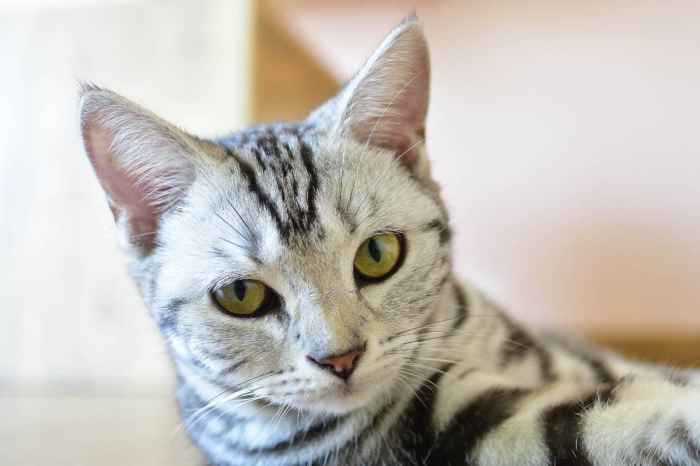
Cats with Down syndrome typically form strong bonds with their human caregivers and enjoy being petted and cuddled. They may be less reactive to unfamiliar people or situations. Interactions with other pets can vary; some cats may be more tolerant and accepting, while others may be more anxious or fearful. They often show a cautious approach to new environments and objects.
Challenges in Learning and Adapting
Learning and adapting to new situations can be challenging for cats with Down syndrome. They may require more time and patience to learn new routines or behaviors. Consistency and positive reinforcement are essential for successful training. Sensory sensitivities can also impact their ability to adapt to changes in their environment.
Comparison to Other Cognitive Differences
Compared to cats with other cognitive or developmental differences, such as feline cognitive dysfunction (FCD), cats with Down syndrome may exhibit a more consistent pattern of behavioral traits. FCD, often seen in older cats, is characterized by disorientation, changes in sleep-wake cycles, and increased anxiety, while Down syndrome presents with a more predictable set of physical and behavioral characteristics.
Health Concerns & Medical Management
Cats with Down syndrome are predisposed to a range of health problems, requiring vigilant monitoring and proactive medical management. Early detection and intervention are crucial for improving their quality of life.
Common Health Problems
Common health problems include congenital heart defects (such as septal defects), respiratory issues (due to airway abnormalities), and immune deficiencies, making them more susceptible to infections. They may also experience gastrointestinal problems and skeletal abnormalities.
Importance of Regular Veterinary Checkups
Regular veterinary checkups are paramount for cats with Down syndrome. These checkups should be more frequent than for typical cats, allowing for early detection and management of potential health problems. Preventative care, including vaccinations and parasite control, is also essential.
Diagnostic Tests
Veterinarians may utilize the following diagnostic tests to assess the health of a cat with Down syndrome:* Echocardiogram (to assess heart function)
- Radiographs (chest X-rays to evaluate respiratory health)
- Complete blood count (CBC) and serum chemistry panel (to assess organ function and immune status)
- Urinalysis (to evaluate kidney function)
- Genetic testing (to confirm Trisomy 21 and identify specific genetic abnormalities)
- Ophthalmological examination (to assess eye health)
Managing Chronic Health Conditions
Chronic health conditions can be managed through a combination of medication, lifestyle adjustments, and supportive care. For example, heart conditions may require medication to regulate heart rate and blood pressure, while respiratory issues may benefit from humidifiers or bronchodilators.
Nutritional Needs & Dietary Considerations
The metabolic needs of cats with Down syndrome may differ from those of typical cats, requiring careful attention to their nutritional intake.
Differences in Metabolic Needs
Cats with Down syndrome may have altered metabolic rates and digestive capabilities. They may be more prone to weight gain or, conversely, difficulty maintaining a healthy weight. Their ability to absorb nutrients may also be compromised.
Nutrient Recommendations
| Nutrient | Recommended Level | Rationale ||—|—|—|| Protein | Slightly higher than average | Supports tissue repair and immune function || Fat | Moderate | Provides energy and supports healthy skin and coat || Fiber | Moderate | Promotes healthy digestion || Omega-3 Fatty Acids | Increased | Supports brain health and reduces inflammation || Probiotics | Supplementation | Improves gut health and nutrient absorption |
Easily Digestible Food
Providing easily digestible food is crucial, particularly if the cat has digestive sensitivities. Wet food is generally preferred over dry food, as it has a higher moisture content and is easier to chew and digest.
Dietary Supplements
Specific dietary supplements, such as omega-3 fatty acids and probiotics, may offer additional benefits for cats with Down syndrome. Omega-3s can support brain health and reduce inflammation, while probiotics can improve gut health and nutrient absorption.
Environmental Enrichment & Quality of Life
Creating a stimulating and safe environment is essential for promoting the well-being of cats with Down syndrome.
Importance of a Stimulating Environment
A stimulating environment provides opportunities for physical activity, mental engagement, and social interaction, all of which contribute to a higher quality of life.
Enrichment Activities
> “Interactive toys that encourage gentle play and exploration.”> “Providing comfortable and accessible resting spots at various heights.”> “Establishing a predictable routine to minimize stress and anxiety.”
Role of Socialization and Human Interaction
Socialization and human interaction are vital for the emotional well-being of cats with Down syndrome. Regular petting, cuddling, and playtime can strengthen the bond between the cat and its caregiver.
Adapting the Home Environment
Adapting the home environment to accommodate any physical limitations or sensory sensitivities is important. This may involve providing ramps or steps to access elevated surfaces, using soft bedding, and minimizing exposure to loud noises or bright lights.
Responsible Ownership & Support Resources
Owning a cat with Down syndrome is a significant commitment, requiring specialized care and a willingness to address potential challenges.
Responsibilities of Ownership
Responsible ownership includes providing regular veterinary care, managing chronic health conditions, adapting the home environment, and providing enrichment activities. It also involves educating oneself about Down syndrome and advocating for the cat’s well-being.
Support Resources
* The Winn Feline Foundation: [https://winnfelinefoundation.org/](https://winnfelinefoundation.org/)
Special Needs Cats of San Francisco
[https://specialneedscats.org/](https://specialneedscats.org/)
- Online forums and support groups for owners of cats with special needs.
- Local animal shelters and rescue organizations.
Ethical Considerations in Adoption/Fostering
Adopting or fostering a cat with Down syndrome is a rewarding experience, but it’s important to be fully prepared for the challenges involved. Potential adopters should be realistic about their ability to provide the specialized care that these cats require.
Illustrative Descriptions
A cat with Down syndrome rests peacefully in a sunbeam, its relaxed posture and soft fur radiating contentment. Its gentle facial expression, with slightly droopy eyes and a broad nose, conveys a sense of serenity. The slow, deliberate movements of a cat with Down syndrome as it playfully bats at a feather toy are endearing. Its focused gaze and gentle paws demonstrate a quiet determination.
A human gently pets a cat with Down syndrome, and the cat responds with a relaxed demeanor and a contented purring, a testament to the strong bond between them. A cat with Down syndrome cautiously explores a cat tree, its cautious steps and curious observations revealing a gentle and inquisitive spirit.
Ending Remarks
Caring for a cat with Down syndrome is a deeply rewarding experience, requiring patience, understanding, and a proactive approach to their health and well-being. From adapting their environment to providing specialized nutritional support and enrichment, every effort contributes to a higher quality of life. By educating ourselves, advocating for their needs, and connecting with supportive resources, we can ensure these unique and loving companions thrive and bring joy to our lives for years to come.
Ultimately, these cats deserve the same love, compassion, and dedicated care as any other member of our families. Their gentle nature and unwavering affection make them truly special, and with the right support, they can live long, happy, and fulfilling lives.
User Queries
What exactly
-is* Trisomy 21 in cats?
It means the cat has an extra copy of chromosome 21, similar to human Down syndrome. This genetic difference can lead to various physical and developmental differences.
Are certain cat breeds more prone to Down syndrome?
While it can occur in any breed, there’s currently no strong evidence suggesting a specific breed predisposition. It’s considered a relatively rare condition.
How does Down syndrome in cats differ from humans?
While the underlying genetic cause is the same, the specific physical and behavioral manifestations can vary significantly. Cats with Down syndrome often have different facial features and may exhibit unique behavioral patterns compared to humans with the condition.
What are the most common health problems I should watch out for?
Common concerns include heart defects, respiratory issues, immune deficiencies, and dental problems. Regular vet checkups are essential for early detection and management.
What kind of diet is best for a cat with Down syndrome?
Easily digestible food is generally recommended, and some cats may benefit from supplements like omega-3 fatty acids or probiotics. Consult with your veterinarian to determine the best dietary plan.
How can I enrich my cat’s environment to improve their quality of life?
Creating a stimulating and safe environment is key. This includes providing comfortable resting spots, interactive toys, and a predictable routine to minimize stress.
Where can I find support and information for owners of cats with special needs?
Several organizations offer valuable resources, including The Winn Feline Foundation, local animal shelters, and online forums dedicated to special needs pets.
Is it ethical to breed cats with Down syndrome?
Most experts and ethical breeders strongly discourage breeding cats with Down syndrome due to the potential for passing on the condition and the associated health challenges.

