The Chartreux cat, with its striking blue-gray coat and captivating amber eyes, is a truly unique and beloved breed. But owning one comes with a cost, and understanding the factors that influence the Chartreux price is essential for any prospective owner. This guide dives deep into everything you need to know, from initial purchase costs to ongoing expenses, helping you make an informed decision and welcome a Chartreux into your home.
We’ll explore the history and characteristics of this French breed, detailing what makes them so special and how those qualities impact their value. Beyond the initial price tag, we’ll also cover the ongoing costs of providing a happy and healthy life for your Chartreux companion, ensuring you’re fully prepared for the commitment.

Introduction to Chartreux Cats
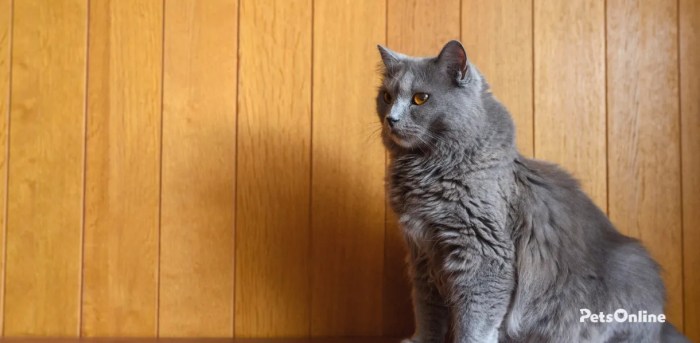
Source: com.au
The Chartreux is a truly captivating breed, shrouded in a bit of mystery and boasting a striking appearance. Its history is fascinating, and understanding its unique characteristics is key to appreciating its value. This article will delve into everything you need to know about Chartreux prices, from the factors that influence them to ongoing costs and adoption options.The breed’s origins are debated, with some believing they descended from cats brought to France by Carthusian monks in the 13th century.
Others suggest they evolved from a local French breed. Regardless of the exact lineage, the Chartreux remained relatively unknown outside of France until the mid-20th century. Dedicated breeders then worked to standardize the breed, solidifying its distinctive traits. Today, the Chartreux is recognized by major cat registries worldwide.Chartreux cats are instantly recognizable thanks to their dense, water-repellent blue-gray coat, often described as “velvet.” Their round, copper-colored eyes are another defining feature, giving them an expressive and intelligent gaze.
They possess a muscular, cobby build, contributing to their overall robust and powerful appearance. The breed standard also calls for a distinctive “smile” – a slight upward curve to the corners of their mouth.Chartreux cats are known for their gentle, affectionate, and playful personalities. They are often described as “silent hunters,” possessing a natural instinct to stalk and pounce, but also enjoying quiet time with their families.
They are intelligent and trainable, often responding well to positive reinforcement. They are generally good with children and other pets, making them wonderful companions.
| Feature | Description | Importance to Price |
|---|---|---|
| Coat Color (Blue-Gray) | Dense, water-repellent, and uniquely colored. | Consistent color is crucial; variations can lower price. |
| Eye Color (Copper) | Round, bright copper eyes are a breed standard. | Deviation from copper can impact price. |
| Build (Muscular, Cobby) | Strong, stocky build with a broad chest. | Indicates good health and breeding quality. |
| Temperament (Gentle, Playful) | Known for their affectionate and quiet nature. | Desirable temperament increases demand and price. |
Factors Influencing Chartreux Price
Determining the price of a Chartreux kitten isn’t a simple matter. Several factors contribute to the overall cost, and understanding these can help you make an informed decision. The price range can vary significantly, so let’s break down the key elements.The reputation and experience of the breeder play a significant role. Established breeders with a history of producing healthy, well-socialized Chartreux kittens often command higher prices.
They invest in quality breeding stock, health testing, and proper socialization, all of which contribute to the kitten’s overall well-being and value. Less experienced breeders may offer kittens at a lower price, but it’s crucial to thoroughly research their practices.Lineage and pedigree are also important considerations. Kittens from champion bloodlines, meaning their parents or grandparents have achieved titles in cat shows, typically cost more.
This indicates a higher likelihood of desirable traits and conformation to the breed standard. However, a champion pedigree doesn’t guarantee a perfect kitten; it simply increases the probability of certain characteristics.Geographic location significantly impacts Chartreux prices. Kittens in areas with high demand and limited availability tend to be more expensive. For example, prices on the East and West Coasts of the United States are often higher than in the Midwest.
International shipping costs also add to the price for buyers outside of the breeder’s region.Ultimately, the basic economic principle of supply and demand governs Chartreux prices. When demand exceeds availability, prices rise. Conversely, when there are more kittens available than people looking to buy, prices tend to decrease. This fluctuation can be influenced by various factors, including seasonal trends and overall economic conditions.

Flowchart illustrating price escalation based on different factors. (Example – actual Chartreux specific flowchart would be more detailed)The flowchart above illustrates a simplified example of how these factors interact. A kitten with a champion pedigree, located in a high-demand area, and bred by a reputable breeder will generally command the highest price. Conversely, a kitten with a less impressive pedigree, located in a less desirable area, and bred by a less experienced breeder will likely be more affordable.
Kitten Price Ranges: A Detailed Breakdown
The cost of a Chartreux kitten can vary considerably depending on several factors. Generally, you can expect to pay anywhere from $1,500 to $3,500 for a kitten from a reputable breeder. However, prices can exceed this range for kittens with exceptional pedigrees or those located in high-demand areas. Rescues and shelters, as we’ll discuss later, offer a more affordable option.While the standard Chartreux coat color is a beautiful silver-blue, slight variations can occur.
Kittens with a darker or lighter shade of blue, or those with a subtle “tipped” pattern (where the tips of the hairs are a slightly different color), may experience minor price fluctuations. However, significant color deviations are not desirable and would likely lower the price.Male and female Chartreux kittens often have slightly different price points. Historically, male kittens have sometimes been priced slightly higher, although this difference is becoming less pronounced.
Breeders may adjust prices based on the perceived demand for each sex.
| Age | Source (Breeder/Rescue) | Price Range | Location |
|---|---|---|---|
| 12-16 Weeks | Reputable Breeder | $1,800 – $3,500 | Northeast US |
| 8-12 Weeks | Experienced Breeder | $1,500 – $2,800 | Midwest US |
| 6 Months+ | Chartreux Rescue | $100 – $300 | Nationwide |
| 16 Weeks | Less Experienced Breeder | $1,200 – $2,200 | West Coast US |
Adult Chartreux Costs
Adopting an adult Chartreux from a rescue or shelter is significantly more affordable than purchasing a kitten from a breeder. Adoption fees typically range from $100 to $300, and often include vaccinations, spaying/neutering, and a microchip. This is a wonderful way to provide a loving home for a cat in need and avoid the higher price tag associated with kittens.Purchasing an adult Chartreux from a breeder, particularly a “retirement” cat, can also be an option.
Breeders sometimes offer older cats at a reduced price, often around $500 to $1,500. These cats are typically already spayed/neutered and may have some health history available.Spayed or neutered adults are almost always priced higher than unspayed/unneutered cats, regardless of whether you’re adopting from a rescue or purchasing from a breeder. This reflects the value of the procedure and the breeder’s or rescue’s investment in the cat’s health.Numerous heartwarming stories exist of adult Chartreux cats finding loving homes through rescue organizations.
For example, “Bluebell,” a five-year-old Chartreux, was adopted from a local shelter and quickly became a cherished member of her new family. The adoption fee was $150, and the family spent an additional $200 on initial supplies like a litter box, food, and toys.
Ongoing Expenses: Beyond the Initial Purchase
Bringing a Chartreux into your home is a long-term commitment, and it’s essential to factor in ongoing expenses beyond the initial purchase price. Providing a healthy and happy life for your Chartreux requires a consistent investment in their well-being.A high-quality diet is paramount for a Chartreux’s health. Look for cat food formulated with real meat as the primary ingredient and avoid foods with excessive fillers.
Expect to spend approximately $40 to $80 per month on food, depending on the brand and quantity.Veterinary care is another significant ongoing expense. Annual checkups, vaccinations, and preventative medications (like flea and tick control) are essential. Potential health issues, such as hypertrophic cardiomyopathy (HCM), are common in Chartreux cats and may require ongoing treatment, adding to the cost. Budget at least $200 to $500 per year for routine veterinary care, with potential for higher costs if health issues arise.Grooming is relatively minimal for Chartreux cats due to their short, dense coat.
However, regular brushing (once or twice a week) is recommended to prevent matting and reduce shedding. Occasional professional grooming may be desired, costing around $50 to $100 per session.Toys, litter, and other essential supplies add to the ongoing costs. Expect to spend $20 to $50 per month on these items.
- Essential: Food, water bowls, litter box & litter, scratching post, basic toys, annual vet checkups.
- Recommended: High-quality cat food, interactive toys, cat tree, dental care products, pet insurance.
- Luxury: Designer cat furniture, gourmet treats, professional grooming, automatic feeders.
Breeder Costs and Transparency
Reputable Chartreux breeders incur significant expenses to ensure the health and well-being of their cats and kittens. These costs include breeding programs, health testing, high-quality food, and veterinary care. They are not simply “selling” kittens; they are investing in the future of the breed.Health testing is crucial for responsible breeders. Genetic screenings for HCM and patellar luxation are standard practice.
These tests help identify potential health issues and allow breeders to make informed decisions about breeding pairs. The cost of health testing can range from $200 to $500 per cat.Transparency is a hallmark of a reputable breeder. They should be willing to answer your questions about their breeding practices, the kitten’s lineage, and any health concerns. They should also provide documentation of health testing results.Here are some questions to ask breeders:* What health testing do you perform on your breeding cats?
- Can I see the parents of the kitten?
- What is your socialization process for kittens?
- What guarantees do you offer regarding the kitten’s health?
- What is your pricing structure, and what does it include?
Checklist for Evaluating a Reputable Chartreux Breeder:* ✅ Provides health testing documentation.
- ✅ Allows visits to their cattery.
- ✅ Asks questions about your lifestyle and experience with cats.
- ✅ Offers a health guarantee.
- ✅ Is knowledgeable about the breed and willing to share information.
Rescue and Adoption Options
Adopting a Chartreux from a rescue organization offers numerous benefits. You’re providing a loving home for a cat in need, often saving them from a difficult situation. Adoption fees are typically much lower than purchasing a kitten from a breeder, and the cat is often already spayed/neutered and vaccinated.Typical adoption fees range from $100 to $300, and often cover vaccinations, spaying/neutering, a microchip, and a basic health checkup.
Some rescues may also provide a small amount of food and supplies to help you get started.Finding Chartreux rescues and shelters can require some effort. Start by searching online databases like Petfinder and Adopt-a-Pet. Contact local cat rescues and shelters to inquire about Chartreux cats in their care. Breed-specific rescues, such as the Chartreux Cat Fanciers Association, can also be valuable resources.
Adopting a Chartreux not only gives a deserving cat a second chance at a happy life but also enriches your own life with the unconditional love and companionship of a feline friend. It’s a win-win situation!
Comparing Chartreux Prices to Similar Breeds
Understanding how Chartreux prices compare to other popular breeds can provide valuable context. Breeds like the British Shorthair, Russian Blue, and Persian often share similar price ranges, but there are key differences to consider.A British Shorthair typically costs between $1,200 and $3,000, with price influenced by coat color and breeder reputation. Russian Blues generally range from $800 to $2,500, known for their striking silver-blue coat and playful personalities.
Persian cats, with their long, luxurious coats, can range from $1,500 to $5,000 or more, depending on the quality and pedigree.The higher price of Persians is largely due to the extensive grooming requirements and the potential for health issues related to their brachycephalic (flat-faced) structure. Chartreux prices tend to be slightly lower than Persians but higher than Russian Blues, reflecting their unique coat texture, distinctive eye color, and overall rarity.
| Breed | Typical Price Range | Key Price Factors |
|---|---|---|
| Chartreux | $1,500 – $3,500 | Pedigree, breeder reputation, geographic location. |
| British Shorthair | $1,200 – $3,000 | Coat color, breeder reputation, show quality. |
| Russian Blue | $800 – $2,500 | Pedigree, breeder reputation, coat quality. |
Financing Options and Payment Plans
The initial cost of a Chartreux kitten can be a significant investment. Fortunately, some breeders offer payment plans to make it more manageable. These plans typically involve an initial deposit followed by monthly installments over a set period. Be sure to carefully review the terms and conditions of any payment plan before committing.Pet insurance is a valuable tool for managing unexpected veterinary costs.
Policies can cover a wide range of expenses, including illnesses, injuries, and surgeries. The cost of pet insurance varies depending on the coverage level, the cat’s age, and the breed.Several resources are available to help pet owners find financial assistance. Organizations like The Pet Fund and RedRover offer grants to help cover veterinary expenses. Local animal shelters and humane societies may also have financial assistance programs.
Potential Funding Sources for Pet Adoption or Purchase:* Breed-specific rescue organizations (often offer reduced adoption fees).
- Local animal shelters and humane societies.
- The Pet Fund (grants for veterinary care).
- RedRover (financial assistance for animals in crisis).
- CareCredit (healthcare credit card for veterinary expenses).
Regional Price Variations: A Deeper Dive
Chartreux prices can vary significantly depending on the region of the country or the world. On the East Coast and West Coast of the United States, prices tend to be higher due to increased demand and limited availability. The Midwest generally offers more affordable options.International shipping costs can dramatically increase the price of a Chartreux for buyers outside of the breeder’s country.
Shipping a cat overseas can cost several hundred to several thousand dollars, depending on the destination and the shipping method.Factors contributing to higher prices in specific areas include:* Higher demand: Areas with a greater interest in the breed.
Limited availability
Fewer breeders in the region.
Higher cost of living
Increased expenses for breeders.
Transportation costs
Shipping fees for breeders located far from buyers. 
(Example – actual map would show price ranges by region)(Note: The map above is a placeholder. A real map would visually represent Chartreux price ranges across different regions, with color-coded areas indicating price tiers.)
Final Summary
Navigating the world of Chartreux prices can feel overwhelming, but hopefully, this guide has shed some light on the various factors at play. Whether you’re considering a kitten from a reputable breeder, adopting an adult from a rescue, or simply curious about the costs involved, understanding these nuances is key. Remember, bringing a Chartreux into your life is a significant investment, but the rewards of sharing your home with this intelligent, affectionate, and strikingly beautiful breed are immeasurable.
Ultimately, responsible ownership means being prepared for both the joys and the financial realities of caring for a Chartreux. With careful planning and research, you can ensure a long and happy life together.
Query Resolution
What’s the average lifespan of a Chartreux?
Chartreux typically live between 11 and 15 years, though some can live longer with proper care.
Do Chartreux cats require a lot of grooming?
No, their dense double coat is surprisingly low-maintenance. Weekly brushing is usually sufficient to prevent matting.
Are Chartreux cats prone to any specific health problems?
They can be predisposed to hip dysplasia and polycystic kidney disease (PKD), so it’s important to choose a breeder who screens for these conditions.
Can I find Chartreux kittens at a pet store?
It’s highly unlikely. Chartreux are a relatively rare breed, and reputable breeders typically don’t sell to pet stores.
What’s the difference between a “show quality” and “pet quality” Chartreux?
Show quality cats meet specific breed standards and are intended for showing, while pet quality cats are still healthy and well-tempered but may have minor imperfections that don’t meet show standards.
What should I look for in a reputable Chartreux breeder?
A good breeder will be knowledgeable about the breed, health test their cats, allow you to visit their cattery, and be transparent about their practices.
What are the benefits of adopting an adult Chartreux?
Adult Chartreux often have established personalities, may already be litter-trained, and can be a wonderful option for those seeking a calmer companion.

