Ever wondered if your feline friend sheds their claws like they shed fur? The truth is, cats
-do* lose their claws, but it’s a fascinating process involving constant renewal and unique mechanisms. From the tiny claws of a kitten to the changes we see in senior cats, their claws are constantly evolving. This guide dives deep into the world of feline claws, exploring everything from their development and retraction to potential health issues and how to keep them healthy and happy.
We’ll unravel the mysteries of claw shedding, explore the anatomy behind their incredible retraction abilities, and discuss how environmental factors, diet, and even breed can influence claw health. Plus, we’ll cover essential grooming tips and what to do if you suspect your cat has an ingrown claw. Get ready to become a claw expert!

Do Cats Lose Their Claws? A Comprehensive Guide
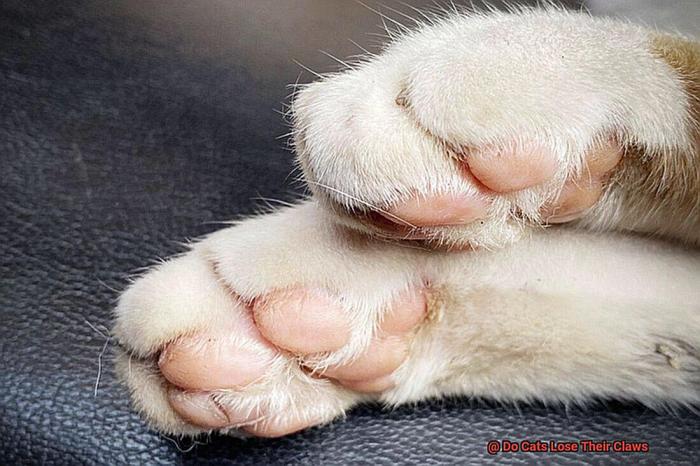
Source: 21cats.org
Cats and their claws – a fascinating combination of weaponry, grooming tools, and essential parts of their lives. We often wonder about these retractable weapons: how they develop, how they wear down, and what happens when things go wrong. This article dives deep into the world of feline claws, covering everything from kittenhood to senior years, and offering practical advice for keeping your cat’s paws healthy and happy.Understanding the intricacies of a cat’s claws can help you better care for your feline friend and address any concerns you might have about their paw health.
Let’s explore the science and practicalities of these remarkable appendages.
Kitten Claw Development & Initial Claws
The development of a kitten’s claws is a gradual process, starting even before birth. From tiny buds to fully functional weapons, a kitten’s claws undergo significant changes in their first six months. The dewclaw, a vestigial digit located higher up on the leg, also plays a unique role in this development.The timeline for claw development is roughly as follows: kittens are born with only the front claws visible, while the back claws emerge a bit later.
By around 4 weeks, the back claws are usually present, and the claws are soft and blunt. The full set of claws – including the dewclaws – typically emerges around 12 weeks of age, though this can vary slightly between individual kittens.Here’s a comparison of kitten claw characteristics at different ages:
| Characteristic | 4 Weeks | 8 Weeks |
|---|---|---|
| Sharpness | Very blunt, soft | Slightly sharper, still soft |
| Retraction Ability | Limited, not fully retractable | Improving, but not fully retractable |
| Size | Small, short | Growing, becoming more noticeable |
| Characteristic | 12 Weeks | |
| Sharpness | Sharper, more defined | |
| Retraction Ability | Mostly retractable | |
| Size | Approaching adult size |
The dewclaw, found on the inside of the front legs (and sometimes the back legs), doesn’t typically make contact with the ground during walking. Its original purpose is thought to have been for climbing trees, providing extra grip. Because it doesn’t wear down naturally, dewclaws often require regular trimming.
Do Cats Lose Their Claws? A Comprehensive Guide
… (Previous intro content)
Natural Claw Wear & Shedding
A cat’s environment significantly impacts how quickly their claws wear down naturally. Indoor cats, who lack the abrasive surfaces of the outdoors, tend to have slower claw wear and require more frequent trimming. Outdoor cats, constantly scratching on trees, fences, and other rough surfaces, experience more natural wear.Claw shedding is a continuous process. A cat’s claw isn’t a solid structure; it’s made up of layers.
The outer layer, the “tip,” is what we typically see. As this outer layer becomes worn or damaged, it detaches, revealing a new, sharper layer underneath. This shedding occurs gradually, often unnoticed. You might find small claw fragments around your house – these are the shed tips.Indoor cats typically shed their claws more slowly and in smaller pieces. Outdoor cats, with their more vigorous scratching habits, shed more frequently and often leave behind larger fragments.Imagine a cat’s claw as an onion.
Each layer represents a different stage of growth. The outermost layer is the oldest and most worn. As the cat scratches, this layer is abraded and eventually breaks off. Beneath it lies a newer, sharper layer. This cycle repeats continuously, ensuring the claw remains functional.
The layers are translucent, with the newest layers being slightly more opaque than the older ones. The color can also vary slightly, with newer layers often appearing a bit pinker or lighter.
Do Cats Lose Their Claws? A Comprehensive Guide
… (Previous intro content)
Claw Retraction Mechanisms
The cat’s paw is a marvel of engineering, perfectly designed for both hunting and climbing. The ability to retract claws is a key component of this design, allowing cats to move silently and protect their claws from wear when not in use.The anatomy of the paw is complex. Each toe contains a small bone connected to the main paw bones.
Muscles in the forearm and wrist control the extension and retraction of the claws. These muscles are connected to the claws via tendons and ligaments. When the cat flexes its toes, the tendons pull the claws outward. When the toes relax, the ligaments pull the claws back into the paw.Different cat breeds exhibit variations in their retraction abilities.
Sphynx cats, for example, lack fur and have a slightly different paw structure, which can sometimes result in less complete claw retraction. Maine Coons, on the other hand, are known for their large paws and powerful muscles, allowing for very efficient claw retraction.Consider this diagram: Imagine a cross-section of a cat’s paw. The claw itself is a curved, keratinous structure.
Behind the claw is a sheath of skin. Tendons, like strong ropes, run from the forearm, through the paw, and connect to the base of the claw. When the cat wants to extend its claw, muscles contract, pulling on these tendons and causing the claw to emerge. When the cat wants to retract its claw, other muscles relax, allowing ligaments to pull the claw back into the paw sheath.
The ligaments act as a spring, ensuring the claw retracts smoothly and quickly. The entire mechanism is incredibly precise and responsive, allowing the cat to extend and retract its claws in a fraction of a second.
Do Cats Lose Their Claws? A Comprehensive Guide
… (Previous intro content)
Factors Influencing Claw Loss or Damage
While natural shedding is a normal process, claw loss or damage can also occur due to various factors beyond wear and tear. Injury, infection, and disease are all potential culprits. A cat might injure a claw by getting it caught in furniture, a door, or another object. Infections, such as bacterial or fungal infections, can weaken the claw and cause it to break or fall off.
Certain diseases can also affect claw health.Improper scratching surfaces can also contribute to claw damage. Soft, carpeted surfaces don’t provide enough abrasion to wear down the claws properly, leading to overgrowth and potential breakage. Conversely, excessively rough surfaces can cause splintering and damage.Nutritional deficiencies can also impact claw strength and growth. A diet lacking essential vitamins and minerals, particularly biotin and zinc, can result in brittle, weak claws that are more prone to breakage.Here’s a list of common household hazards that could lead to claw damage:
- Furniture with loose threads or fibers
- Doors or windows that can trap claws
- Rough or abrasive flooring
- Electrical cords
- Toys with small, detachable parts
- Other pets or children who might accidentally step on or injure a cat’s paws
Do Cats Lose Their Claws? A Comprehensive Guide
… (Previous intro content)
Medical Conditions Affecting Claws
Several medical conditions can manifest in changes to a cat’s claws. Fungal infections, such as ringworm, can cause the claws to become brittle, discolored, and deformed. Autoimmune diseases, like psoriasis, can also affect claw growth and appearance. Skin conditions like eczema can extend to the claws, causing inflammation and thickening.Here’s a table summarizing some medical conditions affecting claws:
| Medical Condition | Effect on Claws | Potential Treatments |
|---|---|---|
| Ringworm (Fungal Infection) | Brittle, discolored, deformed claws; may fall off | Antifungal medications (oral or topical) |
| Psoriasis (Autoimmune Disease) | Thickened, ridged claws; may be discolored | Immunosuppressant medications, topical treatments |
| Eczema (Skin Condition) | Inflamed, thickened claws; may be painful | Topical corticosteroids, antihistamines |
Do Cats Lose Their Claws? A Comprehensive Guide
… (Previous intro content)
Claw Grooming & Maintenance
Regular claw trimming is an essential part of cat care, especially for indoor cats. Proper trimming prevents overgrowth, which can lead to discomfort, difficulty walking, and potential injury.Identifying the “quick” – the pink area within the claw that contains blood vessels and nerves – is crucial. Cutting into the quick is painful and will cause bleeding. In cats with clear claws, the quick is easily visible.
In cats with dark claws, it can be more difficult to see, so it’s best to trim only the very tip of the claw.Desensitizing a cat to claw trimming can make the process much easier. Start by handling your cat’s paws frequently, gently touching and massaging the toes. Gradually introduce the clippers, letting your cat sniff and investigate them. Reward your cat with treats and praise throughout the process.Here’s a step-by-step guide to trimming your cat’s claws:
- Gather your supplies: cat clippers (scissor or guillotine style), styptic powder (to stop bleeding if you accidentally cut the quick), and treats.
- Choose a calm and quiet time.
- Gently hold your cat’s paw.
- Extend the claw by gently pressing on the paw pad.
- Trim only the very tip of the claw, avoiding the quick.
- If you accidentally cut the quick, apply styptic powder immediately.
- Reward your cat with a treat and praise.
Safety Precautions: If your cat becomes stressed or agitated, stop the trimming and try again later. Never force your cat. If you are unsure about trimming your cat’s claws, consult a veterinarian or professional groomer.
Do Cats Lose Their Claws? A Comprehensive Guide
… (Previous intro content)
Age-Related Claw Changes
As cats age, their claws undergo several changes. They tend to become thicker and more brittle, and the growth rate slows down. This is due to changes in the metabolism and overall health of the cat.Older cats may also experience reduced flexibility and arthritis, which can affect their ability to retract their claws fully. This can sometimes lead to the claws becoming overgrown and uncomfortable.Here’s a comparison of claw characteristics across different life stages:
| Characteristic | Kittens | Adult Cats |
|---|---|---|
| Sharpness | Sharp, well-defined | Generally sharp, may dull with age |
| Flexibility | Flexible, easily retractable | Generally flexible, may become stiffer with age |
| Growth Rate | Fast | Slower |
Do Cats Lose Their Claws? A Comprehensive Guide
… (Previous intro content)
Differences in Claw Types & Textures
Claw texture can vary significantly between cats. Some cats have smooth claws, while others have claws that are rough, ridged, or even slightly flaky. These variations can be influenced by genetics, diet, and environmental factors.Claw color also varies between breeds and individuals. While most cats have clear or slightly tinted claws, some breeds, like Russian Blues, are known for their distinctive slate-gray claws.Claw shape can also differ.
Some cats have curved claws, while others have claws that are straighter or more hooked. This can be influenced by breed and lifestyle.Here’s a list of cat breeds known for unique claw characteristics:
- Maine Coon: Large paws and claws, often with a slightly hooked shape.
- Russian Blue: Slate-gray claws.
- Sphynx: Less complete claw retraction.
- Scottish Fold: Claws may be slightly shorter and more rounded due to their folded ears.
Do Cats Lose Their Claws? A Comprehensive Guide
… (Previous intro content)
Environmental Enrichment & Claw Health
Providing appropriate scratching posts and surfaces is crucial for promoting healthy claw wear and preventing behavioral problems. Scratching is a natural behavior for cats, serving multiple purposes: claw maintenance, stretching, marking territory, and stress relief.Different scratching post materials offer varying levels of abrasion. Sisal is a popular choice due to its durability and rough texture. Cardboard scratching posts are also effective and can be a more affordable option.
Carpeted scratching posts can be appealing to some cats, but they don’t provide as much abrasion as sisal or cardboard.Strategically placing scratching posts can encourage their use. Place them in areas where your cat spends a lot of time, near doorways, or in high-traffic areas.Here’s a guide for selecting the best scratching posts for different cat personalities and preferences:
- Vertical Scratchers: Ideal for cats who like to stretch and scratch upwards.
- Horizontal Scratchers: Suitable for cats who prefer to scratch horizontally.
- Angled Scratchers: Offer a combination of vertical and horizontal scratching options.
- Sisal Scratchers: Provide a durable and abrasive surface.
- Cardboard Scratchers: A more affordable option that many cats enjoy.
- Catnip-Infused Scratchers: Can entice reluctant scratchers.
Do Cats Lose Their Claws? A Comprehensive Guide
… (Previous intro content)
Dealing with Ingrown Claws
An ingrown claw occurs when the claw curves and grows into the paw pad, causing pain and inflammation. This is more common in cats with thick claws or those who don’t have regular claw trims.Signs and symptoms of an ingrown claw include limping, excessive licking or chewing at the paw, redness, swelling, and pain when the paw is touched.Addressing a minor ingrown claw requires careful handling and veterinary guidance.
Gently try to reposition the claw using clean tweezers. If the claw is deeply embedded or the area is severely inflamed, seek veterinary attention immediately.Here’s a flowchart outlining the steps to take if you suspect your cat has an ingrown claw:
- Observe: Is your cat limping or showing signs of paw discomfort?
- Inspect: Can you see the claw growing into the paw pad?
- Mild Case? If the claw is slightly embedded and the area isn’t severely inflamed, gently try to reposition it with clean tweezers.
- Severe Case? If the claw is deeply embedded, the area is inflamed, or your cat is in significant pain, seek veterinary attention immediately.
- Veterinary Care: The veterinarian may need to remove part of the claw or prescribe antibiotics to prevent infection.
Concluding Remarks
Understanding your cat’s claws is key to ensuring their overall well-being. We’ve covered a lot of ground, from the intricate development of kitten claws to the age-related changes that occur later in life. By providing appropriate scratching surfaces, being mindful of potential hazards, and recognizing signs of medical issues, you can help your cat maintain healthy, strong claws throughout their life.
So, next time you see your cat sharpening their claws, you’ll appreciate the complex and fascinating process happening right before your eyes!
FAQ Explained
Why do cats need to sharpen their claws?
Sharpening removes the outer sheath of the claw, exposing a new, sharper point. It also helps to keep the claws from becoming overgrown and brittle.
Can a cat’s claws grow back if they break off?
Generally, no. Unlike nails, claws are made of keratin and don’t regenerate. However, a new claw will grow in to replace it.
Is it normal for my cat to have claws of different lengths?
Yes, it’s quite common! Claw length can vary depending on usage and individual cat anatomy.
What does it mean if my cat’s claws are unusually dull?
Dull claws could indicate a nutritional deficiency or a medical condition. Consult your vet if you’re concerned.
How often should I trim my cat’s claws?
Typically, every 2-3 weeks, but it depends on your cat’s activity level and how quickly their claws grow.
Why does my cat knead with their paws?
Kneading is a comforting behavior often linked to kittenhood, mimicking nursing on their mother. It’s a sign of contentment and relaxation.
What should I do if I accidentally cut the quick while trimming my cat’s claws?
Apply styptic powder or cornstarch to stop the bleeding. Contact your vet if the bleeding doesn’t stop.

